Have you ever wondered what exactly plants eat to grow tall and stay healthy? You might think plants don’t need food like we do, but they actually rely on something very special.
Knowing what plant food is called can change the way you care for your garden or houseplants. You’ll discover the secret behind what fuels your plants, why it matters, and how you can use this knowledge to help your green friends thrive like never before.
Keep reading, and you’ll see your plants in a whole new light!
Types Of Plant Food
Plant food helps plants grow strong and healthy. It gives plants the nutrients they need. Different types of plant food work in different ways to feed plants.
Understanding the types of plant food can help you choose the right one for your garden or farm. Here are the main types of plant food used by gardeners and farmers.
Organic Fertilizers
Organic fertilizers come from natural sources like plants and animals. They release nutrients slowly and improve soil health. Examples include compost, manure, and bone meal.
- Compost: decomposed organic matter that enriches soil
- Manure: animal waste that adds nitrogen and other nutrients
- Bone meal: ground animal bones rich in phosphorus
- Blood meal: dried animal blood high in nitrogen
- Seaweed: contains trace minerals and growth hormones
Inorganic Fertilizers
Inorganic fertilizers are made from synthetic chemicals. They provide nutrients quickly and are easy to apply. Common types include nitrogen, phosphorus, and potassium fertilizers.
| Type | Main Nutrient | Purpose |
|---|---|---|
| Urea | Nitrogen (N) | Promotes leaf and stem growth |
| Superphosphate | Phosphorus (P) | Supports root development and flowering |
| Potassium chloride | Potassium (K) | Improves overall plant health and disease resistance |
Natural Soil Amendments
Natural soil amendments improve the soil’s structure and nutrient content. They help retain moisture and increase beneficial microbes in the soil.
Common natural soil amendments include:
- Peat moss: improves water retention
- Vermiculite: enhances aeration and moisture
- Gypsum: reduces soil compaction and adds calcium
- Perlite: increases soil drainage
- Green manure: cover crops that add nutrients when tilled into soil
Essential Nutrients For Plants
Plants need nutrients to grow strong and healthy. These nutrients come from the soil and help plants make food.
There are three main groups of essential nutrients: macronutrients, secondary nutrients, and micronutrients. Each group has a special role in plant health.
Macronutrients
Macronutrients are the main nutrients plants need in large amounts. They help plants grow leaves, roots, and flowers.
- Nitrogen (N): Helps leaves grow green and healthy.
- Phosphorus (P): Supports root and flower development.
- Potassium (K): Strengthens plants and helps them fight disease.
Micronutrients
Micronutrients are needed in small amounts. They help plants carry out important processes like photosynthesis and nutrient transport.
| Micronutrient | Role |
|---|---|
| Iron (Fe) | Helps make chlorophyll for green leaves |
| Manganese (Mn) | Aids in photosynthesis and enzyme activity |
| Zinc (Zn) | Supports growth hormones and enzyme functions |
| Copper (Cu) | Helps with respiration and photosynthesis |
| Boron (B) | Assists in cell wall formation and seed growth |
Secondary Nutrients
Secondary nutrients are needed in moderate amounts. They support plant structure and help with water and nutrient movement.
- Calcium (Ca): Builds strong cell walls and roots.
- Magnesium (Mg): Central part of chlorophyll for photosynthesis.
- Sulfur (S): Important for protein and enzyme creation.
How Plants Absorb Nutrients
Plants need nutrients to grow strong and healthy. They absorb these nutrients from their environment in different ways. Understanding how plants take in nutrients can help us care for them better.
There are several methods through which plants absorb nutrients, each playing a vital role in their development.
Root Uptake
Roots are the main way plants get nutrients. They reach into the soil and take in water and minerals. This process is called root uptake.
Roots have tiny hairs that help them absorb more nutrients. These hairs increase the surface area, making it easier for plants to take in what they need.
Foliar Feeding
Foliar feeding is when plants absorb nutrients through their leaves. This method is used when plants need a quick nutrient boost.
Nutrients are sprayed onto the leaves, where they are absorbed directly. This can be an effective way to help plants if their roots are damaged.
Soil Microorganisms Role
Soil microorganisms help plants absorb nutrients. These tiny organisms break down organic matter, making nutrients available to plants.
Microorganisms also help improve soil structure. This makes it easier for roots to grow and access nutrients.
- Bacteria fix nitrogen for plants
- Fungi help with water and nutrient absorption
- Decomposers break down organic material
Credit: shop.benkens.com
Signs Of Nutrient Deficiency
Plants need food to grow healthy and strong. This food comes from nutrients in the soil. When plants lack nutrients, they show signs of stress.
Recognizing these signs helps you fix the problem early. This guide shows common signs of nutrient deficiency in plants.
Yellowing Leaves
Yellow leaves often mean plants lack nitrogen. Nitrogen helps leaves stay green and make food for the plant.
Yellowing usually starts on older leaves first. If not fixed, the plant’s growth slows down.
- Leaves turn pale or yellow
- Yellowing begins at leaf tips or edges
- Older leaves are affected before new ones
Stunted Growth
Plants grow slowly or stay small if they lack phosphorus or potassium. These nutrients help roots and stems develop.
New leaves may be smaller, and the plant looks weak. Poor root growth also limits water and nutrient uptake.
- Plants stay small and short
- New leaves are smaller than usual
- Roots do not grow well
Poor Flowering
Plants need enough nutrients to make flowers and fruits. A lack of nutrients causes fewer or no flowers.
Flowers may be small or drop early. This reduces the plant’s chance to produce seeds or fruit.
- Few or no flowers appear
- Flowers are smaller than normal
- Flowers drop before fully opening
Choosing The Right Plant Food
Plant food is a mix of nutrients that helps plants grow well. Choosing the right plant food improves plant health and growth.
Different plants need different nutrients. Knowing how to pick the correct plant food makes your gardening easier and more successful.
Soil Testing
Soil testing shows what nutrients your soil lacks. It tells you the pH and nutrient levels in the soil.
Use soil test results to pick plant food that fills nutrient gaps. This prevents overfeeding or underfeeding plants.
- Collect soil samples from different spots
- Send samples to a soil testing lab
- Review the nutrient report carefully
- Choose fertilizer based on nutrient needs
Plant Type Considerations
Different plants need different nutrients in varying amounts. Some plants need more nitrogen, others need more phosphorus or potassium.
Identify your plant type before choosing food. Use food that matches the plant’s natural needs for best results.
- Leafy plants need nitrogen for green leaves
- Flowering plants need phosphorus to bloom
- Fruits and vegetables need potassium for growth
- Use special mixes for acid-loving plants like blueberries
Environmental Factors
Temperature, sunlight, and water affect how plants use food. Hot or dry weather can change nutrient needs.
Adjust plant food based on local climate and conditions. This keeps plants healthy in different environments.
- Use slow-release fertilizer in hot weather
- Apply more food in growing seasons
- Reduce feeding in cold or dormant seasons
- Consider soil moisture before fertilizing

Credit: www.ebay.com
Applying Plant Food Effectively
Plant food, also known as fertilizer, provides essential nutrients for healthy plant growth. Applying it correctly helps plants grow strong and produce better yields.
Using the right timing, method, and amount ensures plants get the nutrients they need without harm.
Timing And Frequency
Apply plant food during the growing season when plants need nutrients most. Avoid feeding during dormant periods.
- Feed young plants every two to three weeks.
- For mature plants, apply fertilizer once a month.
- Follow specific plant needs and soil conditions for best results.
Application Methods
There are different ways to apply plant food. Choose the method that fits your plant type and fertilizer form.
| Method | Description | Best For |
| Soil Application | Mix fertilizer into the soil around plants. | Most plants |
| Foliar Feeding | Spray diluted fertilizer on leaves for quick absorption. | Leafy vegetables, houseplants |
| Slow-Release Pellets | Pellets release nutrients over time. | Outdoor gardens, shrubs |
Avoiding Overfeeding
Too much plant food can damage roots and leaves. It may also cause nutrient buildup in soil.
- Follow package directions carefully.
- Water plants well after feeding to help nutrients reach roots.
- Watch for signs of overfeeding, like leaf burn or yellowing.
- Test soil regularly to avoid nutrient buildup.
Homemade Plant Food Recipes
Plant food helps plants grow strong and healthy. You can make your own plant food at home. These recipes use natural ingredients found in your kitchen or garden.
Homemade plant food saves money and reduces waste. It also avoids harsh chemicals that can harm the soil.
Compost Teas
Compost tea is a liquid made by soaking compost in water. It contains nutrients and helpful microbes for plants. You can spray it on leaves or pour it into the soil.
To make compost tea, mix one part compost with five parts water. Let it sit for a day or two, then strain and use the liquid.
Banana Peel Fertilizer
Banana peels are full of potassium and phosphorus. These nutrients help flowers and fruits grow well. You can use banana peels to feed your plants naturally.
Chop banana peels into small pieces and bury them in the soil near plant roots. You can also soak peels in water for a few days and use the water as a fertilizer.
Eggshell Nutrients
Eggshells are rich in calcium, which plants need for strong cell walls. Using eggshells helps prevent plant diseases and supports growth.
Crush clean, dry eggshells into small pieces. Sprinkle them around your plants or mix them into the soil to slowly release calcium.

Credit: www.domyown.com
Sustainable Plant Nutrition Practices
Plant food is the nutrients that plants need to grow healthy and strong. These nutrients come from soil, water, and fertilizers. Using sustainable plant nutrition helps keep the soil healthy and protects the environment.
Sustainable practices focus on feeding plants naturally. They reduce harm to the soil and water while keeping plants well nourished.
Crop Rotation
Crop rotation means planting different crops in the same field each season. This helps keep the soil full of nutrients. Different plants use and add different nutrients to the soil.
This practice breaks pest and disease cycles. It also improves soil structure and fertility over time.
Cover Crops
Cover crops are plants grown mainly to protect and enrich the soil. They are not harvested for food. These crops cover the soil and reduce erosion.
Cover crops add organic matter and nutrients, especially nitrogen. They improve soil moisture and support beneficial microbes.
- Legumes like clover and beans add nitrogen
- Grasses like rye help prevent soil erosion
- Cover crops increase soil organic matter
Reduced Chemical Use
Reducing chemical fertilizers and pesticides protects the soil and water. It supports natural soil life and helps plants absorb nutrients better.
Using organic fertilizers and natural pest control keeps plant food safe and the environment clean.
Frequently Asked Questions
What Is Plant Food Called In Gardening?
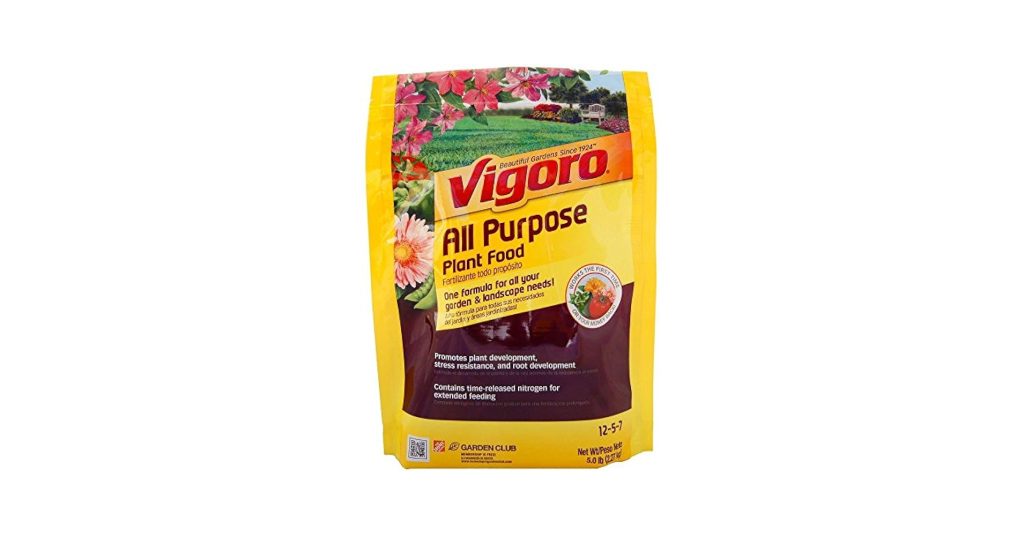
Plant food is commonly called fertilizer in gardening. Fertilizers supply essential nutrients like nitrogen, phosphorus, and potassium to plants. These nutrients help plants grow healthy and strong.
How Does Plant Food Benefit Plant Growth?
Plant food provides vital nutrients that improve plant growth. It enhances root development, leaf size, and flowering. Proper nutrients also boost disease resistance and increase overall plant health.
Are Natural And Synthetic Plant Foods Different?
Yes, natural plant food comes from organic sources like compost. Synthetic fertilizers are chemically manufactured. Both supply nutrients but differ in composition and environmental impact.
Can Plant Food Be Homemade?
Yes, plant food can be homemade using kitchen waste like vegetable scraps and eggshells. Homemade fertilizers enrich soil naturally and promote sustainable gardening practices.
Conclusion
Plants get their food mainly from sunlight, water, and minerals. This food is called nutrients, which help plants grow strong and healthy. Nutrients come from the soil or fertilizers. Knowing what plant food means helps you care for plants better.
Healthy plants make gardens and farms more beautiful and productive. Keep giving plants the right food to see them thrive. Simple care leads to great results in plant growth.