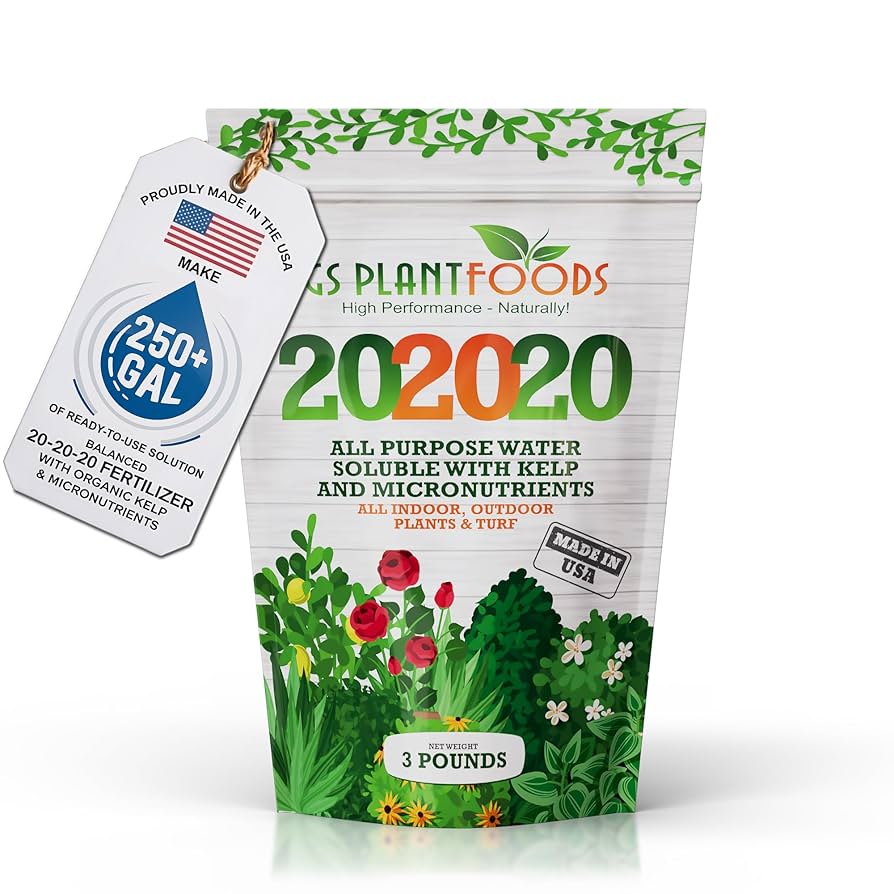
Have you ever wondered what really helps your plants grow strong and healthy? Understanding what plant food is can be the key to transforming your garden or indoor plants.
Whether you’re a beginner or someone looking to improve your green thumb, knowing how plant food works will make your efforts more effective. You’ll discover exactly what plant food is, why your plants need it, and how it can make a noticeable difference in their growth.
Keep reading to unlock the secret to thriving plants right at your fingertips!
Key Plant Nutrients
Plants need nutrients to grow strong and healthy. These nutrients come from the soil and help plants make food.
Nutrients are divided into two main groups: macronutrients and micronutrients. Each group plays a special role in plant growth.
Macronutrients
Macronutrients are nutrients that plants need in large amounts. They help plants build leaves, stems, and roots.
- Nitrogen (N):Helps plants grow leaves and makes them green.
- Phosphorus (P):Supports root growth and flower development.
- Potassium (K):Helps plants resist diseases and improves fruit quality.
- Calcium (Ca):Strengthens cell walls and helps new cells grow.
- Magnesium (Mg):Important for photosynthesis, the process plants use to make food.
- Sulfur (S):Helps build proteins and enzymes.
Micronutrients
Micronutrients are needed in smaller amounts. They help with many plant functions and keep plants healthy.
| Micronutrient | Function |
| Iron (Fe) | Helps make chlorophyll for green leaves |
| Manganese (Mn) | Aids in photosynthesis and nitrogen use |
| Boron (B) | Supports cell wall formation and seed growth |
| Zinc (Zn) | Helps enzymes work properly |
| Copper (Cu) | Important for photosynthesis and respiration |
| Molybdenum (Mo) | Helps plants use nitrogen |
| Chlorine (Cl) | Involved in water movement and photosynthesis |
Role Of Nitrogen
Nitrogen is a key nutrient for plant growth. It helps plants make proteins and chlorophyll.
Without enough nitrogen, plants grow slowly and look pale or yellow.
Why Nitrogen Is Important
Nitrogen is part of many essential molecules in plants. It supports leaf growth and photosynthesis.
How Plants Get Nitrogen
Plants get nitrogen from the soil in forms like nitrate and ammonium. They absorb it through their roots.
Signs Of Nitrogen Deficiency
- Yellowing leaves, especially older ones
- Slow or stunted growth
- Reduced leaf size
- Poor crop yields
Nitrogen In Plant Food
| Type of Fertilizer | Nitrogen Content (%) | Use |
| Urea | 46 | Common fast-release nitrogen source |
| Ammonium Nitrate | 34 | Quick nitrogen supply for plants |
| Compost | 1-3 | Slow-release, improves soil health |
| Manure | 0.5-2 | Natural source, adds organic matter |
How Nitrogen Affects Plant Growth
Nitrogen helps plants grow strong stems and leaves.
Too little nitrogen causes weak plants. Too much causes leafy growth but fewer fruits.
Importance Of Phosphorus
Phosphorus is a vital nutrient for plants. It helps them grow strong roots and produce flowers and fruits.
Without enough phosphorus, plants may not develop properly. This nutrient supports many functions inside the plant.
Role Of Phosphorus In Plant Growth
Phosphorus helps plants make energy. It is part of the molecules that store and transfer energy in cells.
This nutrient also supports the development of roots and seeds. It helps plants build strong stems and leaves.
Sources Of Phosphorus In Plant Food
Phosphorus comes from the soil and fertilizers. Plants absorb it through their roots in the form of phosphate.
- Natural sources include bone meal and rock phosphate.
- Commercial fertilizers often contain phosphate compounds.
- Organic matter in soil releases phosphorus as it breaks down.
Signs Of Phosphorus Deficiency
Plants lacking phosphorus may have dark green or purplish leaves. Growth slows down and fruit production drops.
| Symptom | Description |
| Leaf Color | Dark green or purple tint |
| Growth | Slow and weak development |
| Root System | Poor root growth |
| Flowering | Reduced flower and fruit production |
Function Of Potassium
Potassium is an essential nutrient for plants. It helps them grow strong and healthy.
This mineral supports many processes inside the plant. It keeps the plant cells working well.
Role In Water Regulation
Potassium controls water movement in plant cells. It opens and closes tiny pores called stomata.
These pores let water vapor out and carbon dioxide in. This helps the plant breathe and stay hydrated.
Support For Enzyme Activation
Potassium activates many enzymes inside plants. These enzymes help make energy and build plant parts.
- Boosts photosynthesis
- Helps produce proteins
- Aids in starch formation
Improvement Of Disease Resistance
Potassium strengthens plant cell walls. Strong walls make plants less likely to get sick.
It also helps plants recover faster from damage caused by pests or weather.
Potassium Levels In Different Plants
| Plant Type | Potassium Content (%) |
| Leafy Vegetables | 1.5 – 3.0 |
| Fruits | 1.0 – 2.5 |
| Grains | 0.5 – 2.0 |
| Root Crops | 1.2 – 2.8 |
Secondary Nutrients In Plant Growth
Plants need many nutrients to grow well. Secondary nutrients are important for strong plants. They help plants build cells and stay healthy.
These nutrients include calcium, magnesium, and sulfur. Each one has a special job in plant growth and development.
Calcium
Calcium helps build strong cell walls. It supports the structure of plants and helps roots grow well. Without enough calcium, plants may have weak stems and poor fruit quality.
Magnesium
Magnesium is a key part of chlorophyll. Chlorophyll lets plants make food from sunlight. Plants need magnesium for photosynthesis and energy production.
- Helps plants turn sunlight into energy
- Aids in enzyme function
- Supports growth and leaf development
Sulfur
Sulfur helps plants make proteins and vitamins. It supports enzyme activities and helps plants resist diseases. Sulfur also improves seed and fruit quality.
| Nutrient | Main Role | Plant Benefit |
| Calcium | Builds cell walls | Strong stems and roots |
| Magnesium | Part of chlorophyll | Food production and energy |
| Sulfur | Protein and vitamin formation | Better growth and disease resistance |

Credit: palmerfeed.com
Trace Elements And Their Impact
Trace elements are tiny amounts of minerals that plants need to grow well.
These elements help plants develop strong roots, leaves, and flowers.
Iron
Iron helps plants make chlorophyll, which gives leaves their green color.
Without enough iron, plants look pale and may stop growing.
Manganese
Manganese helps plants make food through photosynthesis.
- It supports enzyme activity.
- It helps protect plants from disease.
- It aids in nitrogen use.
Zinc
Zinc helps plants grow by making important proteins and hormones.
It also helps seeds form and improves fruit quality.
Copper
Copper helps plants build strong cell walls and fight diseases.
It also helps with seed production and root metabolism.
Boron
| Function | Effect on Plants |
| Cell wall formation | Supports plant structure and strength |
| Pollination | Improves flower and fruit development |
| Sugar transport | Aids energy movement in plants |
Without enough boron, plants may have poor growth and low yields.
Molybdenum
Molybdenum helps plants use nitrogen from the soil.
This element is vital for enzyme function and protein production.
Organic Vs Synthetic Plant Food
Plant food helps plants grow strong and healthy. It provides essential nutrients to the soil. There are two main types: organic and synthetic plant food.
Organic plant food comes from natural sources. Synthetic plant food is made with chemicals in factories. Both have different effects on plants and soil.
Benefits Of Organic Fertilizers
Organic fertilizers improve soil quality over time. They release nutrients slowly, feeding plants for longer. Organic options support natural soil life.
They reduce the risk of chemical buildup in the soil. Organic fertilizers also help keep water clean by lowering runoff pollution.
- Improves soil structure and fertility
- Feeds plants gradually and evenly
- Supports beneficial microbes and earthworms
- Less risk of burning plants
- Environmentally friendly and sustainable
Advantages Of Synthetic Fertilizers
Synthetic fertilizers provide nutrients quickly to plants. They are easy to use and have precise nutrient amounts. This helps plants grow fast when needed.
They are often less bulky and cheaper than organic options. Synthetic fertilizers allow farmers to feed large fields efficiently.
- Fast nutrient availability for plants
- Easy to measure and apply
- Higher nutrient concentration
- Cost-effective for large farms
- Improves crop yields in the short term
Signs Of Nutrient Deficiencies
Plants need nutrients to grow healthy and strong. Without enough nutrients, they show signs of stress. These signs help you know what your plant lacks.
Recognizing these signs early can save your plants. Different nutrients cause different symptoms when missing.
Yellowing Leaves (nitrogen Deficiency)
Leaves turn yellow starting from the older ones. This happens because nitrogen moves to new growth first. The plant lacks nitrogen for healthy leaves.
Yellow leaves look pale and weak. The plant grows slowly and may have fewer flowers or fruits.
Stunted Growth (phosphorus Deficiency)
Plants with phosphorus deficiency grow smaller than normal. They look weak and do not develop well.
Leaves may have a dark green or purple tint. Roots also stay short and thin, affecting water and nutrient uptake.
Leaf Edges Turn Brown (potassium Deficiency)
When potassium is low, leaf edges turn brown and dry. Leaves may curl or look burned at the tips.
Potassium helps plants resist diseases and manage water. Deficiency makes plants weak and less productive.
Interveinal Chlorosis (magnesium Deficiency)
Magnesium deficiency causes yellowing between leaf veins. Veins stay green while the rest of the leaf turns yellow.
This usually starts on older leaves. Magnesium is important for photosynthesis and energy.
New Leaves Are Distorted (calcium Deficiency)
Calcium deficiency shows in young leaves first. Leaves may be twisted, deformed, or have dead spots.
Calcium is vital for cell walls and growth. Without it, new plant parts do not develop well.
Purple Or Reddish Leaves (phosphorus Deficiency)
Leaves turn purple or reddish, especially on the underside. This color change often means the plant lacks phosphorus.
Phosphorus helps with energy and root growth. Deficiency slows plant development and reduces yield.
Choosing The Right Plant Food
Plant food helps plants grow healthy and strong. Choosing the right type depends on many factors. Good plant food gives the right nutrients at the right time.
Knowing what your plants need will save money and improve growth. Two key ideas help you pick the best plant food: soil testing and matching nutrients to plant needs.
Soil Testing
Soil testing checks what is already in your soil. It tells you which nutrients are low or high. This helps avoid adding too much or too little fertilizer.
- Take a soil sample from your garden or pot.
- Send it to a lab or use a home test kit.
- Check pH level and nutrient amounts.
- Use results to choose the right plant food.
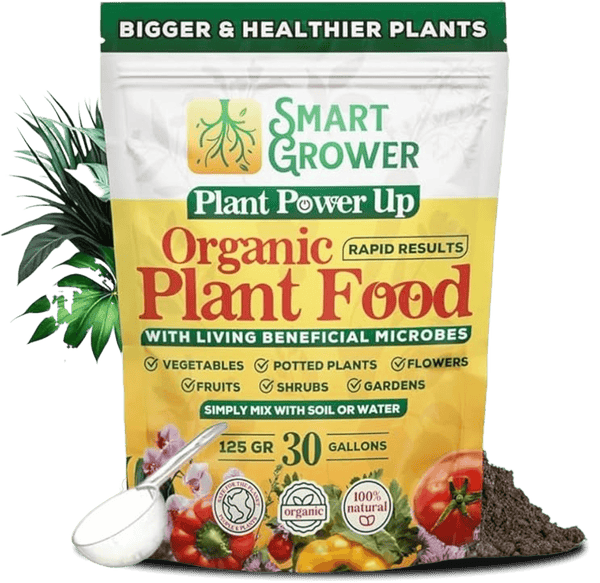
Matching Nutrients To Plant Needs
Different plants need different nutrients. Some plants need more nitrogen, others need more phosphorus or potassium. Use the soil test to match nutrients with plant needs.
| Nutrient | Plant Benefit | Common Sources |
| Nitrogen (N) | Leaf growth and green color | Blood meal, urea |
| Phosphorus (P) | Root and flower development | Bone meal, rock phosphate |
| Potassium (K) | Overall plant health and disease resistance | Potash, wood ash |
Credit: smartgrower.com
Application Tips For Best Results
Using plant food correctly helps plants grow strong and healthy. Knowing when and how to apply it makes a big difference.
Follow these simple tips to get the most from your plant food and keep your garden thriving.
Timing And Frequency
Apply plant food at the right time for the best effect. Too much or too little can harm plants.
- Feed plants early in the morning or late in the afternoon.
- Apply plant food every 2 to 4 weeks during the growing season.
- Reduce feeding during cooler months or when plants are dormant.
- Follow label instructions for specific plants and formulas.
Methods Of Application
Choose the right way to apply plant food based on your plant type and soil condition.
| Method | Description | Best Use |
|---|---|---|
| Soil Application | Spread granules or pellets around the base of plants. | For trees, shrubs, and garden beds. |
| Liquid Feeding | Mix plant food with water and apply to soil or leaves. | For quick nutrient boost and indoor plants. |
| Foliar Spray | Spray diluted fertilizer directly on leaves. | For fast absorption and correcting deficiencies. |
| Slow-Release | Use capsules or spikes that release nutrients over time. | For long-term feeding with less frequent applications. |

Credit: www.amazon.com
Frequently Asked Questions
What Is Plant Food Made Of?
Plant food is made of essential nutrients that plants need for growth. It typically contains nitrogen, phosphorus, and potassium. These nutrients help in root development, flowering, and fruit production. Some plant foods also contain trace elements like iron and magnesium.
They support overall plant health and vitality.
How Do You Use Plant Food?
To use plant food, mix it with water according to package instructions. Apply the solution to the soil around the plant’s base. Avoid getting it on the leaves. Use plant food during the growing season for best results. Always follow the recommended application frequency for optimal plant health.
Is Plant Food Safe For All Plants?
Most plant foods are safe for a wide range of plants. However, some specific formulations cater to particular plant types. Always check the label to ensure compatibility. Over-fertilizing can harm plants, so use the recommended amount. If in doubt, consult with a gardening expert for advice.
How Often Should You Feed Plants?
Feeding frequency depends on plant type and growth stage. Generally, feed every two to four weeks during active growth. Some plants might require more frequent feeding. Always follow the instructions on the plant food package. Adjust feeding schedules based on plant response and seasonal changes.
Conclusion
Plant food helps plants grow strong and healthy. It gives them the nutrients they need daily. Without plant food, plants may become weak or stop growing. Choosing the right plant food can improve soil quality too. This supports better water retention and root health.
Regular feeding keeps plants vibrant and full of life. Remember, healthy plants brighten gardens and improve air quality. Understanding plant food is key for any gardener. It makes gardening easier and more rewarding. Keep feeding your plants well for the best results.
Simple care leads to beautiful growth.