Have you ever wondered what makes your plastic cutting board so durable and easy to clean? Knowing what your cutting board is made of can help you choose the right one for your kitchen and keep it safe for your family.
You’ll discover the materials behind plastic cutting boards, why they matter, and how they affect your cooking experience. Stick with us, and you’ll never look at your cutting board the same way again.
Common Plastics Used
Plastic cutting boards are made from different types of plastics. Each type has unique properties that make it good for kitchen use.
These plastics are safe, durable, and easy to clean. They help keep your cutting board in good shape for a long time.
Polyethylene Varieties
Polyethylene is the most common plastic for cutting boards. It comes in two main types: high-density (HDPE) and low-density (LDPE).
HDPE is tough and resists cuts and scratches. LDPE is softer and less common for cutting boards.
- HDPE is strong and durable
- It resists moisture and stains
- Safe for food contact
- Easy to clean and sanitize
Polypropylene Features
Polypropylene is another plastic used in cutting boards. It is lightweight and has good resistance to chemicals.
This plastic is also heat resistant. It does not absorb water, which helps prevent bacteria growth.
- Lightweight and strong
- Resists heat up to about 160°C (320°F)
- Does not absorb moisture
- Easy to clean and maintain
Polycarbonate Benefits
Polycarbonate is a clear, hard plastic sometimes used for cutting boards. It is very tough and impact resistant.
This plastic handles heavy use well. It resists cracks and can last a long time with proper care.
- Highly durable and strong
- Resists impact and cracking
- Can be transparent or colored
- Easy to clean but may scratch more

Credit: www.ebay.com
Recycled Materials In Boards
Plastic cutting boards are often made from recycled materials. These materials help reduce waste and use less new plastic. Using recycled plastic is a smart choice for making cutting boards.
Recycled plastics come from many sources. They can be cleaned and melted to form new, strong cutting boards. This process saves resources and lowers pollution.
Post-consumer Plastics
Post-consumer plastics come from products that people have used and thrown away. These plastics are collected, sorted, and cleaned before being reused. Cutting boards made from these plastics help keep trash out of landfills.
- Plastic bottles
- Packaging materials
- Old containers
- Discarded household items
Environmental Impact
| Benefit | Description |
| Less Plastic Waste | Recycling reduces plastic in landfills and oceans. |
| Energy Saving | Making boards from recycled plastic uses less energy. |
| Lower Emissions | Recycling plastics produces fewer greenhouse gases. |
| Resource Conservation | Less need for new raw materials like oil. |
Using recycled plastics in cutting boards supports a cleaner environment. It also promotes a circular economy where materials get reused many times.
Additives And Enhancements
Plastic cutting boards contain several additives to improve their use and safety. These additives help the board last longer and keep food safe.
Additives also affect the look and feel of the cutting board. They make it easier to clean and more pleasant to use.
Antimicrobial Agents
Antimicrobial agents are added to plastic cutting boards to stop bacteria growth. This helps reduce the risk of food contamination.
These agents are mixed into the plastic during manufacturing. They keep the surface cleaner between washes.
Colorants And Dyes
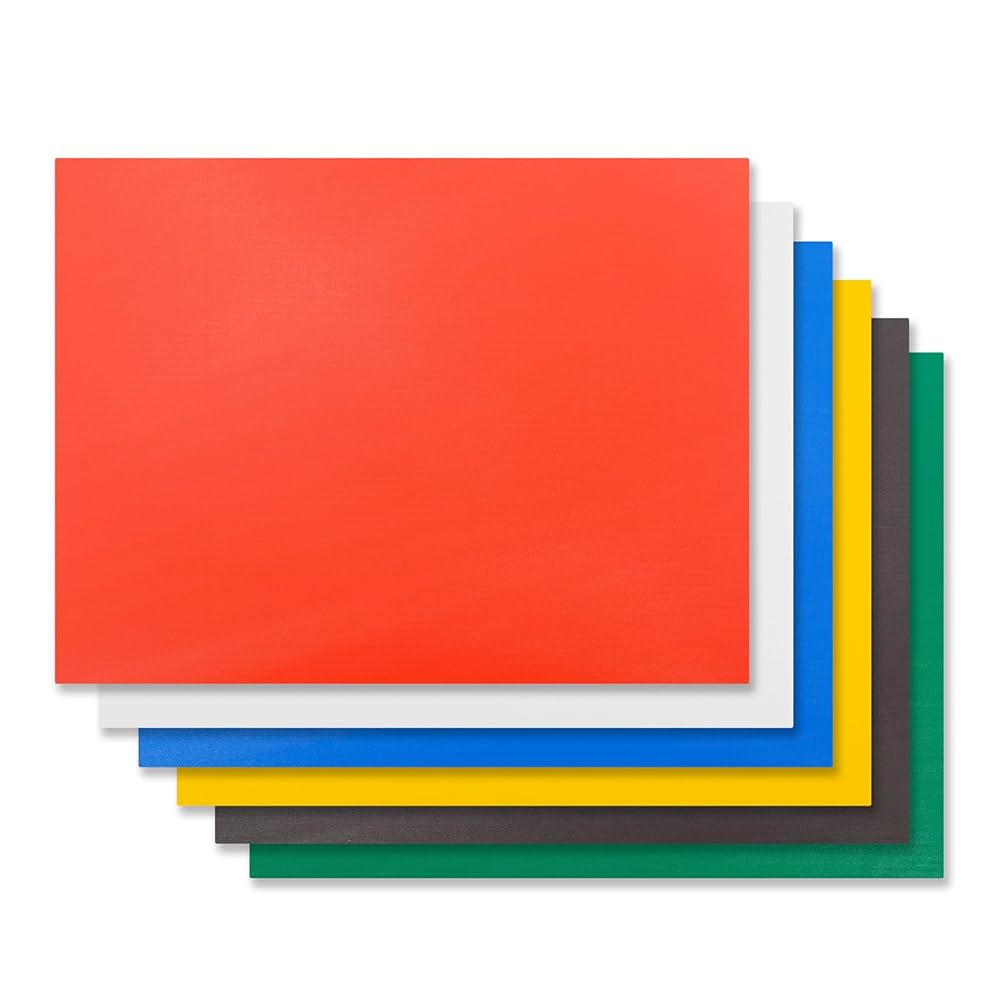
Colorants and dyes give plastic cutting boards different colors. This helps users separate boards for different food types.
- Red for raw meat
- Green for vegetables
- Blue for fish
- Yellow for cooked foods
Texture Modifiers
Texture modifiers change the surface feel of the cutting board. They can make the board smoother or add grip to stop slipping.
| Modifier | Effect | Benefit |
|---|---|---|
| Plasticizers | Increase flexibility | Prevents cracking and breaking |
| Fillers | Add roughness | Improves knife grip |
| Coatings | Smooth surface | Easier to clean |

Credit: www.amazon.com
Comparing Plastic To Other Materials
Plastic cutting boards are common in kitchens. They are often compared to other materials like wood, glass, and bamboo. Each material has its own benefits and downsides.
This comparison helps you choose the right cutting board for your needs. We will look at wood versus plastic, and also glass and bamboo alternatives.
Wood Vs Plastic
Wood cutting boards are made from different types of hardwood. Plastic boards are usually made from polyethylene or polypropylene. Both have pros and cons.
| Feature | Wood | Plastic |
| Durability | Long-lasting but can crack | Resists cracking, may wear |
| Knife-friendliness | Gentle on knives | Can dull knives faster |
| Cleaning | Needs careful cleaning to avoid damage | Dishwasher safe and easy to clean |
| Bacteria Resistance | Natural antimicrobial properties | Non-porous but can get scratched |
| Cost | Usually more expensive | Generally less expensive |
Glass And Bamboo Alternatives
Glass and bamboo cutting boards offer other choices. They have unique features different from wood and plastic.
- Glass:Very easy to clean and does not absorb odors. It can dull knives quickly and may break if dropped.
- Bamboo:Harder than wood, eco-friendly, and resistant to water. It can be rough on knives and needs regular oiling.
Health And Safety Considerations
Plastic cutting boards are popular in kitchens because they are easy to clean. It is important to know what they are made of for safety reasons.
Choosing the right plastic helps keep food safe and protects your health.
Food Safety Standards
Plastic cutting boards are often made from materials that meet food safety rules. These materials do not release harmful chemicals into food.
Many plastic boards are made from polyethylene or polypropylene. These plastics are safe for food contact and resist bacteria.
- They are BPA-free, which means no harmful chemicals leak.
- They meet FDA or other health agency standards.
- They can be cleaned in dishwashers to kill germs.
Durability And Knife Marks
Plastic cutting boards are strong and last long. They resist breaking and cracking under daily use.
Knife marks can form on plastic boards. These marks can hold bacteria if not cleaned well.
- Look for boards with high-density plastic for more durability.
- Replace boards if deep cuts appear to avoid germs.
- Clean boards thoroughly after each use to stay safe.

Credit: www.amazon.com
Frequently Asked Questions
What Materials Are Plastic Cutting Boards Made Of?
Plastic cutting boards are typically made from polyethylene or polypropylene. These materials are durable, non-porous, and resistant to moisture and bacteria, making them safe for food preparation.
Are Plastic Cutting Boards Safe For Food Preparation?
Yes, plastic cutting boards are safe when properly maintained. They are non-porous, easy to clean, and less likely to harbor bacteria compared to wooden boards.
How Durable Are Plastic Cutting Boards?
Plastic cutting boards are highly durable and resistant to knife marks. They can withstand heavy use and are less prone to cracking or warping over time.
Can Plastic Cutting Boards Be Sanitized Effectively?
Yes, plastic cutting boards can be sanitized with hot water and soap. They are also dishwasher safe, which helps kill bacteria efficiently.
Conclusion
Plastic cutting boards are versatile kitchen tools. They are often made from polyethylene or polypropylene. These materials are durable and easy to clean. Many choose plastic boards for their affordability. They also come in various colors and sizes. This helps avoid cross-contamination in kitchens.
Always ensure your board is safe for food use. Clean it regularly to prevent bacteria buildup. Selecting the right board enhances kitchen safety. It also extends the life of your kitchen tools. So, next time, consider your needs and choose wisely.
Happy cooking with your plastic cutting board!