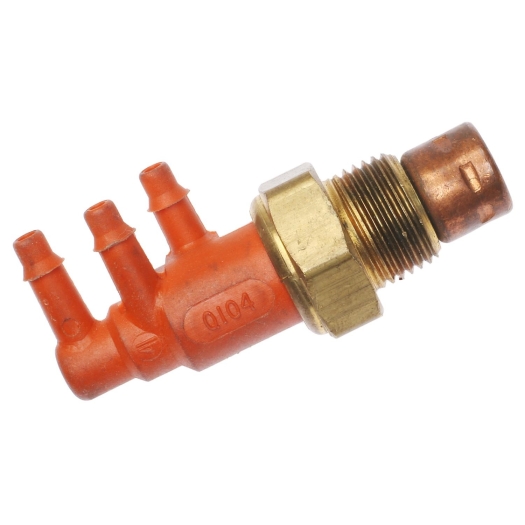
Have you ever wondered what makes your car’s engine run smoothly and efficiently? One key component that often goes unnoticed is the ported vacuum.
Understanding what a ported vacuum is and how it functions can significantly enhance your knowledge of vehicle mechanics, and may even save you money on repairs. By diving into the world of ported vacuums, you’ll discover how this small yet powerful mechanism plays a crucial role in optimizing engine performance and fuel efficiency.
Stay with us as we unravel the mysteries of ported vacuum and empower you with insights that could transform the way you maintain your vehicle. Curious? Let’s get started!
Credit: forum.ih8mud.com
Ported Vacuum Basics
Understanding the basics of ported vacuum is key if you want to optimize your vehicle’s performance or simply grasp how your car’s engine management system works. Ported vacuum plays a critical role in controlling various engine functions, particularly in carbureted and some fuel-injected engines. Knowing how it operates can help you troubleshoot issues or make smarter upgrades.
How Ported Vacuum Works
Ported vacuum taps into the intake manifold but only after the throttle valve starts to open. This means it provides vacuum pressure when the engine is under partial load, not at idle.
When you press the gas pedal, the throttle opens, allowing air to flow into the engine. The ported vacuum line senses this change and sends a vacuum signal to different parts like the distributor advance or emissions controls. This helps the engine adjust timing and fuel delivery for better efficiency and power.
Imagine driving in city traffic versus cruising on a highway. Ported vacuum gives feedback during acceleration but not when the engine is idling, which helps maintain smoother operation and fuel economy.
Difference Between Ported And Manifold Vacuum
| Feature | Ported Vacuum | Manifold Vacuum |
|---|---|---|
| Location of Vacuum Source | Just above the throttle plate | Directly in the intake manifold, below throttle plate |
| Vacuum at Idle | No vacuum or very low vacuum | High vacuum present |
| Signal Timing | Active only when throttle opens | Active all the time, including idle |
| Common Uses | Ignition timing advance, emissions controls | Fuel pressure regulators, brake boosters |
Would you want your engine to adjust timing even when it’s just idling? That’s why ported vacuum is designed to engage only under specific conditions, avoiding unnecessary changes when the engine is at rest. Knowing the difference helps you decide which vacuum line to connect for your needs.

Credit: www.amazon.com
Role In Engine Performance
The role of ported vacuum in engine performance is more significant than many realize. It directly influences how your engine breathes and reacts under different conditions. Understanding this can help you optimize your vehicle’s efficiency and power output in practical ways.
Impact On Fuel Efficiency
Ported vacuum controls the amount of air pressure reaching the carburetor or throttle body. This affects how much fuel your engine injects during idle and low-speed conditions.
If the vacuum signal is too strong or too weak, your engine might burn more fuel than necessary. Adjusting ported vacuum correctly can help you get better mileage by ensuring the air-fuel mix is just right.
Think about the last time you noticed your car’s fuel economy dipping without an obvious cause. Could improper vacuum timing be the hidden culprit?
Effect On Ignition Timing
Ignition timing depends heavily on vacuum signals, including those from the ported vacuum source. It tells the ignition system when to fire the spark plugs for optimal combustion.
When ported vacuum is routed correctly, it helps prevent premature or delayed ignition timing. This leads to smoother engine operation and improved power delivery.
Have you ever experienced knocking or rough idling? These issues often trace back to incorrect vacuum signals affecting ignition timing. Fine-tuning ported vacuum can reduce these problems and enhance overall engine responsiveness.
Common Applications
Ported vacuum plays a key role in many automotive systems. It controls air and fuel mixture and timing. Its use helps engines run smoother and more efficiently. Understanding common applications clarifies its importance in vehicle performance.
Use In Carbureted Engines
Ported vacuum is common in carbureted engines. It comes from above the throttle plate, not below. This means vacuum signal changes with throttle position. At idle, vacuum is low, reducing fuel draw. When you open the throttle, vacuum rises, increasing fuel flow.
This setup improves fuel economy by reducing fuel at idle. It also prevents engine stalling during low speed. Ported vacuum helps keep the air-fuel mix balanced. This balance is crucial for older engines using carburetors.
Integration With Vacuum Advance Systems
Ported vacuum connects to vacuum advance units in distributors. These units adjust ignition timing based on engine load. When the throttle opens, ported vacuum rises, advancing timing. This leads to better combustion and power output.
Using ported vacuum in advance systems reduces emissions. It also improves fuel efficiency at partial throttle. The system reacts quickly to throttle changes. This keeps engine performance smooth and responsive.
Credit: forum.ih8mud.com
Benefits And Drawbacks
Ported vacuum offers distinct benefits and some drawbacks. Understanding these helps in deciding its suitability for your engine setup. This section breaks down the main advantages and potential limitations.
Advantages Of Ported Vacuum
- Improves engine performance at higher RPMs by timing fuel delivery better.
- Reduces emissions by optimizing air-fuel mixture during throttle opening.
- Prevents engine stalling at idle by limiting vacuum at low speeds.
- Enhances throttle response with more precise control of the carburetor or fuel injection.
- Helps in maintaining smoother engine operation during acceleration.
Potential Limitations
- Less vacuum signal at idle can cause delayed idle adjustments.
- Not ideal for engines that need strong vacuum at low RPMs.
- Requires proper tuning to avoid poor fuel mixture and rough idling.
- May not work well with certain emissions control systems.
- Installation can be complex for beginners without mechanical experience.
Troubleshooting Ported Vacuum Issues
Troubleshooting ported vacuum issues requires careful observation and simple tests. Ported vacuum problems affect engine performance and fuel efficiency. Identifying these problems early can save time and money. Understanding common symptoms helps pinpoint the root cause quickly.
Identifying Vacuum Leaks
Vacuum leaks cause rough idling and poor acceleration. Listen for hissing sounds near the intake manifold. Use a spray of soapy water or carb cleaner around vacuum lines and fittings. If the engine speed changes, there is likely a leak. Check all hoses for cracks, splits, or loose connections. Replace any damaged hoses immediately to restore proper vacuum pressure.
Diagnosing Performance Problems
Ported vacuum issues often cause hesitation or stalling during acceleration. Check the vacuum source with a gauge to ensure steady pressure. Low or no vacuum indicates a blockage or faulty component. Inspect the carburetor or throttle body for dirt or wear. Clean or replace parts as needed to restore smooth engine function. Watch for high fuel consumption or black smoke from the exhaust, signs of an incorrect vacuum signal.
Upgrading For Better Performance
Upgrading your ported vacuum setup can significantly enhance your engine’s performance. It requires more than just swapping parts—you need to understand the vacuum source and how to fine-tune the system for your specific needs. Getting this right can improve throttle response, boost power delivery, and make your ride feel smoother overall.
Selecting The Right Vacuum Source
Choosing the correct vacuum source is crucial for a ported vacuum system. You want a source that activates at the right engine speed and load to optimize fuel delivery and ignition timing.
Many enthusiasts overlook this and use the manifold vacuum instead, which is always under vacuum. Ported vacuum only has vacuum above idle, so it better matches the engine’s actual demand.
Think about your engine’s characteristics: Does it idle smoothly? Does it respond quickly when you press the gas? These questions help you decide if the source is working well or needs adjustment.
Tuning Tips For Optimal Results
Tuning a ported vacuum system is not a one-size-fits-all deal. It often takes trial and error to balance fuel mixture and timing for smooth performance.
Start by checking your spark advance curves and fuel delivery during different RPM ranges. Adjust the vacuum advance canister and carburetor settings accordingly.
- Monitor engine response closely—listen for hesitation or bogging.
- Use a vacuum gauge to ensure consistent vacuum signals.
- Make small changes and test drive to feel the difference.
Have you experimented with different vacuum sources or tuning adjustments before? Sometimes, a minor tweak can dramatically change how your engine breathes and performs.
Frequently Asked Questions
What Is Ported Vacuum In Automotive Terms?
Ported vacuum refers to a vacuum source tapped above the throttle plate. It activates at part-throttle, reducing vacuum advance during idle and low load.
How Does Ported Vacuum Affect Engine Performance?
Ported vacuum delays vacuum advance until throttle opens. This improves idle stability and reduces engine knock under light loads, enhancing efficiency.
Why Choose Ported Vacuum Over Manifold Vacuum?
Ported vacuum avoids full vacuum at idle, preventing excessive timing advance. It offers smoother idle and better drivability compared to manifold vacuum.
Where Is Ported Vacuum Typically Used?
Ported vacuum is commonly used in distributor vacuum advance systems. It optimizes ignition timing based on throttle position for better fuel economy.
Conclusion
Ported vacuum helps control engine performance and efficiency. It uses vacuum signals from the carburetor to adjust fuel flow. This system improves how the engine reacts during acceleration. Understanding ported vacuum can help you maintain your vehicle better. It plays a key role in smooth engine operation.
Keep an eye on vacuum lines to avoid problems. Simple knowledge of ported vacuum supports smarter car care.