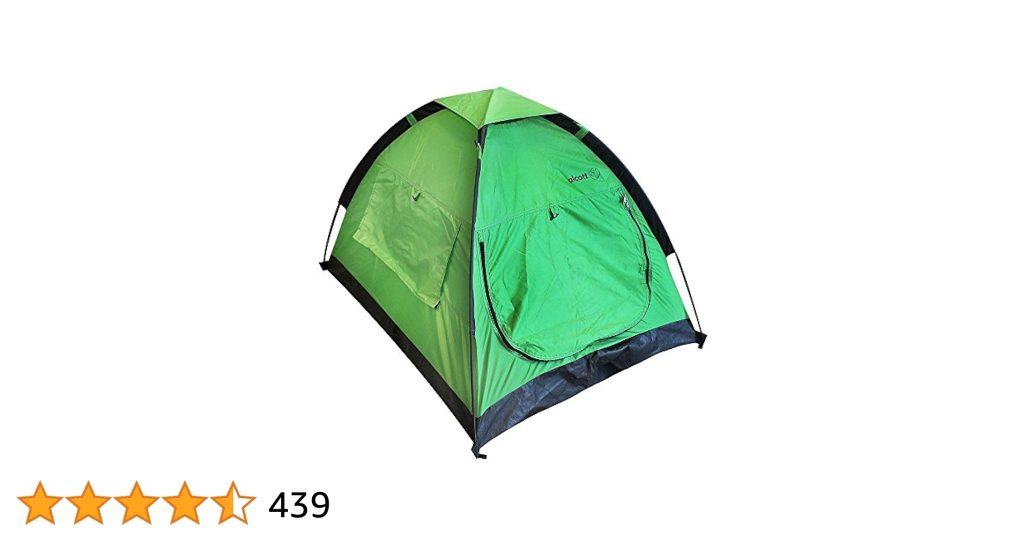
Have you ever wondered what a pup tent is and why it might be the perfect gear for your next outdoor trip? Whether you’re a seasoned camper or just starting to explore the world of camping, understanding pup tents can change the way you experience nature.
This simple, lightweight shelter might be exactly what you need for quick setup and cozy protection. Keep reading to discover what makes pup tents unique and how they can make your camping adventures easier and more enjoyable.
Pup Tent Basics
A pup tent is a small, simple tent. It is easy to carry and set up. People often use it for camping or hiking.
Pup tents are made to fit two people or less. They protect from rain and wind but are lightweight.
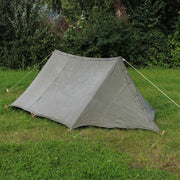
Pup tents have a basic design with two poles and a canvas or nylon cover. The poles form a triangle shape at each end.
This shape creates a small shelter with enough space to sleep inside. The front and back usually open for air and entry.
Materials Used
Traditional pup tents use canvas, which is strong and durable. Modern versions often use lightweight nylon or polyester.
The poles are usually made of metal or fiberglass. These materials keep the tent stable and easy to carry.
Common Uses
Pup tents are popular for short trips or military use. They offer quick shelter and easy packing.
- Camping trips with small groups
- Hiking or backpacking trips
- Military and scout activities
Advantages And Disadvantages
Pup tents are light and simple, making them easy to carry and set up. They work well in mild weather.
They are small inside, so they may not fit many people. They also offer less protection in bad weather.
- Lightweight and portable
- Quick to set up and take down
- Limited space inside
- Less weather protection than larger tents
History Of Pup Tents
Pup tents are small, simple tents used for shelter. They have been used by soldiers and campers for many years.
The design is easy to set up and carry. It offers quick protection in the outdoors.
Origins Of The Pup Tent
The pup tent first appeared during the 19th century. Soldiers needed light, portable shelters on the battlefield.
These tents were small and simple, making them easy to carry in packs. They helped soldiers rest while on the move.
Use In Military History
Pup tents became popular during the American Civil War. Both sides used them for camping and protection.
The tents were light and could fit two soldiers. They were practical for quick camping during campaigns.
- Easy to carry in backpacks
- Set up quickly in the field
- Protected soldiers from weather
Design Evolution Over Time
The design of pup tents changed little over the years. They kept the simple A-frame shape for ease of use.
Materials improved with time. Early tents used canvas, while modern ones use lightweight fabrics.
- Canvas was common in the 1800s
- Lightweight nylon used today
- Poles evolved from wood to metal
Design And Structure
A pup tent is a small, simple shelter used for camping or outdoor activities. Its design focuses on being easy to set up and carry.
The structure usually consists of two poles and a fabric cover that forms a triangular shape. This makes it compact and stable.
Materials Used
Pup tents use materials that balance durability and weight. Common fabrics include canvas and nylon.
- Canvas: strong and water-resistant but heavier
- Nylon: lightweight and quick-drying
- Aluminum or steel poles for support
- Waterproof coatings to keep dry inside
Typical Size And Shape
Most pup tents have a triangular shape with two main poles forming an A-frame. They fit one or two people comfortably.
| Dimension | Range |
| Length | 6 to 8 feet |
| Width | 3 to 5 feet |
| Height | 3 to 4 feet |
Weight Considerations
Weight is key for pup tents because campers carry them. Materials and size affect how heavy the tent is.
- Fabric type and thickness
- Pole material (aluminum is lighter than steel)
- Additional features like waterproof layers
- Size of the tent
Advantages Of Pup Tents
Pup tents are small, lightweight shelters used outdoors. They offer many benefits for campers and hikers. These tents are simple and practical for short trips.
Below are some key advantages of using pup tents. They focus on how easy they are to carry, set up, and afford.
Portability
Pup tents are very light and compact. They fit easily into backpacks or carry bags. This makes them ideal for people who walk long distances or hike.
- Small size saves space
- Lightweight materials reduce carry weight
- Easy to transport on foot or by bike
- Fits into tight storage areas
Ease Of Setup
Pup tents are quick and simple to put up. They usually require only a few poles and stakes. This saves time and effort after a long day outdoors.
| Feature | Benefit |
| Few poles needed | Setup takes minutes |
| Simple design | Easy to learn |
| Lightweight stakes | Fast anchoring to ground |
Affordability
Pup tents cost less than many large tents. Their simple design uses fewer materials. This makes them budget-friendly for many users.
Reasons pup tents are affordable:
- Less fabric and hardware
- Lower shipping costs due to size
- Durable but economical materials
- Less maintenance needed
Comparing Pup Tents To Other Shelters
Pup tents are small, simple shelters often used by campers and soldiers. They offer basic protection from the weather. It helps to compare pup tents to other common shelters to see their strengths and weaknesses.
This guide looks at pup tents compared to dome tents, hammocks, and tarps. Each shelter type suits different needs and situations.
Pup Tents Vs. Dome Tents
Pup tents are small and lightweight. Dome tents are larger and more stable. Dome tents use flexible poles to create a rounded shape. Pup tents use simple poles or frames.
Dome tents protect better in wind and rain. Pup tents are easier to set up and carry. Dome tents offer more space and comfort for camping.
- Pup tents weigh less and pack smaller.
- Dome tents have more headroom and space.
- Dome tents resist bad weather better.
- Pup tents are faster to set up.
Pup Tents Vs. Hammocks
Pup tents sit on the ground. Hammocks hang between trees or poles. Hammocks keep you off wet or rocky ground. Pup tents offer more coverage and privacy.
Hammocks are lighter and cooler in hot weather. Pup tents give better protection from bugs and rain. Hammocks need strong trees nearby. Pup tents can be used anywhere flat.
- Pup tents protect from wind and rain well.
- Hammocks are comfortable in warm weather.
- Hammocks require trees or supports.
- Pup tents work on most surfaces.
Pup Tents Vs. Tarps
Pup tents are enclosed shelters with walls and a roof. Tarps are simple sheets that provide basic cover. Tarps are very light and flexible. Pup tents offer more protection from bugs and weather.
Tarps need ropes and trees or poles to set up. Pup tents come with poles and can stand alone. Tarps give more ventilation but less privacy. Pup tents block wind better.
- Pup tents provide full shelter with walls.
- Tarps are lighter and pack smaller.
- Tarps need other supports to set up.
- Pup tents protect better from insects.
Credit: starsnstripesco.com
Choosing The Right Pup Tent
A pup tent is a small, simple shelter used for camping and outdoor activities. Picking the right one helps you stay comfortable and safe outdoors.
Consider your needs, the weather, and space before choosing a pup tent. These factors will guide you to the best option.
Assessing Your Needs
Think about how you will use the pup tent. Are you camping alone or with a friend? Will you carry it on a hike or use it at a base camp?
Knowing your needs helps pick a tent with the right size, weight, and features for your trips.
Weather Considerations
Check the usual weather where you camp. Some pup tents handle rain and wind better than others. Some are made for dry, mild weather.
Choose a tent with good waterproofing and ventilation for rainy or hot climates. For cold weather, pick one with extra insulation.
- Waterproof fabric keeps you dry
- Strong poles resist wind
- Ventilation prevents inside moisture
- Extra insulation keeps warmth
Space Requirements
Think about how much space you need inside the tent. A pup tent is small but should fit you and your gear comfortably.
Check the tent’s floor size and height. Make sure you can sit, sleep, and store your items without crowding.
- Floor area fits you and gear
- Height allows sitting up
- Extra room for backpacks or shoes
Setting Up A Pup Tent
Setting up a pup tent is simple and quick. It offers basic shelter for camping or hiking trips. This guide helps you prepare and pitch your pup tent correctly.
Follow easy steps and avoid common errors to get the best use from your tent. Proper setup ensures comfort and safety outdoors.
Site Selection
Choose a flat area free of rocks and sticks. Avoid low spots where water can collect in rain. Look for natural windbreaks like bushes or trees.
Clear the ground of debris before pitching the tent. Check for overhead hazards such as dead branches. Good site choice keeps you dry and comfortable.
Step-by-step Setup
- Lay out the tent flat on the ground with the door facing your preferred direction.
- Assemble the tent poles and slide them through the sleeves or clip them to the tent body.
- Raise the tent by standing the poles upright and securing them at the corners.
- Stake down all corners tightly to keep the tent stable.
- Attach the rainfly if your tent has one, securing it with additional stakes or guy lines.
- Check that the tent is taut and firm before using it.
These steps make setup quick and ensure your pup tent stays secure in wind or rain.
Common Mistakes To Avoid
| Mistake | Problem | Fix |
|---|---|---|
| Choosing uneven ground | Uncomfortable sleep, water pooling | Find flat, clear area |
| Loose stakes | Tent moves or collapses in wind | Push stakes fully and angle them |
| Forgetting rainfly | Water enters tent during rain | Always attach rainfly before bad weather |
| Setting tent in low spots | Flooding risk | Pick higher ground |
| Improper pole assembly | Tent structure weak or fails | Follow pole instructions carefully |
Caring For Your Pup Tent
Taking good care of your pup tent keeps it safe and ready for use. Proper care extends the tent’s life and keeps it clean.
Learn how to clean, store, and repair your pup tent with simple steps. These tips help you enjoy your tent for many trips.
Cleaning Tips
After camping, clean your pup tent to remove dirt and grime. Use gentle cleaning methods to protect the fabric.
Do not use strong detergents or bleach. Instead, use mild soap and water for cleaning.
- Set up the tent in a clean area.
- Brush off loose dirt before washing.
- Use a soft cloth or sponge with mild soap.
- Rinse with clean water thoroughly.
- Air dry the tent completely before packing.
Storage Advice
Store your pup tent in a dry, cool place. Avoid damp areas to prevent mold and mildew growth.
Keep the tent loosely packed to protect the fabric and poles.
- Clean and dry the tent before storage.
- Fold or roll it loosely, not tightly.
- Use a breathable storage bag if possible.
- Avoid direct sunlight during storage.
- Check the tent regularly for any signs of damage.
Repairing Damages
Fix small tears or holes quickly to stop them from getting worse. Use patch kits made for tents.
Check poles and zippers too. Replace or repair broken parts to keep your pup tent working well.
- Clean the area around the damage before repair.
- Apply adhesive patches on both sides if possible.
- Use pole repair sleeves for broken poles.
- Lubricate zippers to keep them smooth.
- Seek professional repair for major damage.
Popular Pup Tent Brands
Pup tents are small, simple shelters used by campers and hikers. They offer quick setup and lightweight design. Many brands make pup tents with different features and prices.
Choosing the right pup tent depends on your budget and needs. Below are some popular brands grouped by price range.
Budget-friendly Options
These brands offer affordable pup tents that are easy to carry. They are good for casual camping and mild weather.
- Coleman – Known for sturdy and affordable tents.
- ALPS Mountaineering – Offers reliable tents for budget buyers.
- Kelty – Provides simple designs with decent weather protection.
- REI Co-op – Good quality tents at reasonable prices.
High-end Choices
These brands create premium pup tents with advanced materials. They suit serious campers and harsh conditions.
| Brand | Features | Price Range |
| MSR (Mountain Safety Research) | Lightweight, durable, weatherproof | High |
| Big Agnes | Innovative design, strong fabrics, easy setup | High |
| Hilleberg | All-season tents, excellent wind resistance | Very High |
| Black Diamond | Technical tents for backcountry use | High |
Credit: www.groomerpro.ee
Pup Tents For Different Activities
Pup tents are small, simple shelters that offer basic protection. They are easy to carry and set up.
These tents work well for many outdoor activities. Different uses may need different features.
Backpacking
Backpackers need tents that are lightweight and compact. Pup tents fit well in a backpack.
They provide shelter without adding much weight. They are good for short trips and mild weather.
Weekend Camping
For weekend camping, pup tents offer easy setup and enough space. They suit simple camping trips.
These tents protect from rain and bugs. They keep campers comfortable during short stays.
Emergency Shelter
Pup tents serve well as emergency shelters. They provide quick cover in case of bad weather.
They are easy to carry in a survival kit. Pup tents help keep people safe and dry.

Credit: www.youtube.com
Frequently Asked Questions
What Is A Pup Tent Used For?
A pup tent is a small, lightweight shelter designed for quick and easy setup. It’s ideal for camping, hiking, and military use. It provides basic protection from weather and insects, making it perfect for short stays or emergency situations.
How Big Is A Typical Pup Tent?
A typical pup tent measures about 6 feet long and 4 feet wide. It usually fits two people lying down. The compact size makes it easy to carry and set up in tight spaces.
What Materials Are Pup Tents Made From?
Pup tents are commonly made from durable nylon or canvas. These materials offer water resistance and breathability. The frame is often lightweight aluminum or fiberglass for easy transport.
Are Pup Tents Good For All Seasons?
Pup tents are best suited for mild weather conditions. They provide basic shelter but lack insulation for extreme cold. For winter camping, consider tents with better weatherproofing and thermal features.
Conclusion
A pup tent offers simple, easy shelter for outdoor use. It is small, light, and quick to set up. Many campers and hikers trust it for short trips. Its basic design keeps things practical and efficient. Knowing what a pup tent is helps you choose the right gear.
This small tent meets basic needs without extra weight. Perfect for those who want a no-fuss shelter. A pup tent stays useful for years with good care. Simple, reliable, and handy for outdoor adventures.