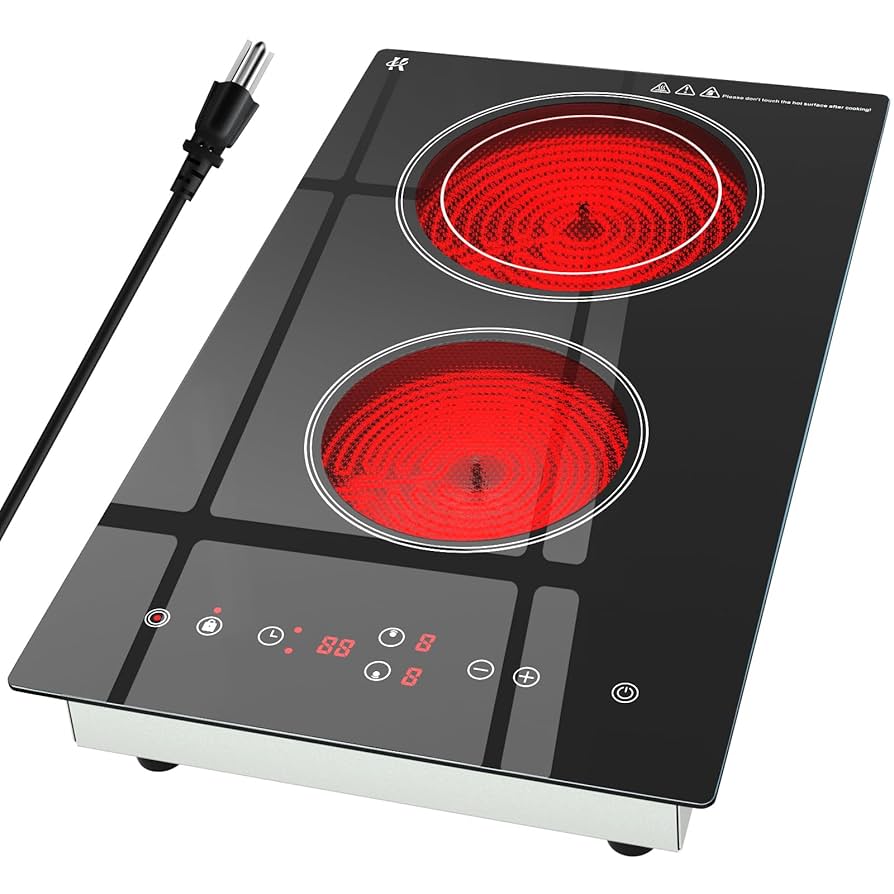
Imagine stepping into your kitchen and being greeted by a sleek, modern appliance that promises to revolutionize your cooking experience. That’s exactly what a radiant electric cooktop offers.
If you’ve been wondering what exactly a radiant electric cooktop is and how it can transform your culinary adventures, you’re in the right place. This article is tailored just for you, offering clarity and insights into this innovative kitchen essential.
Whether you’re a seasoned chef or someone who simply loves preparing meals for family and friends, understanding the benefits and features of a radiant electric cooktop can be a game-changer. Stick around to discover why this appliance might be the upgrade your kitchen truly deserves.
Radiant Electric Cooktop Basics
Understanding the basics of a radiant electric cooktop can help you decide if it’s the right fit for your kitchen. These cooktops offer a smooth surface and reliable heating, making cooking simpler and often more enjoyable. Let’s break down what makes radiant cooktops stand out and how they actually work.
How Radiant Cooktops Work
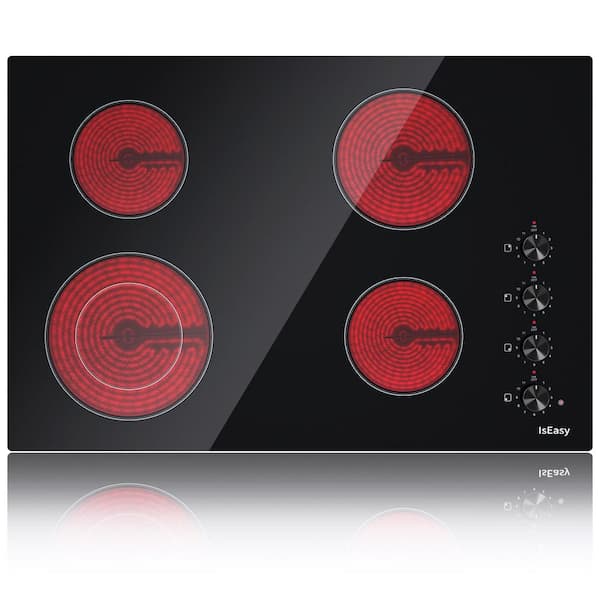
Radiant electric cooktops use heating elements hidden beneath a smooth glass or ceramic surface. When you turn them on, electricity flows through these elements, producing heat that transfers directly to your cookware.
This setup means the cooktop surface itself heats up, unlike induction cooktops that heat only the pot. Because of this, it’s important to use flat-bottomed pans for even heat distribution. Have you noticed how quickly your pan heats up on your current stove? Radiant cooktops offer a similar experience but with a sleeker look.
Key Features
- Smooth Surface:Easy to clean and gives your kitchen a modern look.
- Even Heating:Provides consistent heat across the cookware base.
- Control Precision:Allows you to adjust temperature in small increments for better cooking results.
- Safety Indicators:Many models show when the surface is still hot after use, preventing burns.
- Durability:The glass-ceramic surface resists scratches and stains when properly maintained.
Do you find it challenging to keep your current cooktop spotless? The smooth surface of radiant cooktops might be just what you need.
Types Of Radiant Elements
Not all radiant cooktop elements are the same. They come in a few varieties, each with unique benefits:
- Coil Elements:Traditional style hidden under the glass, offering reliable heat but slower to cool down.
- Halogen Elements:Use halogen bulbs to heat up quickly and cool faster, improving efficiency.
- Carbon Elements:Newer technology that heats evenly and responds quickly to temperature changes.
Have you ever experienced frustration waiting for your stove to heat or cool? Choosing the right type of radiant element can make a noticeable difference in your cooking routine.
Credit: www.homedepot.com
Advantages Of Radiant Electric Cooktops
Radiant electric cooktops offer several advantages that make them a popular choice in many kitchens. They combine functionality with style, providing an efficient cooking experience. Understanding their benefits helps you decide if this cooktop suits your needs.
Even Heat Distribution
Radiant cooktops heat the entire cooking surface evenly. This ensures food cooks uniformly without hot spots. The smooth surface quickly transfers heat to pots and pans. Consistent heat helps improve cooking results and reduces the chance of burning.
Sleek Design And Aesthetics
The cooktop features a smooth, glass-ceramic surface. It adds a modern and clean look to any kitchen. Its flat surface blends well with various countertop materials. This design also saves space and creates a streamlined appearance.
Ease Of Cleaning
The flat surface makes cleaning quick and simple. No burners or grates to remove or scrub. Spills wipe away easily with a damp cloth. This saves time and keeps the kitchen tidy.
Safety Features
Radiant cooktops include safety elements like residual heat indicators. These alerts warn if the surface is still hot after cooking. Many models have automatic shut-off functions. These features reduce accidents and enhance kitchen safety.
Choosing The Right Radiant Cooktop
Choosing the right radiant cooktop can make cooking easier and more enjoyable. It affects how fast you cook and how much space you have. Consider several key features to find a cooktop that fits your kitchen and cooking style perfectly.
Size And Cooking Zones
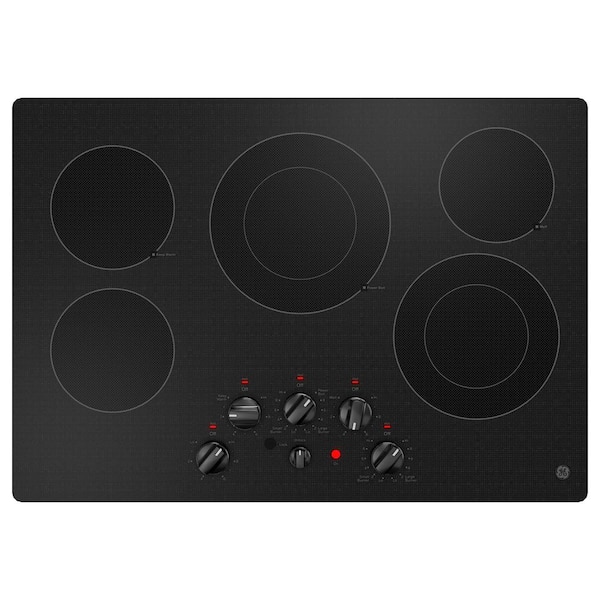
Check the cooktop size to fit your countertop space. Radiant cooktops come in various widths like 24, 30, and 36 inches. More cooking zones mean you can cook multiple dishes at once. Think about your usual cooking needs. A small family might need fewer zones. Larger families or those who cook a lot may want more zones.
Power And Efficiency
Power affects how quickly the cooktop heats up. Look for wattage ratings to compare models. Higher wattage means faster heating. Efficient cooktops use power well, saving energy and reducing bills. Some radiant cooktops have boosters to speed up heating for certain zones. This helps when you need to boil water quickly or start cooking fast.
Control Options
Controls should be easy to use and understand. Many radiant cooktops have touch controls or knobs. Touch controls offer a modern look and precise settings. Knobs provide tactile feedback and are simple to operate. Some models include smart features like timers and safety locks. Choose controls that match your comfort and convenience preferences.
Installation And Maintenance Tips
Installing and maintaining your radiant electric cooktop properly can save you from many headaches down the road. Taking the time to set it up right and keep it clean ensures it performs at its best and lasts longer. Have you ever wondered why some cooktops fail quickly while others seem to work flawlessly for years?
Proper Installation Guidelines
Start by checking the electrical requirements of your radiant cooktop. It must match the voltage and circuit specifications to avoid any electrical hazards.
Ensure the cooktop fits snugly into the countertop cutout. A loose fit can cause damage or uneven heating.
- Turn off power at the breaker before installation.
- Use a level to make sure the cooktop sits flat.
- Seal the edges with a heat-resistant sealant to prevent spills from seeping underneath.
Remember, improper installation can void your warranty and lead to costly repairs. If you’re unsure, hiring a professional electrician is a wise choice.
Routine Cleaning Techniques
Cleaning your radiant cooktop regularly helps keep it shiny and functioning well. Avoid harsh abrasives that can scratch the glass surface.
- Wipe spills immediately with a soft cloth and mild detergent.
- Use a cooktop scraper carefully to remove burnt-on food.
- Polish the surface with a specialized glass cooktop cleaner for extra shine.
Does your cooktop look dull despite cleaning? Sometimes mineral deposits from water can build up, so try using vinegar diluted in water for stubborn spots.
Troubleshooting Common Issues
Radiant cooktops are generally reliable but can face a few common problems. If a burner doesn’t heat, check if the control knob is properly set or if the circuit breaker has tripped.
Inconsistent heating may indicate a faulty element or wiring issue. Testing with a multimeter can help identify the problem, but be cautious if you’re not experienced with electrical components.
- Burner won’t turn on: Check power supply and control settings.
- Uneven heating: Inspect the heating element for damage.
- Surface scratches: Avoid abrasive cleaners and use protective cookware.
Have you tried resetting your cooktop by turning off the power for a few minutes? Sometimes a simple reset can fix minor glitches.
Cooking Tips For Radiant Cooktops
Cooking on a radiant electric cooktop can feel different from using traditional gas or coil stoves. To get the best results, you need to understand how heat transfers and which tools work best. These tips will help you cook smarter, save energy, and enjoy your meals more.
Best Cookware Choices
Choose cookware with flat, smooth bottoms. This ensures full contact with the cooktop, giving you even heating. Avoid warped or rounded pans—they can cause uneven cooking and longer heating times.
Materials like stainless steel, heavy-gauge aluminum, and cast iron work well. Glass and ceramic pans may not heat evenly and can sometimes stick to the surface. Have you noticed your food cooking unevenly? Your pan choice might be the reason.
Maximizing Energy Efficiency
Match your pan size to the burner size. Using a small pan on a large burner wastes energy and can cause heat loss. This simple step can cut down cooking time and electricity use.
Turn off the cooktop a few minutes before your food is fully cooked. The residual heat will finish the job without wasting power. Have you tried this yet? It’s a small trick that makes a big difference.
Cooking Techniques To Try
Try simmering at a lower heat setting than you might on gas. Radiant cooktops hold heat well, so gentle cooking prevents burning. Searing meat? Use medium-high heat to get a good crust without overheating the pan.
Experiment with covering your pots and pans. This traps heat and moisture, reducing cooking time. What dish could you cook faster with a lid on?

Credit: www.amazon.com
Comparing Radiant Cooktops With Other Types
Radiant electric cooktops are popular in many kitchens. They use electric heating elements beneath a smooth glass surface. This design offers a sleek look and even cooking. Comparing radiant cooktops with other types helps you choose the best option for your needs. Each type has unique features, benefits, and drawbacks. Understanding these differences can improve your cooking experience.
Radiant Vs Induction
Radiant cooktops heat the glass surface, which then heats the pan. Induction cooktops use magnetic fields to heat the pan directly. Induction heats faster and is more energy efficient. Radiant cooktops work with any cookware, but induction requires magnetic pots. Induction cooktops stay cooler to touch, making them safer. Radiant cooktops can stay hot longer after turning off. Both offer smooth surfaces for easy cleaning.
Radiant Vs Coil Electric
Coil electric cooktops have visible metal coils that heat up. Radiant cooktops have hidden heating elements under glass. Radiant cooktops look modern and are easier to clean. Coil cooktops can cause uneven heating. Radiant cooktops distribute heat more evenly. Coil cooktops usually cost less but are harder to maintain. Radiant cooktops offer better temperature control than coils.
Pros And Cons Summary
| Cooktop Type | Pros | Cons |
|---|---|---|
| Radiant |
|
|
| Induction |
|
|
| Coil Electric |
|
|
Credit: www.homedepot.com
Frequently Asked Questions
What Is A Radiant Electric Cooktop?
A radiant electric cooktop uses electric heating elements beneath a smooth glass surface. It heats cookware through radiant heat, providing even and consistent cooking temperatures.
How Does Radiant Electric Cooktop Work?
It works by passing electricity through coils under the glass surface. These coils heat up and transfer heat to the cookware via radiant energy, allowing precise temperature control.
What Are The Benefits Of Radiant Electric Cooktops?
They offer a sleek design, easy cleaning, and even heat distribution. Radiant cooktops are energy-efficient and safe, as the surface cools quickly after use.
Are Radiant Electric Cooktops Energy Efficient?
Yes, they are energy efficient because they heat cookware directly. Less heat escapes into the air, making them more efficient than traditional coil cooktops.
Conclusion
Radiant electric cooktops heat quickly and cook food evenly. They have smooth surfaces that are easy to clean. Many people like their simple design and safety features. These cooktops work well in most kitchens. They offer a reliable way to prepare meals every day.
Choosing the right cooktop depends on your cooking needs. Radiant electric cooktops provide a good balance of style and function. They remain a popular choice for many home cooks. Simple, efficient, and easy to use—radiant cooktops fit well in modern kitchens.