
Have you ever wondered why your car sounds the way it does when you press the gas? The secret lies in a small but powerful part of your exhaust system called the resonator.
Understanding what a resonator is and how it works can help you improve your vehicle’s sound and performance. You’ll discover why the resonator matters, how it affects your driving experience, and what you need to know to keep your exhaust system running smoothly.
Keep reading to unlock the hidden role of the resonator in your car’s exhaust.

Credit: www.reddit.com
Role Of Resonator In Exhaust
The resonator is a key part of a car’s exhaust system. It helps control the sound that comes from the exhaust.
By working with the muffler, the resonator makes the engine noise smoother and less harsh.
How Resonators Work
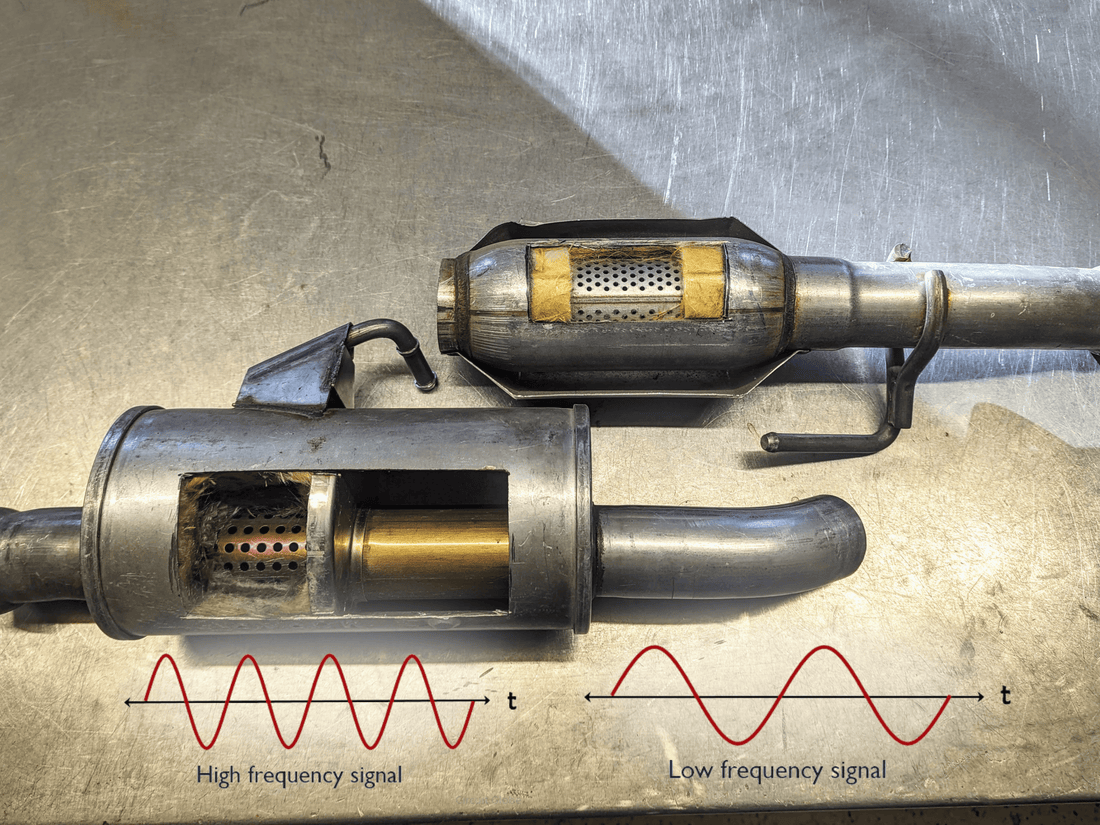
Resonators use sound waves to reduce noise. They create opposite sound waves that cancel out certain frequencies.
- Sound waves enter the resonator chamber.
- Inside, waves reflect and interfere with each other.
- Opposite waves reduce loud engine noise.
- Quieter and smoother sound leaves the exhaust.
Types Of Exhaust Resonators
There are several kinds of resonators. Each type works in a slightly different way to control sound.
| Type | Description |
| Helmholtz Resonator | Uses a hollow chamber to cancel specific sound waves. |
| Chamber Resonator | Has a large volume space for sound wave reflection. |
| Tube Resonator | Uses tubes to create sound wave interference. |

Credit: shopsouthdowngarage.ca
Sound Management Benefits
A resonator is part of a vehicle’s exhaust system. It helps control the sound made by the engine.
It works with the muffler to change how the exhaust noise sounds and feels.
Reducing Engine Noise
The resonator lowers loud engine noises. It stops harsh sounds from leaving the exhaust.
This makes the car quieter and more comfortable to drive. It also reduces noise pollution.
- Absorbs strong sound waves
- Reduces engine roar at high speeds
- Softens sharp exhaust bursts
Tuning Exhaust Tone
The resonator changes the tone of the exhaust sound. It makes the sound smoother and deeper.
Car makers use resonators to create a pleasant engine sound that drivers enjoy.
- Adjusts pitch of exhaust noise
- Creates a balanced and rich sound
- Improves overall driving experience
Performance Enhancements
A resonator in an exhaust system helps improve car performance. It works by adjusting the sound waves and airflow in the exhaust.
This part is key for better engine power and smoother operation.
Improving Exhaust Flow
The resonator reduces restrictions in the exhaust pipe. This allows gases to leave the engine faster. A smoother flow means less back pressure.
- Decreases exhaust noise by canceling sound waves
- Helps maintain steady airflow
- Prevents turbulence in the exhaust stream
- Supports better scavenging of exhaust gases
Boosting Engine Efficiency
By improving exhaust flow, the resonator helps the engine breathe better. This leads to more power and better fuel use.
| Benefit | Effect on Engine |
| Reduced Back Pressure | Increases horsepower |
| Improved Exhaust Pulse | Enhances torque |
| Lower Engine Stress | Extends engine life |
| Optimized Fuel Burn | Improves fuel economy |
Fuel Efficiency Impact
The resonator is part of a car’s exhaust system. It helps control sound and airflow. This affects fuel efficiency in small ways.
Improving airflow can reduce engine effort. This may lead to better fuel use over time.
How A Resonator Helps Airflow
The resonator smooths the exhaust gases as they exit the engine. It reduces turbulence in the exhaust flow.
Smoother airflow means the engine does not work as hard. This can lead to less fuel burned during driving.
Effect On Engine Performance
The resonator can improve engine breathing by lowering backpressure. Lower backpressure helps the engine run more efficiently.
Better engine efficiency often means better fuel economy. The car uses less fuel for the same power output.
Fuel Savings In Real Life
Fuel savings from a resonator are usually small but noticeable. Over time, these savings add up, especially on long trips.
- Improved exhaust flow reduces engine load
- Less engine load means less fuel consumption
- Small fuel savings can reduce costs over many miles
Common Resonator Materials
Resonators in exhaust systems help reduce noise and improve sound quality. The materials used affect durability and performance.
Choosing the right material can extend the resonator’s life and resist heat and corrosion.
Stainless Steel
Stainless steel is popular for resonators because it resists rust and lasts long. It handles high temperatures well.
Aluminized Steel
Aluminized steel is coated with aluminum to protect against rust. It is less expensive than stainless steel but still offers good durability.
Mild Steel
Mild steel is cost-effective but prone to rust. It often has a shorter lifespan and may need replacement sooner.
Titanium
Titanium is light and strong. It resists heat and corrosion very well but is expensive. It is mostly used in high-performance vehicles.
- Stainless Steel: durable, rust-resistant, heat-tolerant
- Aluminized Steel: rust-protected, affordable, good lifespan
- Mild Steel: cheap, rust-prone, shorter life
- Titanium: lightweight, strong, costly, high-performance use
Credit: www.b2fabrication.com
Installation And Maintenance Tips
The resonator is an important part of the exhaust system. It reduces noise and improves sound quality. Proper installation and maintenance help it work well.
This guide covers how to pick the right resonator and signs that it needs attention. Follow these tips to keep your exhaust system quiet and efficient.
Choosing The Right Resonator
Select a resonator that fits your vehicle’s make and model. It must match the exhaust pipe size for easy installation.
Consider the type of sound you want. Some resonators make the exhaust quieter, while others create a deeper tone.
- Check pipe diameter and length for compatibility
- Decide on sound level and tone preference
- Choose a durable material like stainless steel
- Look for a design that fits your exhaust layout
Signs Of Resonator Wear
A worn resonator can cause loud noises or poor exhaust flow. Watch for these signs to know when to inspect it.
- Loud or unusual exhaust sounds
- Rattling noises under the vehicle
- Visible rust or holes on the resonator
- Reduced fuel efficiency or engine performance
Check the resonator regularly for damage. Early fixes prevent bigger exhaust problems and keep your car running smoothly.
Resonator Vs Muffler
The exhaust system of a vehicle uses different parts to control sound and emissions. Two important parts are the resonator and the muffler. Both help reduce noise but work in different ways.
Understanding the difference between a resonator and a muffler can help you choose the right part for your car’s exhaust system.
Key Differences
The resonator and muffler have different designs and functions. The resonator changes sound waves to reduce certain noises, while the muffler mainly blocks and absorbs sound to lower overall noise levels.
| Feature | Resonator | Muffler |
|---|---|---|
| Purpose | Tunes sound by canceling specific frequencies | Reduces overall exhaust noise |
| Sound Effect | Smoother, deeper tone | Quieter exhaust sound |
| Location | Before or after muffler | Last part of the exhaust system |
| Design | Chamber or pipe with perforations | Multiple chambers and baffles |
| Function | Modifies sound waves | Absorbs and blocks sound waves |
When To Use Each
Choosing between a resonator and muffler depends on what you want from your exhaust sound and performance.
- Use a resonator if you want to improve sound quality without making the exhaust too quiet.
- Use a muffler if you need to reduce loud exhaust noise to meet legal limits or personal preference.
- Some cars have both parts to balance sound tuning and noise reduction.
- Performance cars often add resonators for a sportier sound while keeping mufflers to control volume.
Upgrading Your Exhaust System
Upgrading your exhaust system can improve your vehicle’s sound and performance. A resonator is an important part of this upgrade.
A resonator helps control noise and smooth out exhaust flow. It works with your muffler to create a better driving experience.
Benefits Of Adding A Resonator
A resonator reduces loud or unpleasant exhaust noises. It filters certain sound frequencies to make the exhaust tone more pleasant.
Adding a resonator can also improve engine performance. It helps exhaust gases flow smoothly, which can increase power and efficiency.
- Quieter and smoother exhaust sound
- Improved engine efficiency
- Reduced drone inside the cabin
- Better control of exhaust noise frequencies
Aftermarket Options
Aftermarket resonators come in many styles and sizes. You can find options that fit your vehicle and sound preferences.
Some resonators are designed for easy installation. Others offer custom tuning to get the exact sound and performance you want.
- Universal resonators fit many vehicles
- Performance resonators improve flow and power
- Custom resonators allow sound tuning
- Various materials like stainless steel or aluminized steel
Frequently Asked Questions
What Is The Purpose Of A Resonator?
A resonator in an exhaust system reduces noise by canceling certain sound frequencies. It works alongside the muffler to enhance sound quality. By tuning exhaust sound, it provides a more pleasant driving experience. Resonators can also slightly improve exhaust flow, which might enhance engine efficiency.
How Does A Resonator Differ From A Muffler?
While both reduce noise, a resonator fine-tunes sound frequencies, and a muffler diminishes overall noise. Resonators focus on eliminating specific frequencies to shape the exhaust note. Mufflers use baffles or chambers to absorb sound waves. Together, they create a smoother and quieter exhaust tone.
Can A Resonator Improve Vehicle Performance?
A resonator can slightly enhance performance by improving exhaust flow efficiency. It reduces back pressure, allowing exhaust gases to exit faster. This can lead to minor gains in engine efficiency. However, significant performance improvements are usually achieved with other exhaust modifications.
Is It Necessary To Have A Resonator In My Car?
A resonator isn’t necessary but enhances sound quality and reduces exhaust noise. It’s ideal for those who want a refined exhaust note. Some drivers remove it for a louder sound, but this might increase noise levels inside the vehicle.
Conclusion
A resonator helps control the sound of your exhaust system. It reduces noise and smooths engine noise. This part works with the muffler to make your car quieter. It also improves airflow and can boost engine performance. Understanding the resonator helps you maintain your vehicle better.
A well-functioning exhaust system means a more pleasant drive. Keep your resonator in good shape for best results. It’s a small part with a big impact on your ride.