When it comes to preparing your meals, the cutting board you use can make a bigger difference than you might think. You want a board that keeps your food safe, lasts long, and is easy to clean.
But with so many options out there, how do you choose the safest cutting board for your kitchen? This guide will help you understand what makes a cutting board safe and how to pick the perfect one for your needs.
Keep reading—you’ll discover simple tips that protect your health and make cooking more enjoyable.
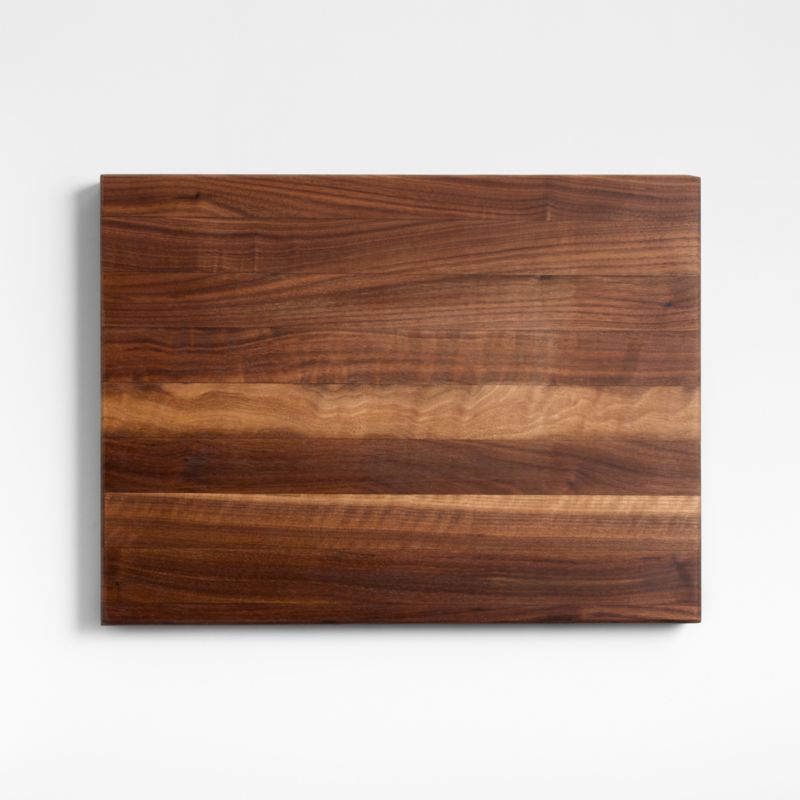
Credit: www.crateandbarrel.ca
Materials And Safety
Choosing the safest cutting board depends on the material used. The right material helps keep food safe and lasts longer.
Some materials stop bacteria better than others. They also affect how easy it is to clean the board.
Wood Types And Benefits
Wood cutting boards are popular because they are gentle on knives. They can last many years if cared for well.
Wood has natural antimicrobial properties. This means it can help reduce bacteria on the surface.
- Maple: Hard and durable, resists deep cuts
- Walnut: Dense with a smooth finish
- Cherry: Has a rich color and good hardness
- Beech: Tight grain, less porous
Plastic Options For Hygiene
Plastic boards are light and easy to clean. They are dishwasher safe, which helps kill germs.
Plastic is less porous than wood, so it does not absorb liquids. This lowers the risk of cross-contamination.
- Polyethylene: Common and affordable
- Polypropylene: Durable and heat resistant
- Colors help separate tasks for safety
Bamboo Boards Explained
Bamboo is a fast-growing grass used for eco-friendly boards. It is harder than most woods but still gentle on knives.
Bamboo has natural antimicrobial traits. It is less porous than wood, which helps reduce bacteria growth.
- Eco-friendly and renewable
- Resists water and stains
- Needs regular oiling to prevent cracking
Glass And Metal Considerations
Glass boards are very easy to clean and do not absorb bacteria. They are not kind to knife edges and can dull blades quickly.
Metal boards, like stainless steel, are durable and hygienic. They can be noisy and may also dull knives faster than wood or plastic.
- Glass: Non-porous but hard on knives
- Metal: Very durable, easy to sanitize
- Both can cause knives to lose sharpness
Durability Factors
Choosing the safest cutting board means thinking about how long it lasts. Durability is key to keeping your kitchen safe and clean.
Durability depends on how well the board handles knife marks, warping, cracking, and how easy it is to maintain.
Resistance To Knife Marks
Cutting boards face many knife cuts every day. A safe board resists deep knife marks that can trap bacteria.
Materials like hardwood and plastic vary in how they handle knife marks. A board that heals small cuts stays cleaner longer.
Warping And Cracking Issues
Boards can warp or crack if they absorb too much water or dry unevenly. This damages the board and makes it unsafe.
Safe cutting boards resist these problems by using stable materials and good design that reduce water damage.
- Wood boards should be sealed to stop water absorption
- Plastic boards should be thick enough to avoid bending
- Check if the board is dishwasher safe to avoid warping
Maintenance And Longevity
Cleaning and care affect how long a cutting board stays safe. Proper maintenance prevents germs and damage.
Oiling wooden boards and washing plastic boards well keeps them strong. Regular upkeep extends the board’s life.
- Use mild soap and warm water for cleaning
- Dry boards completely after washing
- Apply food-safe oil on wooden boards monthly
- Replace boards that show deep cracks or heavy wear
Hygiene Practices
Keeping cutting boards clean is important for safe food preparation. Good hygiene prevents germs and bacteria.
Using the safest cutting board means following proper cleaning and sanitizing steps. This helps protect your health.
Cleaning Techniques
Wash cutting boards with hot, soapy water after each use. Scrub all surfaces well to remove food bits.
Rinse the board fully and dry it with a clean towel or air dry. Avoid letting boards stay wet.
- Use a brush or sponge for scrubbing
- Clean both sides of the board
- Dry thoroughly to prevent mold
Sanitizing Tips
Sanitize cutting boards regularly to kill bacteria. Use a safe sanitizer like diluted bleach or vinegar.
Let the sanitizer sit on the board for a few minutes. Then rinse well and dry completely before use.
- Mix 1 tablespoon bleach with 1 gallon water
- Apply solution and wait 2 minutes
- Rinse with clean water and air dry
Avoiding Cross-contamination
Use separate cutting boards for different foods. This stops germs from spreading between foods.
Label boards for meats, vegetables, and fruits. Clean boards well before switching food types.
- Use color-coded boards if possible
- Wash boards after cutting raw meat
- Never use the same board for cooked and raw foods
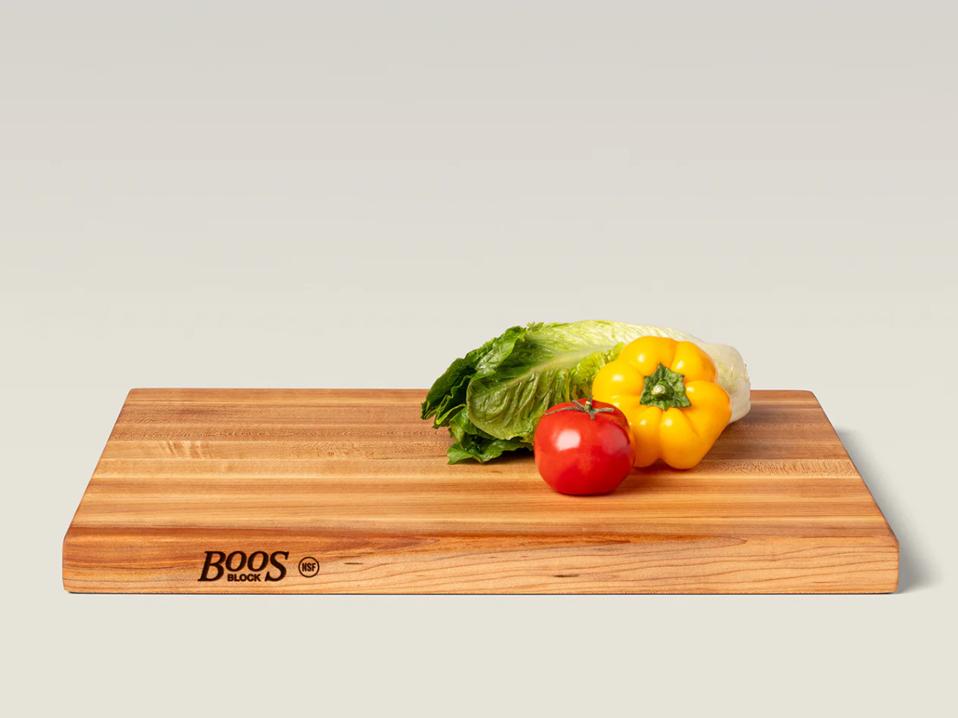
Credit: www.forbes.com
Top Cutting Board Picks
Choosing the safest cutting board is important for kitchen health. Different materials offer unique benefits and care needs.
This guide covers the best wood, plastic, bamboo, and budget-friendly cutting boards to help you decide.
Best Wood Boards
Wood cutting boards are gentle on knives and naturally resist bacteria. They last long with proper care.
Look for hardwoods like maple or walnut, which are dense and durable. Avoid soft woods that can scar easily.
- Maple: Dense and durable, resists deep cuts.
- Walnut: Dark wood with natural antibacterial properties.
- Cherry: Smooth surface, ages well over time.
Best Plastic Boards
Plastic boards are easy to clean and dishwasher safe. They work well for raw meat to avoid cross-contamination.
Choose high-density polyethylene boards. They resist deep cuts and don’t absorb liquids.
- Non-porous surface helps prevent bacteria buildup.
- Lightweight and affordable.
- Available in different colors for food safety.
Best Bamboo Boards
Bamboo boards are eco-friendly and harder than most woods. They resist knife marks and moisture well.
Bamboo is a renewable resource that cleans easily. It is less porous than some wood boards.
- Lightweight and strong.
- Natural antibacterial qualities.
- Requires oiling to maintain surface.
Best Budget-friendly Options
Affordable cutting boards come in many materials. Choose those that balance cost with safety and durability.
Plastic and bamboo boards often offer good value. They clean well and last if cared for properly.
- Plastic boards: easy to clean and low cost.
- Bamboo boards: eco-friendly and durable.
- Look for boards with good reviews on safety.
Choosing The Right Board
Choosing the safest cutting board is important for your health and kitchen safety. The right board depends on what and how you cook daily.
Different materials suit different cooking styles and care habits. This guide helps you pick a board that fits your needs.
Considering Your Cooking Style
Think about the foods you cut most often. Some boards work better for meats, others for fruits and vegetables.
- Wood boards are gentle on knives and good for bread or vegetables.
- Plastic boards are easy to clean and suit raw meats.
- Bamboo boards are hard and resist stains but need careful washing.
- Glass boards are durable but can dull knives quickly.
Balancing Hygiene And Durability
Safety means avoiding bacteria growth and having a board that lasts. Some materials need more care than others.
| Material | Hygiene | Durability |
| Wood | Natural antibacterial but can absorb liquids | Lasts with regular oiling |
| Plastic | Non-porous and dishwasher safe | May get deep cuts over time |
| Bamboo | Hard surface resists bacteria | Stiff, can crack if dried out |
| Glass | Very easy to clean | Very durable but knife edges dull fast |
Budget And Care Requirements
Your budget affects your choices. Some boards cost more but last longer or need less care.
Consider these care tips before buying:
- Wood boards need regular oiling to stay strong.
- Plastic boards can go in the dishwasher for easy cleaning.
- Bamboo boards should not soak in water for long.
- Glass boards require less care but may need replacement if cracked.

Credit: www.mychemicalfreehouse.net
Frequently Asked Questions
What Materials Are Best For Cutting Boards?
Wood, bamboo, and plastic are popular materials for cutting boards. Wood is durable and gentle on knives. Bamboo is eco-friendly and resists moisture. Plastic is affordable and dishwasher-safe, ideal for raw meats. Choose a material based on your cooking habits and maintenance preferences for the safest experience.
How To Maintain A Wooden Cutting Board?
Regularly oil your wooden board with mineral oil to prevent cracks. Clean it with mild soap and warm water after each use. Avoid soaking it in water. Dry it thoroughly to prevent warping. This routine ensures longevity and keeps it hygienic for food preparation.
Is Bamboo Cutting Board Safe For Knives?
Yes, bamboo cutting boards are generally safe for knives. They are harder than wood, which can dull knives over time. However, they are still a popular choice due to their sustainability and resistance to moisture. Regular sharpening of knives can help maintain their edge when using bamboo boards.
How Often Should I Replace My Cutting Board?
Replace your cutting board when it shows deep grooves or cracks. These can harbor bacteria and become unsanitary. For wooden boards, proper maintenance can extend their life. Plastic boards may need more frequent replacement due to wear and tear from knife marks.
Conclusion
Choosing the safest cutting board helps keep your kitchen clean. Wood and plastic boards have their own benefits. Wood resists germs naturally but needs gentle care. Plastic boards are easy to clean and dishwasher-safe. Always replace boards with deep cuts or stains.
Clean boards prevent bacteria and food contamination. Use separate boards for meat and vegetables. This simple step protects your health every day. A safe cutting board makes cooking safer and easier. Take care of your board, and it will last longer.
Your kitchen stays safer with smart board choices.