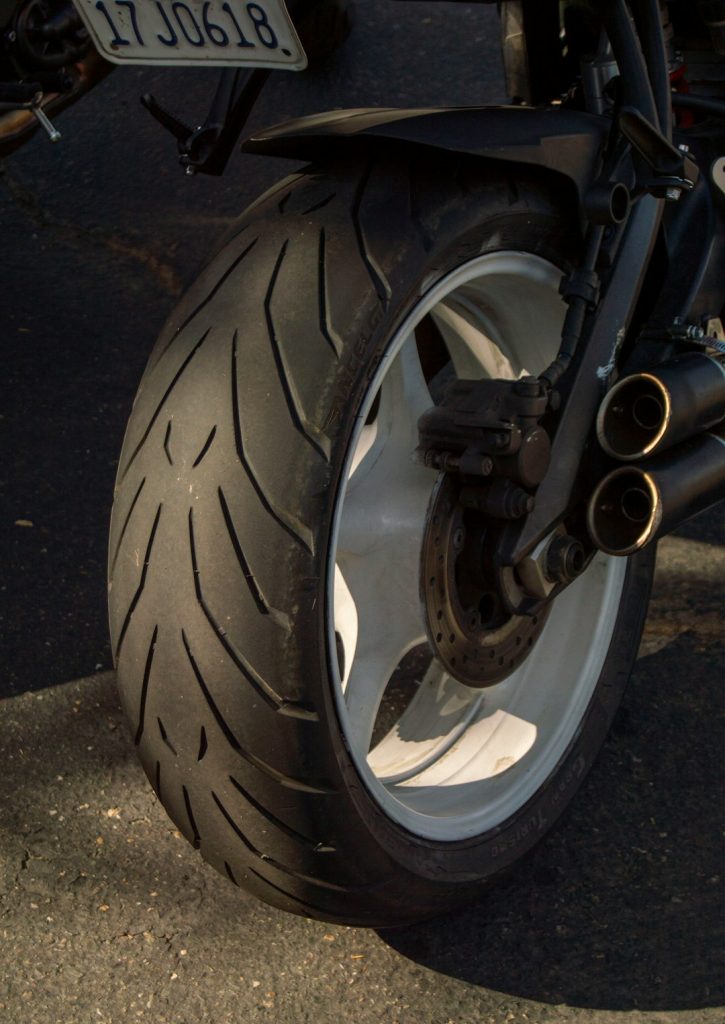
Have you ever looked closely at your motorcycle tires and wondered what all those numbers mean? Especially the second number—do you know why it’s important for your ride?
Understanding this simple detail can improve your bike’s performance, safety, and comfort. If you want to get the most out of your motorcycle and avoid costly mistakes, keep reading. This quick guide will unlock the mystery behind the second number in motorcycle tires and show you exactly why it matters to you.
Decoding Motorcycle Tire Sizes
Motorcycle tires have numbers that tell you their size and shape. Understanding these numbers helps you pick the right tire for your bike.
One key number is the second number in the tire size. It shows the tire’s height compared to its width. This guide explains what that second number means.
Common Tire Size Formats
Motorcycle tire sizes come in different formats. The most common are metric and imperial sizes. Each format uses numbers to show width, height, and rim diameter.
- Metric size:Uses millimeters for width and aspect ratio.
- Imperial size:Uses inches for width and rim diameter.
- Alphanumeric size:Combines letters and numbers to show tire type and size.
Role Of Numbers In Tire Sizes
The first number in a tire size shows the tire’s width in millimeters or inches. The second number is the aspect ratio. It tells the tire’s height as a percent of its width.
For example, in a tire size of 120/70-17, the “70” means the height is 70% of the width (120 mm). This number helps you know how tall the tire sidewall is.
- First number: Tire width
- Second number: Aspect ratio (height to width percentage)
- Last number: Rim diameter

Credit: ultimatemotorcycling.com
Significance Of The Second Number
The second number in motorcycle tire sizes shows the tire’s aspect ratio. This number is important for understanding the tire’s shape and performance.
Knowing this number helps riders pick the right tire for safety and comfort on the road.
Aspect Ratio Explained
The aspect ratio is the height of the tire’s sidewall compared to its width. It is shown as a percentage.
- A lower aspect ratio means a shorter sidewall.
- A higher aspect ratio means a taller sidewall.
- The aspect ratio affects how the tire handles and rides.
Impact On Tire Profile
The second number changes the tire’s profile, which impacts grip and comfort.
| Aspect Ratio (%) | Sidewall Height | Ride Impact |
| 50 | Short | Better handling, less comfort |
| 70 | Taller | Smoother ride, less sharp turns |
| 90 | Very tall | More comfort, slower response |
How The Second Number Affects Performance
The second number in motorcycle tire sizes shows the aspect ratio. It tells the tire’s sidewall height as a percent of the tire width. This number affects many parts of riding.
Knowing what this number means helps you understand how your bike will handle and feel on the road. It also shows how the tire grips surfaces.
Handling And Stability
A lower second number means a shorter sidewall. This usually improves handling by reducing tire flex. The bike feels more stable and responsive in turns.
- Short sidewalls give quicker steering response.
- Tires with taller sidewalls absorb bumps better but can feel less stable.
- The second number affects how the bike leans and balances in corners.
Ride Comfort And Grip
| Aspect Ratio | Ride Comfort | Grip |
| Low (40-50) | Firm ride, less shock absorption | Better grip on smooth roads |
| Medium (55-65) | Balanced comfort and control | Good grip in various conditions |
| High (70+) | Softer ride, more shock absorption | Grip may reduce on sharp turns |
Taller sidewalls can improve comfort by softening bumps. They also provide more tire flex that can help grip uneven surfaces.

Credit: www.reddit.com
Choosing The Right Aspect Ratio
The second number in motorcycle tire sizes shows the aspect ratio. It tells the height of the tire’s sidewall compared to its width. Picking the right aspect ratio helps your bike handle well and ride comfortably.
Choosing the wrong aspect ratio can change your bike’s balance and performance. It is important to understand what this number means and how to select it for your needs.
Matching Manufacturer Specifications
Tire makers design tires with specific aspect ratios for each motorcycle model. These numbers match the bike’s frame and suspension. Using the recommended aspect ratio keeps your bike safe and stable.
Check your owner’s manual or tire sidewall for the correct size. Sticking to manufacturer specs ensures good grip and proper speedometer readings.
- Maintains proper bike balance
- Ensures correct speed and distance readings
- Prevents uneven tire wear
- Keeps suspension working as designed
Customizing For Riding Style
Your riding style can affect which aspect ratio works best. Sport riders may prefer lower profiles for better road feel. Touring riders might want higher profiles for more comfort on long rides.
Changing the aspect ratio changes the tire’s height. This affects how the bike leans and absorbs bumps. Choose an aspect ratio that fits your usual road conditions and riding habits.
- Lower aspect ratios improve cornering and handling
- Higher aspect ratios add cushioning on rough roads
- Consider tire width and rim size when changing ratios
- Test different sizes carefully to avoid safety issues
Common Misconceptions About Tire Numbers
Many riders get confused by the numbers on motorcycle tires. These numbers tell you the tire size but can be misunderstood. Knowing what each number means helps you pick the right tire.
The second number in a motorcycle tire size is often mistaken. It is important to clear up these common errors to avoid wrong tire choices.
Myths Vs Facts
Some people think the second number shows the tire’s width. This is not true. It actually shows the tire’s aspect ratio, or height compared to width.
The aspect ratio is a percentage. It tells you how tall the tire sidewall is compared to the tire width. For example, if the second number is 70, the sidewall height is 70% of the tire width.
- Myth:The second number is the tire width.
- Fact:The second number is the aspect ratio (sidewall height).
- Myth:A higher second number means a wider tire.
- Fact:A higher second number means a taller sidewall, not wider.
Avoiding Sizing Mistakes
Choosing the wrong tire size can cause poor handling or damage. Always check the full tire size, not just the numbers.
Use the manufacturer’s guide for your motorcycle. Confirm the rim size, tire width, and aspect ratio match. Do not guess based on one number.
- Check tire width (first number).
- Understand aspect ratio (second number) for sidewall height.
- Match rim diameter (last number) exactly.
- Follow your bike’s recommended tire specs.

Credit: www.michelin.ca
Frequently Asked Questions
What Does The Second Number On Motorcycle Tires Mean?
The second number on motorcycle tires indicates the tire’s aspect ratio. It shows the tire’s sidewall height as a percentage of the tire’s width. For example, if the second number is 70, the sidewall height is 70% of the tire width.
This affects handling and comfort.
How Does The Second Number Affect Tire Performance?
The second number influences the tire’s sidewall height, impacting ride quality and handling. A lower number means a shorter sidewall, offering better cornering and stability. A higher number provides more cushioning and comfort but may reduce sharp handling.
Why Is The Second Number Important For Tire Fitting?
The second number ensures proper tire fitment and compatibility with your motorcycle. It helps maintain correct tire diameter and sidewall height. Choosing the right aspect ratio keeps your bike stable, safe, and prevents speedometer errors or uneven wear.
Can I Change The Second Number On My Motorcycle Tires?
Changing the second number alters the tire’s profile and performance. It’s possible but not always recommended. Always consult your motorcycle’s manual or a tire expert before changing to maintain safety and ride quality.
Conclusion
Understanding the second number on motorcycle tires is crucial. It shows the tire’s aspect ratio, affecting performance. Knowing this helps in choosing the right tire. Better grip, smoother rides. It ensures safety and enhances your riding experience. So, check your tire specifications.
Ensure they match your motorcycle’s requirements. Correct tire choice can make a big difference. Whether for daily rides or long trips. Keep this information handy. It can save you time and money. Plus, prevent unnecessary stress. With this knowledge, ride confidently and enjoy the road.
Safe travels!