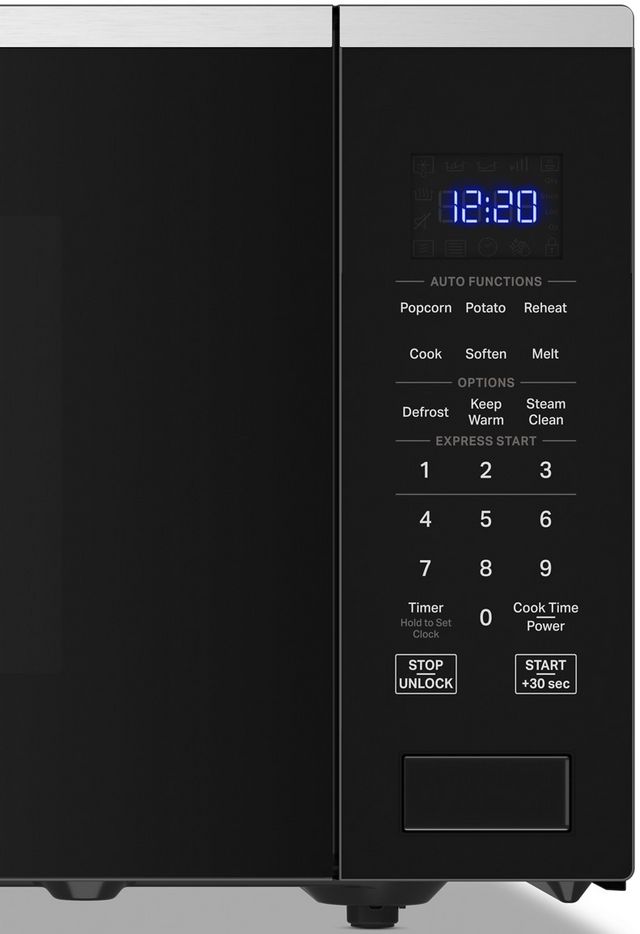
Have you ever wondered why your microwave sometimes leaves popcorn half-popped or veggies overcooked? Enter the world of sensor cooking.
This innovative feature in modern microwave ovens promises to transform your cooking experience, making it easier and more precise. If you’re tired of guessing cooking times or ending up with unevenly cooked meals, sensor cooking might just be the game-changer you need.
Curious about how it works and how it can simplify your kitchen routine? Keep reading to discover the magic behind sensor cooking and how it can elevate your microwave skills. Get ready to unlock a world where your meals are cooked perfectly every time, with zero guesswork!

Credit: www.plessers.com
How Sensor Cooking Works
Sensor cooking in microwave ovens uses smart technology to cook food perfectly. It senses food conditions and adjusts settings automatically. This process saves time and avoids overcooking or undercooking.
The microwave oven detects signals from the food using built-in sensors. These sensors collect data like moisture and temperature during cooking. Then, the oven changes the cooking time based on this data.
Types Of Sensors Used
- Humidity sensors detect moisture released by food.
- Temperature sensors measure the heat inside the oven or food.
- Infrared sensors monitor the surface temperature of the food.
Detecting Moisture And Temperature
As food cooks, it releases steam and moisture. The humidity sensor measures this moisture level. A rise in humidity means the food is heating up or cooking faster.
Temperature sensors track the heat inside the oven or on the food’s surface. These readings help the microwave decide if more cooking is needed.
Adjusting Cooking Time Automatically
The microwave uses data from sensors to control cooking time. It stops cooking once the food reaches the right temperature or moisture level.
This adjustment prevents overcooking and saves energy. It also makes cooking easier by removing guesswork for users.

Credit: shop.panasonic.com
Benefits Of Sensor Cooking
Sensor cooking in microwave ovens offers several benefits that can change how you prepare meals every day. It uses built-in sensors to detect moisture and temperature, automatically adjusting cooking time and power. This smart technology takes the guesswork out of cooking, making it easier and more efficient for you.
Convenience And Ease
Sensor cooking removes the need to set the timer manually. You just place your food inside, and the microwave does the rest. This means no more overcooked or undercooked meals because the microwave senses exactly when your food is ready.
Imagine coming home tired and still getting perfectly cooked leftovers without watching the clock. It’s like having a kitchen helper that saves you time and effort.
Energy Efficiency
Because sensor cooking adjusts the cooking time to the exact needs of your food, it uses less electricity. The microwave stops as soon as your meal is done, preventing wasted energy.
This not only helps reduce your electricity bill but also lowers your environmental impact. Have you ever thought about how much energy your microwave wastes when you guess the cooking time?
Consistent Cooking Results
Sensor cooking ensures your food is cooked evenly every time. It prevents dry edges and cold spots by adapting to the moisture level inside the microwave.
This consistency means you can trust your microwave to deliver great results, whether you’re reheating soup or cooking frozen vegetables. How much easier would your meal prep be if you never had to worry about uneven heating again?
Common Sensor Cooking Modes
Sensor cooking modes make microwave ovens smarter. They adjust time and power automatically. This helps cook food perfectly without guesswork. Many microwaves have preset sensor modes for common foods. These modes use sensors to detect moisture or steam. This signals the microwave to stop cooking at the right time.
Popcorn
The popcorn sensor mode measures steam from popping kernels. It avoids burning and undercooking. You get fluffy popcorn with less waste. Just place the bag inside and select the popcorn mode. The microwave stops when popping slows down.
Vegetables
Vegetable sensor mode detects steam released during cooking. It keeps vegetables crisp and tender. This mode saves nutrients and flavor. Simply add a little water and choose the vegetable setting. The microwave adjusts time to match the amount and type.
Meat And Poultry
This mode senses the temperature and moisture of meat or poultry. It cooks evenly without drying out the food. You get juicy, well-cooked meals every time. Select the meat or poultry option and enter weight. The microwave handles the rest with precise timing.

Credit: www.thomascompanytama.com
Using Sensor Cooking Effectively
Using sensor cooking effectively can make microwave meals easier and tastier. This feature adjusts cooking time automatically. It senses steam or humidity from the food. This helps cook food evenly without overcooking or undercooking.
To get the best from sensor cooking, understanding settings and common pitfalls is key. Proper use saves time and energy. It also keeps food moist and flavorful.
Choosing The Right Settings
Select settings that match the food type. Many microwaves have presets for popcorn, vegetables, or pizza. These presets help the sensor work accurately.
- Use the sensor cooking button for fresh or frozen food.
- Choose the correct food category or weight.
- Check if your microwave needs you to input food quantity.
These steps ensure sensor cooking adjusts heat and time properly.
Tips For Best Results
- Place food in the center of the turntable for even cooking.
- Use microwave-safe containers to avoid damage and uneven heating.
- Cover food with a microwave-safe lid or wrap to trap steam.
- Allow standing time after cooking to let heat distribute.
- Clean the microwave interior regularly to keep sensors working well.
Avoiding Common Mistakes
- Don’t open the microwave door during sensor cooking; it stops the process.
- Avoid using metal or foil containers; they can cause sparks.
- Don’t overload the microwave; it may affect sensor accuracy.
- Avoid using very thick or dense foods that may confuse the sensor.
- Don’t ignore the user manual for your specific microwave model.
Limitations Of Sensor Cooking
Sensor cooking in microwave ovens offers convenience by automatically adjusting cooking time and power based on the moisture and steam emitted from your food. However, this technology has its limits and may not always deliver perfect results. Understanding these limitations can help you decide when to trust the sensor and when to take control yourself.
Foods That May Not Work Well
Sensor cooking relies on detecting steam, so foods that release little or no steam can confuse the microwave. Dry or low-moisture items like crackers, chips, or toast often don’t trigger the sensor correctly, leading to uneven heating.
Frozen foods with thick, uneven layers can also be tricky. The sensor might stop cooking too early if the outer layer emits enough steam, but the inside remains frozen. Have you ever heated a frozen dinner only to find cold spots? That’s a common sensor cooking issue.
Highly dense foods, such as thick casseroles or dense meats, can also cause problems. The sensor might not accurately gauge the internal temperature, leaving your meal undercooked or overcooked.
When Manual Settings Are Better
Sometimes, taking charge with manual settings yields better results than relying on sensor cooking. If you know your food well or have a favorite recipe, setting time and power yourself can avoid guesswork.
Use manual controls when cooking delicate items like eggs or baked goods that require specific conditions. Sensor cooking may overcook or unevenly cook these because the moisture levels vary widely during the process.
Manual settings also shine when reheating leftovers that have different moisture levels or shapes. Adjusting time and power allows you to prevent dry edges and cold centers.
Have you noticed your sensor-cooked meals sometimes don’t match your expectations? Experimenting with manual control can often save you from frustration and improve your microwave cooking experience.
Future Trends In Sensor Microwave Technology
The future of sensor cooking in microwave ovens is bright and full of innovation. New technologies promise to make cooking easier and more precise. These advancements focus on smarter sensors and better control over cooking processes. This section explores key trends shaping sensor microwave technology.
Smart Sensors And Ai Integration
Microwave ovens will soon use smart sensors combined with artificial intelligence. These sensors will detect food type, weight, and moisture levels automatically. AI will analyze this data to adjust power and time settings perfectly. This means less guesswork and fewer cooking errors. Ovens will learn cooking preferences over time, improving results with each use.
Improved Accuracy And Features
Future sensor microwaves will offer greater accuracy in temperature and moisture detection. Advanced sensors will monitor food more closely for even cooking. New features may include multi-stage cooking and better defrosting options. Users will enjoy more control with simple, intuitive interfaces. This will save time and reduce food waste by preventing overcooking.
Frequently Asked Questions
What Is Sensor Cooking In Microwave Ovens?
Sensor cooking uses built-in sensors to detect moisture and temperature. It automatically adjusts cooking time and power for perfect results every time.
How Does Sensor Cooking Improve Microwave Performance?
It prevents overcooking and undercooking by monitoring food conditions. This feature ensures food is cooked evenly and saves energy.
Can Sensor Cooking Work For All Food Types?
Most sensor cooking modes work well for common foods like vegetables, popcorn, and frozen meals. However, very dense or unusual foods may need manual settings.
Is Sensor Cooking Energy Efficient In Microwaves?
Yes, sensor cooking reduces cooking time by adjusting power levels. This lowers energy consumption and helps save on electricity bills.
Conclusion
Sensor cooking in a microwave oven helps cook food perfectly every time. It senses moisture and adjusts cooking time automatically. This feature saves you from guesswork and overcooking. You get tasty, evenly cooked meals with less effort. Using sensor cooking makes your kitchen tasks easier and faster.
It suits busy people who want good food without stress. Understanding this technology helps you use your microwave better. Try it and enjoy simple, smart cooking at home.