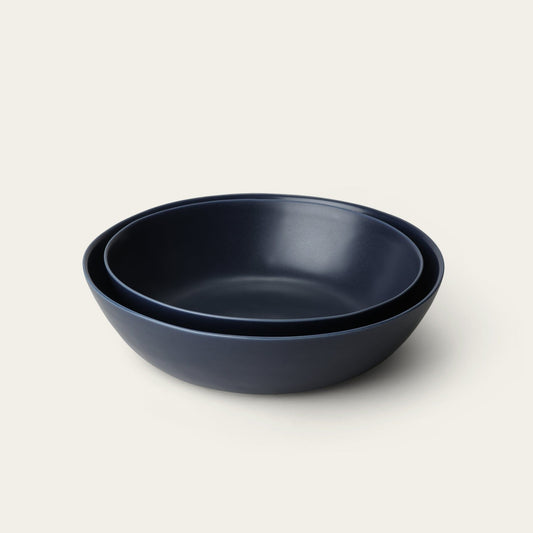
Have you ever wondered what makes your dining experience feel special, beyond just the food? The answer often lies in the serveware you choose.
Serveware is more than just plates and bowls—it’s the way you present your meals that can turn an ordinary gathering into a memorable event. If you want to impress your guests and make every meal feel like a celebration, understanding serveware is key.
Keep reading to discover what serveware really is and how it can elevate your dining moments.

Credit: www.shopterrain.com
Serveware Basics
Serveware includes dishes and tools used to serve food at the table. It helps present meals nicely and keeps food organized.
Different types of serveware fit various foods and occasions. Knowing the basics can help you choose the right pieces.
Types Of Serveware
Serveware comes in many forms to hold different foods. Plates, bowls, trays, and pitchers are common types.
- Serving Plates: Flat dishes for main or side dishes
- Bowls: Used for soups, salads, or snacks
- Trays: Hold multiple items for easy carrying
- Pitchers: For serving drinks like water or juice
- Serving Utensils: Spoons, forks, or tongs to help serve
Materials Used
Serveware is made from many materials. Each has its own look and care needs.
- Ceramic: Durable and often used for plates and bowls
- Glass: Clear and elegant, good for bowls and trays
- Plastic: Lightweight and break-resistant, good for casual use
- Metal: Sturdy and stylish, often used for trays and utensils
- Wood: Adds a natural feel, used for trays and bowls
Choosing The Right Serveware
Pick serveware based on your needs and style. Think about the food you serve and the occasion.
- Match serveware size to your portion sizes
- Choose materials that fit your care and cleaning habits
- Consider the look to match your table setting
- Use durable pieces for everyday meals
- Select elegant serveware for special events
Serveware For Different Meals
Serveware includes plates, bowls, and trays used to present food. Different meals need different serveware shapes and sizes.
Choosing the right serveware helps food look appealing and makes eating easier.
Breakfast And Brunch Serveware
Breakfast serveware often includes small plates and bowls. These hold items like eggs, toast, and fruit.
Brunch serveware may include larger platters for sharing and cups for coffee or tea.
- Small plates for pastries and toast
- Cereal bowls for oatmeal or cereal
- Cups and saucers for hot drinks
- Platters for fruit or cheese
Lunch And Dinner Sets
Lunch and dinner serveware usually has larger plates for main dishes. Bowls are used for soups or salads.
Sets often include matching utensils and serving bowls to make meals look coordinated.
- Large dinner plates for main courses
- Salad or soup bowls
- Serving platters for shared dishes
- Matching cups or glasses
Dessert And Snack Serveware
Dessert serveware is smaller and decorative. It includes plates and bowls for sweets and snacks.
Snack serveware often features divided trays or small dishes for easy sharing.
- Small dessert plates
- Bowls for ice cream or pudding
- Divided trays for nuts or chips
- Mini cups for sauces or dips
Styling With Serveware
Serveware helps present food in a stylish way. It can add charm to any table setting.
Choosing the right serveware enhances the look of your meals and invites guests to enjoy.
Color And Pattern Coordination
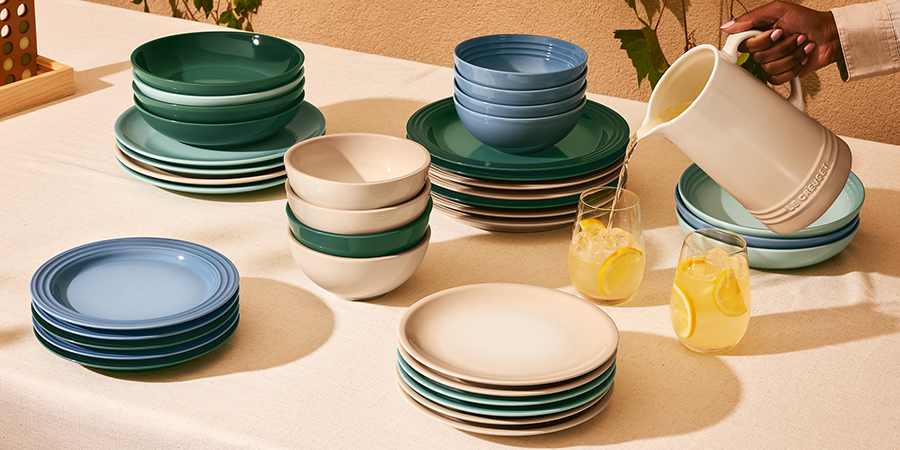
Select serveware colors that match or complement your table linens and decor. Patterns can add visual interest but should not overwhelm the food.
- Use neutral colors to highlight vibrant foods
- Choose patterns that echo your dining room style
- Combine solid and patterned pieces carefully
- Match serveware colors with napkins or placemats
Mixing And Matching Pieces
Mix different serveware pieces to create a unique and inviting table. Balance is key to avoid a cluttered look.
| Mixing Style | Tips |
| Modern with Vintage | Use similar colors or metals to connect the styles |
| Patterns and Solids | Pair patterned bowls with solid plates |
| Different Materials | Combine wood with ceramic for texture contrast |
Seasonal And Themed Settings
Choose serveware that reflects the season or theme of your event. This adds mood and excitement to the meal.
- Spring: Light colors and floral designs
- Summer: Bright colors and casual styles
- Fall: Warm tones and rustic materials
- Winter: Deep colors and elegant finishes
- Holiday themes: Use themed patterns or shapes
Credit: www.lecreuset.ca
Care And Maintenance
Serveware adds style and function to your dining experience. Proper care keeps it looking good.
Cleaning and storing serveware correctly helps it last longer and stay safe to use.
Cleaning Tips
Clean serveware soon after use to avoid stains and damage. Use gentle soap and warm water.
- Avoid harsh scrubbing that can scratch surfaces
- Use soft cloths or sponges for washing
- Dry serveware with a soft towel to prevent water spots
- For tough stains, soak in mild soapy water before cleaning
Storage Solutions
Store serveware in a dry place to prevent moisture damage. Keep pieces separated to avoid scratches.
| Serveware Type | Storage Tip |
| Glass | Use padded dividers or cloth layers |
| Ceramic | Stack with paper towels between pieces |
| Metal | Keep dry and avoid stacking heavy items |
| Wood | Store in a cool, dry place away from direct sunlight |
Handling Fragile Items
Fragile serveware needs careful handling to avoid chips or breaks. Always lift, don’t drag.
- Hold fragile pieces with both hands
- Place items gently on surfaces
- Use padded storage boxes for transport
- Keep fragile serveware away from edges
Serveware Trends
Serveware means dishes and containers used to serve food. It plays a big role in how meals look and feel.
New trends in serveware focus on style, sustainability, and creativity. These trends change the way we enjoy food.
Modern Styles
Modern serveware has clean lines and simple shapes. It uses neutral colors like white, gray, and black.
Minimalist designs help food stand out on the table. Many pieces have smooth, matte finishes for a sleek look.
- Square and rectangular plates
- Stackable bowls and trays
- Mixed materials like wood and ceramic
Sustainable Options
People want serveware made from eco-friendly materials. Bamboo, recycled glass, and biodegradable plastics are popular choices.
These options reduce waste and protect the environment. They also add a natural look to the dining table.
- Bamboo plates and serving trays
- Recycled glass bowls and cups
- Compostable cutlery and napkin rings
Innovative Designs
Serveware now includes smart and creative features. Some designs combine different functions in one piece.
Innovations make serving easier and more fun. They also save space and add style to the meal.
- Stackable sets with lids for storage
- Plates with built-in compartments
- Serveware with cooling or heating elements

Credit: www.shopterrain.com
Frequently Asked Questions
What Is Serveware Used For?
Serveware is used for presenting and serving food during meals. It includes items like platters, bowls, and trays. Serveware enhances the dining experience by making food presentation appealing. It’s essential for both casual and formal settings, ensuring food is served elegantly and conveniently.
How Is Serveware Different From Dinnerware?
Serveware is designed for serving food, while dinnerware is for individual dining. Serveware includes larger items like trays and bowls, whereas dinnerware encompasses plates and cups. Serveware focuses on presentation and functionality, enhancing the overall dining experience by making food easily accessible and visually appealing.
What Materials Are Common For Serveware?
Common materials for serveware include ceramic, glass, metal, and wood. These materials offer durability and aesthetic appeal. Ceramic and glass are popular for formal settings, while metal and wood are versatile for casual and outdoor dining. Each material provides unique benefits in terms of style and function.
Can Serveware Be Decorative?
Yes, serveware can be decorative, adding style to dining settings. Many pieces feature intricate designs, colors, and patterns. Decorative serveware enhances table aesthetics and complements the dining ambiance. It serves both functional and decorative purposes, making meals more enjoyable and visually appealing.
Conclusion
Serveware makes serving food easier and more stylish. It includes plates, bowls, trays, and utensils. These items help present meals nicely at any event. Using good serveware also keeps food organized and accessible. It adds a special touch to family dinners or parties.
Choosing the right serveware fits your style and needs. Simple or fancy, serveware plays a key role at the table. It helps create a warm and inviting atmosphere for guests. Serveware is more than just dishes; it enhances the dining experience.