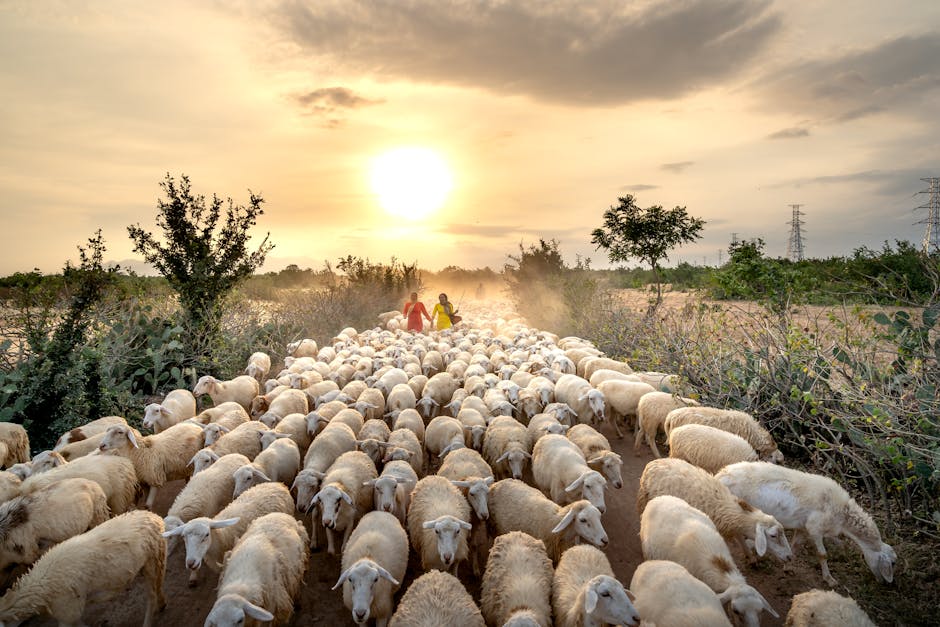
Have you ever wondered how sheep get their wool ready for soft sweaters and cozy blankets? The answer lies in a simple but important process called shearing.
Shearing of sheep might sound like just cutting hair, but it’s much more than that. It’s a careful skill that keeps sheep healthy and comfortable while giving you the valuable wool you need. If you want to understand what shearing really means, why it matters, and how it’s done, keep reading.
This guide will reveal everything you need to know about shearing of sheep in a clear and easy way.
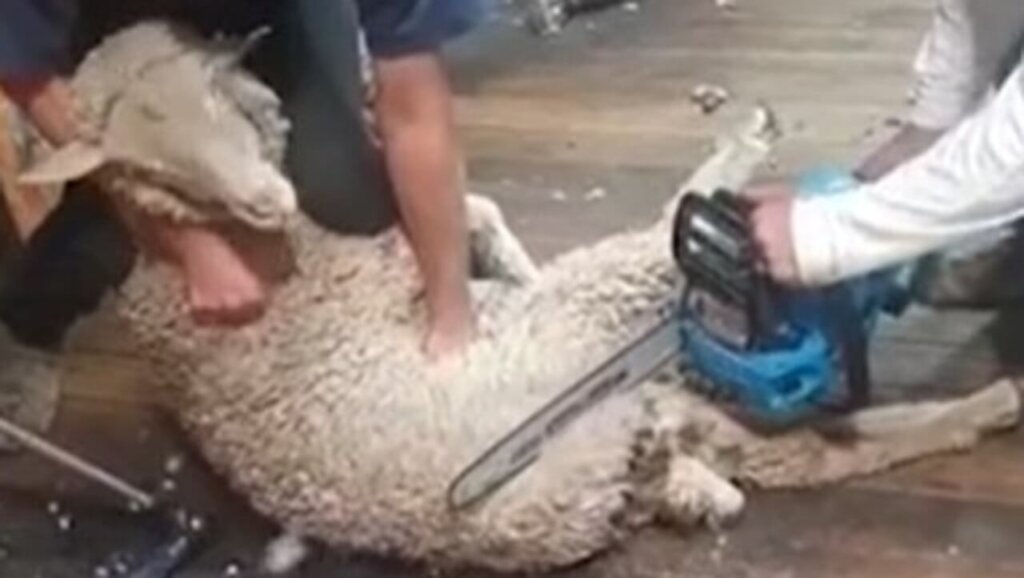
Credit: www.peta.org.au
Shearing Basics
Shearing is the process of cutting wool off sheep. It is important for the health and comfort of the animal. Good shearing helps farmers get wool to use in many products.
Understanding the basics of shearing helps in doing the job safely and well. This includes knowing why, when, and how to shear sheep properly.
Purpose Of Shearing
Shearing removes the thick wool coat from sheep. This helps keep them cool in warm weather. It also stops wool from getting dirty and heavy. Shearing prevents health problems like flystrike and skin infections.
- Keep sheep cool in summer
- Prevent wool from matting and collecting dirt
- Reduce risk of skin diseases
- Collect wool for making clothes and other products
When To Shear
Timing is important for shearing. Most farmers shear sheep once a year. The best time is before the hot season starts. This helps sheep stay cool and dry. Avoid shearing during very cold or wet weather.
| Season | Shearing Advice |
| Spring | Good time before hot weather |
| Summer | Too hot, avoid shearing |
| Autumn | Possible but wool grows slower |
| Winter | Not ideal, sheep need wool for warmth |
Shearing Tools
Using the right tools makes shearing easier and safer. Farmers use hand shears or electric clippers. Tools must be sharp to cut cleanly. Clean tools help prevent infections.
- Hand shears: manual scissors for small jobs
- Electric clippers: faster and used on large flocks
- Comb and cutter blades: replaceable parts for clippers
- Shearing stand or platform: holds sheep steady
- First aid kit: for quick care of any cuts

Credit: feltingandfiberstudio.com
Preparing For Shearing
Shearing sheep is an important task to keep them healthy. Proper preparation makes the process smooth and safe.
Good preparation helps reduce stress for both the sheep and the shearer. It also lowers the chance of injury.
Sheep Handling Tips
Handle sheep gently to avoid stress and injury. Calm animals are easier to shear and stay safe.
Move sheep slowly and quietly. Avoid loud noises and quick movements.
- Use calm, steady movements
- Keep sheep in small groups
- Hold sheep firmly but gently
- Give sheep time to rest if needed
Setting Up The Shearing Area
Choose a clean, dry place for shearing. A flat surface helps keep sheep steady during shearing.
Good lighting is important. It helps the shearer see clearly and avoid cuts.
- Clear the area of debris and dirt
- Use non-slip mats or flooring
- Keep tools nearby and organized
- Provide space for holding and resting sheep
Safety Precautions
Wear proper clothing to protect yourself during shearing. Keep your tools sharp and clean.
Watch the sheep closely to prevent accidents. Always handle tools with care to avoid injury.
- Wear close-fitting clothes and sturdy shoes
- Use protective gloves if needed
- Keep shearing tools well-maintained
- Have a first aid kit nearby
- Work calmly to reduce animal stress
Shearing Techniques
Shearing sheep means cutting off their wool fleece. It helps keep sheep healthy and comfortable. Different techniques exist for shearing wool carefully and efficiently.
Understanding these methods helps farmers choose the best way to shear their sheep. This article explains traditional methods, electric clippers, and the shearing process.
Traditional Methods
Traditional shearing uses hand tools like blades and scissors. This method needs skill and patience. It is slower but very gentle on the sheep.
- Shearer holds the sheep steady on the ground or lap.
- Blades are moved to cut the wool close to the skin.
- Care is taken to avoid cutting the sheep’s skin.
- It is often done in small farms or remote areas.
Using Electric Clippers
Electric clippers are common in modern shearing. They work faster than hand tools and reduce physical effort. Clippers have sharp blades that rotate to cut wool.
Clippers come in various sizes and power levels. They help shear large numbers of sheep quickly and with less strain on the shearer.
| Clipper Type | Power Source | Best Use |
| Corded Electric | Electricity | Large farms with power access |
| Battery Operated | Rechargeable Battery | Remote areas without power |
| Manual Handheld | None | Small scale or traditional shearing |
Step-by-step Shearing Process
Shearing follows clear steps to protect the sheep and collect wool efficiently. The process needs a calm and steady approach.
- Catch and secure the sheep gently.
- Position the sheep for easy access to wool.
- Start shearing from the belly or legs.
- Move the shearer’s hand steadily to remove fleece in one piece.
- Check for cuts or injuries during shearing.
- Collect and clean the wool after shearing.
- Release the sheep safely back to its pen.
Post-shearing Care
After shearing sheep, proper care is important. It helps keep sheep healthy and safe.
Good handling of wool and checking sheep for injuries prevents problems. Follow simple steps for best results.
Checking For Injuries
Shearing can cause small cuts or nicks. Look carefully at the sheep’s skin after shearing.
- Check the neck, belly, and legs for wounds.
- Clean any cuts with antiseptic.
- Apply wound spray or ointment to prevent infection.
- Watch sheep for signs of pain or discomfort.
Wool Handling And Storage
Proper wool care keeps it clean and ready for use. Store wool in dry, cool places.
| Wool Care Tip | Action |
| Remove dirt and debris | Shake or brush wool gently |
| Keep wool dry | Store in breathable bags |
| Prevent pests | Use moth repellents if needed |
| Label batches | Mark wool type and shearing date |
Sheep Health After Shearing
Sheep need protection after shearing. Watch for signs of cold or stress.
- Provide shelter from wind and rain.
- Offer fresh water and feed immediately.
- Keep sheep in small groups to reduce stress.
- Check daily for any changes in behavior or health.
Common Challenges
Shearing sheep is a necessary task but comes with many challenges. These challenges affect both the quality of wool and the welfare of the sheep.
Knowing how to handle these issues can make shearing safer and more efficient for everyone involved.
Dealing With Difficult Sheep
Some sheep resist shearing by moving or kicking. This behavior slows down the process and risks injury to the shearer and the sheep.
- Stay calm and patient to reduce sheep anxiety.
- Use gentle handling techniques to keep sheep steady.
- Have more than one person to help control restless sheep.
- Work quietly to avoid startling the animals.
Avoiding Wool Contamination
Wool can get dirty from grass, dirt, or manure. Contaminated wool lowers its value and quality.
| Common Contaminants | How to Prevent |
| Grass and Leaves | Shear in a clean, dry area |
| Dirt and Mud | Brush sheep before shearing |
| Manure | Keep sheep pens clean |
| Oil or Grease | Avoid using machinery near sheep |
Handling Shearing Stress
Shearing can stress sheep due to noise, handling, and temperature changes. Stress affects their health and wool growth.
Tips to reduce stress during shearing:
- Shear sheep early in the day to avoid heat.
- Give sheep time to rest between shearing sessions.
- Use calm voices and slow movements.
- Keep the shearing area safe and free of hazards.
Benefits Of Shearing
Shearing sheep means cutting off their wool. It is an important task for farmers and sheep owners. Shearing helps keep sheep healthy and comfortable.
Shearing also helps farmers get wool, which can be used to make clothes and other products. Let’s look at the main benefits of shearing sheep.
Wool Production
Shearing is the way to collect wool from sheep. Wool grows continuously, so it must be cut regularly. Without shearing, wool becomes too thick and dirty.
Farmers use the wool to make yarn, clothes, and blankets. Shearing helps produce clean and good-quality wool.
- Wool is a natural fiber used in many products
- Regular shearing keeps wool soft and clean
- Shearing helps farmers harvest wool safely
Animal Comfort
Shearing helps sheep feel cooler and more comfortable. Wool is thick and can make sheep hot in warm weather. Removing the wool stops overheating.
Clean sheep also avoid bugs and dirt that can bother them. Shearing lets sheep move easily and stay healthy.
- Prevents heat stress during summer
- Keeps sheep clean and free from pests
- Improves sheep mobility and comfort
Preventing Health Issues
Shearing helps stop diseases that come from dirty or overgrown wool. Wool can trap moisture and dirt, causing skin problems. Shearing reduces this risk.
It also helps farmers check sheep for cuts, ticks, and infections. Early detection helps keep sheep healthy and strong.
- Reduces risk of skin infections
- Helps detect health problems early
- Prevents parasite buildup in wool

Credit: waltin.se
Frequently Asked Questions
What Is Sheep Shearing?
Sheep shearing is the process of cutting a sheep’s wool. It is typically done once a year. This process helps keep the sheep comfortable and prevents overheating. Shearing is essential for the health and hygiene of the sheep. It also provides wool for various products.
Why Is Sheep Shearing Important?
Shearing is crucial for the sheep’s wellbeing. It prevents the build-up of dirt, moisture, and parasites in their wool. Overgrown wool can lead to overheating during warmer months. Shearing also provides valuable wool for clothing and textiles. This process contributes to the economy and sustainability.
When Is The Best Time To Shear Sheep?
The best time to shear sheep is in the spring. This timing ensures sheep are cool during summer. It allows wool to grow back before winter, providing insulation. Timing may vary based on climate and sheep breed. Proper timing is essential for sheep comfort and wool quality.
How Does Sheep Shearing Benefit Farmers?
Shearing provides wool, a valuable resource for farmers. Wool sales contribute to farm income. Regular shearing maintains sheep health and reduces veterinary costs. Healthy sheep produce better meat and milk, benefiting overall farm productivity. Farmers also gain skills and experience in animal husbandry.
Conclusion
Shearing sheep helps keep them healthy and comfortable. It also provides valuable wool used in many products. Knowing how and when to shear is important for good care. Proper shearing avoids harm to the sheep’s skin. Learning this skill benefits both farmers and animals.
Wool from shearing supports many industries worldwide. Caring for sheep means more than just feeding them. It includes regular shearing to maintain their well-being. This simple process plays a big role in farming life.