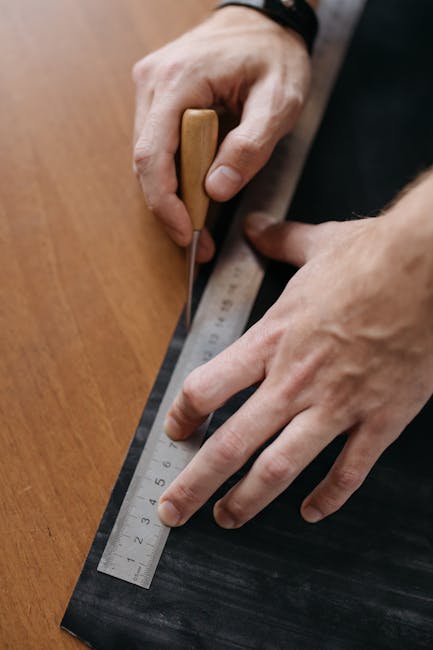
Have you ever wondered how metal sheets are cut with such precision in factories? The secret lies in a technique called the shearing process.
If you’re curious about how this method works and why it’s so important in manufacturing, you’re in the right place. Understanding shearing can help you appreciate the craftsmanship behind everyday products and even improve your knowledge if you work with metals or in production.
Keep reading to discover what the shearing process is, how it works, and why it matters to you.

Credit: www.harsle.com
Shearing Basics
Shearing is a process used in metalworking and manufacturing. It cuts materials by applying force with sharp blades.
This process helps create clean and straight cuts quickly and efficiently.
Definition And Purpose
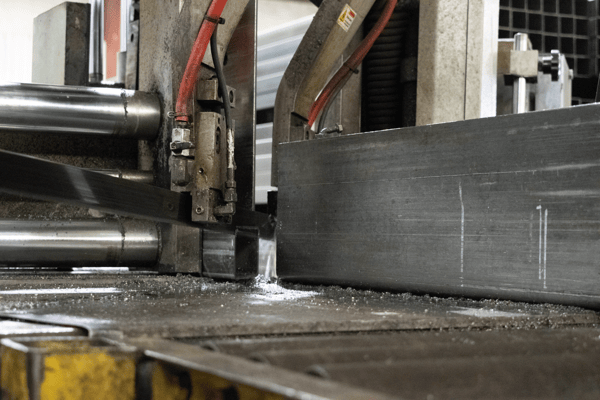
Shearing is a cutting process that uses two blades to slice through metal sheets or plates. The blades move past each other to cut the material.
The main purpose of shearing is to cut materials into desired shapes or sizes. It prepares materials for further processing or assembly.
Common Applications
Shearing is used in many industries to cut metals and other materials. It works well for making parts quickly and accurately.
- Cutting sheet metal for car parts
- Trimming steel plates in construction
- Shaping aluminum for electronics
- Preparing metal pieces for machinery
- Creating blanks for stamping processes

Credit: www.harsle.com
Types Of Shearing
Shearing is a cutting process used in metalworking. It uses force to cut material without burning or melting it.
There are different types of shearing. Each type has its own purpose and way of cutting metal.
Blanking
Blanking cuts a flat piece of metal from a larger sheet. The cut piece is called a blank.
Blanks are used to make parts like washers or discs. The waste metal is left behind.
Piercing
Piercing makes holes in a metal sheet. The punched-out pieces are scrap or used as small parts.
This process is common in making holes for screws or ventilation in metal parts.
Trimming
Trimming removes excess metal from the edges of a part. It cleans up the final shape.
This process is used after casting or forging to make parts smooth and accurate.
Slitting
Slitting cuts a wide metal coil into narrower strips. It uses rotary knives to make the cuts.
These strips are easier to handle and can be used for different products like wires or strips.
Shearing Equipment
Shearing is a process that cuts metal sheets by applying force. It uses sharp blades to slice through the material. This process is common in metalworking and manufacturing.
Different types of shearing machines help cut metal efficiently. Each machine suits specific needs and material thickness. Here are three main types of shearing equipment.
Mechanical Shears
Mechanical shears use a motor and gears to move the blades. They cut metal quickly and with high precision. These machines are ideal for thin to medium-thick metal sheets.
They work by moving the upper blade down on the metal sheet placed on the lower blade. The cutting action is fast and consistent.
- Fast cutting speed
- Good for high volume work
- Works well with thinner metals
Hydraulic Shears
Hydraulic shears use fluid pressure to move the blades. This gives strong and steady force to cut thick metal sheets. They are slower than mechanical shears but more powerful.
These machines are great for heavy-duty work. They can handle thicker and harder metals without damaging the blades.
- Strong cutting force
- Best for thick metal sheets
- Slower but powerful operation
Cnc Shears
CNC shears use computer controls to guide the cutting process. They provide very accurate and repeatable cuts. Operators can program the machine for complex patterns.
These shears improve efficiency and reduce errors. They work well in modern factories that need precise metal cutting.
- Computer-controlled cutting
- High precision and repeatability
- Good for complex shapes
Credit: blog.boydmetals.com
Metal Cutting Techniques
Metal cutting techniques are used to shape and size metal materials. These techniques are crucial in manufacturing and construction.
One common method is the shearing process. It involves cutting metal without forming chips or using burning or melting.
Shearing Vs. Other Methods
Shearing is different from other metal cutting methods. It cuts metal with a straight blade, like scissors cutting paper.
Other methods include sawing and laser cutting. Sawing uses a toothed blade, while laser cutting uses a focused beam.
- Shearing is faster for straight cuts
- Sawing is better for detailed shapes
- Laser cutting gives smooth edges
Advantages And Limitations
Shearing has some clear advantages. It is quick and efficient for straight cuts, and it produces no waste materials.
There are limitations too. Shearing is not ideal for thick metals. It may also cause slight deformation at the edges.
- Fast for thin metals
- Not suitable for complex shapes
- May need finishing for smooth edges
Factors Affecting Shearing
Shearing is a process used to cut materials like metal and plastic. The quality of the cut depends on many factors. These factors change how easy or hard it is to shear the material.
Understanding these factors helps in choosing the right tools and settings. This can save time and reduce waste.
Material Properties
The type and condition of the material affect shearing. Harder materials need more force to cut. Softer materials cut easier but may bend more.
Thickness and grain direction also matter. Thick materials take longer to shear. Grain direction can cause uneven cuts or cracks.
- Hardness: More force needed for hard materials
- Thickness: Thicker materials require stronger tools
- Grain direction: Affects cut smoothness and shape
- Surface finish: Smooth surfaces shear cleaner
Blade Clearance
Blade clearance is the gap between the cutting blades. It affects how clean and easy the cut is. Too small clearance can cause blades to stick or wear fast.
Too large clearance causes rough edges and more material waste. The right clearance depends on material thickness and type.
- Small clearance: Cleaner cuts but more blade wear
- Large clearance: Rough cuts and more waste
- Adjust clearance based on material thickness
Shear Angle
Shear angle is the tilt of the blade during cutting. It helps reduce the force needed to cut the material. A proper angle improves cut quality and blade life.
Too small an angle can increase force and damage blades. Too large an angle may cause uneven cuts or bending.
- Small shear angle: Higher cutting force
- Large shear angle: Risk of uneven cuts
- Choose angle based on material and blade type
Quality And Safety
The shearing process cuts metal sheets into shapes and sizes. It is important to keep high quality and ensure safety during this process.
Good quality means smooth, clean cuts. Safety protects workers from injuries while shearing machines run.
Cut Surface Quality
Cut surface quality depends on sharp blades and correct machine settings. Dull blades cause rough edges and cracks.
Proper blade clearance and speed help produce clean, precise cuts. This reduces waste and improves part fit.
- Use sharp blades regularly
- Set correct blade clearance
- Control shearing speed carefully
- Check cut edges for smoothness
Operator Safety Measures
Operators must follow safety rules to avoid accidents. Machines have guards and emergency stops to protect users.
Wearing protective gear like gloves and goggles helps prevent injuries from sharp metal and flying debris.
- Keep machine guards in place
- Use emergency stop buttons if needed
- Wear gloves and eye protection
- Never bypass safety devices
- Stay alert and focused while working
Maintenance Tips
Proper maintenance keeps the shearing process smooth and safe. Regular care of tools and equipment prevents breakdowns.
Follow these tips to extend the life of your shearing tools and avoid costly repairs.
Blade Care
Clean blades after each use to remove debris and buildup. Dirt can dull the blades and reduce cutting quality.
Sharpen blades regularly to keep them cutting well. Use the right tools and avoid overheating the blades.
- Wipe blades with a dry cloth after use
- Use blade oil to prevent rust
- Sharpen blades with a fine file or sharpening stone
- Store blades in a dry place
Equipment Inspection
Check the shearing machine before each use. Look for loose parts, worn belts, or damaged cables.
Tighten screws and bolts to keep the machine stable. Replace any damaged parts to avoid accidents.
- Inspect power cords for cuts or frays
- Test the machine’s safety switches
- Check the blade alignment and adjust if needed
- Clean dust and debris from vents and motors
Frequently Asked Questions
What Is The Shearing Process In Manufacturing?
The shearing process involves cutting materials like metal sheets using a straight blade. It creates clean, straight cuts without forming chips or using heat.
How Does Shearing Differ From Other Cutting Methods?
Shearing cuts materials by applying force without melting or removing material. Unlike machining, it is faster and more efficient for straight cuts.
What Materials Are Commonly Used In Shearing?
Shearing is mainly used for metals like steel, aluminum, and copper sheets. It can also cut plastics and thin composites effectively.
What Are The Main Advantages Of The Shearing Process?
Shearing offers quick, precise cuts with minimal waste. It is cost-effective, requires less power, and maintains material strength without heat damage.
Conclusion
Shearing process cuts materials using force along a straight line. It is fast and precise for shaping metal sheets. Many industries use shearing to create parts and components. This method saves time and reduces waste during production. Understanding shearing helps choose the right process for your needs.
It plays a key role in manufacturing and metalworking tasks. Simple, effective, and widely used—shearing remains important today.