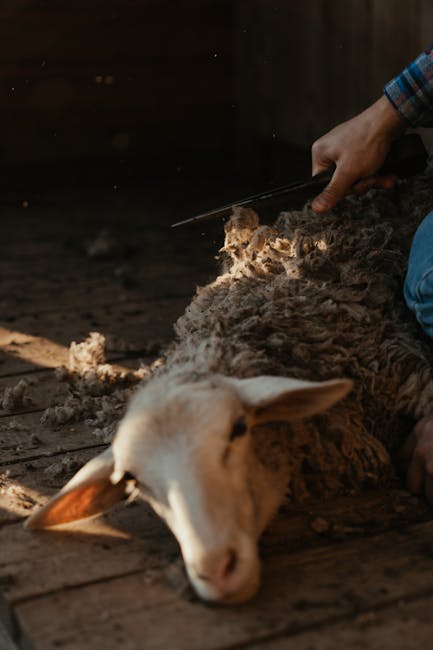
Have you ever wondered how wool goes from fluffy sheep to the cozy sweaters you love? It all starts with shearing sheep.
This simple but important process is the key to keeping sheep healthy and giving you the soft wool you enjoy. You’ll discover what shearing is, why it matters, and how it’s done. By the end, you’ll see shearing from a whole new perspective—and maybe even appreciate your next wool sweater a little more.
Keep reading to learn the secrets behind this fascinating skill!
Shearing Basics
Shearing sheep means cutting off their wool. It is an important task for sheep care. Proper shearing keeps sheep healthy and comfortable.
Understanding when and why to shear sheep helps farmers manage their flock better. Different types of wool need different care.
Purpose Of Shearing
Shearing removes the thick wool coat from sheep. This helps in many ways:
- Prevents overheating in warm weather
- Reduces the risk of parasites
- Makes it easier to check sheep for health problems
- Provides wool for making clothes and textiles
Types Of Sheep Wool
Sheep produce different types of wool. Each type has special uses and qualities. Wool types include:
| Wool Type | Description | Common Use |
| Fine Wool | Soft and thin fibers | High-quality clothing |
| Medium Wool | Durable and moderate softness | Blankets and upholstery |
| Coarse Wool | Thick and rough fibers | Rugs and heavy fabrics |
When To Shear
Timing is important for shearing. It depends on the climate and sheep’s wool growth. Many farmers shear sheep once a year.
- Shear in early spring to prepare sheep for warm weather
- Avoid shearing in very cold months to protect sheep
- Check wool length before shearing for best results
Tools And Equipment
Shearing sheep requires the right tools and equipment. Using good tools makes shearing easier and safer.
This guide explains the main tools used for shearing sheep. It also covers how to keep them in good shape and stay safe.
Hand Shears Vs Electric Clippers
Hand shears are simple scissors made for cutting wool. They need more effort but cost less and work without electricity.
Electric clippers use motors to cut wool faster. They save time but require power and careful handling.
- Hand Shears:No power needed, light, slow but precise
- Electric Clippers:Fast cutting, need electricity, heavier
- Choose based on your skill, sheep number, and power access
Maintenance Tips
Proper care keeps shearing tools sharp and working well. Clean blades after each use to remove wool and dirt.
Oil moving parts regularly to stop rust and reduce friction. Check blades often for dullness or damage.
- Clean blades with a brush or cloth after shearing
- Use clipper oil on blades and joints often
- Sharpen blades when cutting feels dull or uneven
- Store tools in a dry, safe place
Safety Gear
Safety gear protects you while shearing sheep. Wool and dirt can cause slips or cuts if you are not careful.
Wear gloves to protect your hands and boots with good grip for stable footing. Eye protection keeps debris away.
- Thick gloves to avoid cuts and blisters
- Non-slip boots to prevent falls
- Safety glasses to protect eyes from wool and dust
- Comfortable clothing that covers arms and legs
Preparing Sheep For Shearing
Shearing sheep is an important task. It helps keep sheep healthy. Proper preparation makes the process smooth and safe.
Before shearing, certain steps must be taken. This ensures the sheep are comfortable and the wool is clean.
Handling And Restraining
Sheep need to be calm during shearing. Gentle handling is key. It keeps them relaxed and prevents stress.
Use proper techniques to restrain sheep. This ensures their safety and the shearer’s safety too.
- Approach sheep slowly
- Hold sheep firmly but gently
- Use a shearing stand if needed
Cleaning The Fleece
A clean fleece is important for quality wool. Remove dirt and debris before shearing.
Check the sheep’s coat for twigs and mud. This helps in getting a clean cut.
- Brush the sheep’s coat
- Remove any visible debris
- Ensure the wool is dry
Health Checks
Health checks are vital before shearing. They ensure the sheep is fit and healthy.
Look for any signs of illness or injury. Address these issues before proceeding with shearing.
- Check for skin infections
- Look for cuts or wounds
- Ensure the sheep is well-fed

Credit: feltingandfiberstudio.com
Shearing Techniques
Shearing sheep means cutting their wool off. It is done to keep sheep healthy and comfortable. Good shearing needs skill and care.
Shearers use special tools and follow certain moves. These moves help remove wool quickly and safely. Learning the right techniques is very important.
Basic Shearing Moves
Start by holding the sheep steady. Use smooth, even strokes with the clippers. Move from the belly to the back.
Shear the legs and neck carefully. Finish by shearing the head and face. Follow the sheep’s body shape to avoid cuts.
- Hold sheep firmly but gently
- Use long, smooth strokes
- Start with the belly area
- Shear legs and neck carefully
- Finish with head and face
Avoiding Cuts And Injuries
Keep the blades sharp but not too close to the skin. Move slowly around sensitive areas like joints and face. Watch the sheep’s movements.
Use the right tools for the job. Check the sheep’s skin before shearing. Stop if the sheep is too stressed or moving too much.
- Keep blades sharp and clean
- Shear slowly near joints and face
- Hold sheep to reduce movement
- Use proper shearing tools
- Check skin before shearing
- Pause if sheep is stressed
Speed And Efficiency
Practice helps shearers get faster. Use the right hand positions for better control. Plan the shearing path to avoid extra moves.
Keep tools ready and clean. Work steadily without rushing. This keeps the sheep calm and improves wool quality.
- Practice often to improve speed
- Hold clippers with good control
- Plan the shearing path ahead
- Keep tools clean and ready
- Work steadily and calmly
- Keep sheep calm for better results
Wool Harvesting And Care
Shearing sheep is the process of cutting off the wool fleece. It happens once a year to keep sheep healthy. Wool is a valuable material used in many products.
After shearing, proper care of the wool is important. This keeps the wool clean and strong for use in textiles. Good handling helps keep the wool’s quality high.
Sorting And Grading Wool
Once the wool is sheared, it needs sorting. Wool is sorted by length, thickness, and cleanliness. Grading helps decide the best use for each batch of wool.
- Fine wool is soft and used for clothing
- Coarse wool is strong and used for carpets
- Dirty wool needs cleaning before use
- Damaged wool is separated out
Cleaning And Storage
Cleaning wool removes dirt, grease, and vegetable matter. This process is called scouring. Clean wool lasts longer and is easier to work with.
| Cleaning Step | Description |
| Sorting | Separate wool by quality before washing |
| Scouring | Wash wool in warm water and mild detergent |
| Rinsing | Remove soap and dirt with clean water |
| Drying | Air dry wool in a clean, shaded area |
Maximizing Wool Quality
Keeping wool quality high requires careful handling. Avoid storing wool in damp places. Protect wool from pests and sunlight.
- Store wool in dry, cool areas
- Use sealed containers to keep pests out
- Handle wool gently to avoid damage
- Shear sheep regularly to maintain wool growth

Credit: diamondhoofcare.com
Common Challenges
Shearing sheep is an important task for farmers and wool producers. It helps keep sheep healthy and comfortable. But it also comes with many challenges that need care and skill.
Understanding these challenges can make shearing easier and safer for both the sheep and the shearer. This guide covers three common issues people face during shearing.
Dealing With Difficult Sheep
Some sheep do not like being handled and may struggle or resist shearing. It is important to stay calm and use gentle handling to reduce stress.
- Approach the sheep slowly and speak softly.
- Use safe restraint techniques to keep the sheep still.
- Take breaks if the sheep becomes too stressed or tired.
- Work with experienced helpers when dealing with very difficult animals.
- Keep the shearing area quiet and free of distractions.
Weather Considerations
Weather plays a big role in shearing. Wet or very cold weather can cause problems for both the sheep and the shearer.
| Weather Condition | Challenge | Tip |
| Rain or Wet | Wool becomes harder to cut and can damage equipment | Wait for dry weather before shearing |
| Extreme Heat | Shearers and sheep can overheat and get tired quickly | Shear early in the morning or late afternoon |
| Cold Weather | Sheared sheep can get cold and sick | Provide shelter and dry bedding after shearing |
Troubleshooting Equipment
Shearing tools can break or stop working. Knowing how to fix common problems helps keep the work going smoothly.
- Check blades for sharpness and replace if dull.
- Clean equipment after each use to prevent clogging.
- Keep cords and batteries in good condition.
- Have spare parts ready for quick repairs.
- Follow the manufacturer’s instructions for maintenance.
Shearing Ethics And Animal Welfare
Shearing sheep is an important task that helps keep them healthy. It involves cutting off their wool safely. Doing this the right way protects the animals from harm.
Good shearing practices focus on animal welfare. They reduce stress and avoid injuries. Ethical shearing means treating sheep with care and respect.
Minimizing Stress
Sheep can feel scared during shearing. It is important to keep them calm. Moving slowly and gently helps reduce their stress.
Using quiet voices and avoiding sudden moves also helps. Shearers should work quickly but carefully to finish on time.
- Handle sheep with calm and steady hands
- Avoid loud noises near the animals
- Keep shearing sessions short
- Provide a safe, comfortable environment
Recognizing Signs Of Distress
Sheep show signs when they feel stressed or hurt. Watch their body language and sounds closely. Quick action can prevent more harm.
Signs include heavy breathing, struggling, or vocalizing loudly. Restlessness or freezing can also mean distress.
- Rapid breathing or panting
- Excessive movement or resistance
- Loud bleating or vocal sounds
- Stiff or frozen posture
Post-shearing Care
After shearing, sheep need gentle care. Check for any cuts or wounds. Clean and treat injuries to avoid infection.
Keep sheep in a sheltered area to protect them from cold and rain. Provide food and water to help them recover quickly.
- Inspect sheep for injuries
- Apply antiseptic to any cuts
- Keep sheep warm and dry
- Offer fresh water and good food
Improving Shearing Skills
Shearing sheep is a skill that takes time and practice to improve. Good shearing helps keep sheep healthy and comfortable.
Learning the right techniques and tools can make shearing easier and safer for both the shearer and the sheep.
Training Resources
There are many ways to learn shearing skills. Books, videos, and online courses offer valuable information. Hands-on training with experienced shearers is very helpful too.
- Watch shearing technique videos
- Read guides about sheep handling
- Attend workshops or training sessions
- Practice with the right tools
Practice Tips
Regular practice helps improve speed and accuracy. Start with fewer sheep to build confidence. Focus on safe handling and smooth movements.
| Practice Tip | Description |
| Use Proper Tools | Keep shears sharp and clean |
| Work Slowly | Focus on control, not speed |
| Handle Sheep Gently | Reduce stress for better results |
| Repeat Regularly | Build muscle memory over time |
Joining Shearing Communities
Joining groups of shearers can help you learn faster. Sharing tips and experiences builds confidence. It also helps to find local shearing events.
Benefits of Shearing Communities:
- Meet experienced shearers
- Ask questions and get advice
- Practice with others
- Stay updated on tools and techniques

Credit: waltin.se
Frequently Asked Questions
What Is Shearing Sheep And Why Is It Important?
Shearing sheep is the process of cutting off their wool. It keeps sheep comfortable and prevents health issues like overheating and infections.
When Is The Best Time To Shear Sheep?
The best time to shear sheep is in early spring. This timing helps sheep stay cool in summer and regrow wool before winter.
How Often Should Sheep Be Sheared Annually?
Most sheep are sheared once a year. Some breeds with faster wool growth may require shearing twice annually for optimal health.
What Tools Are Used For Shearing Sheep?
Shearing is done using electric clippers or traditional hand shears. Proper tools ensure a quick, safe, and clean wool removal.
Conclusion
Shearing sheep is a simple but important task. It helps keep sheep healthy and comfortable. Removing wool prevents overheating and skin problems. Wool can be used for clothes and other products. Proper shearing takes care and skill. It also shows respect for the animals.
Understanding shearing helps appreciate farming work more. It connects us to nature and tradition. Caring for sheep is part of good farming. Shearing brings benefits to both sheep and people.