Have you ever wondered how engineers make sure buildings, bridges, and machines stay strong and safe? One key factor they rely on is something called shearing strength.
Understanding shearing strength can help you grasp why materials hold together under pressure or break apart. If you want to learn how this concept affects the things around you—and even your own projects—keep reading. By the end, you’ll see why shearing strength matters more than you might think.
Credit: weldinganswers.com
Shearing Strength Basics
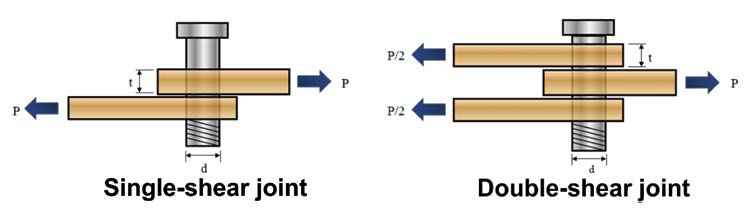
Shearing strength is the ability of a material to resist forces that try to make its parts slide past each other. It is important in construction, manufacturing, and engineering.
Understanding shearing strength helps engineers design safe and strong structures. It ensures materials can handle the forces they face.
Definition And Importance
Shearing strength measures how much force a material can take before it breaks by sliding. It shows the material’s ability to hold together under stress.
This strength is important for parts like bolts, beams, and joints. It helps prevent failures and accidents in buildings and machines.
Units Of Measurement
Shearing strength is measured as force divided by area. It tells how much force pushes on a certain part of the material.
- Pascals (Pa) or megapascals (MPa) in metric units
- Pounds per square inch (psi) in imperial units
- Newtons per square millimeter (N/mm²) also used
Common Materials Tested
Many materials are tested for shearing strength to ensure safety and quality. These tests help choose the right material for the job.
- Metals like steel and aluminum
- Wood used in construction
- Concrete for buildings and roads
- Plastics in manufacturing
- Composites for strong, lightweight parts
Factors Affecting Shearing Strength
Shearing strength is an important property in materials science. It measures how well a material can resist forces that cause layers to slide against each other.
Several factors influence a material’s shearing strength. Understanding these factors helps in selecting the right materials for different applications.
Material Composition
The composition of a material affects its shearing strength. Different materials have varying abilities to resist sliding forces.
Metals, plastics, and composites all have unique properties. These properties influence how they respond to shearing forces.
- Metals usually have high shearing strength
- Plastics vary widely in shearing strength
- Composites can be designed for specific strengths
Temperature Effects
Temperature changes can alter a material’s shearing strength. High temperatures may weaken some materials.
When materials are heated, their structure can change. This affects how they handle shearing forces.
- Metals may soften at high temperatures
- Plastics can melt or deform
- Low temperatures may increase brittleness
Surface Conditions
The condition of a material’s surface impacts its shearing strength. Smooth surfaces may slide more easily.
Rough surfaces provide more resistance to sliding forces. This increases the shearing strength.
- Smooth surfaces reduce friction
- Rough surfaces increase resistance
- Coatings can change surface properties
Testing Methods
Shearing strength measures a material’s resistance to sliding forces. Testing methods help find this strength in soils and materials.
Different tests use various tools and setups to apply shear forces. These tests give engineers data to design safe structures.
Direct Shear Test
The direct shear test uses a box divided into two halves. The sample sits between these halves. A horizontal force moves one half to cause shear.
- Apply a vertical load to the sample.
- Move the lower half horizontally at a steady rate.
- Measure the shear force and displacement.
- Calculate shear strength from the peak force.
Torsion Test
The torsion test twists a cylindrical sample to create shear stress. This method is useful for soils and rocks with uniform structure.
| Parameter | Description |
| Sample Shape | Cylindrical |
| Force Type | Twisting (Torque) |
| Measurement | Torque and angle of twist |
| Output | Shear strength and modulus |
Punching Shear Test
The punching shear test checks strength by pushing a punch through a sample. It is common for concrete slabs and plates.
This test shows how much load causes the material to fail by punching through it. It helps design safe floors and foundations.
Credit: www.researchgate.net
Applications In Engineering
Shearing strength is the ability of a material to resist forces that try to cut or slide its layers. Engineers use this property to ensure structures and machines stay safe and work well.
This strength is critical in design and safety checks. It helps predict when parts might fail under stress or load.
Structural Design
In structural design, shearing strength helps engineers choose the right materials and sizes. It ensures beams, columns, and joints can handle forces without breaking.
- Used to calculate load limits on beams and supports
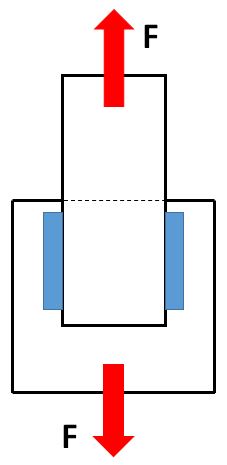
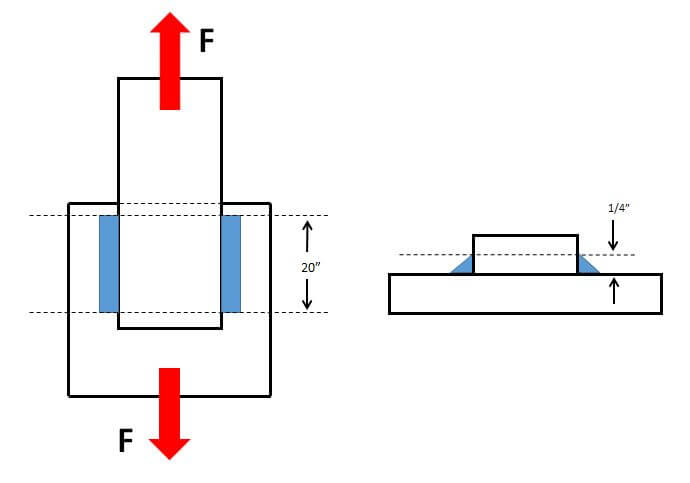
- Important in designing connections like bolts and welds
- Ensures safety against sliding failures in walls and floors
Machine Components
Machine parts often face shearing forces during operation. Knowing shearing strength helps engineers design parts that last longer and avoid sudden breaks.
| Component | Common Shearing Stress Location | Material Consideration |
| Shafts | Keyways and shoulders | High shear strength metals |
| Bolts | Shank near threads | Hardened steel alloys |
| Gears | Teeth roots | Heat-treated steel |
Safety Considerations
Safety depends on understanding shearing strength to prevent accidents. Engineers must check this property in all load-bearing parts.
Key safety steps include:
- Regular inspection of parts for shear damage
- Using materials with adequate shear strength
- Designing with safety factors to handle unexpected loads
- Replacing worn or damaged components promptly
Improving Shearing Strength
Shearing strength is the ability of a material to resist forces that cause parts to slide past each other. Improving this strength helps materials last longer under stress.
There are several ways to increase shearing strength. These include choosing the right material, using heat treatments, and applying surface treatments.
Material Selection
Selecting a strong and tough material is key to better shearing strength. Metals like steel and titanium often perform well in shearing tests.
- Choose materials with high tensile strength
- Use alloys designed for heavy loads
- Avoid brittle materials that break easily
- Consider materials with good ductility
Heat Treatment
Heat treatment changes the internal structure of metals. This process can make a material harder and stronger against shearing forces.
| Heat Treatment | Effect on Shearing Strength |
| Annealing | Softens metal, lowers shearing strength |
| Quenching | Increases hardness and shearing strength |
| Tempering | Balances hardness and toughness |
Surface Treatments
Surface treatments protect materials from wear and increase shearing resistance. These treatments add a hard layer or improve surface quality.
- Case hardening forms a hard outer shell
- Coatings reduce friction and wear
- Shot peening increases surface compressive stress
- Surface polishing removes weak spots
Common Failures And Prevention
Shearing strength is the ability of a material to resist forces that cause it to slide or fail along a plane. Understanding common failures and how to prevent them is important for safe and durable designs.
This guide covers signs of shear failure, design strategies, and maintenance tips to help avoid structural problems and damage.
Signs Of Shear Failure
Shear failure can show up in different ways depending on the material and structure. Early detection helps to prevent bigger issues.
- Visible cracks or splits near joints or connections
- Bulging or deformation along shear planes
- Sudden drops in load-bearing capacity
- Noise such as popping or cracking sounds
- Loose or separated components in the structure
Design Strategies
Good design reduces the risk of shear failure by using proper materials and structural elements. Engineers apply several strategies to increase shear strength.
| Design Element | Purpose | Example |
| Reinforcement | Resist shear forces | Steel bars in concrete beams |
| Shear connectors | Transfer shear loads safely | Bolts or welds between steel plates |
| Geometry | Distribute stress evenly | Thicker sections where shear is high |
| Material choice | Use strong and tough materials | High-strength steel or composites |
Maintenance Tips
Regular maintenance helps detect problems early and extends the life of structures. Follow these tips to avoid shear failure over time.
- Inspect joints and connections for cracks or corrosion
- Remove rust and repaint metal surfaces
- Tighten bolts and fasteners regularly
- Replace damaged or worn components quickly
- Keep drainage systems clear to prevent water damage
Credit: weldinganswers.com
Frequently Asked Questions
What Is The Definition Of Shearing Strength?
Shearing strength is the maximum stress a material can withstand before failure in shear. It measures resistance to sliding forces. This property is crucial in structural engineering and material science for safe design.
How Is Shearing Strength Measured?
Shearing strength is measured by applying force parallel to the surface until material failure. Tests like the direct shear test determine this value. The result helps engineers assess material suitability for load-bearing applications.
Why Is Shearing Strength Important In Construction?
Shearing strength ensures structures can resist sliding forces and maintain stability. It prevents failures in beams, bolts, and joints under load. Understanding this strength is vital for safe, durable building designs.
Which Materials Have High Shearing Strength?
Metals like steel and titanium have high shearing strength. Some composites and reinforced concrete also show strong shear resistance. Selecting materials with proper shear strength improves structural integrity.
Conclusion
Shearing strength shows how materials resist sliding forces. It helps engineers design safer structures. Knowing this strength prevents failures in beams, bolts, and joints. It plays a key role in construction and manufacturing. Understanding shearing strength makes building more reliable and strong.
Always consider it when choosing materials for projects. Simple but important.