
Are you curious about how to keep your home comfortable year-round while being energy efficient? If so, understanding what a split system heat pump is could be your next step towards achieving that goal.
You might have heard the term tossed around in discussions about home heating and cooling, but what exactly is it, and how can it benefit you? We’ll break down everything you need to know about split system heat pumps in a way that’s easy to grasp.
Imagine having a solution that not only saves you money but also reduces your carbon footprint. Intrigued? Keep reading to discover how this technology works and why it might just be the perfect fit for your home.
Split System Heat Pump Basics
A split system heat pump is a heating and cooling system for homes. It moves heat from one place to another to keep rooms warm or cool.
This system uses two separate units: one inside and one outside. It is energy-efficient and can work all year round.
Components And Design
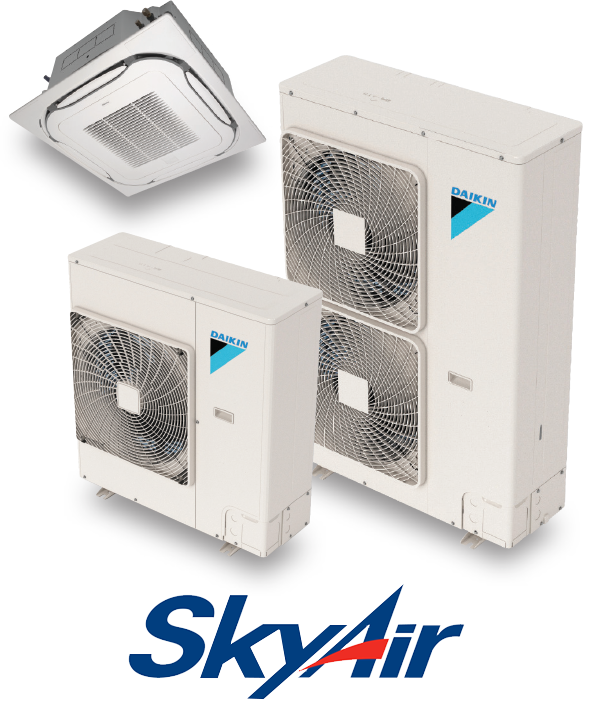
The split system heat pump has two main parts. The outdoor unit has the compressor and condenser. The indoor unit has the evaporator and air handler.
These parts connect with refrigerant pipes and electrical wires. The design helps move heat between inside and outside effectively.
- Outdoor unit: compressor, condenser coil, fan
- Indoor unit: evaporator coil, blower, air filter
- Refrigerant lines: transfer heat between units
- Thermostat: controls the system operation
How It Works
The heat pump moves heat using refrigerant and a compressor. It can heat or cool air depending on the season.
In heating mode, it takes heat from outside air and moves it inside. In cooling mode, it removes heat from inside air and releases it outside.
- Compressor pumps refrigerant through the system
- Refrigerant absorbs heat from air or ground
- Heat moves between indoor and outdoor units
- Air handler blows warm or cool air inside
Credit: daikincomfort.com
Types Of Split System Heat Pumps
Split system heat pumps come in different types to fit various needs. They provide heating and cooling by moving air between indoor and outdoor units.
Understanding the types helps you choose the right system for your home or office. Here are two common types of split system heat pumps.
Air-source Heat Pumps
Air-source heat pumps transfer heat between the outside air and indoor spaces. They work well in moderate climates and are energy efficient.
These systems have an outdoor compressor and an indoor air handler. They use refrigerant to absorb and release heat as needed.
- Provide both heating and cooling
- Use outside air as a heat source or sink
- Require outdoor space for the compressor unit
- Can reduce energy costs compared to traditional heating
Ductless Mini-split Systems
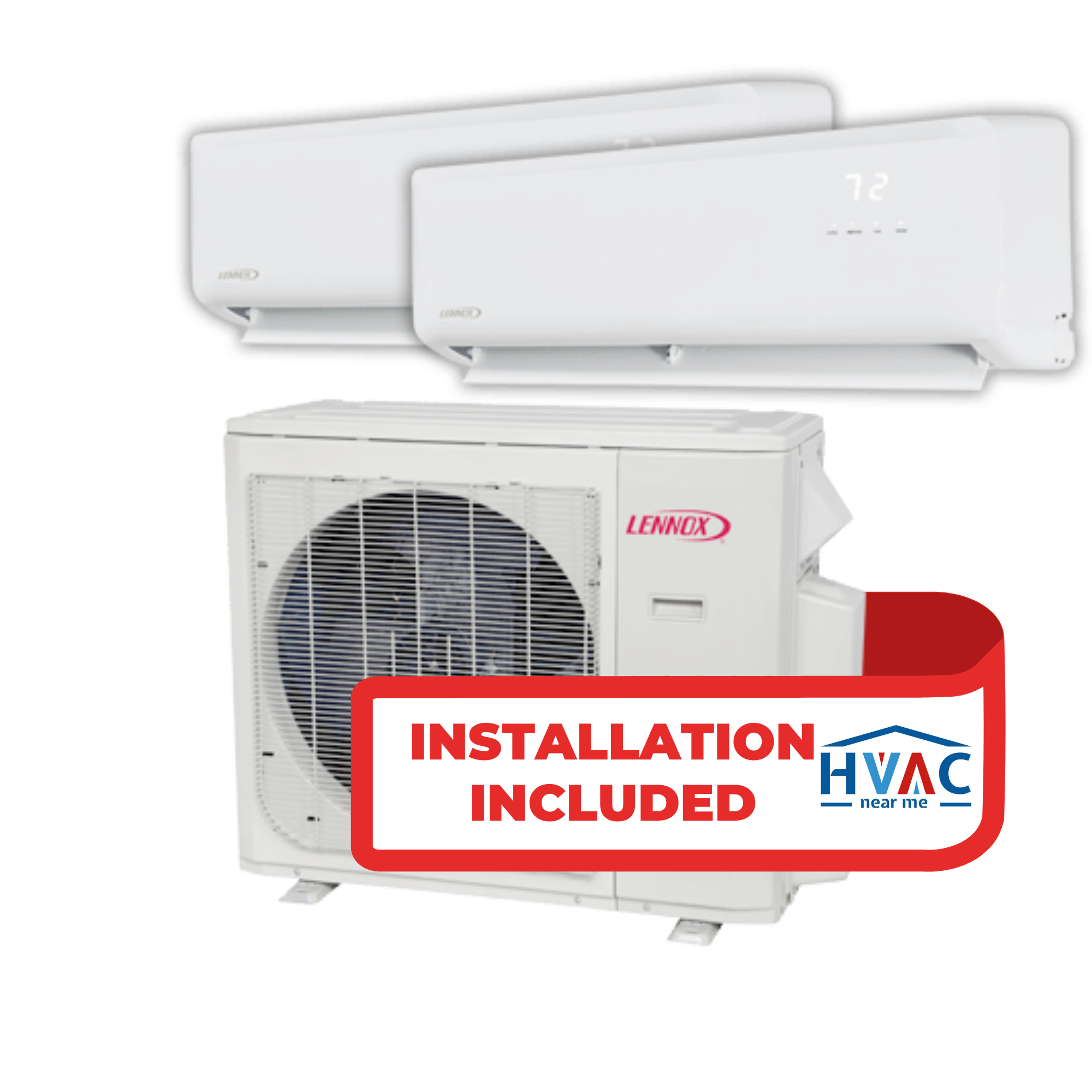
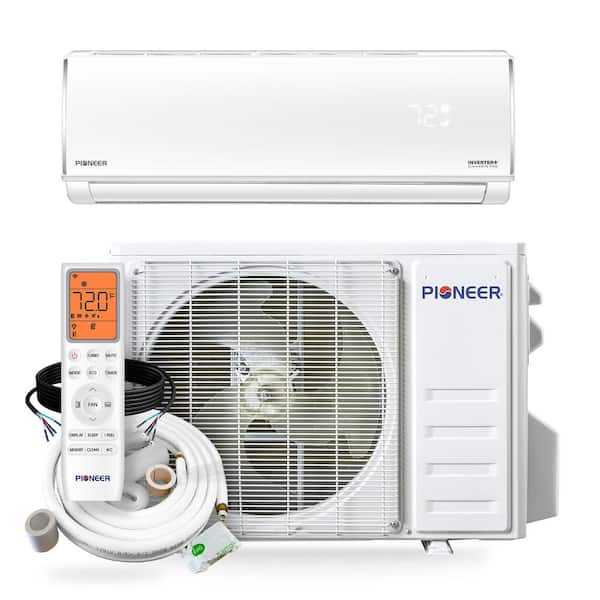
Ductless mini-split systems do not need air ducts. They have one outdoor unit and one or more indoor air handlers.
These systems are easy to install and offer flexible cooling and heating for specific rooms or zones.
- Ideal for homes without ductwork
- Allow individual control of each indoor unit
- Save energy by heating or cooling only used spaces
- Quiet operation with sleek indoor units
Energy Efficiency Benefits
Split system heat pumps use less electricity than many other heating systems. They move heat instead of creating it, saving energy.
These systems provide efficient heating and cooling all year. They help reduce energy bills and lower carbon footprints.
Lower Energy Consumption
Split system heat pumps use less power by transferring heat between indoors and outdoors. They need less energy than electric heaters.
- They work well in mild weather to save electricity.
- They reduce the need for fossil fuels.
- They keep indoor temperatures steady without wasting energy.
Seasonal Performance
These heat pumps adjust to changing seasons to keep homes comfortable. They provide cooling in summer and heating in winter efficiently.
| Season | Function | Energy Use |
| Winter | Heat extraction from outside air | Low to moderate |
| Summer | Heat removal from indoors | Low |
| Spring/Fall | Minimal heating or cooling | Very low |
Credit: hvacnearme.ca
Cost Savings And Return On Investment
A split system heat pump helps save energy by moving heat efficiently. It costs less to run than many traditional heaters.
Understanding the costs and savings can help you see the value of this system over time.
Installation Costs
Installing a split system heat pump costs less than some full HVAC systems. The price depends on the size and complexity.
Labor and materials also affect the total cost. Proper installation is important for good performance and savings.
- Equipment price varies by brand and capacity
- Labor costs depend on location and installer
- Additional parts may be needed for older homes
Long-term Savings
Split system heat pumps use less electricity than electric heaters. This lowers your monthly energy bills.
These savings add up over time, making the heat pump a smart investment for many homes.
- Reduces heating and cooling costs by up to 50%
- Works efficiently in mild climates
- Can last 15 years or more with maintenance
- May increase home value due to energy efficiency
Installation Considerations
Installing a split system heat pump requires careful planning. Proper installation ensures efficient operation and long system life.
Two main factors to consider are sizing and placement, and whether to hire a professional or do it yourself.
Sizing And Placement
Choosing the right size heat pump is key. A system too small will not heat or cool well. One too large wastes energy and money.
- Calculate the area the pump needs to cover
- Consider insulation and window size of the space
- Check the local climate and temperature extremes
- Select a unit with capacity matching the heat load
- Place the outdoor unit in a shaded, well-ventilated area
- Keep indoor units away from direct sunlight and heat sources
Proper placement helps the system run smoothly and reduces wear and tear.
Professional Vs Diy Installation
Deciding who installs the heat pump affects cost and system reliability. Professionals bring expertise and proper tools.
| Installation Aspect | Professional Installation | DIY Installation |
| Skill Level Needed | High – trained technicians | Varies – may lack experience |
| Tools and Equipment | Specialized tools provided | Must acquire or rent tools |
| Time Required | Usually faster | Longer due to learning curve |
| Warranty and Support | Often included | May be voided |
| Cost | Higher upfront | Lower upfront |
For safety and efficiency, many choose professional installation. DIY may suit those with technical skills and time.
Credit: www.homedepot.com
Maintenance Tips For Efficiency
Split system heat pumps need regular care to work well. Proper maintenance helps save energy and lowers costs.
Following simple tips keeps your system running smoothly and extends its life.
Regular Cleaning
Clean the filters and coils often to keep air flowing freely. Dust and dirt reduce the pump’s efficiency.
Cleaning helps prevent damage and keeps your home comfortable.
- Remove and wash air filters every month.
- Clean outdoor coils gently to avoid bending fins.
- Keep the area around the outdoor unit free of debris.
- Check and clean the drain line to avoid clogs.
System Inspections
Inspect your heat pump regularly to catch small problems early. This keeps the system efficient and safe.
Look for leaks, unusual noises, and check refrigerant levels.
- Check the thermostat settings for accuracy.
- Inspect electrical connections for damage or wear.
- Listen for strange sounds during operation.
- Hire a professional for yearly detailed inspections.
Common Issues And Troubleshooting
Split system heat pumps are popular for heating and cooling homes. Like any machine, they can have problems. Knowing common issues helps you fix them quickly.
This guide explains common problems with split system heat pumps. It also offers simple troubleshooting tips to improve performance and reduce noise.
Performance Drops
Performance drops mean the heat pump does not heat or cool well. This problem can make your home uncomfortable and increase energy bills.
Common causes include dirty filters, blocked outdoor units, or low refrigerant levels. These reduce the system’s ability to work efficiently.
- Check and clean air filters regularly.
- Remove leaves and debris around the outdoor unit.
- Look for ice buildup on the outdoor coil.
- Call a technician if refrigerant is low or leaking.
Noise Problems
Unusual noises from your heat pump may signal mechanical issues. Loud sounds can disturb your home and show parts need attention.
Common noise problems include rattling, buzzing, or humming. These often come from loose parts, debris, or worn-out components.
- Check for loose screws or panels on the outdoor unit.
- Clear any debris near the fan or motor.
- Inspect fan blades for damage or dirt.
- Contact a professional if the noise continues after cleaning.
Comparing Split System Heat Pumps To Alternatives
Split system heat pumps are a popular choice for heating and cooling homes. They use outside air to warm or cool indoor spaces efficiently. Let’s compare them to other systems to understand their benefits and drawbacks.
This comparison covers traditional HVAC systems and other types of heat pumps. It helps you see how split system heat pumps differ from common options.
Traditional Hvac Systems
Traditional HVAC systems usually include separate heating and cooling units. They often use gas or electric furnaces for heat and air conditioners for cooling.
These systems can be less energy efficient than heat pumps. They also require more maintenance because of multiple parts.
- Use fuel like gas or oil for heating
- Separate units for heating and cooling
- Higher energy costs in cold weather
- More complex installation and upkeep
Other Heat Pump Types
Besides split system heat pumps, other types include packaged and ductless mini-split heat pumps. Each has unique features and uses.
Packaged heat pumps combine all parts in one unit outside. Ductless mini-splits do not need ductwork and cool or heat individual rooms.
- Packaged heat pumps: all-in-one outdoor unit
- Ductless mini-splits: no ductwork, room-by-room control
- Split systems: separate indoor and outdoor units
- Energy efficiency varies by type and use
Frequently Asked Questions
What Is A Split System Heat Pump?
A split system heat pump consists of indoor and outdoor units. It transfers heat to warm or cool your home efficiently. This system is energy-saving and ideal for moderate climates. It provides year-round comfort with lower energy bills.
How Does A Split System Heat Pump Work?
It extracts heat from outside air and transfers it indoors. During summer, it reverses to cool your home. The system uses refrigerant to absorb and release heat. This process is energy-efficient compared to traditional heating and cooling.
What Are The Benefits Of Split System Heat Pumps?
They offer efficient heating and cooling with low energy use. Installation is flexible, needing less space than central systems. These pumps reduce carbon footprint and lower utility costs. They also provide quiet operation and consistent indoor comfort.
Are Split System Heat Pumps Cost-effective?
Yes, they save energy and reduce heating and cooling bills. Initial installation costs can be higher but pay off over time. Maintenance is minimal, enhancing long-term savings. They are a smart investment for energy-conscious homeowners.
Conclusion
Split system heat pumps provide both heating and cooling in one unit. They use less energy than traditional systems. Installation is usually easy and flexible. These systems work quietly and keep homes comfortable year-round. Choosing one can lower energy bills and reduce environmental impact.
Understanding how they work helps you make smart home decisions. Consider a split system heat pump for efficient temperature control. Simple, effective, and reliable—an option worth thinking about.