Are you curious about how your vehicle’s exhaust system affects its performance and sound? If so, understanding what a straight pipe exhaust system is can open your eyes to a whole new level of automotive customization.
This simple-looking setup can change the way your engine breathes, making your ride louder, faster, and more aggressive. But is it the right choice for you? Keep reading to discover how straight pipe exhausts work, their benefits, and what you need to consider before making the switch.
Your car—and your ears—might thank you.

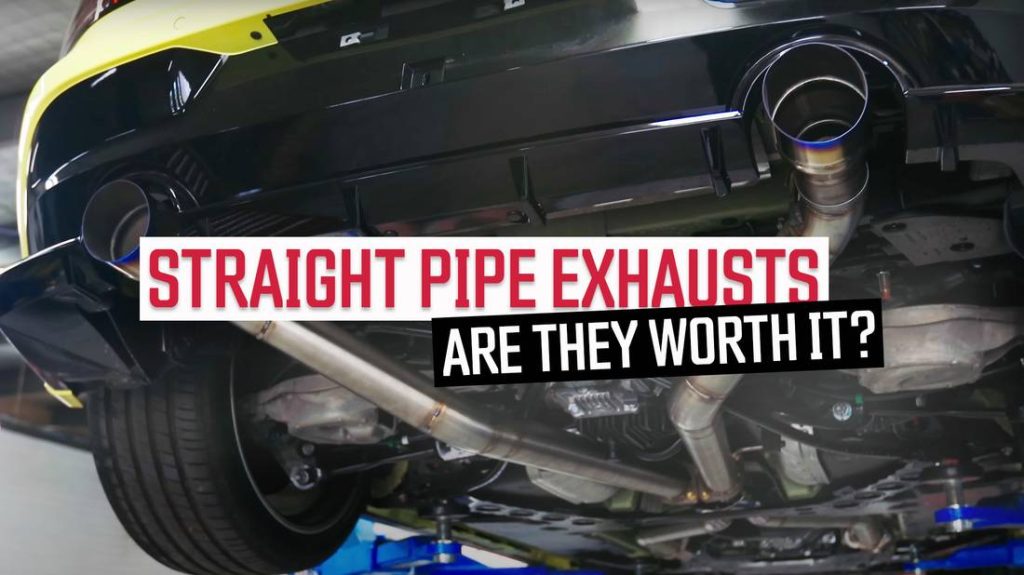
Credit: carbuzz.com
Straight Pipe Exhaust Basics
Straight pipe exhaust systems use simple pipes without mufflers or catalytic converters. They help exhaust gases flow out quickly.
These systems are common in performance and racing cars for better engine breathing and sound.
Key Components
A straight pipe exhaust system has fewer parts than standard exhausts. It mainly consists of pipes that direct gases out of the engine.
- Exhaust Pipe:The main tube that channels exhaust gases out.
- Headers:Pipes that connect the engine to the exhaust pipe.
- Flanges and Clamps:Parts that join pipes securely together.
- Tips:The visible end of the exhaust pipe.
How It Works
Exhaust gases leave the engine and enter the headers. Then they move through the straight pipes without obstacles. This reduces back pressure.
| Process Step | Description |
| 1. Gas Exit | Gases exit engine cylinders into headers. |
| 2. Flow Through Pipes | Gases travel through straight pipes quickly. |
| 3. Release | Gases leave the vehicle through the exhaust tip. |
| 4. Sound | Sound is louder due to no mufflers. |

Credit: burnsstainless.com
Performance Benefits
Straight pipe exhaust systems remove restrictions in the exhaust flow.
This design helps engines perform better by allowing gases to exit faster.
Increased Horsepower
Straight pipes reduce backpressure, which helps the engine breathe easier.
- Improves engine efficiency
- Allows more power output
- Supports better throttle response
- Enhances acceleration
Improved Exhaust Flow
The smooth, wide pipes help exhaust gases move quickly and smoothly.
| Benefit | Effect |
| Reduced backpressure | Faster gas exit |
| Straight design | Less turbulence |
| Wider diameter | Improved flow rate |
Sound And Noise Levels
Straight pipe exhaust systems change how a vehicle sounds. They remove parts that quiet the noise.
This makes the engine noise louder and sharper. It affects both the tone and the volume of sound.
Distinctive Exhaust Notes
Straight pipes create a deep and raw exhaust note. The sound is more aggressive and clear.
Without mufflers, the engine’s power pulses are heard more strongly. This gives a unique engine voice.
- Deeper and louder sound
- More engine noise heard
- Distinct rumble or roar
Impact On Noise Pollution
Straight pipe systems increase noise pollution. The loud sound can disturb people nearby.
Many places have rules about loud exhausts. Excess noise can lead to fines or penalties.
- Louder than stock exhausts
- Can break local noise laws
- May cause complaints from neighbors
Installation Considerations
Installing a straight pipe exhaust system needs careful thought. It is important to know how it fits and works with your vehicle.
Proper installation ensures good performance and prevents damage to the vehicle or the exhaust system.
Compatibility With Vehicles
Not all vehicles can use a straight pipe exhaust system. Some cars need specific parts or designs to fit well.
Check the make, model, and engine type before choosing a straight pipe system. It must match the vehicle’s exhaust layout.
- Sports cars often fit straight pipe systems better
- Trucks may need stronger materials due to size
- Older cars might need custom parts for fit
Required Modifications
Installing a straight pipe exhaust may need changes to the vehicle. These changes help the system fit and work correctly.
Modifications can include cutting existing pipes, removing mufflers, or adjusting hangers and mounts.
- Cutting old pipes to connect new straight pipe sections
- Removing mufflers for a direct exhaust flow
- Adjusting or replacing exhaust hangers for support
- Ensuring proper sealing to avoid leaks
Legal And Environmental Impact
Straight pipe exhaust systems remove the muffler and catalytic converter. This affects how a vehicle releases gases into the air.
Understanding the legal and environmental effects is important before installing one.
Emissions Regulations
Many countries have strict rules on car emissions. These rules limit harmful gases from vehicles. Removing emission controls breaks these laws.
- Cars must have a catalytic converter to reduce pollution
- Regular vehicle inspections check for emissions compliance
- Failing emissions tests can lead to fines or repairs
- Some areas ban straight pipe systems on public roads
Potential Legal Issues
Using a straight pipe exhaust can cause legal problems. Law enforcement may issue tickets for illegal exhaust modifications. It can also void vehicle warranties and insurance.
| Legal Concern | Possible Consequence |
| Emissions violation | Fines or vehicle impoundment |
| Noise regulation breach | Tickets or forced removal |
| Inspection failure | Denied registration renewal |
| Insurance issues | Claim denial |
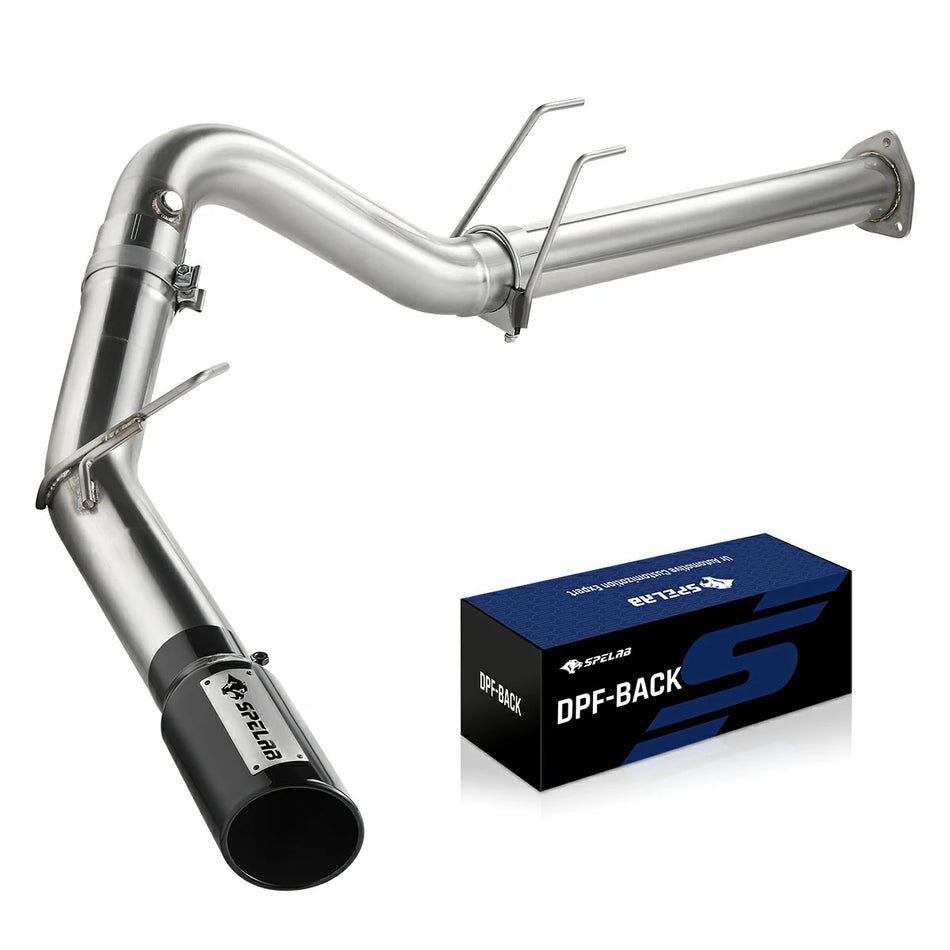
Credit: www.spelabautoparts.com
Maintenance And Durability
Straight pipe exhaust systems need regular care to last long. Proper maintenance helps avoid rust and damage.
Durability depends on materials used and how well you take care of the system.
Common Wear Factors
Heat and moisture cause the most damage to straight pipe exhaust systems. They can lead to rust and cracks.
Road debris and dirt can also harm the pipes. Vibrations from the engine may cause loose joints or breaks.
- Exposure to water and salt causes rust
- High engine heat weakens metal over time
- Road stones can dent or crack pipes
- Engine vibrations loosen connections
Longevity Tips
Check your straight pipe exhaust often for signs of rust or damage. Clean the pipes to remove dirt and salt.
Use heat-resistant paint or coatings to protect metal. Tighten all bolts and connections regularly to avoid leaks.
- Inspect pipes every few months
- Clean off dirt and salt after driving
- Apply protective coatings to metal
- Secure all joints and bolts tightly
- Avoid driving through deep water
Cost Factors
Straight pipe exhaust systems have different costs to think about. Understanding these costs helps you plan your budget well.
Costs include the price to buy and install the system plus how it affects your expenses over time.
Initial Investment
The first cost is the price of the straight pipe exhaust system itself. Prices vary by material and size.
Installation costs also add to the initial investment. Professional installation can cost more but ensures safety.
- Material cost depends on type and quality
- Labor cost varies by location and complexity
- Additional parts may increase total price
Long-term Savings
Straight pipe exhaust systems can save money over time. They often reduce weight, which improves fuel efficiency.
Lower maintenance costs are possible because straight pipes have fewer parts that can fail or clog.
- Better fuel economy lowers fuel expenses
- Simple design reduces repair needs
- Less frequent part replacement saves money
Comparing To Other Exhaust Systems
Straight pipe exhaust systems remove mufflers and catalytic converters. This lets exhaust gases flow freely out of the engine.
These systems differ from other exhaust types that include mufflers or other parts. They affect sound, performance, and emissions in many ways.
Muffler Systems
Muffler systems use a muffler to reduce exhaust noise. They slow down and quiet the exhaust gases.
Compared to straight pipe systems, muffler systems are much quieter. They help meet noise laws and keep sound levels low.
- Mufflers reduce engine noise
- They can slightly reduce exhaust flow
- Better for daily driving and neighborhoods
- Can lower engine power compared to straight pipes
Cat-back Exhausts
Cat-back exhausts start after the catalytic converter and run to the exhaust tip. They include pipes and mufflers but keep the cat.
Compared to straight pipe systems, cat-back systems keep emissions controls active. They balance sound, power, and emissions better.
- Keep catalytic converter for emissions control
- Improve exhaust flow over stock pipes
- Quieter than straight pipes but louder than mufflers only
- Good balance of power and noise
Frequently Asked Questions
What Is A Straight Pipe Exhaust System?
A straight pipe exhaust system removes restrictions by using a simple, straight pipe. It increases exhaust flow and reduces backpressure. This improves engine performance and sound. It’s common in racing or performance vehicles but may not meet noise or emissions regulations.
How Does A Straight Pipe Exhaust Affect Performance?
Straight pipe exhausts improve performance by allowing gases to exit faster. This reduces backpressure on the engine. It can increase horsepower and throttle response. However, gains depend on the vehicle and tuning. It may cause louder noise and reduced torque at low RPM.
Are Straight Pipe Exhausts Legal On Public Roads?
Legality varies by location. Many regions ban straight pipe systems on public roads due to noise and emissions rules. They often violate pollution standards. Always check local laws before installing. Using a straight pipe exhaust off-road or in racing events is usually allowed.
What Sound Does A Straight Pipe Exhaust Produce?
A straight pipe exhaust produces a louder, more aggressive sound. It amplifies engine noises by removing mufflers and catalytic converters. The tone is deeper and more raw. This appeals to enthusiasts but can be disruptive in residential areas or public roads.
Conclusion
Straight pipe exhaust systems offer a unique driving experience. They enhance engine performance and create a bold sound. Many car enthusiasts appreciate these benefits. Yet, they come with some challenges. Noise regulations and emissions may be a concern. It’s essential to consider local laws before installation.
Evaluate your needs and preferences carefully. This system might be perfect for you. Or not. Always weigh pros and cons. Make an informed decision. Enjoy the journey with your vehicle. Make it yours.