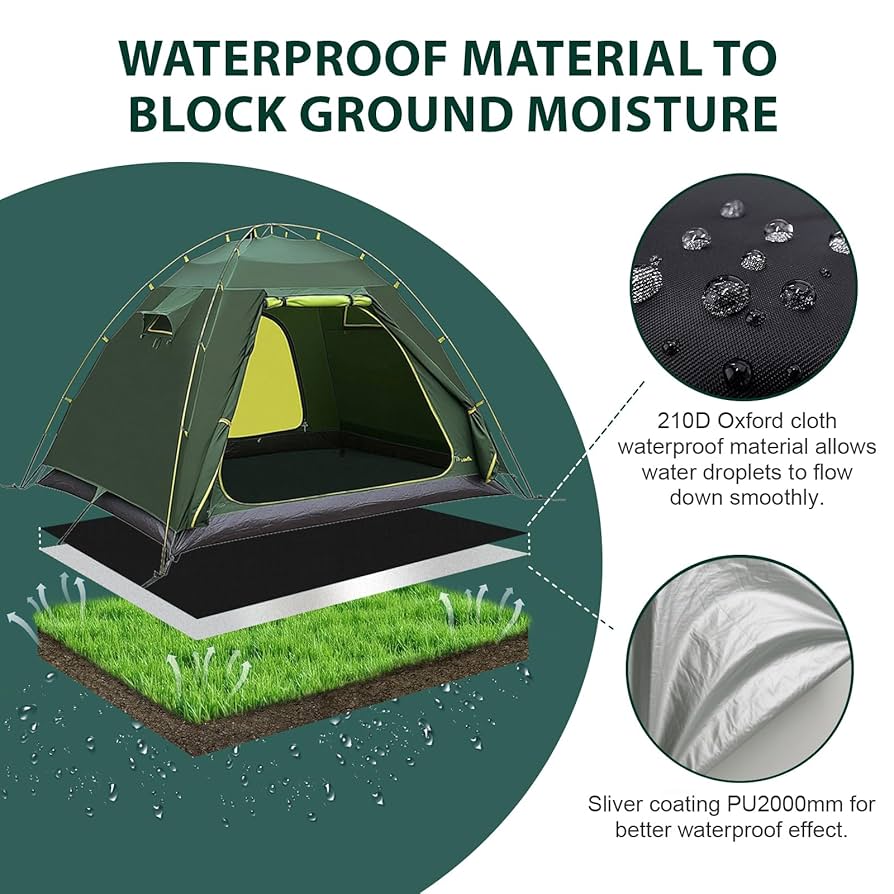
When you’re setting up your tent, have you ever wondered what a tent footprint is and why it matters? Understanding this simple piece of gear can change the way you camp.
A tent footprint protects your tent floor, keeps you dry, and helps your tent last longer. If you want to make your camping experience more comfortable and hassle-free, knowing about tent footprints is a must. Keep reading, and you’ll discover how this small addition can make a big difference on your next adventure.
Tent Footprint Basics
A tent footprint is a protective layer placed under a tent. It helps keep the tent floor clean and safe from damage. Using a footprint can make camping more comfortable and extend the life of your tent.
Footprints come in different shapes and materials. They are easy to use and carry, making them a great camping accessory. Learning about footprints helps you pick the right one for your tent.
Purpose Of A Tent Footprint
The main job of a tent footprint is to protect your tent’s floor. It stops sharp rocks, sticks, and dirt from tearing or wearing down the bottom fabric. Footprints also add a layer of water resistance to keep moisture out.
- Protects tent floor from damage
- Keeps the tent clean
- Improves water resistance
- Provides extra insulation from cold ground
- Makes packing and setup easier
Materials Used
Tent footprints are made from strong, lightweight materials. These materials resist tears and water. The most common fabrics include nylon and polyester with waterproof coatings.
| Material | Features | Common Use |
| Nylon | Lightweight, strong, water-resistant | Ultralight footprints |
| Polyester | Durable, less stretch, UV resistant | Standard footprints |
| Polyethylene | Heavy, very waterproof | Camping tarps or budget footprints |
Types Of Footprints
There are different footprint types to fit tents. Some are custom made for specific models. Others are universal and cut to size. Each type offers different protection levels and weight.
- Custom Footprints:Made to fit a tent’s exact shape. Provide full coverage and best protection.
- Universal Footprints:Larger sheets cut to fit most tents. Less precise but versatile.
- Tarp-Style Footprints:Simple flat sheets used under tents or as ground covers.

Credit: altongoods.com
Benefits Of Using A Footprint
A tent footprint is a groundsheet placed under your tent. It matches the size of your tent floor. It protects the tent from dirt and damage.
Using a footprint brings many benefits. It helps keep your tent clean and dry. It also improves the tent’s life and your comfort inside.
Protecting Tent Floor
The footprint acts as a shield between the tent floor and the ground. It stops sharp rocks and sticks from poking holes. It also blocks mud and wet grass from sticking to the tent bottom.
This protection keeps the tent floor strong and clean. It lowers the chance of leaks and damage during camping trips.
Extending Tent Lifespan
A footprint reduces wear and tear on the tent floor. It takes most of the friction and pressure from foot traffic and weight. This means the tent material lasts longer.
By using a footprint, you avoid costly repairs or replacing your tent too soon. It keeps your tent in good shape for many camping seasons.
Improving Comfort
The footprint adds a layer of cushioning between you and the ground. It helps keep the tent floor dry and clean. This makes your camping experience more comfortable.
- Protects from cold and damp ground
- Reduces dirt and mud inside the tent
- Makes the tent floor smoother and softer
Choosing The Right Footprint
A tent footprint is a protective layer you place under your tent. It helps keep the tent floor clean and safe from damage. Choosing the right footprint improves your camping experience.
Picking a footprint that fits your needs depends on several factors. These include the size and shape of your tent, the terrain you camp on, and how much weight you want to carry.
Matching Tent Size And Shape
The footprint should match your tent’s floor exactly. A footprint too large may collect water. One too small might not protect the tent edges well. Check the tent’s dimensions before buying a footprint.
- Measure your tent floor length and width
- Choose a footprint with the same shape
- Some footprints come custom-cut for specific tents
- A slightly smaller footprint can protect just the tent floor
Considering Terrain
Different terrains require different footprint materials. Rough or rocky ground needs a durable footprint. Soft ground may allow lighter materials. Think about where you camp most often.
| Terrain Type | Recommended Footprint Material | Reason |
| Rocky | Heavy-duty nylon or polyester | Resists tears and punctures |
| Soft soil or grass | Lightweight ripstop fabric | Easy to pack and protects tent floor |
| Wet or muddy | Waterproof coated fabric | Prevents moisture from seeping up |
Weight And Packability
Backpackers need footprints that are light and easy to pack. Car campers can choose heavier options. Balance weight with durability to fit your trip style.
- Ultralight footprints weigh less than 8 ounces
- Heavier footprints offer more protection but add bulk
- Consider how much space the footprint takes in your pack
- Some footprints fold compactly for easy storage
Diy Vs. Store-bought Footprints
A tent footprint is a protective layer placed under your tent. It keeps the tent floor clean and dry. Footprints help stop damage from rocks and moisture.
You can make your own footprint or buy one from a store. Both choices have their own benefits and drawbacks.
Making Your Own Footprint
Making a footprint at home can save money. You can use materials like plastic sheets or old tarps. Cut the material to fit your tent size exactly.
DIY footprints are easy to customize. You can add extra layers or patches where needed. They work well for casual camping trips.
- Use strong plastic or tarp material
- Cut to match your tent’s floor size
- Seal edges with waterproof tape
- Add patches for weak spots
- Lightweight and easy to carry
Advantages Of Commercial Options
Store-bought footprints are made with durable fabrics. They often have waterproof and tear-resistant features. These footprints fit your tent model perfectly.
Commercial footprints can last many camping trips. They protect your tent better in rough weather. Many come with warranties or quality guarantees.
- Made from high-quality materials
- Waterproof and tear-resistant
- Custom fit for specific tents
- Lightweight and compact
- Often include warranty or support
Care And Maintenance Tips
A tent footprint protects your tent floor from dirt and damage. Taking care of it helps it last longer. Proper cleaning, storage, and repair keep it effective.
Follow simple care steps to keep your tent footprint in good shape for every trip. This saves money and improves your camping experience.
Cleaning After Use
Clean your tent footprint after each use to remove dirt and debris. Use fresh water and a soft brush or cloth. Avoid harsh chemicals that can damage the material.
- Shake off loose dirt before cleaning
- Use mild soap if needed
- Rinse thoroughly with water
- Let it air dry completely before storing
Storage Recommendations
Store your tent footprint in a dry, cool place. Avoid folding it tightly to prevent creases and damage. Roll or loosely fold the footprint for best results.
- Keep it away from direct sunlight
- Do not store when wet or dirty
- Use a storage bag or container
- Check for pests before storing
Repairing Damage
Fix small tears or holes quickly to avoid bigger problems. Use repair tape or patches made for outdoor gear. Clean and dry the area before applying any repair.
- Trim loose threads or fabric around the tear
- Apply repair tape on the inside for best hold
- Press firmly and let it set before use
- Replace the footprint if damage is severe

Credit: altongoods.com
Other Essential Camping Gear
Camping requires more than just a tent and a sleeping bag. You need gear that keeps you comfortable and safe. These items help you rest, cook, and find your way in the dark.
This guide covers three key categories of camping gear. Each one plays an important role in making your trip easier and more enjoyable.
Sleeping Bags And Pads
Sleeping bags keep you warm and protect you from cold ground. Pads add extra comfort and insulation. Choose the right type for the weather and terrain.
- Sleeping bags come in different shapes and temperature ratings.
- Pads can be foam, inflatable, or self-inflating.
- Both help improve sleep quality outdoors.
Cooking Equipment
Cooking gear lets you prepare hot meals and drinks. It includes stoves, pots, and utensils. Pick items that are light and easy to clean.
| Equipment | Use | Tip |
| Portable stove | Heat food quickly | Check fuel type |
| Camping pots | Cook soups and boil water | Choose non-stick |
| Utensils | Eat and serve food | Bring multipurpose tools |
| Fuel canisters | Power stoves | Carry extra for longer trips |
Lighting And Navigation
Light helps you see in the dark. Navigation tools keep you on track. Both are vital for safety during night and in unfamiliar areas.
- Headlamps free your hands for tasks at night.
- Flashlights provide focused light for short distances.
- Maps and compasses help you find your way.
- GPS devices offer precise location info.

Credit: www.coreequipment.com
Frequently Asked Questions
What Is A Tent Footprint Used For?
A tent footprint protects your tent’s floor from abrasion and punctures. It also helps keep moisture out. Using a footprint extends your tent’s lifespan and improves comfort by adding an extra barrier between you and the ground.
How Do I Choose The Right Tent Footprint Size?
Choose a footprint slightly smaller than your tent’s floor dimensions. This prevents rain from collecting between the footprint and tent floor. Always check the tent model’s recommended footprint size for the best fit and protection.
Can I Use A Tent Footprint On All Terrains?
Yes, tent footprints work well on most terrains like grass, dirt, and gravel. They provide extra protection on rough or rocky grounds. However, avoid using them on steep slopes to prevent water pooling under your tent.
Is A Tent Footprint Necessary For Camping?
While not mandatory, a tent footprint is highly recommended. It protects your tent floor, enhances durability, and improves weather resistance. Investing in a footprint can save you money by preventing damage and keeping your tent cleaner.
Conclusion
A tent footprint protects the tent floor from damage and moisture. It makes camping cleaner and extends the life of your tent. Choosing the right footprint size is important for proper fit. It also helps keep the tent stable on rough ground.
Carrying a footprint adds little weight but offers big benefits. This simple gear piece improves your camping comfort and tent care. Remember, a good footprint is a smart camping choice. It helps your outdoor experience stay dry and safe.