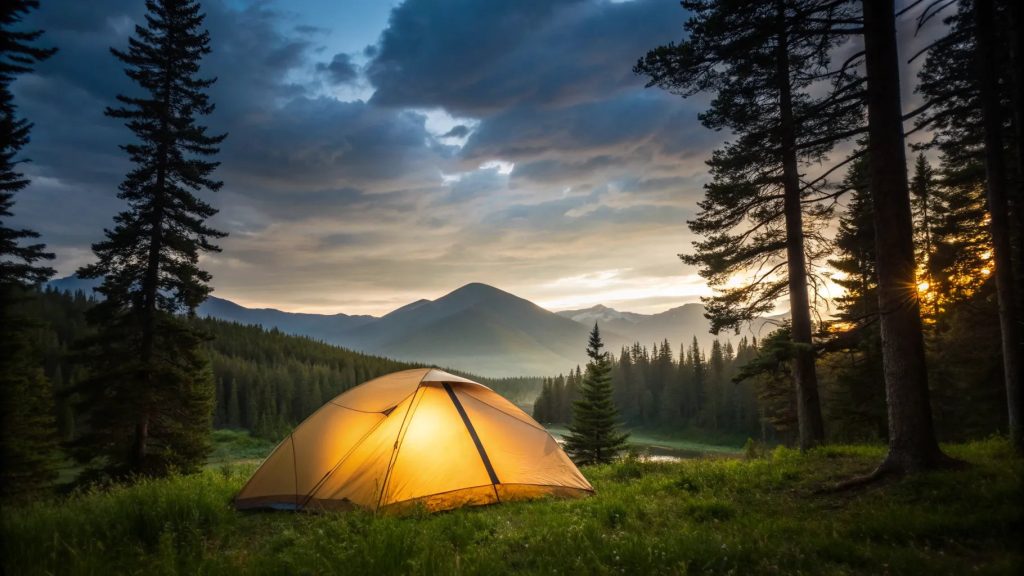
Have you ever wondered what tenting really means and why it’s becoming so popular? Whether you’re planning a weekend getaway or just curious about this fun activity, understanding tenting can open up a whole new world of adventure for you.
This isn’t just about pitching a tent; it’s about creating memorable experiences, connecting with nature, and enjoying simple comforts away from everyday life. Keep reading, and you’ll discover everything you need to know to get started with tenting and why it might be the perfect escape for you.
Credit: www.battlbox.com
Tenting Basics
Tenting is a fun way to enjoy the outdoors. It lets you sleep under the stars and hear nature all around.
Before you start, it helps to know the basics. This guide covers types of tents, gear you need, and how to pick a spot.
Types Of Tents
Tents come in many shapes and sizes. Each type fits different needs and weather conditions.
- Backpacking Tents:Lightweight and easy to carry for hiking trips.
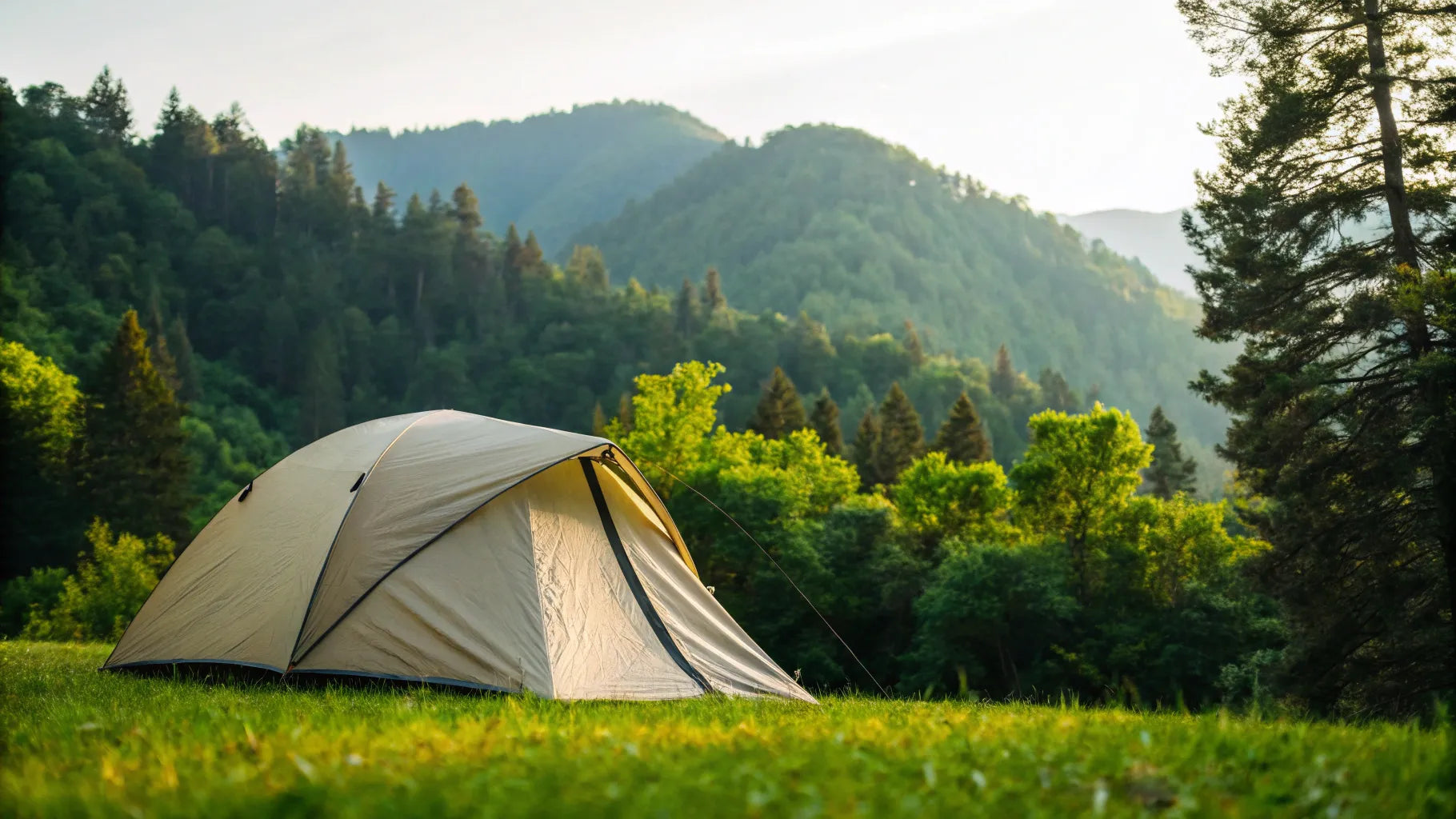
- Dome Tents:Simple to set up with good stability in wind.
- Cabin Tents:Large with vertical walls for more space inside.
- Pop-up Tents:Quick to set up, perfect for short trips.
- Four-season Tents:Built to handle snow and harsh weather.
Essential Gear
Having the right gear makes tenting safe and fun. Some items are must-haves for every trip.
| Gear | Purpose |
| Tent | Shelter from weather and insects |
| Sleeping Bag | Keep warm during cold nights |
| Sleeping Pad | Comfort and insulation from the ground |
| Headlamp or Flashlight | Light source after dark |
| Camping Stove | Cook food and boil water |
| First Aid Kit | Handle minor injuries |
Choosing A Campsite
Picking the right campsite helps you stay safe and enjoy your trip more.
- Look for flat ground to set your tent.
- Check for nearby water sources but camp at least 200 feet away.
- Avoid low spots that collect water if it rains.
- Pick a spot with some natural wind protection like trees or rocks.
- Follow local rules and respect nature around you.
Setting Up Camp
Setting up camp is an important part of tenting. It helps you stay safe and comfortable outdoors.
This guide covers how to pitch your tent, stay safe, and consider the weather.
Pitching Your Tent
Choose a flat and dry spot to pitch your tent. Clear away rocks and sticks before setting up.
Make sure your tent door faces away from the wind. This helps keep the inside dry and warm.
- Lay down a ground cloth to protect your tent floor
- Secure all tent stakes tightly into the ground
- Tighten rain flies to prevent water leaks
Safety Tips
Keep food away from your tent to avoid attracting animals. Use sealed containers for all food.
Check your surroundings for hazards like dead branches or uneven ground before sleeping.
- Keep a flashlight or headlamp nearby
- Have a first aid kit ready
- Let someone know your camping location
Weather Considerations
Check the weather forecast before you camp. Be ready for rain, wind, or cold temperatures.
Use waterproof tents and rain flies for wet weather. Set up tents with the lowest side facing the wind.
- Bring extra blankets or sleeping bags for cold nights
- Store gear in waterproof bags
- Choose a site with some natural wind protection
Benefits Of Tenting
Tenting offers a unique way to enjoy the outdoors. It allows you to spend time outside and relax in nature.
People choose tenting for many reasons. It brings many benefits for the body and mind.
Connection With Nature
Tenting helps you feel closer to the natural world. You can hear birds, see stars, and enjoy fresh air.
- Experience the calmness of forests and lakes
- Learn about plants and animals around you
- Escape city noise and bright lights
Affordable Adventure
Tenting is a low-cost way to travel and explore new places. You only need a tent and some basic gear.
| Expense | Comparison |
| Hotel stay | High cost |
| Tenting | Much cheaper |
| Eating out | More expensive |
| Cooking at camp | Cost-saving |
Physical And Mental Health
Tenting encourages physical activity and reduces stress. Spending time outside helps your body and mind feel better.
- Walking and hiking improve fitness
- Fresh air boosts lung health
- Nature lowers anxiety and helps sleep
- Disconnecting from screens refreshes the mind

Credit: www.youtube.com
Tenting Activities
Tenting is a fun way to enjoy nature and relax outdoors. Many activities make tenting trips exciting and memorable.
You can try different activities like cooking by the fire, watching stars, and hiking around the camp.
Campfire Cooking
Campfire cooking is a favorite activity during tenting. It lets you cook meals over an open flame.
You can prepare simple foods like hot dogs, marshmallows, or foil-wrapped vegetables. Cooking this way adds flavor and fun.
- Use safe tools like long forks or skewers
- Keep water nearby for safety
- Try easy recipes like grilled cheese or baked potatoes
Stargazing
Stargazing is a peaceful tenting activity at night. Clear skies let you see many stars and constellations.
You can lie on a blanket and watch the stars move slowly. It helps you feel calm and connected to nature.
- Bring a star map or app to identify constellations
- Choose a dark spot away from lights
- Use a flashlight with red light to keep night vision
Hiking And Exploring
Hiking is a great way to explore the area around your tent. Walking on trails shows you plants and animals.
Exploring nature helps you learn about the environment and enjoy fresh air. Always stay on marked paths for safety.
- Wear comfortable shoes and clothes
- Carry water and snacks
- Bring a map or GPS device
Tenting Challenges
Tenting is a fun way to enjoy nature and sleep outdoors. It brings many joys but also some challenges. Knowing these can help you prepare well.
This guide covers common tenting challenges and how to handle them. Focus areas include bugs, weather, and comfort.
Dealing With Bugs
Bugs can be annoying and cause discomfort while tenting. Mosquitoes, flies, and ants are common visitors.
- Keep your tent zipped to block bugs from entering.
- Use bug spray or natural repellents on skin and clothes.
- Set up a campfire away from your tent to keep insects at bay.
- Avoid leaving food inside the tent to prevent attracting bugs.
- Inspect your gear for bugs before entering the tent.
Managing Weather Changes
Weather can change quickly in the outdoors. Rain, wind, and cold can all affect your tenting experience.
| Weather Type | Challenge | Tip |
|---|---|---|
| Rain | Wet gear and inside of tent | Use a rainfly and waterproof tent footprint |
| Wind | Tent may shake or collapse | Secure tent with strong stakes and guy lines |
| Cold | Low temperatures cause discomfort | Use warm sleeping bags and insulated pads |
Staying Comfortable
Comfort is key to a good night’s rest in a tent. Small choices can make a big difference.
Try these tips for comfort:
- Choose a flat and soft spot to pitch your tent.
- Use a sleeping pad or air mattress for cushioning.
- Bring pillows or stuff sacks filled with clothes for head support.
- Keep your tent ventilated to reduce moisture and heat.
- Wear comfortable clothes suited to the weather.
Advanced Tenting Tips
Tenting can be a great way to enjoy nature and relax outdoors. To get the most out of your camping trips, use some advanced tips. These tips help you camp smarter and more comfortably.
Focus on packing light, caring for the environment, and using useful technology. These areas improve your camping experience greatly.
Lightweight Packing
Carrying less weight makes hiking and setting up camp easier. Choose gear that is small and light but still strong.
Use multi-purpose items and pack only what you really need. Avoid heavy containers and bulky tools.
- Use a lightweight tent made from modern materials
- Bring a compact sleeping bag suitable for the weather
- Choose clothes that dry fast and are good for layering
- Pack food in small, resealable bags to save space
- Carry a small, efficient stove instead of large cooking sets
Eco-friendly Practices
Protect nature by camping in a way that leaves little impact. Respect plants, animals, and water sources.
Use reusable gear and clean up all trash. Try to reduce waste and avoid damaging the environment.
- Set up camp at designated sites to avoid harming plants
- Use biodegradable soap and clean at least 200 feet from water
- Pack out all trash and leftover food
- Avoid cutting trees or disturbing wildlife
- Use solar-powered lights instead of batteries
Tech Gadgets For Campers
Technology can make camping safer and easier. Choose gadgets that help with navigation, light, and safety.
Look for devices that are small, have long battery life, and are easy to use outdoors.
- Portable GPS devices help you find your way
- Solar chargers keep your gadgets powered
- Headlamps free your hands and offer bright light
- Waterproof power banks provide extra battery life
- Weather radios keep you updated on changes
Credit: www.battlbox.com
Frequently Asked Questions
What Is Tenting In Construction?
Tenting in construction involves covering buildings with protective sheets. It controls dust, debris, and weather during renovation or demolition. This method ensures safety and minimizes environmental impact on nearby areas.
How Does Tenting Prevent Pest Infestations?
Tenting seals a structure completely, cutting off pest entry points. It traps pests inside for effective fumigation. This method is highly efficient in eliminating termites, bed bugs, and other insects.
What Materials Are Used For Tenting?
Tenting uses heavy-duty polyethylene or mesh tarps. These materials are durable, weather-resistant, and easy to secure. They ensure airtight sealing required for pest control or weather protection.
Is Tenting Safe For Indoor Environments?
Yes, tenting is safe when done by professionals. It involves controlled fumigation with proper ventilation afterward. Safety protocols protect residents and pets during and after the process.
Conclusion
Tenting offers a simple way to enjoy nature and stay protected. It brings people closer to the outdoors and fresh air. Setting up a tent can be quick and fun. It works well for camping, festivals, or backyard fun. Choosing the right tent helps you stay safe and comfortable.
Enjoy the experience, relax, and make great memories. Tenting is a great way to explore without hassle. Give it a try and see how easy it can be.