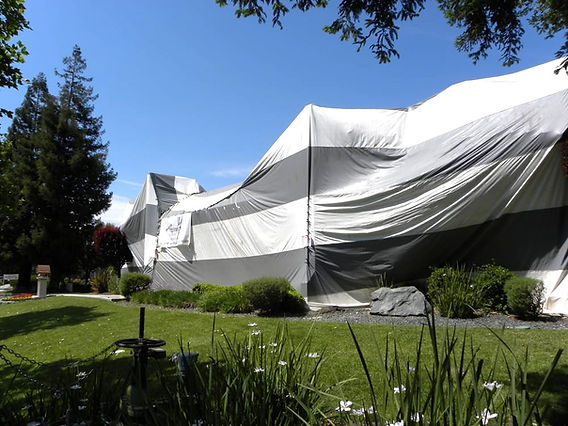
Are you worried about termites quietly damaging your home? You might have heard about tenting for termites but aren’t exactly sure what it means or how it works.
Understanding tenting can be the key to protecting your biggest investment—your home. You’ll discover what tenting for termites involves, why it’s important, and how it can save you from costly repairs. Keep reading to learn how this powerful method can give you peace of mind and keep your home safe from these hidden invaders.
Credit: gorocketpest.com
Tenting Basics
Tenting for termites is a way to remove these insects from a building. It uses a special gas to kill termites inside walls and floors.
This method protects your home by getting rid of termites quickly and deeply.
What Tenting Involves
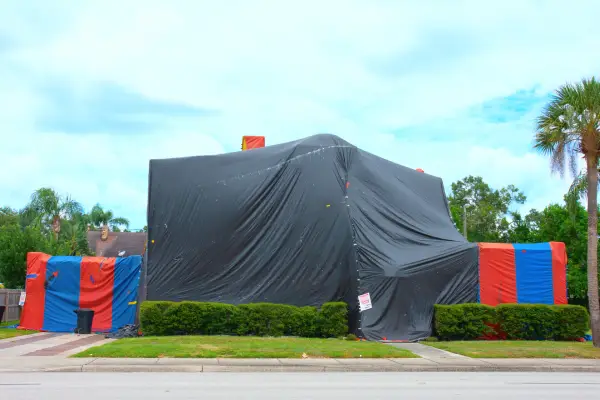
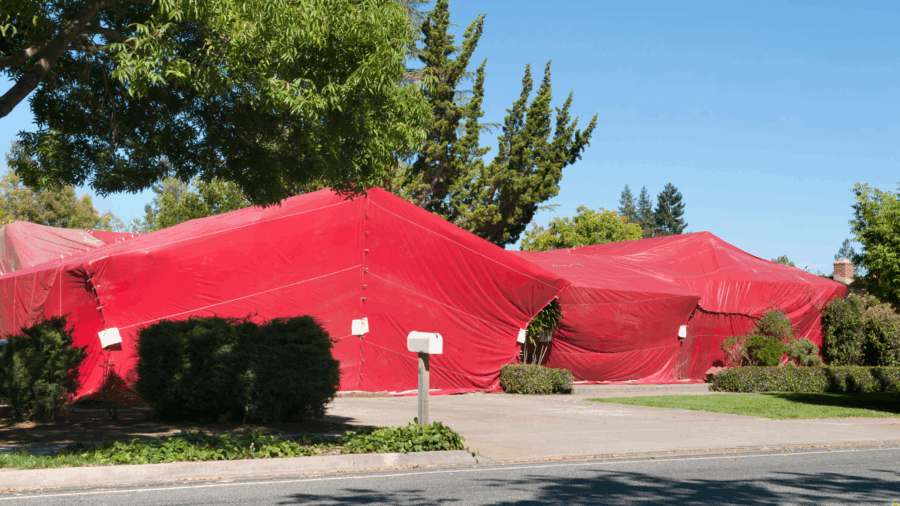
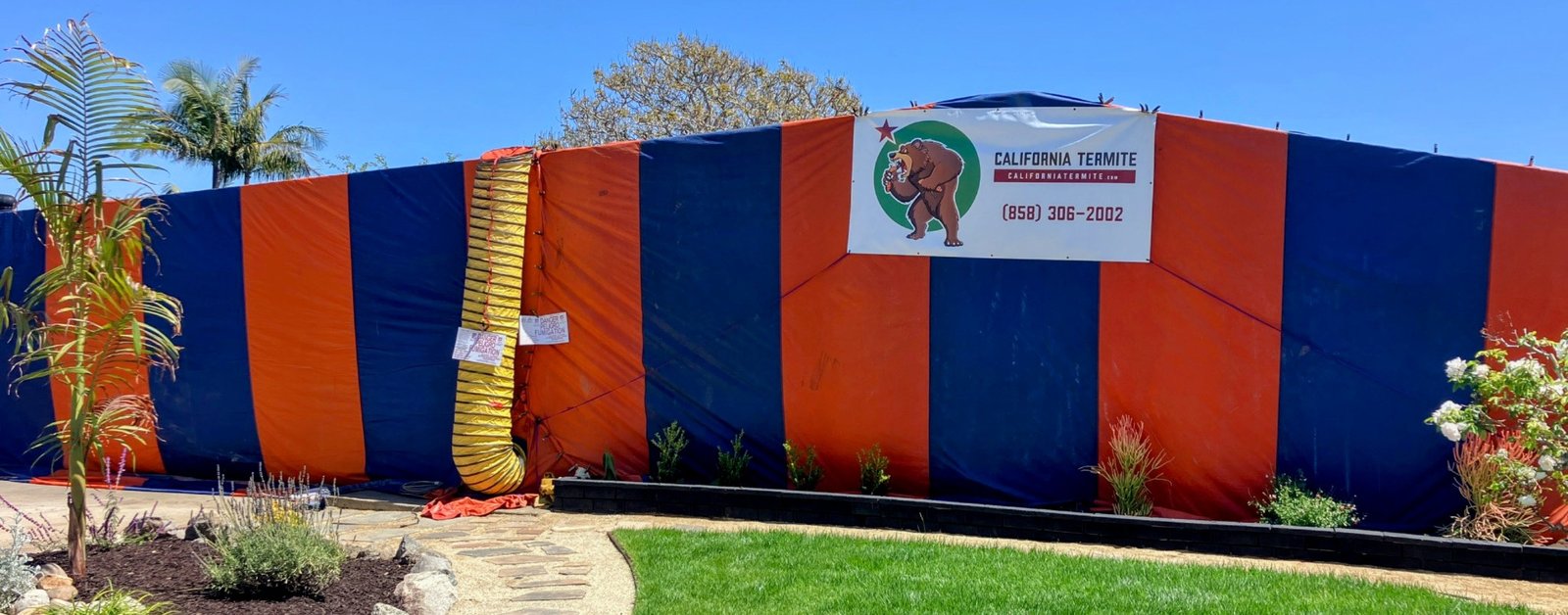
Tenting means covering the whole building with a large tent. This stops the gas from escaping during treatment.
The space inside the tent is filled with a gas called fumigant. This gas kills termites in all parts of the building.
- Cover the building with a strong tent
- Seal all doors and windows
- Release the fumigant gas inside
- Keep the tent sealed for 24 to 72 hours
- Ventilate the building before people return
Why Choose Tenting
Tenting kills termites in every part of the building. It reaches places other treatments cannot.
This method works fast and is very effective for big infestations.
- Reaches termites hidden in walls and floors
- Kills all life stages of termites
- Quick results, usually within a few days
- Protects the entire building at once
When To Tent
Tenting is best when termites are active and many in number. It is also used if other treatments did not work.
Homeowners often choose tenting when they want a thorough and fast solution.
- When termite damage is widespread
- When termites are inside walls and hard to reach
- After finding large termite colonies
- When quick termite removal is needed
Credit: www.agpest.com
Preparation Steps
Tenting for termites requires careful preparation to ensure safety and success. You must get your home ready before the treatment begins.
This guide explains the key steps you need to take before the tenting process starts.
Clearing The Area
Clear the outside area around your home to give workers space to set up the tent. Remove items that block access or can catch chemicals.
- Move garden furniture and toys away from the house
- Trim plants and bushes near walls
- Remove firewood stacks close to the structure
- Clear debris and loose materials from the yard
Protecting Belongings
Cover or remove items inside your home that could be damaged by the chemicals. This helps keep your belongings safe.
- Take out all food and drinks from the house
- Store pets and their items outside or in a safe place
- Wrap furniture and electronics with plastic sheets
- Seal open containers of medicines and cosmetics
Safety Precautions
Follow safety rules to protect yourself and your family during the tenting process. Know what to do before and after treatment.
| Precaution | Details |
|---|---|
| Evacuate the House | Everyone must leave for the full treatment time and follow return instructions. |
| Turn Off Utilities | Switch off gas, water, and electricity as advised by the pest control team. |
| Avoid Flames | Do not use open flames or electrical switches near the tent during treatment. |
| Notify Neighbors | Inform neighbors about the treatment to keep them safe and aware. |
Fumigation Process
Tenting for termites uses gas to kill pests inside a home. The process involves sealing the building and filling it with a fumigant. This gas penetrates wood and other materials to reach termites hidden deep inside.
This method ensures termites are removed from all areas, including hard-to-reach spots. It is important to follow safety and timing rules during the fumigation process.
How Fumigants Work
Fumigants are gases that kill termites by entering their bodies. These gases stop termites from breathing and cause them to die quickly. The gas moves through cracks, wood, and soil to reach all termite colonies.
- The gas enters the home under a sealed tent.
- It fills the entire space, reaching all areas.
- Termites breathe in the gas, which stops their oxygen supply.
- The gas kills termites in all life stages.
- The gas then breaks down or is removed safely.
Duration And Monitoring
The fumigation usually lasts 24 to 72 hours. The exact time depends on the fumigant used and weather conditions. During this period, the home stays sealed to keep the gas inside.
| Fumigant | Typical Duration | Monitoring Method |
|---|---|---|
| Sulfuryl Fluoride | 24 to 48 hours | Gas concentration sensors |
| Vikane | 24 to 72 hours | Continuous air sampling |
| Other Gases | Varies by product | Manual gas level checks |
Post-treatment Procedures
After fumigation, the tent is removed and the home is aired out. Professionals check that gas levels are safe before residents return. They may also inspect for termite damage and suggest repairs.
- Remove the tent carefully.
- Ventilate the home for several hours.
- Measure gas levels to ensure safety.
- Clean any residue left by fumigants.
- Inspect and repair termite damage if needed.
Credit: californiatermiteandpestcontrol.com
Effectiveness Factors
Tenting for termites is a method to remove these pests using chemicals under a sealed cover. Its success depends on many things. Understanding these factors helps to know how well tenting works.
This article explains key factors that affect tenting effectiveness. These include the level of infestation, the building’s structure, and the need for follow-up treatments.
Infestation Severity
The number of termites and how deep they are affect tenting success. Large infestations need longer treatment times. If termites hide in hard spots, chemicals may not reach them.
Early-stage infestations are easier to control. Heavy infestations might need extra measures to fully remove termites.
Building Structure Impact
The type and size of the building change how well tenting works. Older buildings with many cracks let chemicals escape. Buildings with tight seals hold chemicals better for treatment.
Wood type and moisture levels inside the building also influence treatment. Moist wood attracts termites and may need extra care during tenting.
Follow-up Treatments
Termite tenting may not kill all termites at once. Follow-up treatments help stop new infestations. Regular inspections are important to catch termites early.
- Schedule inspections after tenting
- Use additional termite barriers if needed
- Apply spot treatments for hidden colonies
Risks And Considerations
Tenting for termites is a common way to remove these pests. It uses strong chemicals to kill termites in a house.
There are risks and things to think about before tenting your home. These include health, environment, and costs.
Health Concerns
The chemicals used in tenting can be harmful to people and pets. They can cause breathing problems and skin irritation.
It is important to leave the house during tenting and follow all safety rules. Proper ventilation is needed after treatment.
Environmental Impact
The chemicals used can affect the environment. They may harm plants, animals, and water sources near your home.
Proper handling and disposal of chemicals can reduce harm. Using less toxic products can also help protect nature.
Cost Implications
Tenting for termites can be expensive. Costs include preparation, treatment, and repairs after the process.
Costs vary based on home size and termite damage. It is important to get a clear estimate before starting.
Alternatives To Tenting
Tenting is a common way to get rid of termites in a house. It uses strong chemicals and covers the whole building. Some people want other options that are less disruptive or use different methods.
There are several ways to control termites without tenting. These methods can protect your home and may suit different needs.
Baiting Systems
Baiting systems use small amounts of poison placed around your home. Termites find the bait and carry it back to their colony. This helps reduce or eliminate the whole colony over time.
Baiting is less invasive than tenting. It takes longer but can be very effective for long-term control.
- Small bait stations placed in soil or near wood
- Regular checks and refills needed
- Works well for outdoor termite control
Liquid Treatments
Liquid treatments involve applying chemical barriers around or under the house. These liquids kill termites that try to enter or leave the building. The treatment can last for years if done correctly.
This method does not require covering the house. It usually takes a few hours and is less disruptive than tenting.
- Applied to soil, foundation, and wooden parts
- Creates a protective chemical barrier
- Needs professional application for best results
Physical Barriers
Physical barriers stop termites from entering a building. These barriers use materials that termites cannot chew through. They are often installed during construction or renovation.
Physical barriers work without chemicals and last a long time. They are a good option for new homes or major repairs.
- Metal mesh or screens in foundations
- Sand or stone layers under the building
- Special membranes around wood and soil contact points
Choosing A Pest Control Service
Tenting for termites is a common method to remove these pests safely. You must choose the right pest control service for this job. The right company keeps your home safe and termite-free.
Many services offer termite tenting, but not all have the same skills or guarantees. Look closely at their certifications, experience, and customer feedback before making a choice.
Certifications And Experience
Check if the pest control company has proper licenses and certifications. These prove they know how to handle chemicals and termites safely. Experience matters too. A company with many years in termite control is likely more reliable.
- Look for state or national pest control licenses
- Ask about years of termite tenting experience
- Verify if technicians are trained and certified
- Check if the company follows safety rules
Customer Reviews
Customer reviews show how well the company works. Read what past clients say about their tenting service. Good reviews mean the company does a safe and thorough job. Watch for complaints about damage or poor cleanup.
| Review Aspect | What to Look For |
|---|---|
| Effectiveness | Termites gone after treatment |
| Professionalism | Friendly and skilled technicians |
| Cleanup | Home is clean and safe after tenting |
| Communication | Clear explanation of process and safety |
Service Guarantees
Choose a pest control service that offers clear guarantees. This protects you if termites return soon after treatment. Guarantees show the company stands behind its work. Check what is covered and for how long.
- Free retreatment if termites return within a set time
- Refund policies for incomplete work
- Written contracts detailing the service
- Follow-up inspections included
Frequently Asked Questions
What Is Tenting For Termites Treatment?
Tenting for termites is a fumigation method used to eliminate termite infestations. The house is covered with a large tent, and gas is released inside. This gas kills termites throughout the structure, including hidden areas, ensuring a thorough treatment.
How Long Does Termite Tenting Take?
Termite tenting typically takes 24 to 72 hours. This includes preparation, fumigation, and aeration time. The process duration depends on the house size and infestation level. Afterward, the home is ventilated to remove gas before residents return.
Is Termite Tenting Safe For Humans And Pets?
Termite tenting is safe when done by professionals. The fumigant used is toxic, but the home is sealed during treatment. After fumigation, the house is thoroughly aired out to ensure no harmful gas remains before re-entry.
How Effective Is Tenting For Termite Control?
Tenting is highly effective in killing all termite colonies inside a home. It reaches areas other methods cannot, like deep wood structures. When done correctly, it offers complete eradication and prevents future infestations for a significant period.
Conclusion
Tenting for termites offers an effective way to eliminate these pests. It involves sealing your home with a tent and using gas. This gas reaches hidden areas where termites hide. The process ensures thorough treatment, protecting your property. Always hire professionals for safe and proper execution.
It’s crucial to follow safety guidelines during the process. Regular inspections can prevent future infestations. Understanding tenting helps homeowners make informed decisions. Consider this method for complete termite eradication. Keep your home termite-free and maintain its value. Protect your investment by addressing termite problems promptly.