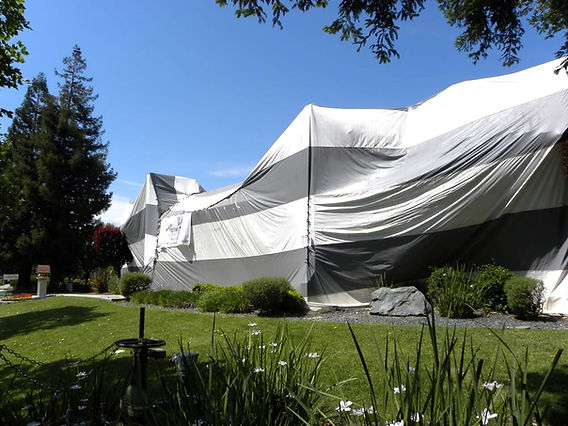
Have you ever noticed tiny holes or sawdust-like piles around your home? These could be signs of a termite problem, and if left unchecked, termites can cause serious damage to your property.
That’s where termite tenting comes in—a powerful method to protect your home from these destructive pests. But what exactly is termite tenting, and how does it work? Keep reading to discover everything you need to know to keep your home safe and sound.
Credit: www.agpest.com
Termite Tenting Basics
Termite tenting is a way to get rid of termites in a building. It uses special chemicals to kill termites inside walls and wood.
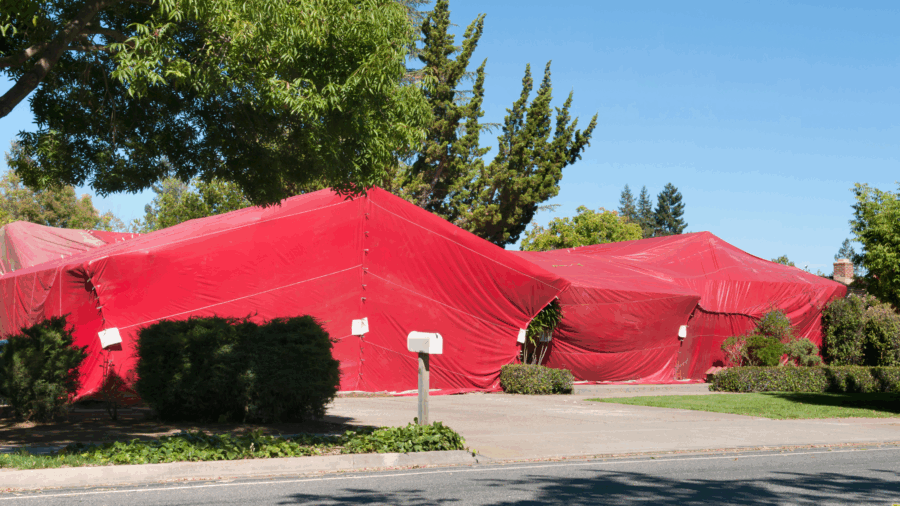
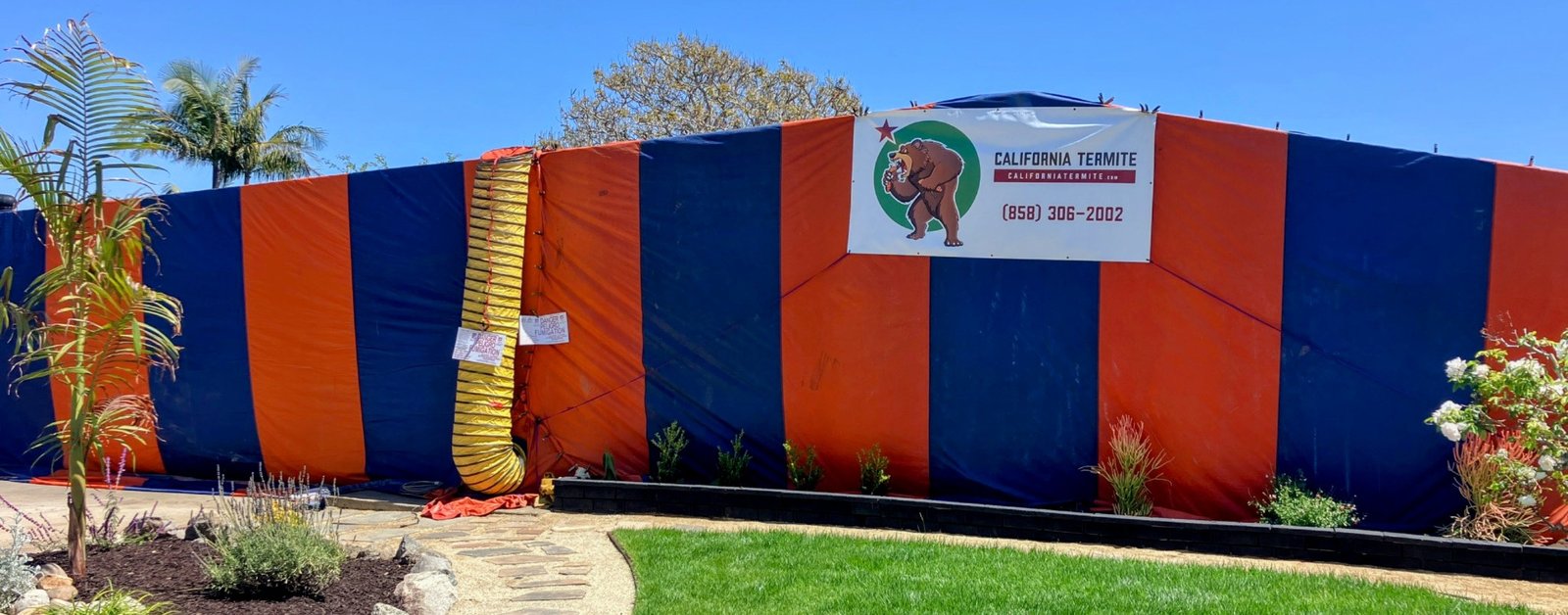
This process covers the whole building with a large tent. The tent holds the chemicals inside so they work well.
What Is Termite Tenting
Termite tenting is a treatment that protects buildings from termite damage. It means wrapping the whole house in a big tent.
Inside the tent, a gas is released. This gas kills termites and stops them from coming back.
Why Choose Tenting For Termite Control
Tenting is very effective because the gas reaches all parts of the building. It kills termites hidden deep in wood and walls.
This method works fast and treats the entire house at once. It is good for serious termite problems.
- Kills termites in all hidden places
- Treats the whole building at once
- Works quickly to remove infestations
Common Signs Of Termite Infestation
You can spot termites by looking for damage or signs in your home. Early detection helps avoid big problems.
Look for soft wood, mud tubes, and small holes. These signs show termites are inside the building.
- Wood that sounds hollow when tapped
- Thin mud tubes on walls or foundations
- Small holes in wood surfaces
- Discarded wings near windows or doors
- Cracked or bubbling paint on wood
How Termite Tenting Works
Termite tenting is a way to get rid of termites in a building. It uses a special gas to kill termites inside walls and wood. The building is covered with a large tent during the process.
The gas enters all areas where termites hide. This method kills termites quickly and stops further damage.
The Fumigation Process
First, the building is sealed with a big tent. This trap keeps the gas inside. The gas spreads through the house, reaching all termite areas.
After the gas works for a set time, the tent is taken down. The house is aired out to remove any gas before people enter again.
Chemicals Used In Tenting
The most common chemical in termite tenting is sulfuryl fluoride. It is a gas that kills termites fast. This gas is safe for people once the home is aired out properly.
Other chemicals are rarely used. Sulfuryl fluoride is preferred because it reaches deep into wood and cracks.
Duration And Preparation
The whole process usually takes two to three days. The tent stays on for about 24 to 72 hours depending on the home’s size and termite level.
Before tenting, people must leave the house. All food and plants need removal or special covering. Pets and fish tanks should be taken out too.
- Remove food and drinks from the house
- Take out pets and fish tanks
- Open cabinets and drawers for gas to reach
- Cover or remove plants inside the home
- Turn off pilot lights and electrical devices
Preparing Your Home
Termite tenting is a method used to eliminate pests from your home. It requires careful preparation to ensure safety and effectiveness.
Understanding the steps to prepare your home is crucial. This includes protecting your belongings and ensuring the safety of your pets and family.
Steps Before Fumigation
Before the fumigation process, there are several important steps to follow. These steps help to ensure the process is smooth and successful.
- Seal all food items in airtight containers.
- Open all interior doors and cabinets for thorough treatment.
- Turn off gas and electricity for safety.
Protecting Belongings
Protecting your belongings during termite tenting is essential. Proper measures prevent damage and contamination.
Consider using protective covers for electronics and furniture. This helps to safeguard against chemicals used during the process.
Pets And Family Safety
Ensuring the safety of pets and family members is a top priority. Following safety guidelines can prevent potential health hazards.
| Action | Details |
| Relocate Pets | Move pets to a safe location outside the home. |
| Family Accommodation | Arrange temporary accommodation for family members. |
| Safety Gear | Use masks and gloves if entering the home post-treatment. |
After The Tent Is Removed
Termite tenting is a common method to eliminate termites from a building. After the tent is removed, certain steps are essential. These steps help ensure safety and prevent further termite problems.
This guide explains what to do after termite tenting, focusing on ventilation, inspection, and prevention.
Ventilation And Re-entry
After the tent is taken down, the house still contains harmful fumes. Proper ventilation is necessary to clear these chemicals. You should keep windows and doors open and use fans to speed up the process.
- Open all windows and doors.
- Use fans to increase airflow.
- Wait the recommended time before entering the building.
- Check for any signs of lingering fumes, such as strong odors.
Post-treatment Inspection
Once you can safely enter the building, a thorough inspection is important. This inspection checks if all termites are gone and if the treatment worked well. Look for damaged wood and any active termites.
| Inspection Area | What to Look For |
| Wood Structures | Signs of damage or hollow spots |
| Walls and Floors | Cracks or mud tubes made by termites |
| Basement and Crawl Spaces | Moisture and termite activity |
| Exterior Foundation | Swollen wood or mud trails |
Preventing Future Infestations
After termite tenting, take steps to keep termites away. These actions lower the chance of new infestations and protect your home.
- Fix leaks and reduce moisture around your home.
- Remove wood debris and firewood near the foundation.
- Keep gutters clean and direct water away from the house.
- Inspect your home regularly for signs of termites.
- Use termite barriers or treatments as recommended.
Costs And Considerations
Termite tenting is a method to remove termites from a building. It uses a gas that kills termites inside walls and floors.
The cost of termite tenting varies. Many factors affect the price and the process. You should think about these before scheduling treatment.
Factors Affecting Price
Several things can change how much termite tenting costs. These include the size of the home and the level of infestation.
- Size of the house or building
- Severity of the termite problem
- Location and accessibility of the property
- Preparation needed before tenting
- Post-treatment inspections and repairs
Choosing A Professional Service
Hiring a skilled pest control company is important. They know how to do the job safely and effectively.
| Service Feature | Why It Matters |
| Licensing and Certification | Ensures the company meets safety rules |
| Experience with Termite Tenting | Increases treatment success |
| Warranty or Guarantee | Protects your investment |
| Customer Reviews | Shows reputation and service quality |
Alternative Termite Treatments
Termite tenting is not the only option. Other treatments may cost less or suit some homes better.
- Liquid termiticides applied around the foundation
- Baiting systems that attract and kill termites
- Heat treatments that raise temperature to kill termites
- Fumigation using different gases or chemicals
Credit: californiatermiteandpestcontrol.com
Benefits And Risks
Termite tenting is a method to control termites in buildings. It involves covering a house with a tent and using chemicals to kill termites.
This process has both advantages and risks that homeowners should know before choosing it.
Advantages Of Termite Tenting
Tenting allows professionals to reach all areas of a building. It kills termites deep inside walls and floors.
- Effective at eliminating large termite infestations
- Protects the structure from future damage
- Treats hard-to-reach places thoroughly
- Usually requires only one treatment session
Potential Health Concerns
The chemicals used in tenting can be harmful to people and pets. Proper safety measures are needed before and after treatment.
| Risk | Description |
| Respiratory Issues | Breathing fumes can cause coughing or irritation |
| Skin Contact | May lead to rashes or allergic reactions |
| Pet Safety | Animals should stay away during and after treatment |
| Re-entry Time | People must wait hours or days before returning home |
Environmental Impact
The chemicals used in termite tenting can affect the environment. They may harm plants, water, and non-target animals.
Here are some ways termite tenting affects nature:
- Chemicals can seep into soil and water
- May kill beneficial insects and wildlife
- Requires careful handling to reduce pollution
- Some treatments use less harmful substances

Credit: www.ecopestbermuda.com
Frequently Asked Questions
What Is Termite Tenting In Pest Control?
Termite tenting is a treatment that covers a building with a tarp. It allows professionals to fumigate and eliminate termites effectively inside the structure.
How Does Termite Tenting Work?
The process seals the building to trap fumigants. These gases penetrate wood, killing termites and preventing further damage.
When Should You Consider Termite Tenting?
Consider termite tenting if you have severe termite infestation. It is ideal when other treatments fail or for large infestations.
Is Termite Tenting Safe For Homeowners?
Termite tenting requires vacating the property during treatment. Professionals ensure safety by following strict guidelines before re-entry.
Conclusion
Termite tenting protects homes from termite damage. It uses a special tent and chemicals to reach all areas. This method kills termites inside walls and floors. It is safe when done by professionals. Tenting helps keep your home strong and dry.
Regular checks can stop termites from coming back. Knowing about termite tenting helps you choose the right solution. Protect your home with this proven termite treatment. Simple, effective, and thorough—termite tenting works.