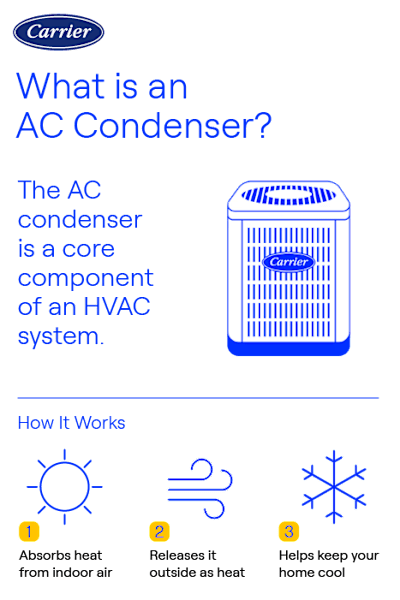
Have you ever wondered what makes your air conditioner cool the air so effectively? One key part behind the scenes is the air conditioner condenser.
Understanding this important component can help you keep your unit running smoothly and avoid costly repairs. You’ll discover exactly what an air conditioner condenser is, how it works, and why it matters to your comfort. Keep reading—you’ll find simple explanations that make a big difference in how you care for your AC.

Credit: www.rsl.ca
Role Of The Condenser In Air Conditioning
The condenseris a key part of an air conditioner. It helps cool down the hot gas that comes from the compressor. This gas must turn into a liquid before it moves to the next step.
Inside the condenser, the hot gas releases its heat to the outside air. This heat transfer cools the gas and changes it into a liquid. The liquid refrigerant then flows to the evaporator.
- The condenser receives hot gas from the compressor.
- It cools the gas by releasing heat outside.
- The gas turns into a cooler liquid.
- The liquid moves to the evaporator to absorb heat inside.
Key Components Of The Condenser
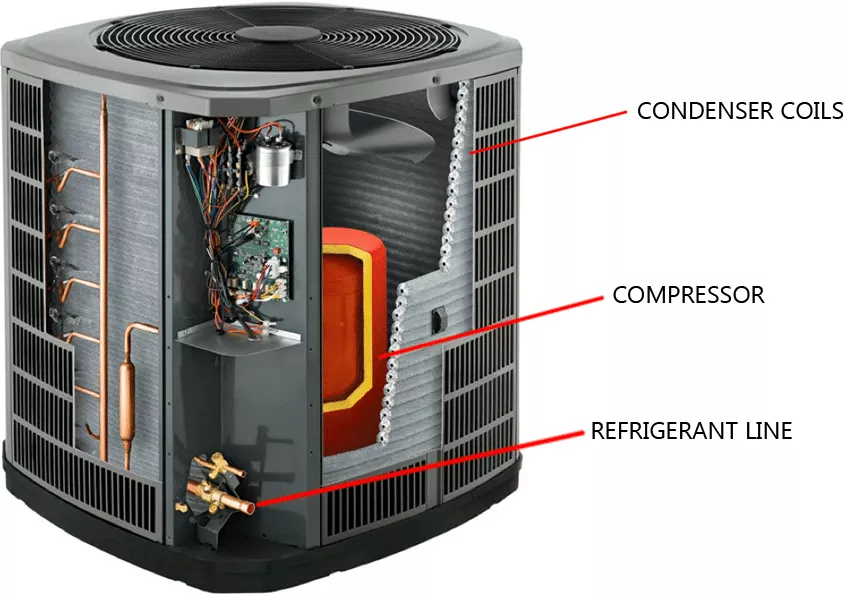
The air conditioner condenser has essential parts like the coil, fan, and compressor. These components work together to release heat from inside the home. Each part plays a key role in keeping the air cool and comfortable.
Coils And Fins
Coilscarry hot refrigerant gas from the compressor. The finshelp cool the gas by increasing surface area. Air passes over the fins to remove heat. This process changes gas into a liquid. Both parts work closely to cool the refrigerant quickly.
Fans And Motors
Fansblow air across the coils and fins. This speeds up the cooling process. The motorspower the fans to keep air moving. Without fans, heat would stay inside the condenser. Fans and motors keep the system running efficiently.
Compressor Connection
The compressorpushes refrigerant into the condenser coils. It is connected by pipes to the condenser. This link moves refrigerant in and out. The compressor and condenser work as a team to cool air. This connection is vital for the air conditioner to work.
Types Of Air Conditioner Condensers
Air-cooled condensersuse air to cool the refrigerant. They have fans that blow air over metal fins. This helps to remove heat from the refrigerant. These condensers are common in homes and small buildings. They are easy to install and maintain.
Water-cooled condensersuse water to cool the refrigerant. Water flows through tubes inside the condenser. Heat from the refrigerant passes to the water. These systems are efficient but need a water supply. They are often used in large buildings or factories.
Evaporative condenserscombine air and water cooling. Water sprays over the condenser coils while air moves through. The water evaporates, taking heat away from the refrigerant. This type saves energy and water compared to water-cooled systems. They work well in hot, dry climates.

Credit: www.rsl.ca
Common Issues Affecting Condenser Performance
Dirt and debris buildupcan block airflow in the condenser. This stops the unit from cooling well. Dust, leaves, and grass can stick to the fins. This makes the condenser work harder and use more energy. Cleaning the condenser regularly helps keep it running smoothly.
Refrigerant leakslower the cooling power of the air conditioner. The refrigerant carries heat away from inside your home. A leak means less refrigerant is inside the system. This causes the air conditioner to cool less and may freeze the coils. A technician should fix leaks to avoid bigger problems.
Fan malfunctionsstop air from moving over the condenser coils. The fan helps cool the refrigerant by blowing air. If the fan motor or blades break, the condenser overheats. This can cause the whole air conditioner to fail. Checking the fan often can prevent damage and keep air flowing well.
Maintenance Tips For Optimal Cooling
Keeping the condenser cleanis key for good cooling. Dirt and dust block airflow, making the unit work harder. Use a soft brush or cloth to wipe the fins gently. Clear leaves and debris around the condenser to allow proper air flow.
Check the condenser for damaged partslike bent fins or worn wires. Replace any broken or old components quickly to avoid bigger problems. Tighten loose connections and ensure the fan spins freely without noise.
Professional service helps catch issues early. Technicians clean parts deeply and check refrigerant levels. They test the system for leaks and overall performance. Annual servicing keeps the air conditioner running smoothly and efficiently.
Credit: kayplumbing.com
Energy Efficiency And Condenser Design
Energy efficiencyin air conditioners depends a lot on the condenser design. A well-made condenser helps the unit use less power. This saves electricity and lowers bills. The condenser moves heat from inside the house to outside. If it works well, the air conditioner runs faster and better.
Impact on power consumptionis clear. A good condenser reduces how hard the compressor must work. This cuts down on energy use. Older or dirty condensers need more power. New designs focus on better cooling fins and fans. These help the condenser cool faster and use less energy.
- Smaller, compact condenserssave space and energy.
- Improved fin designhelps air flow smoothly.
- Better fan motorsuse less electricity.
- Advanced materialsincrease heat transfer efficiency.
Innovations in condenser technology bring better performance. New condensers use smart controls to adjust cooling. This means power is not wasted. Some models have self-cleaning features. They keep the condenser free from dirt and dust. This keeps the air conditioner working well for a long time.
Frequently Asked Questions
What Is An Air Conditioner Condenser?
An air conditioner condenser is a crucial component of AC systems. It converts refrigerant gas into liquid, releasing heat. This process cools the air. Located outside, it works with other parts to maintain indoor comfort. Ensuring its efficiency is vital for optimal AC performance and energy savings.
How Does A Condenser Work In Ac?
The condenser in an air conditioner releases heat from refrigerant gas. It turns the gas into a liquid. This cooling process is essential for effective air conditioning. The condenser coils, fan, and compressor work together to facilitate this transformation, ensuring a comfortable indoor environment.
Why Is The Ac Condenser Important?
The AC condenser is vital for cooling efficiency. It transforms refrigerant gas into liquid, expelling heat outside. This process helps maintain a comfortable indoor temperature. Without a functioning condenser, the air conditioner can’t effectively cool the air. Proper maintenance ensures long-lasting and efficient performance.
How Do I Maintain An Ac Condenser?
Maintaining an AC condenser involves regular cleaning and inspection. Clear debris from the unit and ensure proper airflow. Check for refrigerant leaks and clean the coils. Schedule professional maintenance annually to ensure optimal performance and efficiency. Regular upkeep extends the lifespan of your air conditioning system.
Conclusion
The air conditioner condenser plays a key role in cooling your home. It helps remove heat from inside and sends it outside. Keeping the condenser clean ensures your AC works well. Small problems can cause big issues later. Regular care saves energy and lowers bills.
Understanding the condenser helps you maintain your AC better. Take simple steps to protect this important part. Your comfort depends on it every hot day.