Have you ever looked at the boxy machine sitting outside your home and wondered, “What exactly is that called?” If you’re curious about the part of your air conditioning system that battles the heat outdoors, you’re in the right place. Understanding what this unit is and how it works can help you take better care of your cooling system—and save money on repairs.
Keep reading to discover the name of that mysterious outdoor unit and why it’s so important for keeping your home comfortable all year round.
Outdoor Ac Unit Name
The air conditioner unit outside your home has a specific name. It plays a key role in cooling your space. Knowing this name helps in repairs and maintenance.
This guide explains common and technical names for the outdoor AC unit. It helps you understand what professionals mean.
Common Terms Used
People often call the outdoor unit by simple names. These terms describe its look or place outside the house.
- Outdoor Unit
- Condenser Unit
- AC Compressor
- Heat Pump (if it has heating function)
- Outside Unit
Technical Terminology
The outdoor AC unit has parts with specific technical names. These terms describe its functions and components.
| Term | Definition |
| Condenser Coil | Removes heat from refrigerant to outside air |
| Compressor | Pressurizes refrigerant to move it through system |
| Fan Motor | Blows air across condenser coil |
| Refrigerant Lines | Pipes that carry refrigerant between indoor and outdoor units |
| Heat Pump | Outdoor unit that can both cool and heat |
Main Components
The outside unit of an air conditioner contains key parts that help cool your home. These parts work together to move heat from inside to outside.
Understanding these components helps you know how the air conditioner works and why maintenance is important.
Compressor Function
The compressor pumps refrigerant through the system. It raises the pressure and temperature of the refrigerant gas. This allows the heat to move outside.
Condenser Coil Role
The condenser coil cools down the hot refrigerant gas. It changes the gas back into a liquid. Heat from the gas passes through the coil to the outside air.
- Releases heat to the outside air
- Helps refrigerant change state
- Works with the compressor and fan
Fan Importance
The fan blows air over the condenser coil. This moves heat away from the coil quickly. Without the fan, the unit could overheat and stop working well.
| Fan Role | Effect |
|---|---|
| Air movement | Helps cool the coil |
| Heat removal | Prevents system overheating |
| Efficiency | Keeps the unit running smoothly |
How It Works
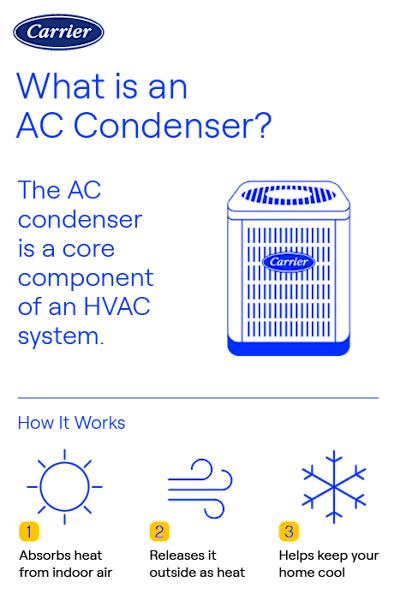
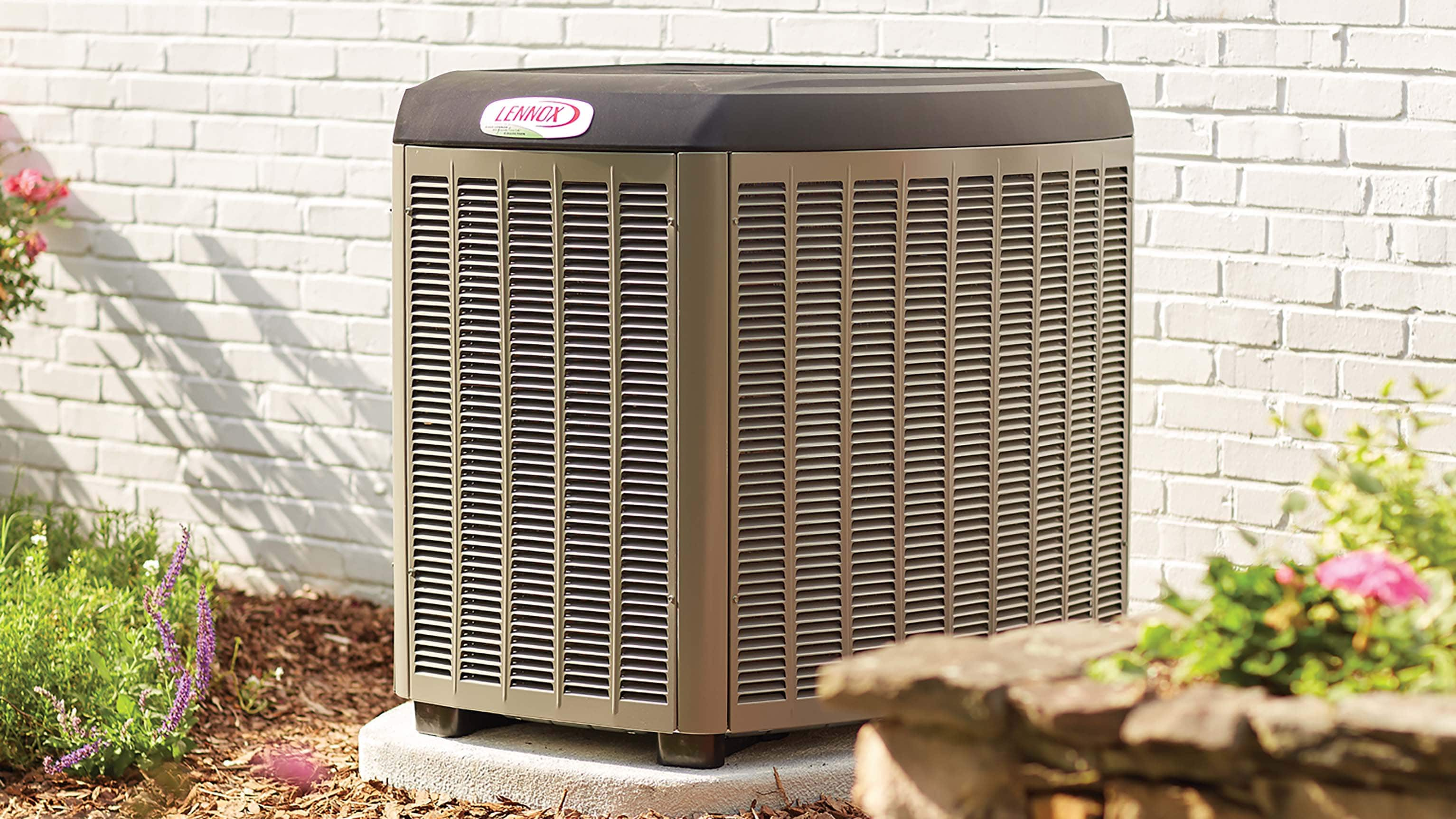
The air conditioner unit outside is called the condenser unit. It works to remove heat from inside your home. This helps keep the indoor air cool and comfortable.
The outside unit has parts that help move heat out and air around. Understanding how it works shows how your air conditioner cools your house.
Heat Exchange Process
The condenser unit changes hot refrigerant gas into a cooler liquid. This is done by releasing heat outside. The process allows the refrigerant to absorb heat inside your home later.
- The compressor pumps hot refrigerant gas from inside.
- The gas flows through coils in the condenser unit.
- Fans blow air over the coils to cool the gas.
- The gas turns into liquid as it loses heat.
- The liquid refrigerant returns inside to absorb heat again.
Airflow Mechanism
The outdoor unit has a fan that moves air across the coils. This airflow helps carry heat away from the refrigerant. The fan works with the heat exchange process to cool the refrigerant.
| Component | Function |
| Fan | Blows air over condenser coils |
| Coils | Release heat from refrigerant |
| Compressor | Pumps refrigerant through the system |
Different Types
The air conditioner unit outside your home has different names. It depends on the type of system you use.
This guide explains the common types and their outside units.
Split System Units
Split system units have two parts. One part stays inside, and the other is outside. The outside unit is called the condenser or compressor unit.
- The outside unit releases heat from inside the house.
- It usually contains a fan and coils.
- This unit connects to the indoor unit with pipes.
- It runs quietly and is energy efficient.
Central Air Systems
Central air systems cool the entire house. The outside unit is called the condenser unit too. It works with a large system inside the home.
| Component | Description |
| Outside Unit | Condenser and compressor that cool air |
| Inside Unit | Evaporator coil and air handler |
| Ductwork | Distributes cooled air throughout the house |
Portable Options
Portable air conditioners have a small outside vent. This vent pushes hot air outside through a hose.
The outside unit in portable ACs is not separate. It is part of the machine inside the room. The vent hose is the only part that goes outside the window.
Installation Tips
The outside part of an air conditioner is called the condenser unit. Proper installation helps it work well and last longer. This guide shares tips for placing and installing the unit safely.
Choosing the right spot and following safety rules keep the unit efficient and avoid damage or accidents. Read on for key advice on installation.
Ideal Location
Pick a place with good airflow around the condenser unit. Avoid spots near windows or vents that blow hot air back inside. The unit should stand on a flat and stable surface.
- Keep at least 2 feet of clearance on all sides
- Place the unit in a shaded area to reduce heat exposure
- Avoid locations with heavy dust or debris
- Ensure easy access for maintenance and repairs
- Do not place near plants or shrubs that block airflow
Safety Considerations
Follow safety rules to protect your home and the unit. Secure the unit well to prevent movement during storms or earthquakes. Electrical connections must follow local codes.
| Safety Point | Reason |
|---|---|
| Secure mounting | Prevents unit from falling or shifting |
| Proper wiring | Avoids electrical fires and shorts |
| Distance from flammable materials | Reduces fire risk |
| Drainage setup | Prevents water damage and mold |
| Clear access path | Allows safe maintenance work |

Credit: www.achrnews.com
Maintenance Basics
The outdoor air conditioner unit, often called the condenser, needs regular care. Proper maintenance keeps it working well and lasts longer.
Simple tasks like cleaning and inspections help avoid big repairs. Learn easy ways to keep the unit in good shape.
Cleaning The Unit
Dirt and debris can block airflow and reduce the unit’s efficiency. Cleaning the condenser is important to keep it cool.
- Turn off the power before cleaning.
- Remove leaves, grass, and dirt from around the unit.
- Use a soft brush to clean the fins gently.
- Wash the unit with a garden hose but avoid high pressure.
- Keep the area around the unit clear of plants and objects.
Regular Inspections
Check the unit regularly to catch issues early. Look for signs of wear or damage to parts.
| Inspection Area | What to Check | Frequency |
| Coils | Clean and free of damage | Every 3 months |
| Electrical Connections | No loose wires or corrosion | Every 6 months |
| Fan Motor | Runs smoothly without noise | Every 6 months |
| Refrigerant Level | Proper pressure and no leaks | Annually |
Troubleshooting Common Issues
The outdoor unit may stop working or make strange noises. Some fixes you can try before calling a technician.
- Check if the circuit breaker has tripped and reset it if needed.
- Clean the condenser coils if they look dirty.
- Remove any blockages near the fan blades.
- Listen for unusual sounds like rattling or buzzing.
- If the unit still fails, call a professional for repair.
Energy Efficiency
The air conditioner unit outside your home is called the condenser. It plays a key role in cooling your house. Understanding its energy efficiency helps you save money and reduce power use.
Energy efficiency depends on how well the unit uses electricity to cool air. A more efficient unit uses less energy for the same cooling effect.
Seer Ratings Explained
SEER stands for Seasonal Energy Efficiency Ratio. It measures the cooling output divided by the energy used over a season. A higher SEER rating means better efficiency.
| SEER Rating | Energy Use | Cooling Efficiency |
| 13 (Minimum) | High | Low |
| 16 | Moderate | Good |
| 20+ | Low | Excellent |
Ways To Save Energy
You can lower energy use by maintaining and using your outdoor unit properly. Simple steps help keep the unit efficient and reduce your bills.
- Keep the outdoor unit clean and free of debris.
- Shade the unit without blocking airflow.
- Set your thermostat to a higher temperature when away.
- Schedule regular professional maintenance.
- Use ceiling fans to help circulate cool air.
Credit: www.carrier.com
Signs Of Problems
The air conditioner unit outside is important for cooling your home. It can show signs when it has problems. Knowing these signs helps you fix issues early.
Look for unusual sounds, poor cooling, or leaks. These signs mean your unit needs attention or repair.
Unusual Noises
Strange noises from the outdoor unit can mean trouble. You might hear rattling, buzzing, or grinding sounds. These noises often come from loose parts or worn-out components.
- Rattling may show loose screws or debris inside
- Buzzing can mean electrical problems
- Grinding often points to motor or fan issues
Poor Cooling Performance
If your home does not cool well, the outdoor unit might be the cause. This can happen if the unit is dirty or parts are failing. Check if the air feels weak or warm.
| Problem | Cause | Effect |
| Dirty coils | Dust and debris buildup | Less cooling power |
| Refrigerant leak | Broken pipe or seal | Unit cannot cool air properly |
| Fan motor failure | Worn motor or wiring issue | Air circulation stops |
Leaks And Corrosion
Water or fluid leaks around the outdoor unit are signs of problems. Corrosion on metal parts can also appear. These issues cause damage and reduce the unit’s life.
Common causes of leaks and corrosion:
- Blocked drain pipes
- Rust from rain or moisture
- Damaged seals or insulation
When To Replace
The air conditioner unit outside is called the condenser unit. It works hard to keep your home cool. Over time, it may need to be replaced. Knowing when to replace it saves money and keeps your home comfortable.
Replacing the condenser unit at the right time avoids costly repairs and energy waste. Let’s look at signs for replacement and benefits of upgrading.
Lifespan Expectations
Most condenser units last about 10 to 15 years. Some last longer with good care. Age is a key factor in deciding to replace the unit.
- Unit older than 15 years likely needs replacement
- Frequent breakdowns signal end of lifespan
- Rising energy bills may mean the unit is less efficient
- Cooling performance drops noticeably with age
Upgrade Benefits
Replacing your old condenser unit offers many benefits. New units use less energy and cool better. They also reduce noise and improve air quality.
| Benefit | Explanation |
| Energy Efficiency | New units use less electricity, lowering bills |
| Better Cooling | Modern technology cools your home faster and more evenly |
| Quiet Operation | New units run with less noise |
| Improved Air Quality | Advanced filters reduce dust and allergens |
Credit: www.homedepot.com
Frequently Asked Questions
What Is The Outside Unit Of An Air Conditioner Called?
The outside unit of an air conditioner is called the condenser unit. It contains the compressor, condenser coil, and fan, which release heat from the refrigerant to the outside air.
How Does The Ac Outside Unit Work?
The AC outside unit compresses and cools refrigerant gas. It releases heat absorbed from indoors to the outside air, enabling the indoor unit to provide cool air.
Why Is The Outdoor Ac Unit Important?
The outdoor AC unit is essential for heat exchange. It removes heat from inside your home and releases it outside, ensuring effective cooling indoors.
Can The Outside Ac Unit Be Noisy?
Yes, the outdoor AC unit can be noisy. The compressor and fan generate sound during operation, but regular maintenance can reduce excessive noise.
Conclusion
The outdoor air conditioner unit is called a condenser. It’s crucial for cooling. This unit releases heat absorbed indoors. It works with indoor parts to cool your home. Understanding this unit helps in maintenance. Regular checks ensure efficient performance. Without it, indoor cooling isn’t possible.
Energy bills can rise with a faulty unit. Keep it clean and check for damage. Simple actions lead to better cooling. You can enjoy a cooler home with less worry. Proper care extends its lifespan. Remember, the condenser is key in your air conditioning system.