
Have you ever wondered why your air conditioner suddenly stops working on a hot day? One common culprit might be your air conditioner capacitor.
This small but powerful part plays a key role in keeping your AC running smoothly. Understanding the average life of an air conditioner capacitor can save you from unexpected breakdowns and costly repairs. You’ll learn how long these capacitors usually last, signs they’re failing, and how to keep your AC in top shape.
Keep reading to protect your comfort and avoid surprise expenses.
Air Conditioner Capacitor Basics
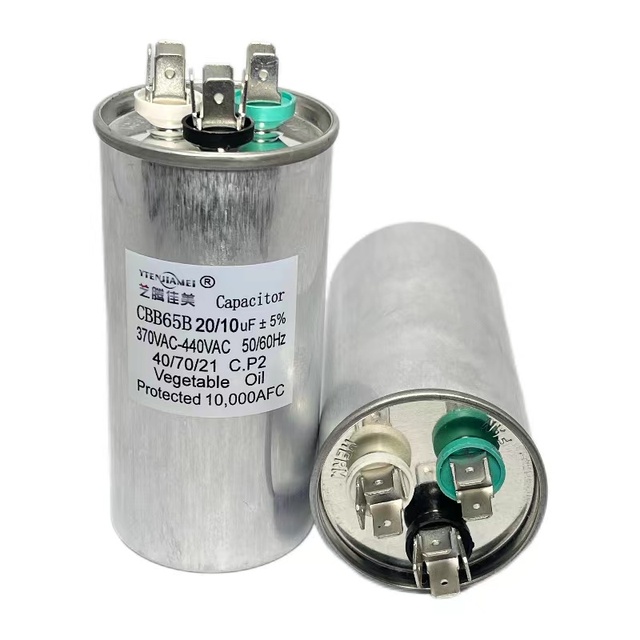
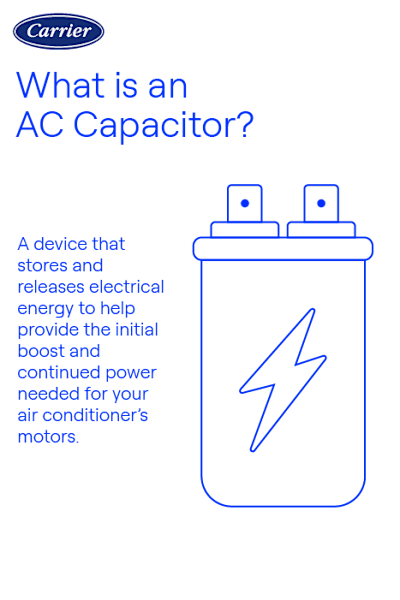
The air conditioner capacitor is a small device inside your AC unit. It stores electrical energy to help start and run the motor. Without it, the AC would not work properly.
Capacitors play a key role in keeping your air conditioner running smoothly. Knowing their types and functions helps you understand their lifespan.
Types Of Capacitors
There are three main types of capacitors used in air conditioners. Each type has a specific role in the system.
- Start Capacitors:Provide extra power to start the motor.
- Run Capacitors:Help the motor run efficiently and smoothly.
- Dual Capacitors:Combine both start and run functions in one unit.
Role In Ac Functionality
| Capacitor Type | Function | Typical Lifespan |
| Start Capacitor | Helps motor start quickly | 5 to 7 years |
| Run Capacitor | Keeps motor running smoothly | 7 to 10 years |
| Dual Capacitor | Combines start and run functions | 7 to 10 years |
The capacitor supports the compressor and fan motors. It stores and releases energy needed for their operation. A bad capacitor can cause your AC to fail or work less efficiently.
Factors Affecting Capacitor Lifespan
The average life of an air conditioner capacitor depends on several factors. These factors affect how long the capacitor can work without failing.
Understanding these factors helps in keeping the air conditioner running smoothly for a longer time.
Operating Conditions
The way an air conditioner runs affects the capacitor’s life. High temperatures and frequent power surges can shorten its lifespan.
Constant heavy use also puts stress on the capacitor, causing it to wear out faster.
- High heat speeds up capacitor aging
- Power surges can damage the capacitor
- Frequent cycling wears it down
- Humidity may cause corrosion
Quality And Brand
Capacitors from good brands usually last longer. Quality parts have better materials and stronger designs.
Cheap or low-quality capacitors may fail early and cause more problems in the system.
- High-quality capacitors resist heat better
- Trusted brands offer consistent performance
- Low-quality parts risk early failure
Maintenance Practices
Regular maintenance helps extend capacitor life. Cleaning and checking the system lowers stress on the parts.
Replacing capacitors at signs of wear prevents sudden breakdowns and keeps the air conditioner running well.
- Keep the unit clean and dry
- Check capacitors for bulging or leaks
- Replace old or damaged capacitors early
- Schedule regular professional inspections
Average Lifespan Estimates
The air conditioner capacitor is a small part that helps start and run the AC motor. Its life span affects how well your AC works.
Knowing how long a capacitor lasts helps you plan repairs and avoid sudden AC failures.
Typical Duration Range
Most air conditioner capacitors last between 10,000 and 20,000 hours of use. This usually means about 10 to 15 years for a home AC unit.
- Standard electrolytic capacitors last about 10 to 15 years.
- High-quality capacitors can last up to 20 years.
- Extreme heat or humidity may reduce capacitor life.
- Frequent power surges can shorten the lifespan.
Signs Of Aging Capacitors
Capacitors show signs before they fail. Recognizing these signs can prevent AC breakdowns.
| Sign | Description |
| Slow or No Start | The AC motor struggles or fails to start. |
| Humming Noise | The unit makes a humming sound without running. |
| Frequent Cycling | The AC turns on and off too often. |
| Visible Damage | Bulging, leaking, or corrosion on the capacitor body. |
| Higher Energy Bills | The AC uses more power due to inefficiency. |
Credit: www.accio.com
Common Causes Of Capacitor Failure
Air conditioner capacitors are small parts that help the system start and run. They often last many years but can fail suddenly. Knowing why capacitors fail helps prevent problems.
Damage to capacitors usually comes from three main causes. These include electrical surges, heat and moisture damage, and physical wear and tear.
Electrical Surges
Electrical surges happen when the power supply spikes quickly. These surges can burn out the capacitor’s internal parts. Surges may come from lightning or power outages.
Repeated surges reduce a capacitor’s life and can cause sudden failure. Surge protectors can help shield capacitors from damage.
Heat And Moisture Damage
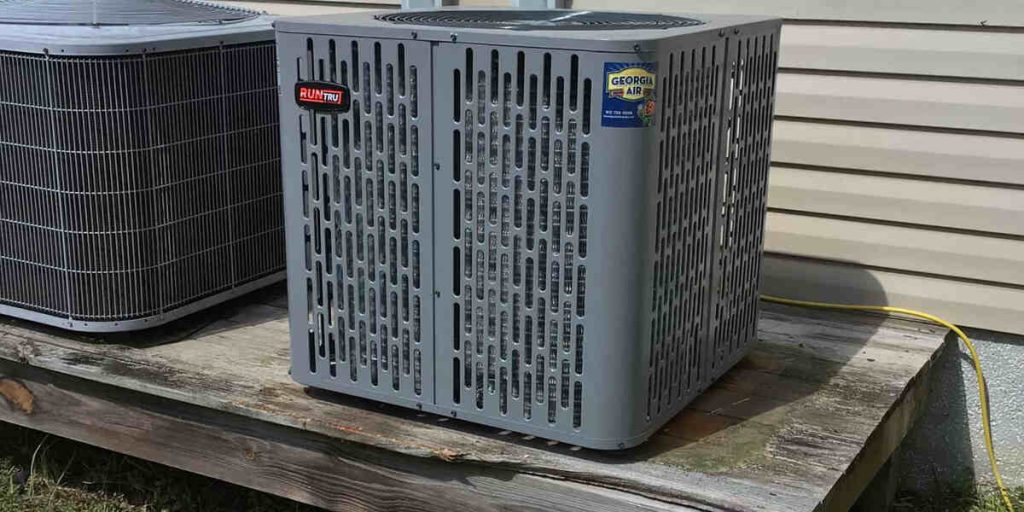
Capacitors work inside the air conditioner’s outdoor unit. This unit faces heat, rain, and humidity daily. High heat can dry out the capacitor’s materials.
- Heat causes the capacitor’s insulation to break down.
- Moisture can enter and cause corrosion.
- Both weaken the capacitor’s ability to hold charge.
Keeping the outdoor unit clean and shaded can help reduce heat and moisture damage.
Physical Wear And Tear
| Wear Type | Effect on Capacitor |
|---|---|
| Vibrations | Can loosen or crack capacitor parts |
| Age | Materials degrade over time |
| Improper Installation | Leads to stress and early failure |
Regular maintenance checks can spot wear and tear early. Replacing old capacitors before failure keeps your air conditioner running well.
Testing And Diagnosing Capacitor Health
Air conditioner capacitors help start and run the motor. They have an average life of 10 to 20 years. Testing and diagnosing them helps avoid sudden failures.
Checking capacitor health involves tools and careful observation. Two main ways are using a multimeter and doing a visual inspection.
Using A Multimeter
A multimeter measures electrical values to check the capacitor. It shows if the capacitor holds charge properly or is failing.
- Turn off power to the air conditioner.
- Discharge the capacitor safely with a screwdriver.
- Set the multimeter to the capacitance test mode.
- Connect the multimeter leads to the capacitor terminals.
- Read the value and compare it to the capacitor’s rating.
- If the reading is much lower or zero, the capacitor is bad.
Visual Inspection Tips
Look at the capacitor for physical signs of damage. This can indicate if it needs replacement.
| Symptom | Meaning |
| Bulging or swelling | Capacitor is failing or failed |
| Leaking fluid | Internal damage and replacement needed |
| Burn marks or discoloration | Overheating or electrical damage |
| Loose or broken terminals | Poor connection or failure risk |
| Corrosion on terminals | Bad electrical contact |
Credit: www.georgiaairrepair.com
Replacement And Maintenance Tips
An air conditioner capacitor helps start the compressor and fans. Over time, it wears out and needs replacement. Proper care can extend its life and keep your AC running smoothly.
This guide covers how to choose the right capacitor, decide between professional or DIY replacement, and follow maintenance tips to avoid early failure.
Choosing The Right Capacitor
Select a capacitor that matches your AC unit’s specifications. Using the wrong size or rating can cause damage and reduce efficiency.
- Check the microfarad (µF) rating on the old capacitor
- Match the voltage rating exactly
- Choose capacitors from trusted brands for durability
- Look for a capacitor with a long warranty period
Professional Vs Diy Replacement
Replacing a capacitor can be risky due to electrical shock hazards. Professionals have the tools and training to do it safely. DIY is possible but needs care and knowledge.
| Aspect | Professional Replacement | DIY Replacement |
| Skill Level | High | Medium to High |
| Safety | Very Safe | Risky without precautions |
| Time Required | Short | Longer |
| Cost | Higher | Lower |
Preventive Maintenance Strategies
Regular checks can help spot capacitor issues early. Keep your AC clean and dry to avoid capacitor failure caused by heat and moisture.
- Turn off power before inspecting the capacitor
- Look for bulging, leaks, or rust on the capacitor
- Clean dust and debris from the AC unit regularly
- Schedule yearly inspections with a technician
- Replace capacitors every 5 to 10 years as a preventive measure
Credit: www.carrier.com
Frequently Asked Questions
What Is The Typical Lifespan Of An Ac Capacitor?
The average lifespan of an AC capacitor is between 10 to 20 years. Factors like usage, climate, and maintenance affect its durability. Regular inspection can help extend its life and prevent sudden failures.
How Can I Tell If My Ac Capacitor Is Failing?
Signs of a failing AC capacitor include slow cooling, unusual noises, and the AC not starting. Swollen or leaking capacitors are clear indicators. Early detection helps avoid costly repairs and system downtime.
Does Weather Affect An Air Conditioner Capacitor’s Life?
Yes, extreme heat and humidity can shorten a capacitor’s lifespan. High temperatures cause the capacitor to overheat and degrade faster. Proper ventilation and shading can help protect it from weather damage.
Can A Faulty Capacitor Damage My Ac Unit?
A faulty capacitor can cause the AC motor to overheat and fail. It may lead to compressor or fan motor damage if not replaced promptly. Timely capacitor replacement ensures your AC runs efficiently and lasts longer.
Conclusion
An air conditioner capacitor usually lasts 10 to 20 years. Regular maintenance can extend its life. Check your air conditioner often. Look for signs like frequent cycling or strange noises. A failing capacitor can make your air conditioner inefficient. Timely replacement prevents bigger problems.
Professional help ensures a proper fix. Enjoy cool air without interruptions. Simple checks save money and stress. Keep your home comfortable and energy efficient. Remember, small steps lead to big savings.