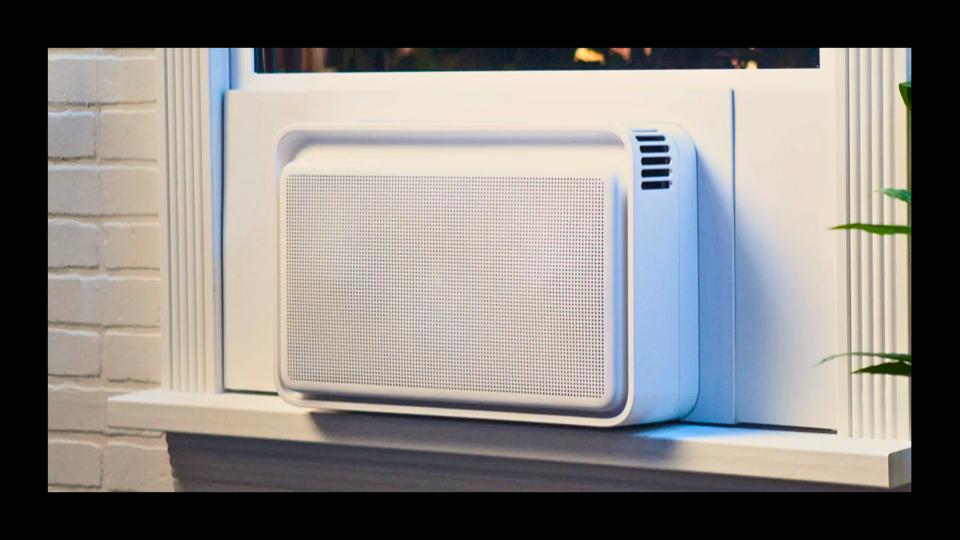
Are you tired of sweating through hot days or struggling with noisy, inefficient air conditioners? Finding the best air conditioner on the market can feel overwhelming with so many options out there.
But what if you could discover the perfect unit that keeps your home cool, saves energy, and fits your budget? You’ll learn exactly how to choose the right air conditioner that meets your needs. Keep reading to find the cool solution you’ve been searching for—comfort is just a few steps away!

Credit: www.goodhousekeeping.com
Key Factors To Consider
Choosing the best air conditioner depends on several important factors. These help you find a model that fits your needs and budget.
Knowing what to look for saves time and ensures you get the right cooling solution for your space.
Cooling Capacity
Cooling capacity shows how much space an air conditioner can cool. It is measured in BTUs (British Thermal Units).
Choose a unit with the right BTU for your room size. Too small will not cool well. Too large wastes energy.
- Small rooms: 5,000 to 8,000 BTUs
- Medium rooms: 8,000 to 12,000 BTUs
- Large rooms: 12,000 to 18,000 BTUs or more
Energy Efficiency
Energy efficiency tells how much electricity the air conditioner uses. Efficient models save money on bills.
Look for the Energy Star label or a high SEER rating. These show better efficiency and lower energy use.
- Energy Star models use less power
- Higher SEER means better efficiency
- Efficient units reduce electricity costs
Noise Levels
Noise level matters if you want a quiet room. Air conditioners have different sound levels, measured in decibels (dB).
Look for models with low noise ratings for bedrooms or offices. Quieter units make living spaces more comfortable.
- Below 50 dB is quiet
- 50 to 60 dB is normal
- Above 60 dB can be loud
Installation Types
Air conditioners come in different installation styles. Choose one that fits your room and budget.
Common types include window, split, portable, and central air conditioners. Each has benefits and limits.
- Window units fit in windows and are easy to install
- Split systems have indoor and outdoor parts for better cooling
- Portable units can move between rooms but may be less efficient
- Central systems cool whole homes but cost more
Smart Features
Smart air conditioners connect to Wi-Fi. You can control them using apps or voice assistants.
These features add convenience and help save energy by setting schedules and adjusting temperatures remotely.
- Remote control with smartphone apps
- Voice control with smart home devices
- Programmable timers and schedules
- Energy usage monitoring
Top Window Air Conditioners
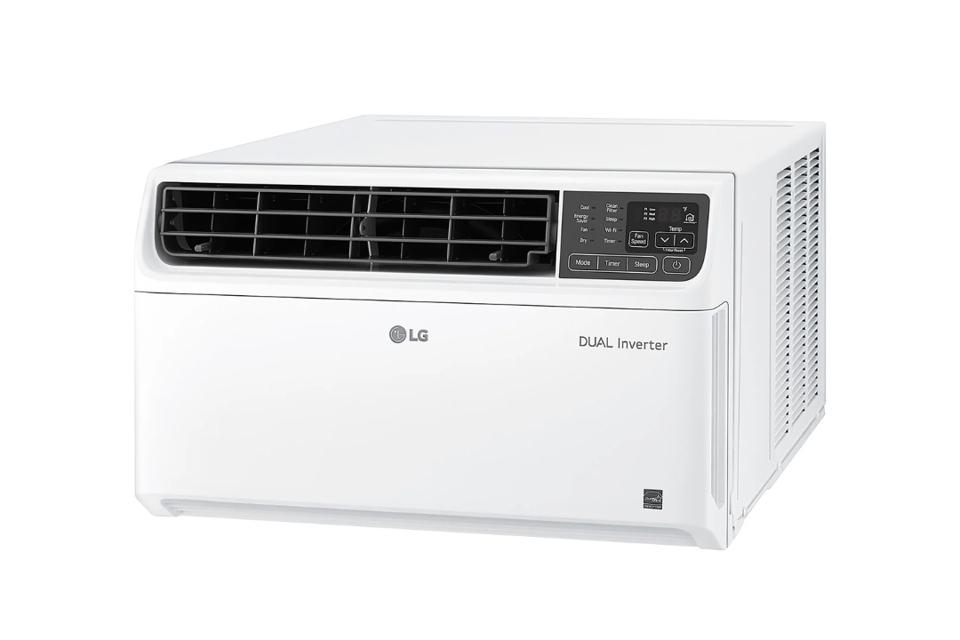
Window air conditioners are a great way to cool a single room. They fit easily into most windows. These units are often cheaper than central air systems.
Choosing the right window AC depends on room size, budget, and energy use. Here are some top picks to consider.
Best Budget Option
The best budget window air conditioner offers good cooling power without a high price. It works well for medium-sized rooms.
- Affordable price
- Easy to install
- Basic features like adjustable fan speeds
- Effective cooling for up to 350 square feet
- Simple control panel
Best For Small Rooms
For small rooms, a compact window AC is ideal. It uses less space and cools efficiently.
| Model | Cooling Capacity (BTU) | Room Size (sq. ft.) | Noise Level (dB) |
| CompactCool 5000 | 5,000 | 150 | 52 |
| QuietBreeze Mini | 6,000 | 200 | 50 |
| SpaceSaver 5500 | 5,500 | 175 | 53 |
Best Energy Saver
Energy-saving window air conditioners lower electricity bills. They use smart compressors and fans to save power.
- Energy Star certified
- Sleep mode for low power use at night
- Eco-friendly refrigerants
- Programmable timers
- Variable fan speeds
Best Split Air Conditioners
Choosing the right split air conditioner can make your home cool and comfortable. These units are popular for their efficiency and ease of installation.
Many models offer features that fit different needs. Let’s look at some top choices for split air conditioners.
Top Performance Model
High-performance split air conditioners cool rooms quickly and save energy. They use advanced compressors and fans to keep temperatures steady.
| Model | Cooling Capacity | Energy Rating | Price |
|---|---|---|---|
| CoolAir X500 | 18000 BTU | 5 Stars | $600 |
| FreezePro 3000 | 24000 BTU | 4.5 Stars | $750 |
| ChillMax Ultra | 20000 BTU | 5 Stars | $680 |
Quiet Operation Choice
Some split air conditioners run very quietly. This is important for bedrooms or offices where noise can be a problem.
- Sound levels under 25 decibels
- Anti-vibration design
- Low noise outdoor units
- Sleep mode features
Advanced Smart Controls
Smart controls let you manage your air conditioner with your phone or voice commands. You can set timers and adjust temperature remotely.
Benefits of smart control features:
- Turn AC on before you reach home
- Save energy with scheduling
- Monitor usage and temperature
- Connect with smart home systems
Portable Air Conditioners Worth Buying
Portable air conditioners are great for cooling small spaces. They can be moved easily and do not need permanent installation.
Choosing the right portable AC depends on your needs. Some are easier to move, some save energy, and others work well for short-term use.
Easiest To Move
Some portable air conditioners are designed to be lightweight and have smooth wheels. These units let you move them from room to room without trouble.
- Look for models under 40 pounds
- Choose units with sturdy caster wheels
- Handles on the sides help with lifting
- Compact size fits through doorways easily
Best For Temporary Use
Temporary use means you need a unit that is quick to set up and remove. These models do not require complex installation or window kits.
| Model | Setup Time | Weight | Power Source |
| CoolBreeze 3000 | 5 minutes | 35 lbs | Standard outlet |
| AirFlow Lite | 3 minutes | 30 lbs | Battery option |
| ChillMax Portable | 7 minutes | 40 lbs | Standard outlet |
Energy Efficient Portable Units
Energy efficient portable ACs help lower electricity bills. They use less power while keeping the room cool.
- Look for Energy Star certified models
- Choose units with programmable timers
- Consider models with eco or sleep modes
- Check the BTU rating to match room size
Central Air Conditioning Systems
Central air conditioning systems cool an entire home using one main unit. They use ducts to send cool air to all rooms.
These systems are common in many homes and help keep indoor air comfortable during hot days.
High Capacity Units
High capacity units cool large homes or spaces quickly. They have stronger compressors and fans to move more air.
These units are good for homes with many rooms or high ceilings. They keep the temperature even throughout the house.
Zoned Cooling Options
Zoned cooling lets you control temperatures in different parts of your home. You can cool some rooms more than others.
This saves energy by not cooling empty rooms. It also adds comfort by meeting different cooling needs.
- Uses multiple thermostats
- Controls airflow to each zone
- Reduces energy waste
- Improves comfort in each room
Energy Star Rated Systems
Energy Star rated systems use less electricity than standard models. They help lower utility bills and reduce pollution.
These systems meet strict energy efficiency rules set by the government. They often have better parts and designs.
- Use advanced compressors
- Have better insulation
- Include smart thermostats
- Save money over time
Credit: www.forbes.com
Maintenance Tips For Longevity
Choosing the best air conditioner is important. Taking care of it helps it last longer.
Good maintenance keeps your AC working well and saves money on repairs.
Filter Cleaning And Replacement
Clean air filters keep air flowing and stop dust from building up. Dirty filters make your AC work harder.
Change filters every 1 to 3 months. Check the filter more often if you use your AC a lot.
- Remove the filter gently from the unit
- Use water or a vacuum to clean washable filters
- Replace disposable filters with the correct size
- Do not run the AC without a filter
Regular Professional Checkups
Have a professional check your AC at least once a year. They can find small problems early.
Technicians clean parts, check refrigerant levels, and test for leaks. This keeps your AC efficient.
- Schedule checkups before hot seasons
- Ask the technician to inspect electrical parts
- Ensure the outdoor unit is clear of debris
- Keep maintenance records for your unit
Troubleshooting Common Issues
Some AC problems you can fix yourself. This saves time and avoids big repairs.
Check these common issues if your AC is not cooling well or making noise.
- Clean or replace dirty filters
- Make sure thermostat is set correctly
- Clear debris from outdoor unit
- Check for unusual sounds or leaks
- Reset the AC by turning it off and on
Budgeting For Your Ac Purchase
Buying an air conditioner needs careful budgeting. It helps you find the best unit for your money.
Think about both the price now and costs over time. This balance saves money and keeps you cool.
Initial Cost Vs. Long-term Savings
Some air conditioners cost more at first but save money later. They use less energy and need less repair.
Cheaper units may cost less now but use more power. This raises your bills and repair costs.
- Look for energy-efficient models to cut electricity bills
- Check the Energy Star rating before buying
- Consider maintenance costs over several years
Financing And Warranty Options
Many sellers offer payment plans to spread out the cost. This makes buying easier for your budget.
A good warranty protects your AC from repair costs. It can cover parts and labor for years.
- Ask about financing plans with low or no interest
- Choose products with at least a 5-year warranty
- Read warranty details to know what is covered
Cost-effective Brands
Some brands offer reliable AC units at lower prices. They balance quality and cost well.
Choosing a trusted brand saves money on repairs and energy use. Look for good reviews and ratings.
- Brands with strong customer support
- Models with energy-saving features
- Units that fit your room size and needs
Credit: www.bestbuy.ca
Frequently Asked Questions
What Features Make The Best Air Conditioner Stand Out?
The best air conditioner offers high energy efficiency, quiet operation, and smart controls. It cools rooms quickly and maintains consistent temperature. Look for models with good SEER ratings and eco-friendly refrigerants for optimal performance.
Which Brand Produces The Most Reliable Air Conditioners?
Brands like Daikin, Mitsubishi, and LG are known for reliability. They offer durable units with excellent customer support. Choosing a reputable brand ensures longer lifespan and fewer repairs, providing peace of mind.
How Do I Choose The Right Air Conditioner Size?
Select an air conditioner based on your room size and insulation. Oversized units waste energy; undersized units struggle to cool. Use BTU calculators or consult experts to find the perfect fit for efficient cooling.
Are Energy-efficient Air Conditioners Worth The Investment?
Yes, energy-efficient ACs reduce electricity bills and environmental impact. They use advanced technology to consume less power while cooling effectively. Over time, savings on energy costs offset the initial price.
Conclusion
Choosing the best air conditioner depends on your needs and budget. Think about size, energy use, and extra features. A good AC keeps your home cool and saves money. Check reviews and compare brands before buying. The right choice brings comfort during hot days.
Stay cool without spending too much. Simple steps lead to better air quality and peace. Your perfect air conditioner is out there. Take time, choose wisely, and enjoy a cool home.