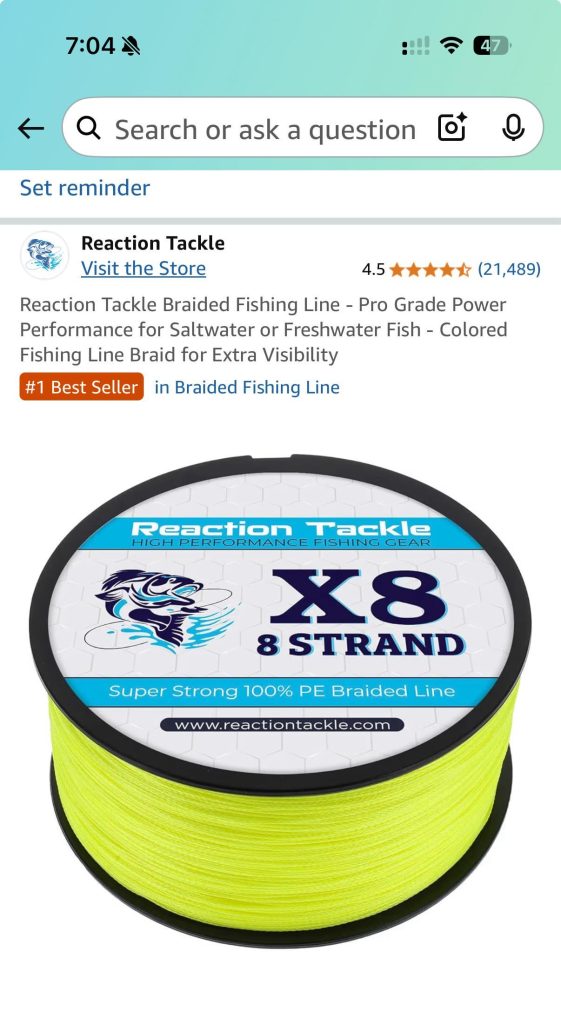
Are you tired of losing big bass right at the last moment? Choosing the best bass fishing line can make all the difference between a thrilling catch and an empty hook.
Your fishing line is more than just a connection between you and the water—it’s your secret weapon. You’ll discover how to pick the perfect line that matches your style, the conditions, and the bass you want to catch. Keep reading, and get ready to reel in your biggest bass yet!

Credit: www.youtube.com
Types Of Bass Fishing Lines
Bass fishing requires the right line for success. Different lines work in different conditions. Here are the main types of bass fishing lines.
Monofilament Lines
Monofilament lines are popular among anglers. They are made from a single fiber of plastic. They are flexible and easy to use.
These lines are good for beginners. They are affordable and come in many colors. Monofilament lines are also easy to knot.
- Stretchable and forgiving
- Good for topwater baits
- Prone to sun damage over time
Fluorocarbon Lines
Fluorocarbon lines are almost invisible underwater. They are made from a type of plastic that does not absorb water. This makes them last longer.
These lines are great for clear water. Fish cannot see them easily. They also sink faster than monofilament lines.
- Invisible in water
- Resistant to abrasion
- Can be expensive
Braided Lines
Braided lines are made from woven fibers. They are strong and durable. These lines have no stretch, which helps with hook sets.
Braided lines are ideal for heavy cover. They help to pull fish from thick weeds. They are also sensitive, allowing you to feel bites better.
- High strength and durability
- Thin diameter for casting
- Visible in clear water
Key Features To Consider
Choosing the right bass fishing line is important for a good fishing experience. Different lines have different qualities that affect how well you catch fish.
Look at several features to find the best line for your needs. These include strength, sensitivity, visibility, and resistance to wear.
Strength And Durability
Strength is how much weight the line can hold before breaking. Durability means how long the line lasts without wearing out. Both matter when fishing for big bass.
- Check the line’s breaking strength (measured in pounds)
- Look for lines made from strong materials like braided fibers
- Consider your fishing style and the size of bass you want to catch
Sensitivity And Stretch
Sensitivity helps you feel bites and movements under water. Lines with low stretch give better sensitivity. Stretchy lines can hide subtle bites.
Monofilament lines stretch more but are softer. Fluorocarbon and braided lines stretch less, making them more sensitive.
Visibility In Water
Visibility affects how well fish see the line. Clear or low-visibility lines reduce the chance of spooking bass. Different water types call for different colors.
| Water Type | Recommended Line Color |
| Clear Water | Clear or Light Green |
| Murky Water | Dark Green or Brown |
| Stained Water | Fluorescent or Bright Colors |
Abrasion Resistance
Abrasion resistance means the line can handle rubbing against rocks, weeds, and other obstacles. Higher abrasion resistance keeps the line strong longer.
Braided lines usually have the best abrasion resistance. Fluorocarbon lines also resist abrasion well but may be less flexible.
Top Picks For Bass Fishing Lines
Choosing the right fishing line is key to catching bass. Different lines have different strengths and uses.
This guide covers the best monofilament, fluorocarbon, and braided lines for bass fishing.
Best Monofilament Line
Monofilament line is stretchy and easy to handle. It is good for beginners and general fishing.
This line floats on water and offers good knot strength. It works well for topwater lures.
- Affordable and widely available
- Soft and flexible for easy casting
- Good visibility for beginners
- Best for slow retrieves and surface fishing
Best Fluorocarbon Line
Fluorocarbon line sinks faster and is less visible underwater. It is good for clear water fishing.
This line is strong and abrasion-resistant. It helps bass anglers fish around rocks and weeds.
- Low visibility under water
- High resistance to wear and tear
- Better sensitivity for bites
- Works well with soft plastics and jigs
Best Braided Line
Braided line has no stretch and very high strength. It is perfect for heavy cover and large bass.
This line lasts long and casts far. It is thin but strong, which helps with deep water fishing.
- Extremely strong with thin diameter
- Does not stretch, improving hook sets
- Durable against sharp objects
- Ideal for heavy lures and thick weeds

Credit: bassblaster.rocks
Choosing The Right Line For Your Technique
Choosing the right bass fishing line is important for your fishing success. Different techniques need different types of lines. Picking the correct line helps you catch more fish and enjoy your time on the water.
Lines vary in strength, stretch, and visibility. Knowing your fishing style guides you to the best line choice. This guide explains which lines suit popular bass fishing techniques.
Casting And Spinning Techniques
Casting and spinning use lures that fly far and land softly. A smooth line helps with distance and accuracy. Many anglers pick monofilament or fluorocarbon lines for these techniques.
Monofilament stretches well and is easy to handle. Fluorocarbon is less visible underwater and sinks faster. Both work well depending on water clarity and lure type.
- Monofilament is good for beginners and light lures
- Fluorocarbon works best in clear water
- Choose line strength based on lure weight and fish size
Flipping And Pitching
Flipping and pitching need strong, low-stretch lines. These techniques place baits quietly near cover. Braided lines are popular because they have no stretch and high strength.
Braided lines also allow you to feel subtle bites better. Anglers often add a fluorocarbon leader to reduce visibility near heavy cover.
- Use braided line for strength and sensitivity
- Pair with fluorocarbon leader for stealth
- Choose 50-65 lb test for heavy cover
Topwater And Jigging
Topwater fishing needs lines that handle quick hook sets and splashy strikes. Jigging requires lines that sink well and resist abrasion. Fluorocarbon is a good all-around choice for both.
Fluorocarbon sinks faster than monofilament. It also is tough against rough surfaces. Some anglers use braided lines for jigging with a fluorocarbon leader for balance.
- Fluorocarbon offers low visibility and abrasion resistance
- Braided line plus fluorocarbon leader improves sensitivity
- Choose line strength based on lure size and fishing depth
Tips For Maintaining Your Fishing Line
Taking care of your fishing line helps it last longer and work better. Good maintenance stops breaks and improves your fishing experience.
Use simple habits like storing, checking, and replacing your line to keep it in top shape. These steps save money and frustration.
Proper Storage
Store your fishing line away from sunlight and heat. UV rays and high temperatures weaken the line over time.
- Keep line in a cool, dry place
- Use sealed containers to avoid dust and dirt
- Avoid storing line where it can get tangled
- Do not store line near chemicals or oils
Regular Inspection
Check your fishing line before each trip. Look for cracks, frays, or discoloration that signal damage.
| Signs of Damage | Action |
| Frays or Nicks | Cut and remove damaged section |
| Discoloration | Consider replacing the line |
| Loss of Smoothness | Clean line with fresh water |
| Weak Spots | Replace line if spots are large |
Line Replacement Frequency
Replace your fishing line regularly to avoid surprises. The replacement time depends on how often you fish and line type.
- Replace monofilament line every 3 to 6 months
- Braid line can last up to a year but inspect often
- Fluorocarbon line lasts longer but replace yearly
- Replace line immediately if it shows damage signs

Credit: www.gameandfishmag.com
Frequently Asked Questions
What Is The Best Line Type For Bass Fishing?
The best line type for bass fishing is fluorocarbon. It offers low visibility, high sensitivity, and abrasion resistance. Fluorocarbon helps detect subtle bites and withstands rough underwater structures. It’s ideal for clear water and precise lure control.
How Strong Should Bass Fishing Line Be?
Bass fishing line strength typically ranges from 8 to 20 pounds. Choose 8-12 pounds for finesse techniques and 15-20 pounds for heavy cover. Strength depends on bass size, fishing style, and environment. Proper strength prevents line breakage and improves hook sets.
Does Line Diameter Affect Bass Fishing?
Yes, line diameter affects casting distance and line visibility. Thinner lines cast farther and appear less visible underwater. Thicker lines offer more strength and abrasion resistance. Choose diameter based on fishing conditions and lure type for best results.
When Should You Use Braided Line For Bass?
Use braided line for heavy cover or deep water bass fishing. Braided line offers high strength, low stretch, and excellent sensitivity. It’s perfect for pulling bass from thick vegetation or rocky areas. Pair it with a fluorocarbon leader for best performance.
Conclusion
Choosing the best bass fishing line depends on your fishing style and water conditions. Each type offers unique benefits for catching bass. Consider line strength, stretch, and visibility in water. Test different lines to find what feels right for you.
Good fishing line helps you catch more fish and enjoy the experience. Keep your gear ready and enjoy your next bass fishing trip!