Are you tired of coming home empty-handed after a day of bass fishing? The right lure can make all the difference between a frustrating trip and an exciting catch.
But with so many options out there, how do you know which one will work best for you? This guide will help you discover the best bass fishing lure tailored to your needs. Keep reading, and you’ll soon have the secret weapon that turns your next fishing adventure into a success.
Types Of Bass Fishing Lures
Bass fishing lures come in many types. Each type works well in different water and weather conditions.
Choosing the right lure can help catch more bass. Learn about popular lure types below.
Crankbaits
Crankbaits are hard-bodied lures that dive underwater. They imitate small fish swimming away from danger.
They come in many shapes and sizes. The shape controls how deep the lure dives and how it moves.
- Dives shallow, medium, or deep
- Good for covering large water areas
- Make a wobbling or rattling sound
Spinnerbaits
Spinnerbaits have one or more metal blades that spin when pulled. The spinning flashes light and makes noise.
These lures attract bass by imitating small prey fish. They work well in murky water and heavy cover.
- Use in weedy or rocky areas
- Blades create flash and vibration
- Easy to cast and retrieve
Jigs
Jigs are weighted lures with a hook and a soft skirt or hair. They move slowly and bounce on the bottom.
Jigs mimic crawfish or injured baitfish. They are great for fishing near structures and deep water.
- Can be used with soft plastic trailers
- Effective for slow, careful bass
- Good for flipping and pitching techniques
Soft Plastics
Soft plastics are flexible lures that look like worms, frogs, or minnows. They feel natural to bass.
They come in many shapes and sizes. Anglers rig them in different ways for different actions.
- Use Texas rig, Carolina rig, or drop shot
- Work well in clear and stained water
- Can imitate many types of prey
Topwater Lures
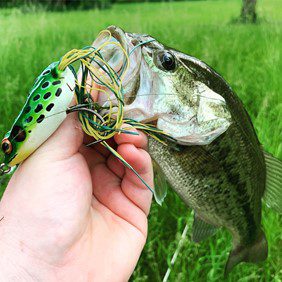
Topwater lures float on the surface and create splashes or noises. They excite bass to strike from below.
These lures are best used early morning or late evening. They come in poppers, frogs, and walking baits.
- Great for shallow water fishing
- Use slow or fast retrieves
- Watch for visible strikes on the surface

Credit: www.amazon.ca
Factors For Choosing The Right Lure
Bass fishing can be exciting and rewarding. Picking the right lure is key. Many factors influence this choice. Let’s explore the important ones.
Water Conditions
Water conditions greatly affect lure choice. Clear water requires natural colors. Muddy water calls for brighter lures. The right choice helps bass see the lure better.
- Clear water: Use natural or translucent lures
- Muddy water: Use bright or dark lures
- Calm water: Use subtle movements
Bass Behavior
Bass behavior changes with their mood. Active bass chase fast-moving lures. Lazy bass might need a slower presentation. Watch their behavior to choose the best lure.
- Active bass: Use fast-moving lures
- Inactive bass: Use slow-moving lures
- Curious bass: Use lures with noise
Seasonal Changes
Seasons affect bass feeding habits. In spring, bass are active and aggressive. Summer heat can make them sluggish. Fall is great for feeding bass. Winter requires a slow approach.
- Spring: Use aggressive lures
- Summer: Use deep-diving lures
- Fall: Use baitfish imitators
- Winter: Use slow-moving jigs
Lure Color And Size
Lure color and size matter in bass fishing. Larger lures work for bigger bass. Smaller lures can attract more bites. Match lure color to the environment for better results.
- Large lures: Target big bass
- Small lures: Increase bite chances
- Match lure color to water and weather
Top Lures For Big Bass
Big bass need strong, effective lures to catch their attention. The right lure matches the bass’s habits and environment. This guide covers top lures for catching big bass.
Each type of lure has its strength. Use crankbaits, spinnerbaits, jigs, soft plastics, and topwater lures to improve your chances.
Best Crankbait Models
Crankbaits dive deep and imitate small fish. They work well in open water and rocky areas. Big bass often chase these fast-moving lures.
Look for crankbaits with strong lips for deep diving. Bright colors help in murky water. Use models that create noise to attract bass.
- Deep Diving Crankbaits
- Squarebill Crankbaits for cover
- Shallow Crankbaits for sunny days
Effective Spinnerbaits
Spinnerbaits have blades that flash and spin. This movement attracts bass by mimicking injured baitfish. They work well in stained water.
Choose spinnerbaits with silver or gold blades. Use heavier models for windy days. Vary your retrieve speed to find what bass like.
- Willow Leaf Blades for long flash
- Colorado Blades for vibration
- Combination Blades for versatility
Jigs For Heavy Cover
Jigs are perfect for fishing near heavy cover like weeds and wood. They can be flipped or pitched into tight spaces. Bass hide in cover to ambush prey.
Pick jigs with strong hooks and durable skirts. Dark colors work well in shaded areas. Add a trailer for extra action and size.
- Football Head Jigs for rocky bottoms
- Flipping Jigs for thick cover
- Swim Jigs for open water near cover
Soft Plastics That Work
Soft plastic lures mimic worms, crawfish, and baitfish. They are versatile and can be rigged many ways. Big bass often bite soft plastics slowly.
Use darker colors in clear water and bright colors in murky water. Rig them Texas or Carolina style for different depths. Soft plastics work well year-round.
- Worms and Stick Baits
- Crawfish Imitations
- Swimbaits for lifelike action
Topwater Lures For Surface Strikes
Topwater lures create splashes and noise that attract bass on the surface. Use these early in the morning or late in the evening. Bass love to strike fast-moving surface baits.
Choose poppers, frogs, or buzzbaits for topwater fishing. Work them slowly to tease big bass into biting. Watch for splashes and follow the lure closely.
- Poppers for loud surface pops
- Frogs for heavy vegetation
- Buzzbaits for fast action

Credit: mysterytacklebox.com
Techniques To Maximize Lure Effectiveness
Choosing the right bass fishing lure is only part of the challenge. Using the lure well increases your chances of catching bass. Different techniques can make your lure more attractive to fish.
Understanding how to control your lure’s movement and presentation helps you fish smarter. Let’s explore key techniques that improve lure effectiveness.
Retrieval Speeds
Changing the speed at which you pull your lure through the water can trigger strikes. Bass may react differently to fast or slow movements. Try varying your retrieval speed to find what works best.
Slow retrieves often mimic injured prey, which can attract bass. Faster retrieves create vibrations and splashes that may lure aggressive fish.
- Slow and steady works well in cold water
- Fast retrieves can excite bass in warm water
- Pause during retrieval to imitate struggling prey
- Mix speeds to find the bass’ preferred pace
Presentation Styles
How you present your lure influences bass interest. Different styles imitate natural bait or provoke reaction strikes. Experiment with various presentations to improve results.
Some common presentation styles include steady retrieves, jerking the lure to create twitches, and dragging it along the bottom. Each style appeals to bass in different conditions.
- Steady retrieve mimics swimming prey
- Twitching adds lifelike erratic movement
- Dragging imitates bottom-dwelling creatures
- Stop-and-go retrieves surprise bass by changing speed
Using Lures With Electronics
Electronics like fish finders help locate bass and choose lures. Use sonar to find structure, schools of bass, or underwater cover. This guides your lure choice and technique.
Electronics show water depth and temperature, which affect bass behavior. Adjust your lure size, color, and retrieval based on the data for better success.
- Use fish finders to locate bass hiding spots
- Match lure depth to fish depth shown on sonar
- Change lure color in clear or murky water
- Note water temperature to adjust retrieval speed
Matching Lures To Bass Habitat
Bass live in different habitats like weeds, rocks, or open water. Match your lure to the habitat to attract bass. Different lures work better in certain environments.
Use weedless lures near thick vegetation to avoid snags. Hard baits work well around rocky areas. Soft plastics can imitate creatures in muddy or sandy zones.
- Use weedless frogs or spinnerbaits in heavy weeds
- Try crankbaits or jigs near rocky cover
- Soft plastics work well in mud or sand
- Topwater lures attract bass in open shallow water
Maintenance And Care For Lures
Keeping your bass fishing lures in good shape helps them last longer. Proper care keeps their colors bright and hooks sharp. This guide covers easy tips for cleaning, storing, and fixing your lures.
Well-maintained lures improve your chances of catching bass. Spend time on simple tasks to protect your fishing gear.
Cleaning Tips
Rinse lures with fresh water after fishing. Salt and dirt can damage the finish and hooks. Use a soft brush to remove grime from small parts.
- Wash lures gently using water and mild soap
- Dry lures completely before storing
- Check for rust or damage during cleaning
- Avoid harsh chemicals that can wear paint or plastic
Storage Solutions
Store lures in a dry, cool place to prevent rust and fading. Use tackle boxes with compartments to keep lures organized and safe. Avoid mixing soft plastic lures with hard ones to stop melting or sticking.
| Storage Method | Benefit |
| Tackle box with dividers | Prevents tangling and damage |
| Plastic bags for soft plastics | Stops chemical reactions and sticking |
| Cool, dry area | Reduces rust and fading |
Hook Replacement
Sharp hooks catch more fish. Replace dull or rusty hooks quickly. Use pliers to remove old hooks safely. Match hook size to the lure for best results.
- Remove damaged hooks with pliers
- Choose new hooks of the correct size and type
- Attach hooks firmly to the lure’s split rings
- Test hook strength before fishing

Credit: www.gameandfishmag.com
Frequently Asked Questions
What Is The Best Bass Fishing Lure For Beginners?
The best bass fishing lure for beginners is a spinnerbait. It is easy to use, versatile, and attracts bass in various water conditions.
Which Bass Fishing Lure Works Best In Murky Water?
In murky water, bright-colored crankbaits or spinnerbaits work best. Their vibration and flash help bass locate the lure despite low visibility.
How Do I Choose The Right Bass Fishing Lure Size?
Choose lure size based on bass feeding habits and water clarity. Smaller lures work well in clear water; larger ones attract bass in stained water.
Are Soft Plastic Lures Effective For Bass Fishing?
Yes, soft plastic lures are highly effective. They mimic natural prey and allow versatile rigging options, making them a favorite among bass anglers.
Conclusion
Choosing the best bass fishing lure depends on water, weather, and fish mood. Try different lures to see what works best. Small changes can bring big results. Keep your tackle box ready and experiment often. Enjoy the process of learning and catching bass.
Patience and practice will improve your fishing skills. Happy fishing!