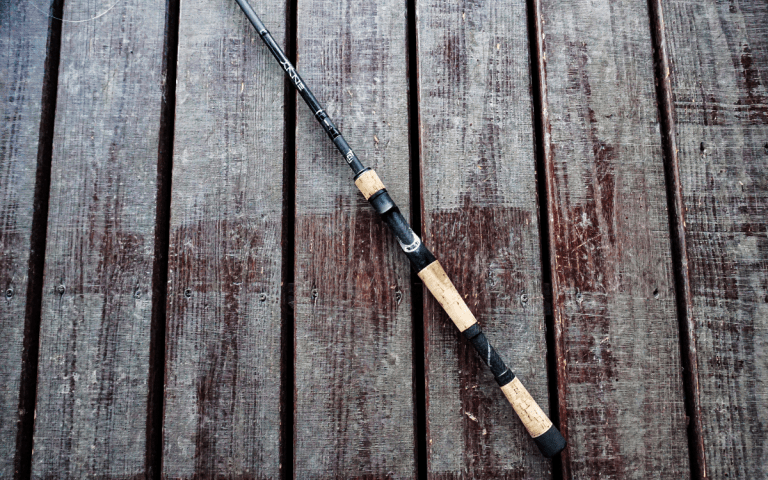
If you want to catch more bass, having the right fishing rod can make all the difference. But with so many options out there, how do you choose the best bass fishing rod for your needs?
Whether you’re a beginner or a seasoned angler, this guide will help you find the perfect rod that fits your style and boosts your chances of landing that trophy bass. Keep reading to discover what features really matter and how to pick a rod that gives you an edge every time you hit the water.

Credit: fishingbooker.com
Choosing The Right Rod
Picking the best bass fishing rod makes your fishing easier and more fun. A good rod helps you cast far and feel the fish bite.
Many things matter when choosing a rod. You need to think about length, material, power, and how the rod acts.
Rod Length And Power
Rod length affects how far you can cast. Longer rods cast farther but are harder to control. Short rods are good for close fishing.
Power means how strong the rod is. Light power rods work for small fish. Medium and heavy rods handle bigger fish and heavier baits.
- Short rods (5-6 feet): Better for tight spaces
- Medium rods (6-7 feet): Good all-around choice
- Long rods (7-8 feet): Cast far in open water
- Light power: For small bass and light lures
- Medium power: Fits most bass fishing
- Heavy power: Best for big bass and heavy baits
Material Types
Rods come in different materials like graphite, fiberglass, and composite. Each type feels different and costs vary.
Graphite rods are light and sensitive. Fiberglass rods are heavier but strong. Composite rods mix both for balance.
- Graphite: Light, sensitive, good for feeling bites
- Fiberglass: Tough, flexible, lasts long
- Composite: Combines graphite and fiberglass benefits
Action And Sensitivity
Action shows how much the rod bends. Fast action rods bend near the tip. Slow action rods bend through the whole rod.
Sensitivity lets you feel small taps from fish. More sensitive rods help you know when a bass bites.
- Fast action: Quick hook sets, good for big bass
- Medium action: Versatile for different fishing styles
- Slow action: Gentle bends, good for smaller fish
- High sensitivity: Feel light bites easily
- Low sensitivity: Less feel but more strength
Top Rod Picks For Bass Fishing
Choosing the right bass fishing rod can improve your fishing experience. Different rods suit various budgets and fishing styles.
This guide covers top picks in budget, premium, and specialized rods for bass fishing techniques.
Best Budget Rods
Budget rods offer good quality without high prices. They are great for beginners and casual anglers.
- Medium power, fast action rods provide versatility.
- Graphite and fiberglass blends offer durability and light weight.
- Look for rods with comfortable handles and solid guides.
Premium Performance Rods
Premium rods use advanced materials for better sensitivity and strength. They suit serious anglers seeking precision.
| Brand | Model | Length | Power | Action |
| Brand A | Pro Bass 3000 | 7 ft | Medium-Heavy | Fast |
| Brand B | Elite Series X | 6’6″ | Heavy | Extra Fast |
| Brand C | Precision Cast | 7’3″ | Medium | Fast |
Specialized Rods For Different Techniques
Different techniques need specific rods. Choose rods based on how you fish bass.
- Flipping rods:Short and stiff for heavy cover.
- Swimbait rods:Longer and stronger for large lures.
- Drop shot rods:Light and sensitive for finesse fishing.
- Topwater rods:Fast action to control surface lures.
Matching Rods With Reels
Choosing the right bass fishing rod involves matching it with the correct reel. This ensures balanced performance and ease of use. The combination affects casting distance and accuracy.
Different fishing styles require different rod and reel combinations. Understanding these can improve your fishing experience. Let’s dive into the details.
Spinning Vs Baitcasting Combos
Spinning combos are beginner-friendly and good for light lures. They offer easy casting and are less prone to tangles. Baitcasting combos provide more control for experienced anglers, especially with heavy lures.
Baitcasting reels are popular for their precision. They require practice to master. Spinning reels are versatile and handle various fishing conditions well.
- Spinning: Best for beginners
- Baitcasting: Ideal for heavy lures
- Spinning: Less risk of line tangles
Line Compatibility
Matching the line with your rod and reel is crucial. Different lines work better with specific rod types. Consider the line weight and material when choosing your setup.
Monofilament lines offer stretch and are easy to use. Braided lines provide strength and durability. Fluorocarbon lines are nearly invisible underwater.
| Line Type | Best For |
| Monofilament | General use |
| Braided | Heavy cover |
| Fluorocarbon | Clear water |
Handle Types And Comfort
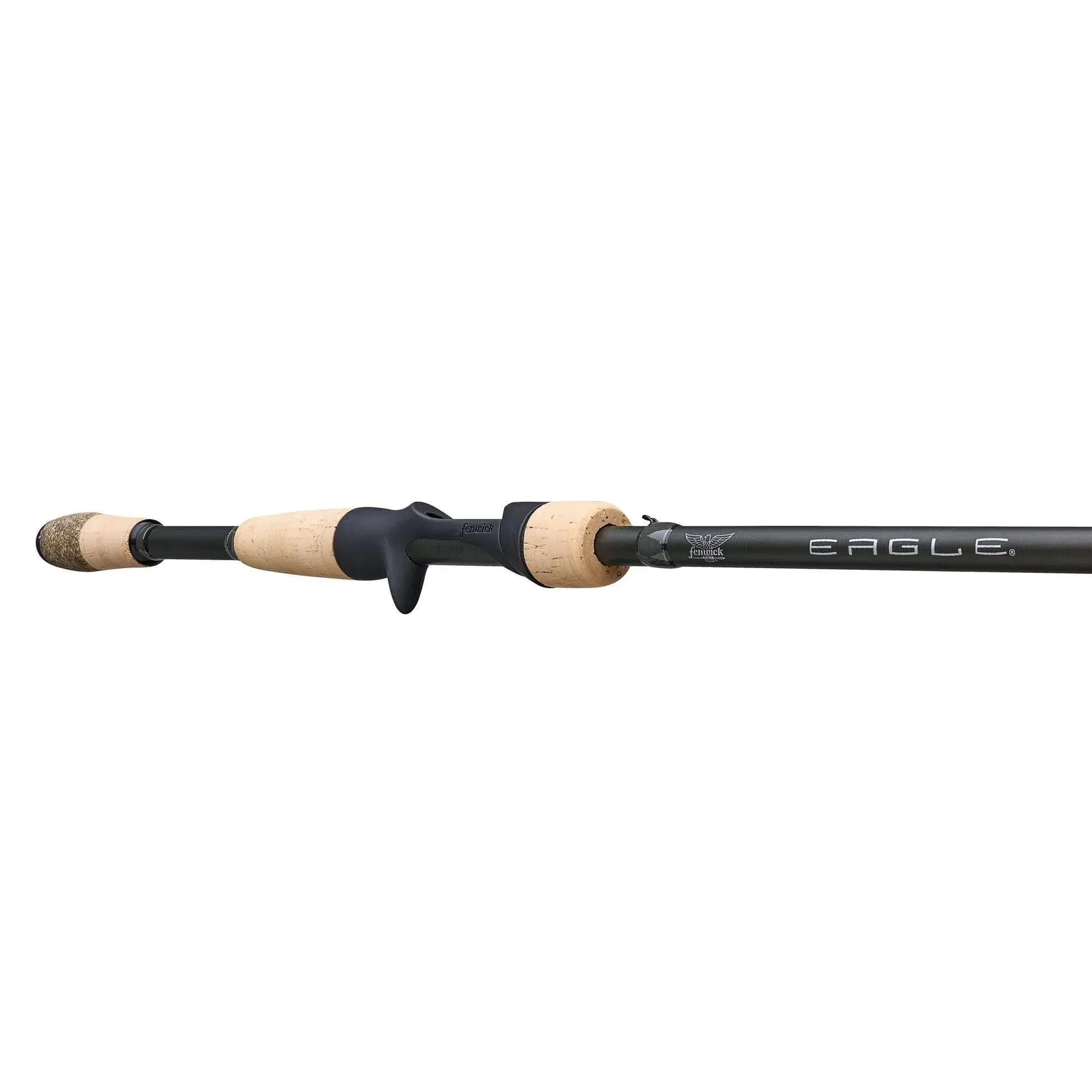
The handle type affects comfort during long fishing sessions. Cork handles provide a warm grip and are lightweight. EVA foam handles are durable and resist wear.
Consider the handle length. Longer handles offer leverage for casting. Shorter handles provide better control for precise casts.
- Cork: Warm and lightweight
- EVA Foam: Durable and grippy
- Long handles: Better leverage
- Short handles: More control

Credit: www.bassresource.com
Tips For Rod Maintenance
Keeping your bass fishing rod in good shape helps it last longer. Regular care makes fishing more fun and effective.
Simple maintenance steps protect your investment and improve your fishing experience. Follow these tips to keep your rod ready.
Cleaning And Storage
After fishing, clean your rod to remove dirt and salt. Use fresh water and a soft cloth to wipe it down gently.
- Rinse the rod with fresh water after each use
- Dry the rod completely before storing
- Store in a cool, dry place away from direct sunlight
- Use rod sleeves or cases for extra protection
Inspecting For Damage
Check your rod regularly for cracks, loose guides, or worn handles. Early repairs prevent bigger problems.
| Part | What to Check | Action if Damaged |
| Rod blank | Cracks or chips | Stop using and get repaired |
| Guides | Loose or bent rings | Tighten or replace guides |
| Handle | Worn grip or splits | Replace grip or wrap handle |
Extending Rod Lifespan
Proper use and care help your rod last many seasons. Avoid putting stress on the rod by handling it carefully.
- Do not exceed the rod’s weight limit for lures and line
- Use a rod holder when fishing from a boat or shore
- Keep the rod straight when transporting it
- Remove the reel carefully to avoid damage
- Clean and lubricate reel seats and guides regularly
Enhancing Your Bass Fishing Experience
Choosing the best bass fishing rod can improve your time on the water. The right rod helps you catch more fish and enjoy the sport.
Understanding how to use your rod with different lures and techniques makes a big difference. Adjust your approach to suit the season and conditions.
Choosing The Right Lures
Selecting the right lure depends on the type of rod you use and the bass behavior. Match your lure to the water clarity and bass feeding patterns.
- Soft plastic worms work well with medium rods
- Crankbaits suit stiff rods for fast retrieves
- Spinnerbaits attract bass in murky water
- Jigs are good for heavy cover areas
- Topwater lures create excitement during low light
Adjusting Techniques For Rod Type
Each rod type needs different casting and retrieval methods. Light rods need gentle casts, while heavy rods can handle strong pulls.
| Rod Type | Best Technique | Ideal Use |
| Light | Soft casts and slow retrieves | Small lures, clear water |
| Medium | Balanced casts and steady retrieves | Most lures, general fishing |
| Heavy | Powerful casts and fast retrieves | Large lures, heavy cover |
Seasonal Fishing Strategies
Bass behavior changes with the seasons. Adjust your rod choice and lure to fit their habits and water temperature.
Try these seasonal tips:
- Spring:Use medium rods with spinnerbaits near spawning areas.
- Summer:Choose heavy rods with topwater lures in shaded spots.
- Fall:Go for medium rods and crankbaits in open water.
- Winter:Use light rods and slow retrieves with soft plastics.
Credit: gearjunkie.com
Frequently Asked Questions
What Length Rod Is Best For Bass Fishing?
A 6. 5 to 7-foot rod is ideal for bass fishing. It offers good casting distance and control. This length balances power and finesse for various bass fishing techniques.
Which Rod Action Suits Bass Fishing Most?
Medium to medium-heavy action rods work best for bass fishing. They provide sensitivity to detect bites and enough strength to fight bass effectively.
Should I Choose Spinning Or Baitcasting Rod For Bass?
Baitcasting rods are preferred for bass due to accuracy and power. Spinning rods are easier for beginners and work well with lighter lures.
What Material Is Best For Bass Fishing Rods?
Graphite rods are popular for bass fishing. They are lightweight, sensitive, and strong, helping anglers detect subtle bites and control the fish.
Conclusion
Choosing the best bass fishing rod depends on your style and needs. Consider the rod’s length, power, and action carefully. A good rod helps you catch more bass with less effort. Test different rods if you can. Remember, the right rod feels comfortable and suits your fishing spots.
Keep these tips in mind, and enjoy your time fishing. Happy bass fishing!