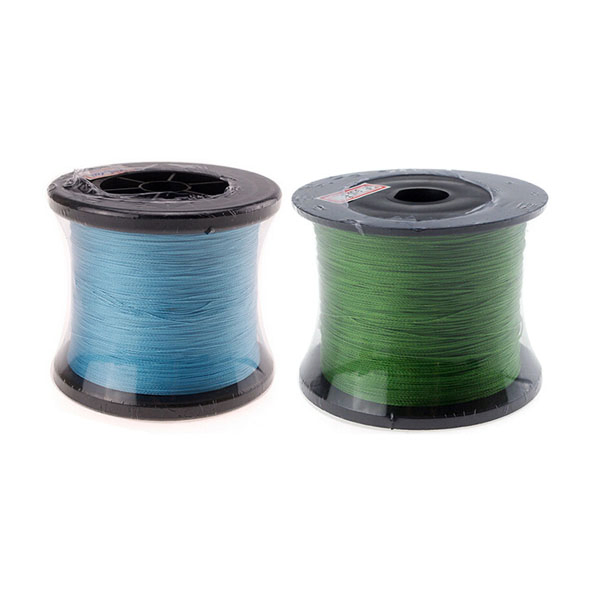
Choosing the best color fishing line can make a huge difference in your success on the water. You might think all fishing lines are the same, but the color you pick can help you catch more fish or keep your line invisible to wary bites.
Whether you’re fishing in clear lakes or murky rivers, the right color can give you an edge. Keep reading to discover which color fishing line suits your needs and how it can boost your fishing game. Your next big catch could depend on it!

Credit: thegww.com
Choosing Line Colors
Choosing the right color fishing line helps you catch more fish. The line color can blend with water or stand out.
Different conditions require different line colors. Knowing when to use each color makes fishing easier.
Factors Affecting Color Choice
Many things affect which line color works best. You should think about water, weather, and light.
Water Clarity And Color Impact
Clear water needs a line that is hard to see. Light colors or clear lines work well here.
In muddy or dark water, bright or dark lines help you see the line better. This helps with control.
- Clear water: Use clear or light blue lines
- Cloudy water: Use green or camo lines
- Muddy water: Use bright colors like orange or yellow
Weather And Light Conditions
Bright sunlight can make some line colors visible to fish. Use lines that blend with water color.
On cloudy days or low light, brighter lines help you see your line better. It also helps in deep water.
- Sunny days: Use natural colors like green or clear
- Cloudy or foggy days: Use brighter colors like yellow
- Early morning or dusk: Use visible colors for line tracking
Popular Fishing Line Colors
Choosing the right fishing line color can make a big difference in your fishing success. Different colors are used for different water conditions and fish types.
Let’s explore some popular fishing line colors and see when each type works best.
Clear And Fluorocarbon Lines
Clear and fluorocarbon lines are almost invisible underwater. These lines are ideal for clear water where fish are likely to be spooked by visible lines.
- Best for clear water
- Less visible to fish
- Great for shy fish species
Green And Camouflage Lines
Green and camouflage lines blend well with water environments like lakes and rivers. These lines are perfect for areas with lots of vegetation.
Bright And High-visibility Lines
Bright and high-visibility lines are easy to see above water. They are great for detecting bites, especially in low-light conditions.
| Color | Visibility | Usage |
| Yellow | High | Night fishing |
| Orange | Medium | Cloudy days |
| Red | Low | Shallow waters |
Matching Line Color To Fishing Environment
Choosing the right fishing line color helps you catch more fish. The color should blend with the water and surroundings.
Matching your line color to the environment reduces visibility to fish. This makes your bait look natural.
Freshwater Line Colors
Freshwater fishing often happens in clear or murky water. Line color depends on water clarity and bottom type.
Green and brown lines work well in stained or muddy water. Clear lines suit clear water and bright days.
- Clear or invisible lines for clear water
- Green lines for weedy or algae-filled water
- Brown or earth tones for muddy or stained water
Saltwater Line Colors
Saltwater fishing covers many water types from clear ocean to turbid bays. Line color should match water color.
Blue or green lines blend well in clear saltwater. Darker lines work better in deeper or murky water near shore.
- Blue lines for clear open ocean water
- Green lines for coastal or reef areas
- Dark gray or black for deep or murky water
Deep Water Vs Shallow Water
Light fades as you go deeper underwater. This changes how line colors look to fish.
Use darker lines in deep water to blend with shadows. In shallow water, lighter or clear lines work best.
- Dark colors hide better in deep, low-light areas
- Clear or light colors are less visible in shallow, bright water
- Adjust line color based on water depth and light conditions

Credit: www.ibass360.com
Line Color Effects On Fish Behavior
The color of fishing line can influence how fish react. Fish see and respond to colors differently in water.
Choosing the right line color helps reduce fish spooking and increases catch chances.
How Fish Perceive Colors
Fish see colors based on water depth and clarity. Some colors fade faster than others underwater.
Many fish have good vision in blue and green light but less in red. Light absorption changes color visibility.
Line Visibility And Fish Reaction
Bright lines can scare fish in clear water. Dark lines may blend better in deep water.
Invisible or low-visibility lines help avoid detection. Fish often avoid lines that stand out.
- Clear lines work well in clear water
- Green lines blend in with plants
- Fluorescent lines attract fish in murky water
Color Preferences By Fish Species
Different fish react to line colors in different ways. Knowing species preferences improves fishing success.
Some fish prefer natural colors, while others are curious about bright lines.
| Fish Species | Preferred Line Color | Reason |
|---|---|---|
| Trout | Green or Clear | Blends with water and plants |
| Bass | Fluorescent or Dark Green | Visible but not scary |
| Salmon | Clear or Blue | Matches water color at depth |
| Panfish | Bright Colors | Attracts attention in murky water |
Special Techniques And Color Choices
Choosing the right fishing line color can improve your catch rate. Different fishing conditions need special color choices. Some colors work better in low light, while others blend with water types.
Using special techniques with the right color line helps you stay hidden from fish. It also helps you see the line better in certain situations. Below are key color choices for night, fly, and ice fishing.
Night Fishing Line Colors
At night, visibility is low. Choose bright or glowing lines to track your cast and bites. Fluorescent or glow-in-the-dark lines work well. Dark colors hide the line from fish but are hard to see for anglers.
- Fluorescent yellow or green lines help you see your line easily.
- Glow-in-the-dark lines offer visibility without spooking fish.
- Clear or low-visibility lines reduce fish detection but need good lighting.
Fly Fishing Line Colors
Fly fishing lines come in many colors. Bright colors help control line position and casting accuracy. Some anglers use color changes along the line to measure casting distance.
| Line Color | Use |
| Bright Yellow | Easy to see in sunlight |
| Olive Green | Blends with water for stealth |
| White | Good for cloudy days |
| Orange | High visibility for fast water |
Ice Fishing Line Colors
Ice fishing requires lines that can handle cold and clear water. Many anglers prefer low-visibility or camo colors. Bright colors help track the line through the ice hole.
Popular ice fishing line colors:
- Clear or icy blue blends with frozen water.
- Fluorescent orange or chartreuse for visibility in snow.
- Green or brown for natural cover near underwater plants.
Maintaining And Testing Line Colors
Choosing the right fishing line color is important for catching fish. Over time, the color of your line can change. This can affect how well the line works.
It is important to keep an eye on your fishing line color. Testing the line helps you know if it is still good to use. This guide explains how to maintain and test fishing line colors.
Line Fading And Wear
Fishing lines can fade when exposed to sunlight and water. Wear and tear also change the color and strength. Faded lines may be weaker and easier for fish to see.
Check your line often for signs of fading or damage. Look for clear spots, rough areas, or color changes. These signs mean the line needs care or replacement.
- Sunlight causes fading
- Saltwater speeds wear
- Friction can damage color and strength
- Regular checks prevent fishing problems
Testing Line Visibility
Test your fishing line visibility by placing it in different water types. Clear water needs a less visible line color. Murky water may need brighter colors.
Try casting your line in water and watch how it looks. If fish can see the line too easily, change to a better color. Testing helps you pick the best option for your fishing spot.
- Use clear water to see how visible the line is
- Check line against different backgrounds
- Try different colors for better results
- Test in real fishing conditions
Replacing Old Lines
Old fishing lines lose color and strength. Replace your line regularly to keep good performance. Old lines can break or scare fish away.
Change your line if you see fading, cracks, or knots that do not untie. Replacing line keeps your fishing gear ready and helps you catch more fish.
- Replace line every few months or after heavy use
- Check for cracks and weak spots
- Choose colors that fit your fishing environment
- Store line away from sunlight to slow fading
Tips For Choosing The Right Line Color
Picking the best fishing line color can help you catch more fish. The right color depends on water clarity, light, and fish type.
Using the correct color makes your line less visible or easier to see. This helps you fish better and avoid scaring fish away.
Personal Experience And Experimentation
Trying different line colors in various fishing spots helps you learn what works best. Your own experience is key to choosing right.
Keep notes on which colors catch more fish in different conditions. This practice improves your fishing over time.
Combining Line Colors
You can use more than one color on your fishing line. This helps balance seeing the line and hiding it from fish.
- Use a bright color near the rod tip for easy visibility
- Use a clear or green color near the hook for less fish detection
- Switch colors based on water depth and clarity
Balancing Visibility And Stealth
Bright lines help you see your line in low light. Clear or green lines blend into water better, hiding from fish.
Choose a line color that fits your fishing spot. Clear lines work well in clear water. Bright lines help in dark or murky water.

Credit: reactiontackle.com
Frequently Asked Questions
What Color Fishing Line Is Best For Clear Water?
In clear water, transparent or light green fishing lines work best. They blend naturally with the environment, making them less visible to fish and increasing your chances of a catch.
Which Fishing Line Color Is Ideal For Murky Water?
Bright colors like chartreuse or orange are ideal for murky water. They improve visibility for anglers, helping you track your line and detect bites more easily.
Does Fishing Line Color Affect Fish Bites?
Yes, fishing line color can affect bites. Choosing the right color reduces line visibility to fish, making them less cautious and more likely to bite your bait.
How To Choose Fishing Line Color By Water Depth?
For deep water, darker lines like blue or green work well. They blend with the water’s natural hue, reducing visibility and improving fishing success.
Conclusion
Choosing the best color fishing line depends on water and light conditions. Clear lines work well in clear water. Green or camo lines blend in with plants and algae. Bright colors help track your line in deep or murky water.
Remember, the right line color improves your chances to catch fish. Try different colors to see what works best for you. Keep it simple and match the line color to your fishing spot. This small choice can make a big difference on your next fishing trip.