Choosing the right cooking pan can change the way you prepare meals every day. You want a pan that heats evenly, lasts long, and makes cooking easier—not harder.
But with so many materials out there, how do you know which one is best for your kitchen? This article will help you discover the perfect cooking pan material for your needs. By the end, you’ll feel confident picking the pan that fits your style and helps you create delicious dishes effortlessly.
Keep reading to find out what makes a cooking pan truly great for you.
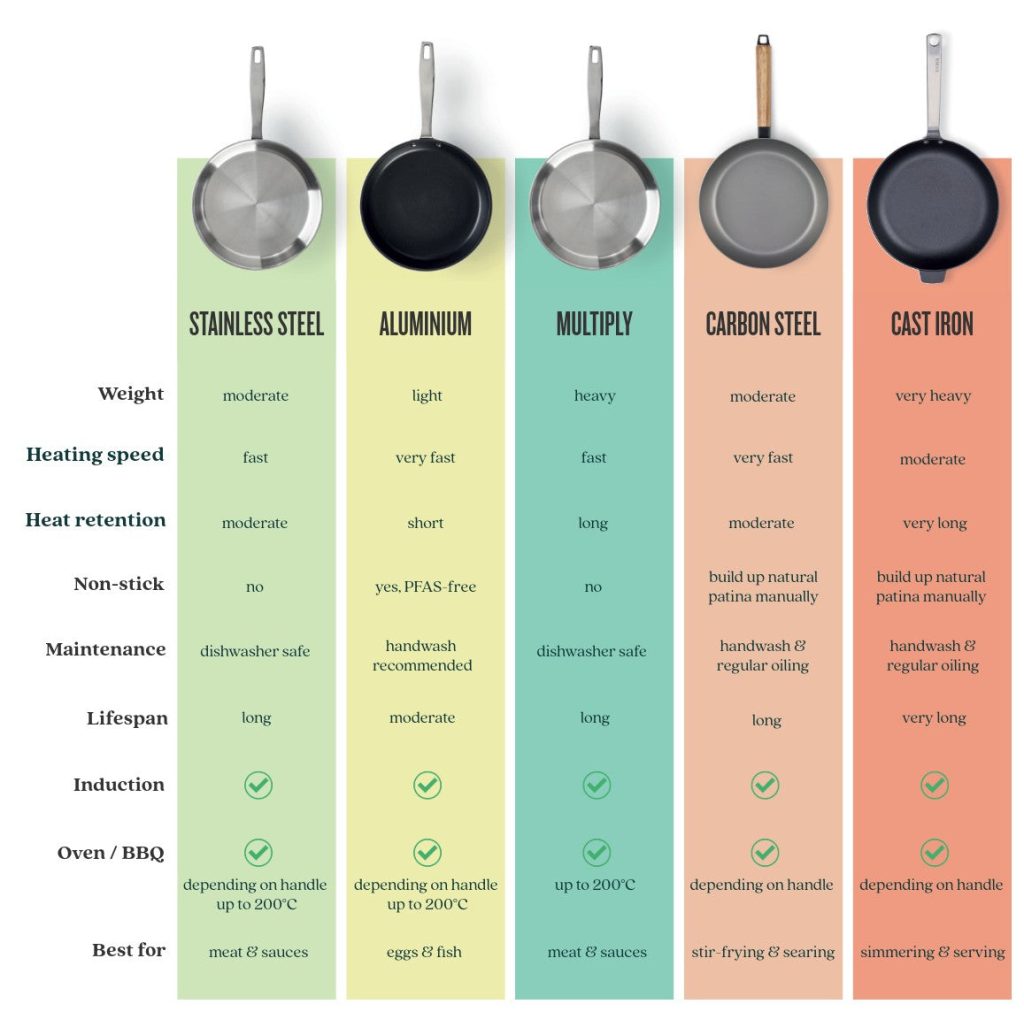
Common Cooking Pan Materials
Choosing the right pan material affects how your food cooks. Different materials heat differently and need care.
Understanding common cooking pan materials helps you pick the best one for your kitchen.
Stainless Steel
Stainless steel pans are durable and resist rust. They do not react with food, so flavors stay pure.
They heat evenly if they have an aluminum or copper core. These pans need oil or butter to prevent sticking.
Cast Iron
Cast iron pans hold heat very well. They are great for frying and slow cooking.
- Needs seasoning to keep food from sticking
- Can last for generations if cared for
- Heavy but very sturdy
- Can add iron to your food
Nonstick
Nonstick pans have a coating that stops food from sticking. They are easy to clean and use less oil.
These pans are best for cooking eggs or pancakes. Avoid high heat to protect the coating.
Copper
Copper pans heat very fast and evenly. They allow precise temperature control.
| Benefit | Drawback |
| Excellent heat conduction | Expensive |
| Responsive to temperature changes | Requires polishing to keep shine |
| Looks attractive | Reacts with acidic foods |
Aluminum
Aluminum pans heat quickly and are lightweight. They are affordable and easy to handle.
Uncoated aluminum can react with acidic foods. Anodized aluminum is more durable and safe.
Credit: www.beka-cookware.com
Key Features To Consider
Choosing the right cooking pan material affects your cooking results and ease of use.
Different materials offer unique benefits and drawbacks. Knowing what to look for helps make the best choice.
Heat Conductivity
Heat conductivity shows how fast and evenly a pan heats up. Good conductivity cooks food evenly and saves energy.
Materials like copper and aluminum have high heat conductivity. Stainless steel has lower conductivity but heats steadily.
Durability
A durable pan lasts longer and withstands daily use. Some materials resist scratches, dents, and warping better than others.
| Material | Durability Level | Notes |
| Cast Iron | High | Heavy but very strong |
| Stainless Steel | High | Resists rust and scratches |
| Aluminum | Medium | Can dent easily |
| Copper | Medium | Soft and needs polishing |
Maintenance
Some pans require more care to keep them in good condition. Consider how much time and effort you want to spend cleaning and caring for your pan.
- Non-stick pans need gentle cleaning
- Cast iron requires seasoning to prevent rust
- Stainless steel is dishwasher safe and easy to clean
- Copper needs polishing to stay shiny
Reactivity With Food
Some materials react with acidic or alkaline foods. This reaction can change the food’s taste or color and damage the pan.
Non-reactive materials like stainless steel and glass do not affect food flavor. Reactive materials like aluminum and copper may need a protective coating.
Weight And Handling
The pan’s weight affects how easy it is to lift and move. Heavy pans offer good heat retention but can be hard to handle.
- Cast iron pans are heavy and sturdy
- Aluminum pans are lightweight and easy to handle
- Stainless steel pans have moderate weight
- Consider handle design for better grip and comfort
Benefits And Drawbacks Of Each Material
Choosing the right cooking pan material affects how your food cooks. Each type has good points and bad points. Knowing them helps you pick the best pan for your kitchen.
This guide explains the pros and cons of popular pan materials. Learn about stainless steel, cast iron, nonstick, copper, and aluminum pans.
Pros And Cons Of Stainless Steel
Stainless steel pans are strong and last a long time. They do not react with food and look shiny. Many chefs like them for searing meat.
These pans can be hard to clean if food sticks. They may heat unevenly unless they have an aluminum or copper base.
- Pros:Durable, non-reactive, good for searing
- Cons:Food can stick, uneven heating without layered base
Pros And Cons Of Cast Iron
Cast iron pans hold heat very well. They cook food evenly and add iron to your diet. They can last for many years with care.
These pans are heavy and take time to heat up. They need seasoning to keep food from sticking. Rust can form if not dried properly.
- Pros:Excellent heat retention, adds iron, very durable
- Cons:Heavy, slow heating, needs seasoning and care
Pros And Cons Of Nonstick
Nonstick pans are easy to clean and need less oil. They are great for cooking eggs and pancakes. Food slides off smoothly.
These pans can scratch easily and wear out faster. They are not good for high heat cooking. Some coatings may release harmful fumes if overheated.
- Pros:Easy to clean, low oil needed, good for delicate foods
- Cons:Scratches easily, not for high heat, shorter lifespan
Pros And Cons Of Copper
Copper pans heat up very fast and cool down quickly. They offer excellent temperature control for cooking. They look attractive in any kitchen.
Copper reacts with some foods and can be toxic. Most copper pans have a lining, which can wear out. They require regular polishing to stay shiny.
- Pros:Fast heating, precise temperature control, beautiful look
- Cons:Reacts with food, needs lining, requires polishing
Pros And Cons Of Aluminum
Aluminum pans heat quickly and are lightweight. They are less expensive than other metals. Many have a nonstick or anodized coating for durability.
Raw aluminum can react with acidic foods and change taste. It can scratch and dent easily. Anodized aluminum is more durable but costs more.
- Pros:Lightweight, fast heating, affordable
- Cons:Can react with food, scratches easily, dents possible
Credit: www.carawayhome.com
Matching Pans To Cooking Styles
Choosing the right pan material helps improve cooking results. Different materials work better for certain cooking styles.
Understanding which pan suits your cooking can make meals taste better and cook evenly.
Searing And Browning
Searing needs a pan that heats quickly and holds heat well. Cast iron and stainless steel are great choices.
These pans create a nice brown crust on meat and vegetables for better flavor.
- Cast iron holds heat evenly and lasts long.
- Stainless steel heats fast and resists sticking.
- Both handle high heat needed for searing.
Slow Cooking And Braising
Slow cooking needs pans that keep heat steady over time. Heavy materials like cast iron work well.
Enamel-coated cast iron pans are good for braising because they hold moisture and heat evenly.
- Cast iron distributes heat slowly and evenly.
- Enamel coating prevents rust and adds easy cleaning.
- Good for tough meats and long cooking times.
Delicate Cooking
For delicate foods like eggs and fish, non-stick pans are best. They cook gently and prevent sticking.
Aluminum pans with a non-stick surface heat evenly and are easy to clean.
- Non-stick pans require less oil for cooking.
- They keep delicate foods intact and easy to flip.
- Lightweight and quick to heat.
High-heat Cooking
High-heat cooking needs pans that resist warping. Stainless steel and carbon steel are good choices.
These pans can handle stir-frying and grilling without damage.
- Stainless steel resists heat and scratches.
- Carbon steel heats quickly and tolerates very high heat.
- Both develop natural non-stick surfaces with use.
Everyday Versatility
For most cooking tasks, stainless steel pans are very versatile. They work with many foods and heat settings.
These pans are durable, easy to clean, and safe for many cooking methods.
- Good for frying, sautéing, and boiling.
- Non-reactive, so they won’t change food flavor.
- Compatible with all types of cooktops.
Care And Maintenance Tips
Choosing the right cooking pan material is just the start. Proper care helps your pans last longer and perform better.
Cleaning, seasoning, avoiding damage, and storing pans correctly keeps them in good shape.
Cleaning Methods
Use the right cleaning method for your pan material. Avoid harsh scrubbing on non-stick surfaces.
- Use warm, soapy water and a soft sponge
- For stuck food, soak the pan before washing
- Steel wool works for cast iron but avoid it on non-stick pans
- Dry pans immediately after washing to prevent rust
Seasoning Requirements
Some pans need seasoning to keep a smooth, non-stick surface and prevent rust.
| Pan Type | Seasoning Needed | Frequency |
| Cast Iron | Yes | After every few uses |
| Carbon Steel | Yes | Regularly |
| Stainless Steel | No | Not required |
| Non-stick | No | Not required |
Avoiding Damage
Handle pans carefully to keep them working well. Avoid scratches and warping by following these tips.
- Use wooden or silicone utensils on non-stick pans
- Do not overheat empty pans to prevent warping
- Avoid dropping or banging pans
- Do not use metal scrubbers on coated surfaces
Storage Suggestions
Store pans properly to protect their surface and shape. Keep pans dry and separated.
Storage tips:
- Use pan protectors or paper towels between stacked pans
- Hang pans by their handles if possible
- Store in a dry place to avoid rust
- Keep lids and pans separate to prevent scratching
Budget And Longevity Considerations
Choosing the right cooking pan material depends on your budget and how long you want the pan to last. Different materials cost different amounts and have different lifespans.
Thinking about both price and durability helps you make a smart choice. This guide explains these ideas clearly.
Initial Cost Vs. Lifespan
Some pans cost less when you buy them but may not last long. Others cost more but can be used for years.
For example, aluminum pans are usually cheaper but can wear out faster. Stainless steel pans cost more but last longer.
- Low-cost pans may need replacing sooner
- High-cost pans often have longer lifespans
- Consider how often you cook when choosing
Investing In Quality
Buying a good quality pan can save money over time. A strong pan does not bend or scratch easily.
Quality pans also cook food more evenly. This means better results and less chance of burning food.
- Look for pans with thick bases
- Choose materials that resist rust and damage
- Check customer reviews for durability
When To Replace Pans
Even the best pans wear out over time. Signs of wear include peeling, warping, or deep scratches.
Replace pans if they affect cooking or safety. A damaged pan can cause uneven cooking or release harmful chemicals.
- Replace if non-stick coating peels off
- Change warped pans that do not sit flat
- Discard pans with cracks or holes

Credit: nypost.com
Frequently Asked Questions
What Is The Safest Cooking Pan Material?
Stainless steel is considered one of the safest cooking materials. It’s non-reactive and doesn’t leach chemicals into food. This makes it ideal for a variety of cooking tasks. Additionally, it’s durable and easy to maintain, ensuring long-term use in your kitchen.
Is Cast Iron Good For Cooking?
Yes, cast iron is excellent for cooking. It retains heat well and provides even cooking. Cast iron pans are versatile and can be used on stovetops or in ovens. However, they require regular seasoning to maintain their non-stick surface and prevent rusting.
Why Choose Aluminum Pans?
Aluminum pans are lightweight and offer excellent heat conductivity. They’re affordable and ideal for quick, even cooking. However, they’re often coated with a non-stick layer to prevent food reactions. Anodized aluminum is a safer option as it is more durable and non-reactive.
How Durable Are Copper Cooking Pans?
Copper pans are highly durable and provide superior heat control. They heat quickly and cool down fast, offering precise cooking. However, they require regular maintenance and are often lined with stainless steel to prevent reactions with food. Copper pans are a great investment for serious cooks.
Conclusion
Choosing the right pan material makes cooking easier and more fun. Each material has its own benefits and limits. Think about what you cook most often and how you like to cook. Some pans heat fast, others last long or clean up quickly.
Your choice depends on your kitchen style and budget. Remember, a good pan helps you cook better meals every day. Take your time to pick one that fits your needs best. Cooking with the right pan feels just right.