Choosing the right cookware can change the way you cook—and enjoy—your meals. But with so many materials out there, how do you know which one is best for you?
Whether you want something that heats quickly, lasts for years, or is easy to clean, the cookware you pick makes a big difference. You’ll discover the pros and cons of the most popular cookware materials. By the end, you’ll feel confident about selecting the perfect set that fits your kitchen and your lifestyle.
Let’s dive in and find the best cookware material for you.

Credit: nypost.com
Popular Cookware Materials
Choosing the right cookware material affects how your food cooks. Different materials have unique features. Some heat evenly, others are easy to clean.
Knowing popular cookware materials helps you pick the best pots and pans. This guide explains six common types.
Stainless Steel
Stainless steel cookware is strong and resists rust. It does not react with acidic foods. It is good for searing and browning.
It heats unevenly unless it has an aluminum or copper core. It is dishwasher safe and easy to maintain.
Cast Iron
Cast iron holds heat very well. It cooks food evenly and is great for frying or baking. It can last for generations.
It needs regular seasoning to keep its surface nonstick. Cast iron is heavy and can rust if not cared for.
Nonstick
Nonstick pans make cooking and cleaning easier. Food does not stick, so you use less oil. They are good for eggs and pancakes.
Nonstick coatings can scratch or wear off over time. They work best on low to medium heat.
Copper
Copper heats up quickly and cools down fast. This gives you great control over cooking temperature. Copper pans look very attractive.
Copper can react with some foods and needs polishing to keep its shine. It is often lined with stainless steel.
Aluminum
Aluminum is lightweight and heats up quickly. It is often coated or anodized to prevent reactions with food. It is affordable cookware.
Uncoated aluminum can cause food to taste metallic. It may warp over high heat but works well for everyday cooking.
Ceramic
Ceramic cookware has a smooth, nonstick surface made from natural materials. It is free from harmful chemicals and easy to clean.
Ceramic heats evenly but can chip or crack if dropped. It works well for low to medium heat cooking.

Credit: lothandco.co.uk
Heat Conductivity And Distribution
Choosing the right cookware material depends on how it handles heat. Heat conductivity and distribution affect cooking results.
Good cookware heats food evenly and quickly. This prevents burning and undercooking.
Fast Vs Slow Heating
Some materials heat up very fast, saving time in the kitchen. Others heat slowly but offer better control.
Aluminum and copper heat quickly. Cast iron and stainless steel heat slower but keep heat longer.
- Fast heating: Aluminum, Copper
- Slow heating: Cast Iron, Stainless Steel
Evenness Of Heat
Even heat means no hot spots on the cookware surface. This helps food cook evenly without burning.
Copper is one of the best for even heat. Aluminum also spreads heat well. Stainless steel alone can have hot spots.
- Best even heat: Copper
- Good even heat: Aluminum
- Less even heat: Stainless Steel
Heat Retention
Heat retention means how long cookware holds heat after removing from the stove. Good retention keeps food warm.
Cast iron retains heat very well. Stainless steel also holds heat but not as long. Aluminum and copper lose heat fast.
- Best heat retention: Cast Iron
- Moderate retention: Stainless Steel
- Low retention: Aluminum, Copper
Durability And Maintenance
Choosing the best cookware material depends on how long it lasts and how easy it is to care for. Durable cookware saves money because it stays good for years.
Maintenance means cleaning and keeping the cookware in top shape. Some materials need more care than others to avoid damage.
Scratch And Warp Resistance
Durable cookware resists scratches and keeps its shape under heat. Some materials handle rough use better than others.
Stainless steel and cast iron are strong against scratches. Aluminum can scratch easily but does not warp much. Non-stick coatings may scratch if not used carefully.
- Stainless steel: high scratch and warp resistance
- Cast iron: resists warping, but may chip if dropped
- Aluminum: prone to scratches, low warp risk
- Non-stick: vulnerable to scratches, avoid metal tools
Cleaning Tips
Cleaning cookware properly keeps it safe and working well. Some materials need gentle cleaning, others can handle scrubbing.
Use mild soap and soft sponges for non-stick pans. Stainless steel can handle tougher scrubs. Avoid soaking cast iron to prevent rust.
- Non-stick: wash with soft cloth, avoid harsh scrubbers
- Stainless steel: use scrubbers for stuck food
- Cast iron: clean with brush, dry immediately
- Aluminum: gentle cleaning to avoid dulling
Seasoning Needs
Some cookware needs seasoning to create a natural non-stick surface. This helps protect the material and improves cooking.
Cast iron and carbon steel must be seasoned regularly. Stainless steel and aluminum do not need seasoning but may benefit from proper care.
- Cast iron: season with oil after cleaning
- Carbon steel: similar seasoning to cast iron
- Stainless steel: no seasoning needed
- Aluminum: no seasoning, avoid acidic foods
Health And Safety Factors
Choosing the right cookware affects your health. Some materials release harmful substances. Others react with food or change at high heat.
Understanding these factors helps you cook safely. This guide covers non-toxic materials, food reactivity, and safe cooking temperatures.
Non-toxic Materials
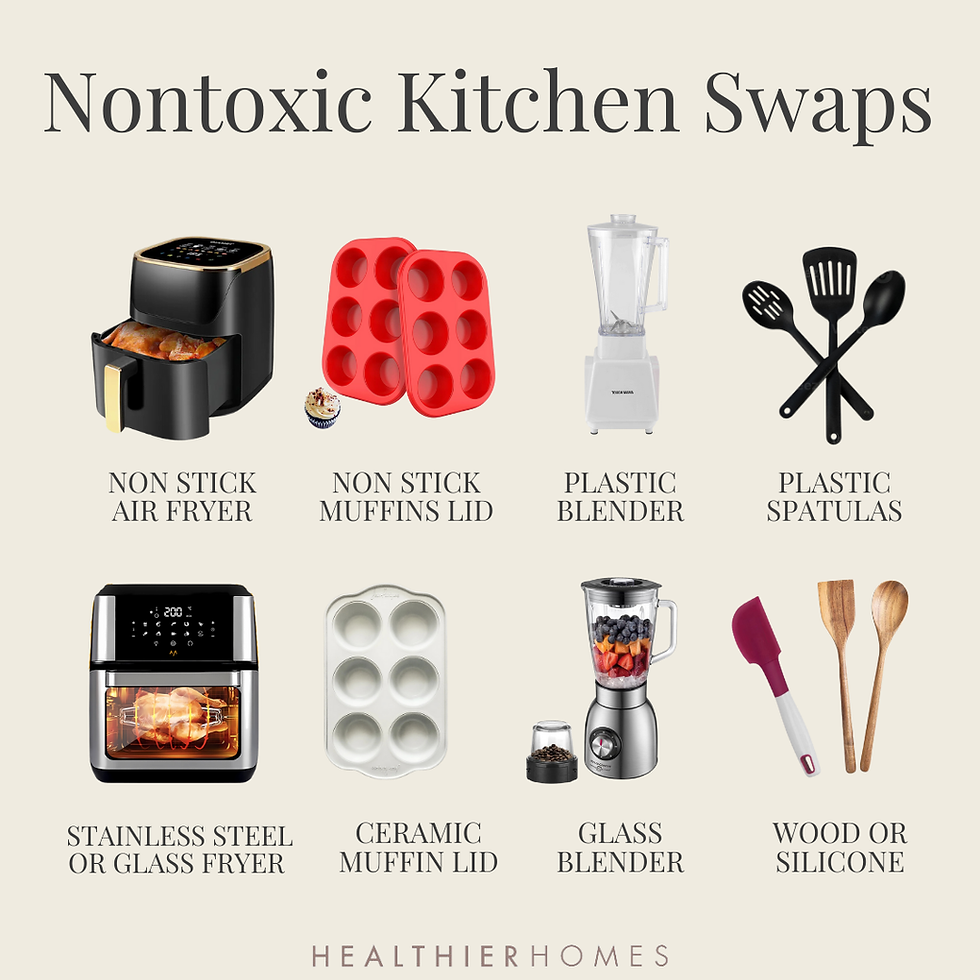
Cookware made from non-toxic materials keeps your food safe. These materials do not release chemicals when heated. Common non-toxic options include stainless steel, cast iron, and ceramic.
- Stainless steel: Durable and does not leach chemicals.
- Cast iron: Adds iron to food and is safe if seasoned well.
- Ceramic: A natural, non-reactive coating that is free of harmful chemicals.
- Glass: Non-toxic and does not react with food.
Reactivity With Food
Some cookware materials react with acidic or alkaline foods. This reaction can change the taste or color of food and may release metals.
| Cookware Material | Reacts with Food | Health Concern |
| Aluminum | Yes, with acidic foods | May leach aluminum |
| Copper | Yes, with acidic foods | Can release copper ions |
| Stainless Steel | No | Safe and stable |
| Cast Iron | Minimal | May add iron to food |
| Ceramic | No | Non-reactive |
Safe Cooking Temperatures
Each cookware material has a safe temperature limit. Cooking above this limit can release toxic fumes or damage the cookware.
- Do not overheat non-stick pans; stay below 500°F (260°C).
- Cast iron can withstand high heat safely.
- Stainless steel handles high temperatures well.
- Ceramic can crack if exposed to sudden temperature changes.
- Avoid heating empty cookware to prevent damage.
Cooking Performance
Choosing the best cookware material affects how well your food cooks. Different materials heat in different ways. This can change the taste and texture of your meals.
Understanding key cooking features helps you pick the right cookware. Look at how it sears, browns, handles oven heat, and fits many recipes.
Searing And Browning
Good cookware should heat evenly to sear and brown food well. This creates rich flavors and a crispy surface. Some materials hold heat better than others.
- Cast iron holds heat and creates a strong sear.
- Stainless steel heats evenly and browns food without sticking.
- Non-stick pans prevent food from burning but may not brown as well.
- Aluminum heats quickly but can have hot spots.
Oven Compatibility
Cookware that works in the oven adds cooking options. Not all materials can handle high oven temperatures safely. Check the temperature limits before use.
| Material | Oven Safe Temperature | Notes |
|---|---|---|
| Cast Iron | Up to 500°F (260°C) | Excellent for oven use |
| Stainless Steel | Up to 500°F (260°C) | Handles high heat well |
| Non-stick | Up to 350°F (175°C) | Coating may degrade at higher temps |
| Aluminum | Up to 400°F (205°C) | Check handle material |
Versatility Across Dishes
The best cookware adapts to many dishes. It should cook soups, roasts, stir-fries, and more. Some materials are better for specific tasks.
- Cast Iron:Great for frying, baking, and slow cooking.
- Stainless Steel:Ideal for boiling, sautéing, and deglazing.
- Non-stick:Perfect for eggs and delicate foods.
- Aluminum:Best for quick heating and lightweight pans.
Cost And Value
Choosing the right cookware depends on cost and value. Different materials come with different prices and benefits.
Understanding initial cost and long-term advantages helps you pick the best option for your kitchen.
Initial Investment
Cookware materials vary widely in price. Some cost more upfront but last longer.
| Material | Price Range | Durability |
| Cast Iron | $$ | Very High |
| Stainless Steel | $$$ | High |
| Aluminum | $ | Moderate |
| Ceramic | $$ | Moderate |
| Non-stick | $$ | Low to Moderate |
Long-term Benefits
Good cookware saves money over time. Durable materials reduce replacement costs.
- Long-lasting materials resist wear and tear.
- Better heat retention improves cooking results.
- Easy cleaning saves time and effort.
- Safe materials avoid health risks.
Budget-friendly Options
Some materials offer good value without high cost. Look for options that balance price and quality.
- Aluminum cookware is affordable and heats quickly.
- Cast iron is inexpensive and very durable.
- Basic non-stick pans cost less but wear out faster.
- Stainless steel can be found at reasonable prices if you choose thinner gauge.
Choosing Cookware For Your Needs
Choosing the right cookware depends on what and how you cook. Different materials suit different cooking methods and styles.
Think about your kitchen space and how often you use cookware before deciding. This helps pick the best material for your needs.
Cooking Style Considerations
Your cooking style affects which cookware material works best. Some materials heat quickly, others hold heat longer.
- Non-stick pans are good for low-oil cooking and easy cleaning.
- Cast iron works well for slow cooking and high heat.
- Stainless steel is great for searing and browning food.
- Copper offers quick, even heating but needs more care.
Kitchen Setup And Space
Kitchen size and storage space limit the cookware you can keep. Heavy or large pots may not fit small kitchens well.
| Cookware Material | Weight | Storage Needs |
| Cast Iron | Heavy | More space needed |
| Aluminum | Light | Compact storage |
| Stainless Steel | Medium | Moderate space |
| Ceramic | Light to Medium | Fragile, careful storage |
Frequency Of Use
How often you cook affects the durability you need. Frequent cooking demands tough, long-lasting materials.
Materials fit for frequent use:
- Stainless steel: durable and resistant to scratches.
- Cast iron: lasts for years with proper care.
- Hard-anodized aluminum: strong and non-stick surface.
Tips For Maintaining Cookware Longevity
Choosing the right cookware material is important. Keeping it in good shape helps it last longer.
Proper care keeps your pots and pans working well. Use simple steps to protect your cookware.
Proper Storage
Store cookware carefully to avoid scratches and damage. Use space wisely to keep your kitchen neat.
Stack pots and pans with protection between them. Use cloth or paper towels to prevent rubbing.
- Hang pans by their handles if possible
- Use shelf liners for delicate surfaces
- Keep lids stored separately or upside down
Avoiding Common Mistakes
Cookware can wear out faster with wrong use. Avoid high heat on non-stick pans to protect coating.
Never use metal tools on non-stick surfaces. Clean pots and pans gently to keep them smooth.
- Do not overheat empty pans
- Use soft sponges or cloths for cleaning
- Avoid harsh chemicals or steel wool
- Follow manufacturer care instructions
When To Replace Cookware
Cookware needs replacing if it is damaged or worn out. Old pans can cause uneven cooking or safety risks.
Look for cracks, warped bottoms, or peeling coatings. These signs show it is time for new cookware.
- Rust or corrosion on metal cookware
- Scratched or flaking non-stick surfaces
- Warped pans that do not sit flat
- Handles that are loose or broken

Credit: www.beka-cookware.com
Frequently Asked Questions
What Cookware Material Is Healthiest?
Stainless steel and cast iron are considered healthy cookware materials. They don’t leach harmful chemicals into food. Stainless steel is durable and resistant to rust. Cast iron provides natural non-stick properties and can add iron to your diet. Both are excellent choices for health-conscious cooking.
Is Non-stick Cookware Safe To Use?
Non-stick cookware is generally safe if used correctly. Avoid overheating and scratching the surface to prevent chemical release. Use non-metal utensils and cook on low to medium heat. Ensure your non-stick cookware is PFOA-free for added safety. Regularly check for wear and replace if damaged.
Why Choose Stainless Steel Cookware?
Stainless steel cookware is durable, non-reactive, and rust-resistant. It doesn’t leach harmful chemicals into food. It’s versatile and suitable for various cooking methods. Easy to clean and maintain, stainless steel is a favorite among professional chefs. Its long-lasting nature makes it a valuable investment.
Can Cast Iron Cookware Be Used On All Stovetops?
Yes, cast iron cookware can be used on all stovetops, including induction. It offers excellent heat retention and distribution. Before using on glass stovetops, ensure the cookware is flat to avoid damage. Cast iron is versatile and can transition from stovetop to oven seamlessly, enhancing cooking flexibility.
Conclusion
Choosing the best cookware material depends on your cooking style. Each type has its own strengths and weaknesses. Consider heat control, durability, and ease of cleaning. Think about your budget and what dishes you cook most. Cast iron holds heat well but needs care.
Stainless steel is durable and easy to maintain. Non-stick pans are great for low-fat cooking. Copper offers excellent heat control but costs more. Pick what suits your needs and enjoy cooking more. The right cookware makes a big difference in your kitchen.