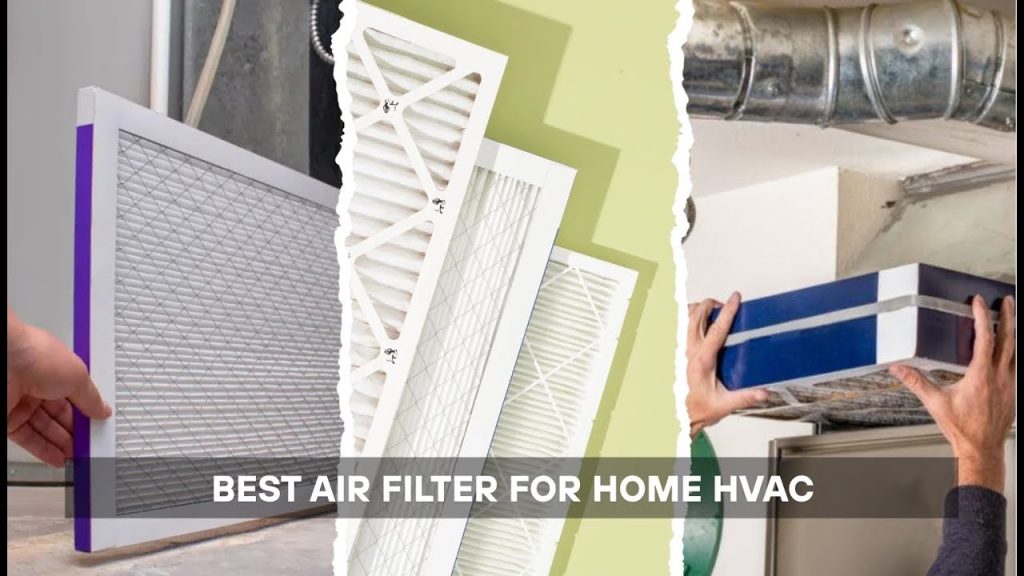
Are you tired of dusty air and sneezing every time your air conditioner runs? The secret to cleaner, fresher air lies in choosing the right filter for your AC.
But with so many options out there, how do you know which one is truly the best for your home and health? You’ll discover exactly what makes an air conditioner filter stand out and how the right choice can improve your comfort, save energy, and protect your family.
Keep reading, because finding the perfect filter might be easier than you think—and your lungs will thank you.
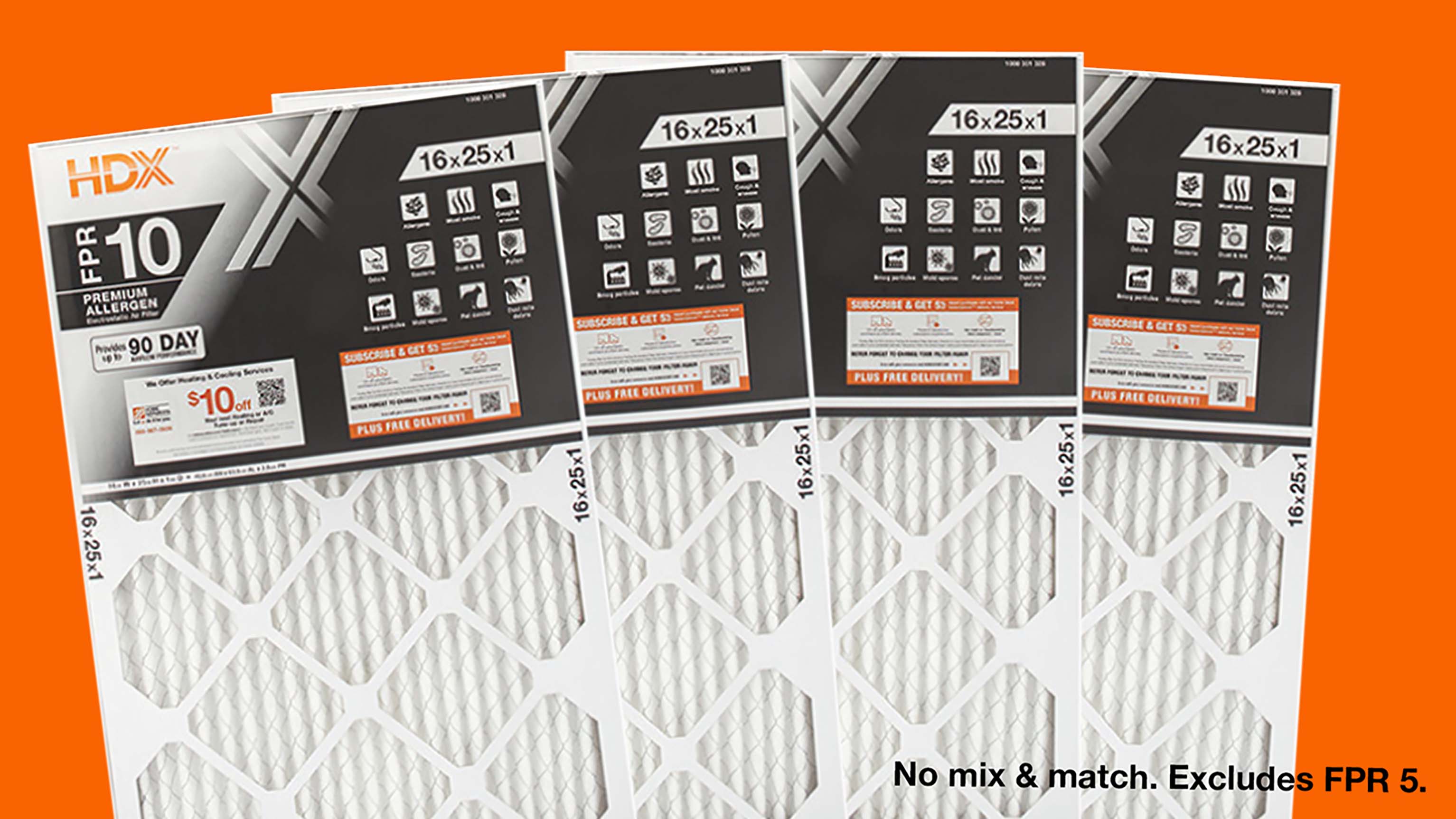)
Credit: www.homedepot.com
Air Conditioner Filter Basics
Air conditioner filters keep the air clean inside your home. They stop dust, dirt, and other particles from spreading.
Choosing the right filter helps your air conditioner work better and improves air quality.
Purpose Of Air Filters
Air filters catch dust, pollen, and dirt before air enters your home. This helps protect your health and the air conditioner.
Filters also stop dust from building up inside the unit. This keeps the system running smoothly and saves energy.
- Remove dust and dirt from the air
- Protect your air conditioner parts
- Improve indoor air quality
- Help reduce allergies and asthma
Types Of Air Filters
There are different types of air filters for air conditioners. Each type works in a unique way to clean the air.
Choosing the right filter depends on your needs and your air conditioner model.
- Fiberglass Filters:Cheap and disposable. They catch large dust particles.
- Pleated Filters:Made of folded material. They trap smaller particles better.
- Electrostatic Filters:Use static electricity to attract dust and pollen.
- HEPA Filters:High-efficiency filters that remove very small particles. Often used in special systems.
- Washable Filters:Can be cleaned and reused. Save money but need regular cleaning.
Factors To Consider When Choosing A Filter
Choosing the right filter for your air conditioner helps keep the air clean. A good filter improves air quality and protects the AC unit. You should know what to look for before buying a filter.
This guide covers three important factors: efficiency ratings, filter material, and size compatibility. Each factor affects how well the filter works in your system.
Efficiency Ratings
Efficiency ratings show how well a filter catches particles. Higher ratings mean better air cleaning but may reduce airflow. Choose a rating that balances cleanliness and system performance.
- MERV rating: Measures particle removal from 1 to 16.
- HEPA filters: Capture 99.97% of small particles.
- Electrostatic filters: Use static charge to trap dust.
- Consider allergy needs when selecting efficiency.
Filter Material
Filter material affects durability and cleaning ability. Some materials work better for certain conditions. Choose a material that fits your home environment and maintenance preferences.
| Material | Benefits | Considerations |
| Fiberglass | Low cost, disposable | Less efficient, short lifespan |
| Pleated | Better filtration, reusable options | Needs regular cleaning or replacement |
| Electrostatic | Traps small particles well | May need frequent washing |
| HEPA | High efficiency | More expensive, may restrict airflow |
Size And Compatibility
Filters come in many sizes. Using the right size ensures proper fit and function. Check your AC manual or current filter for size details.
Filters that do not fit well can let dirt pass or cause damage. Always match filter size and type with your system’s requirements.
- Measure filter dimensions: length, width, and thickness.
- Check manufacturer recommendations.
- Consider filter frame type for proper installation.
- Replace filters regularly to maintain performance.
Popular Filter Types
Air conditioners use different filters to clean the air. Choosing the right filter helps keep air fresh and machines working well.
Here are some common filter types for air conditioners. Each type has its own way to trap dust and dirt.
Fiberglass Filters
Fiberglass filters are made from spun glass fibers. They catch large dust and dirt particles from the air.
These filters are cheap and easy to replace. They do not clean small particles well, so they need frequent changing.
Pleated Filters
Pleated filters have folds that increase the surface area. They trap more dust and small particles than fiberglass filters.
These filters last longer and improve air quality. They cost more but clean air better and protect the air conditioner.
Hepa Filters
HEPA filters remove tiny particles from the air. They capture allergens, pollen, and dust mites very well.
These filters are best for people with allergies or asthma. They are thicker and can reduce airflow if not matched properly.
Electrostatic Filters
Electrostatic filters use static electricity to attract dust and smoke particles. They can be washable and reusable.
These filters clean air efficiently and save money over time. They need regular cleaning to work well and last longer.
Benefits Of High-quality Filters
High-quality filters improve the performance of air conditioners. They help keep the air clean and protect the system.
Using the right filter makes a big difference in air quality and energy use. It also helps your system last longer.
Improved Air Quality
Good filters capture dust, pollen, and other particles. This keeps the air inside your home cleaner and healthier to breathe.
High-quality filters reduce allergens and irritants. This helps people with allergies or asthma feel better.
Energy Efficiency
Clean filters let air flow easily through the system. This reduces the energy needed to cool your home.
Energy-efficient filters lower your electricity bills. They help your air conditioner run smoothly without extra strain.
Longevity Of Hvac System
High-quality filters protect the system parts from dirt and damage. This lowers the chance of breakdowns.
Using good filters helps your HVAC system last longer. It reduces the need for costly repairs or replacements.
Common Myths About Air Filters
Many people have wrong ideas about air filters for air conditioners. These myths can cause confusion when choosing the right filter.
Understanding the facts helps you pick a filter that works well and keeps your air clean.
Higher Merv Ratings Always Better
MERV ratings show how well filters catch particles. A higher number means better filtration, but it is not always the best choice.
Filters with very high MERV ratings can block airflow. This makes your air conditioner work harder and uses more energy.
- High MERV filters trap smaller particles
- Too high MERV can reduce airflow
- Check your AC system’s filter rating before buying
Allergy Relief Claims
Some filters say they help with allergies. They can remove dust and pollen, but they do not cure allergies.
Filters help by lowering particles in the air, but allergy relief also needs other steps. Clean your home and see a doctor if allergies are bad.
Reusability Of Filters
Some filters are reusable, but not all. Reusable filters need cleaning to work well again.
Using a dirty filter can damage your air conditioner and lower air quality. Follow the manufacturer’s advice on cleaning or replacing filters.

Credit: www.amazon.ca
Maintenance And Replacement Tips
Choosing the best filter for your air conditioner is important. Proper care helps keep the air clean and the system working well.
Regular maintenance and timely replacement make the filter last longer. This saves energy and keeps your home healthy.
Signs You Need A New Filter
Your air conditioner filter needs replacement if air flow drops. Dust and dirt build-up makes the system work harder.
Look for these signs:
- Visible dirt or dust on the filter
- Increased allergy symptoms at home
- Higher energy bills than usual
- Unusual noises from the air conditioner
- Musty or stale smells in the air
How Often To Change Filters
Change your air conditioner filter regularly to keep it effective. Most filters last between one and three months.
Factors affecting replacement time include:
- Filter type and quality
- Home size and air conditioner use
- Pets and dust in the home
- Allergy or asthma conditions
Check your filter every month and change it if dirty. Follow the manufacturer’s guide for best results.
Proper Disposal Methods
Used filters collect dust and particles. Dispose of them carefully to avoid spreading dirt or allergens.
Here are disposal tips:
- Place the used filter in a plastic bag
- Seal the bag tightly to keep dust inside
- Throw the sealed bag in the trash
- Do not burn or compost the filter
- Check local rules for special waste if needed
Top Recommended Filters For 2025
Choosing the right filter for your air conditioner is important. It helps keep the air clean and your system working well.
In 2025, many filters offer different benefits. Some focus on value, others on health, and some on the environment.
Best Value For Money
For those who want a good filter without spending too much, this option works well. It balances price and performance.
These filters usually have a MERV rating around 8 to 11. They trap dust and pollen efficiently and last long enough to save money.
- Affordable price
- Good dust and pollen capture
- Easy to replace
- Lasts about 3 months
Best For Allergies
People with allergies need filters that catch tiny particles like pet dander and mold spores. High-efficiency filters fit this need.
Look for filters with MERV 13 or higher. They trap allergens better and improve air quality indoors.
- Catches small allergens
- Improves breathing comfort
- Better for sensitive people
- May need more frequent changes
Most Eco-friendly Option
Eco-friendly filters use sustainable materials and reduce waste. Some are washable and reusable to save resources.
These filters often have natural fibers and avoid plastic parts. They help lower environmental impact while cleaning air well.
- Made from natural or recycled materials
- Reusable or biodegradable parts
- Good air filtration without chemicals
- Supports a greener lifestyle

Credit: www.amazon.ca
Frequently Asked Questions
What Is The Best Air Filter For An Air Conditioner?
The best air filter for an AC is a HEPA or pleated filter. These capture small particles, improving air quality and system efficiency.
How Often Should You Replace Ac Filters?
Replace AC filters every 1 to 3 months. Frequent changes maintain airflow, reduce allergens, and keep your system running efficiently.
Can A High Merv Rating Filter Improve Ac Performance?
Yes, filters with a higher MERV rating trap more pollutants. However, very high ratings may restrict airflow and reduce efficiency if your AC isn’t designed for them.
Are Washable Air Filters Effective For Air Conditioners?
Washable filters are eco-friendly and cost-effective. They capture larger particles but may not filter fine dust or allergens as well as disposable filters.
Conclusion
Choosing the right air conditioner filter keeps your home air clean. It helps reduce dust, pollen, and other particles. Good filters improve your AC’s performance and save energy. Change filters regularly for the best results. Think about your needs—some filters trap smaller particles than others.
Clean air means better health and comfort. A simple step with big benefits. Keep your air fresh and your AC running smoothly.