Are you tired of breathing in dusty, stale air every time you switch on your air conditioner? The secret to cleaner, fresher air lies in choosing the right filter for your AC.
But with so many options out there, how do you know which one is truly the best for your home and health? You’ll discover exactly what makes an air conditioner filter stand out and how the right choice can improve your indoor air quality, protect your AC unit, and even save you money.
Keep reading to find the perfect filter that fits your needs and keeps your air fresh all year round.

Credit: www.amazon.ca
Types Of Air Conditioner Filters
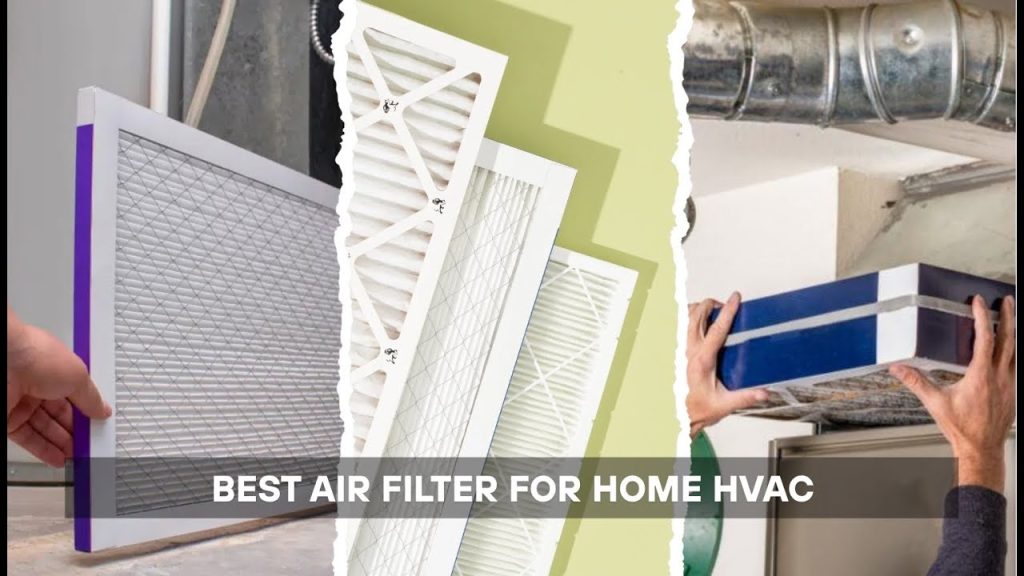
Fiberglass filtersare the most common and affordable option. They trap large dust and debris but do not capture smaller particles well. These filters need regular replacement to keep air clean.
Pleated filtershave a larger surface area than fiberglass ones. They catch smaller dust particles and allergens better. These filters last longer and improve air quality more effectively.
Electrostatic filtersuse static electricity to attract dust and pollen. They can be washable or disposable. These filters work well for people with allergies or asthma.
HEPA filterscapture up to 99.97% of tiny particles like pollen, pet dander, and smoke. They are very effective but may reduce airflow. Commonly used in hospitals and clean rooms.
Carbon filtersremove odors and gases from the air. They are often combined with other filters. Ideal for homes with pets, smokers, or strong smells.
Credit: www.familyhandyman.com
Filter Efficiency Ratings
MERV ratingsshow how well an air filter traps particles. The scale goes from 1 to 20. The higher the number, the better the filter catches small dust, pollen, and germs.
Choose MERV 8 to 13for most home AC units. These filters clean the air well without making your system work too hard. High MERV filters can block airflow and lower efficiency.
The right MERV rating keeps your air clean and your AC running smoothly. It helps remove allergens and dust that cause allergies and breathing problems.
| MERV Rating | Particle Size Captured | Best Use |
|---|---|---|
| 1-4 | Large particles (dust, pollen) | Basic home use, low filtration |
| 5-8 | Medium particles (mold spores, dust mite debris) | Improved home air quality |
| 9-13 | Small particles (pet dander, smoke) | Better air quality, allergy relief |
| 14-20 | Very small particles (bacteria, viruses) | Hospitals, clean rooms |
Benefits Of High-quality Filters
High-quality filters help remove dust, pollen, and allergens. This leads to cleaner indoor airand fewer health problems. They trap tiny particles that regular filters miss.
Using a good filter also saves energy. Clean filters let air flow freely. This means the AC does not work too hard, lowering electricity bills.
Filters protect the AC parts from dust and dirt. This extends the lifeof the air conditioner. It reduces the need for repairs and replacements.

Credit: www.amazon.ca
Factors To Consider When Choosing A Filter
Allergy and asthma needsrequire filters that trap tiny dust and pollen particles. HEPA filters are good for this. They remove most allergens, making air cleaner and easier to breathe.
Budget and replacement frequencymatter a lot. Some filters cost less but need changing every month. Others cost more but last longer. Choose one that fits your wallet and time for maintenance.
Compatibility with AC unitis key. Filters come in different sizes and types. Use the one made for your air conditioner. Wrong size or type can reduce efficiency and harm the unit.
Maintenance Tips For Air Conditioner Filters
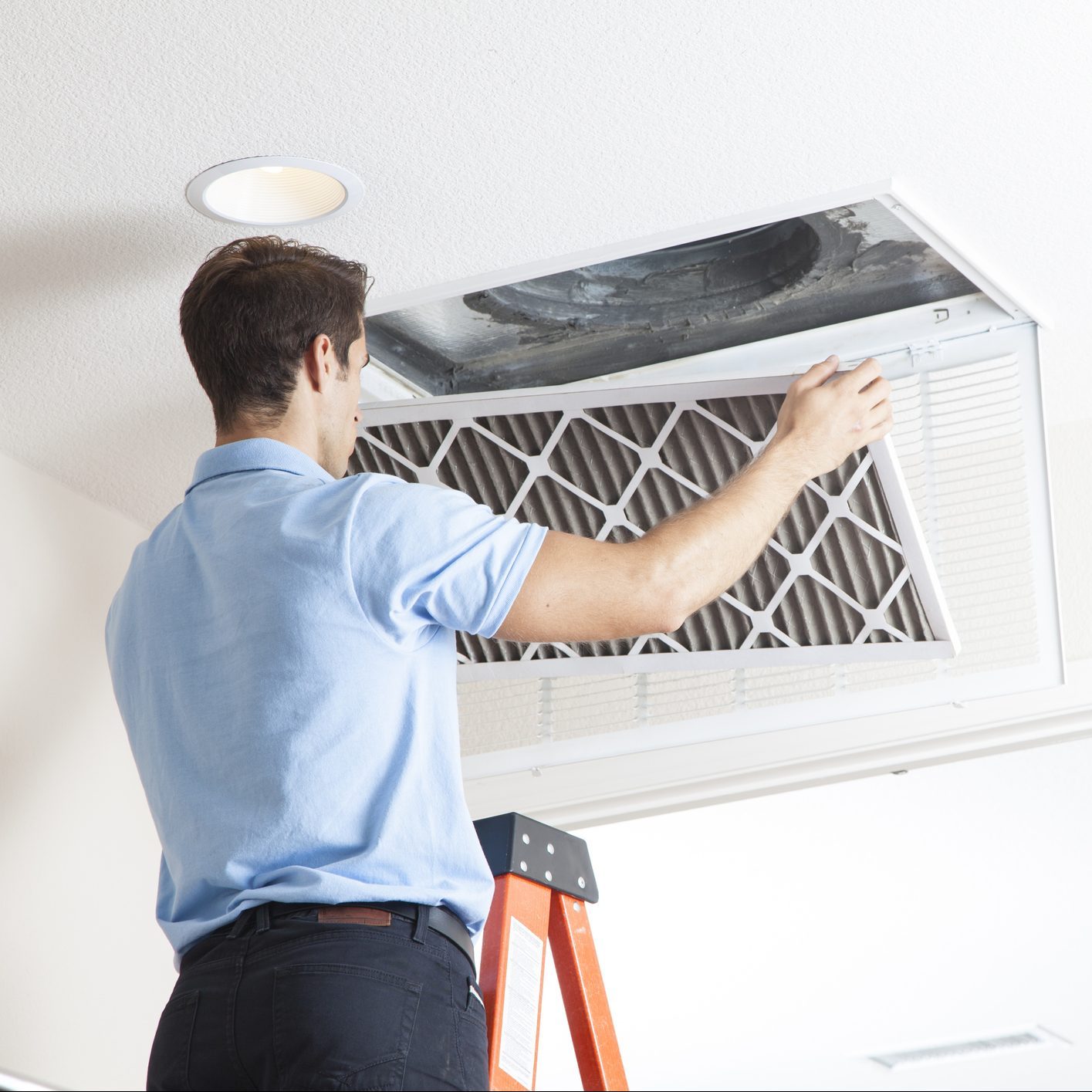
Cleaningair conditioner filters removes dust and dirt. It helps air flow better. Filters that are too dirtycan cause the AC to work harder. This wastes energy and can break the unit. Some filters are washable and can be cleaned gently with water. Others need to be replaced to keep the air fresh and clean.
Signsit’s time to change your filter include:
- Air feels weak or less cool.
- Filter looks dark or clogged.
- Dust builds up quickly in your home.
- Allergies or sneezing increase.
Setting a regular filter maintenance schedulekeeps your AC healthy. Check the filter every month. Clean or replace it every 1 to 3 months, depending on use. Homes with pets or dust may need more frequent changes. Writing down the dates helps remember when to clean or replace the filter next.
Latest Innovations In Air Conditioner Filters
Choosing the best air conditioner filter depends on its ability to trap dust, pollen, and allergens. High-efficiency filters with HEPA or activated carbon offer cleaner air and better performance. New filter designs also improve airflow while keeping the system energy-efficient.
Smart Filters And Iot Integration
Smart air filterscan sense dirt and air quality changes. They notify you when cleaning or replacement is needed. These filters connect to your phone using IoT technology. This helps keep your air fresh without guesswork.
Eco-friendly And Sustainable Options
Filters made from recycled materialshelp reduce waste. Some use natural fibersinstead of plastics. These options support a cleaner environment while purifying air effectively.
Advanced Filtration Technologies
| Technology | Description | Benefit |
|---|---|---|
| HEPA Filters | Trap tiny particles like dust and pollen. | Improves air quality significantly. |
| Activated Carbon | Removes odors and harmful gases. | Keeps air smelling fresh. |
| UV Light Filters | Kills bacteria and viruses in the air. | Enhances health safety indoors. |
Buying Guide For 2025
Top brandsfor air conditioner filters include 3M, Honeywell, and Filtrete. They offer high-quality filtersthat trap dust, pollen, and allergens effectively. HEPA filtersare popular for their ability to capture very small particles. Carbon filters help reduce odors and smoke.
Filters can be bought online or at local hardware stores. Websites like Amazon, Home Depot, and Lowe’s have wide selections. Buying online often gives more options and better prices. Local stores allow checking the product before purchase.
| Type of Filter | Average Cost | Best Use |
|---|---|---|
| Fiberglass | $5 – $10 | Basic dust and dirt |
| Pleated | $10 – $20 | Better dust and allergens |
| HEPA | $20 – $50 | Fine particles and allergens |
| Carbon | $15 – $30 | Odor and smoke removal |
Choosing a filter depends on your needs and budget. Higher-priced filters usually last longer and clean better. Check filter size and compatibility with your air conditioner before buying.
Frequently Asked Questions
What Types Of Air Conditioner Filters Are Available?
There are several types of air conditioner filters. These include fiberglass, pleated, washable, electrostatic, and HEPA filters. Each type has its own benefits and drawbacks. Choosing the right one depends on your needs, such as air quality, maintenance, and cost.
How Often Should Air Conditioner Filters Be Replaced?
It’s recommended to replace air conditioner filters every 1-3 months. This depends on factors like filter type and air quality. Regular replacement ensures optimal performance. It also enhances air quality and extends the lifespan of your air conditioner.
Do High-efficiency Filters Improve Air Quality?
Yes, high-efficiency filters significantly improve air quality. They capture smaller particles, including allergens and pollutants. This results in cleaner, healthier indoor air. They are ideal for homes with allergy sufferers or those seeking better air quality.
Are Washable Filters Better Than Disposable Ones?
Washable filters are eco-friendly and cost-effective in the long run. However, they require regular maintenance to remain effective. Disposable filters need frequent replacement but offer convenience. The best choice depends on your preference for maintenance and environmental impact.
Conclusion
Choosing the right air conditioner filter keeps your home air clean. It helps reduce dust, pollen, and other particles. A good filter also improves your AC’s efficiency. Change the filter regularly to maintain fresh air flow. Clean air means better health and comfort.
Think about your needs and budget when picking a filter. Simple steps lead to a cooler, healthier home. Keep your air conditioner working at its best. Clean air feels good every day.