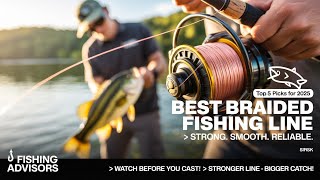
Choosing the best fishing line for your baitcaster can make all the difference between a great catch and a frustrating day on the water. You want a line that casts smoothly, handles tough fish, and lasts through every battle.
But with so many options out there, how do you know which one is right for you? You’ll discover the key factors to consider and the top fishing lines that will boost your baitcasting game. Keep reading to find the perfect line that fits your style and helps you reel in more fish every time.
Types Of Fishing Lines
Choosing the right fishing line is important for baitcasters. Different lines work better for different fishing styles and conditions. Knowing the types helps you pick the best one.
Fishing lines come in three main types. Each has its own strengths and weaknesses. Understanding these can improve your fishing experience.
Monofilament Lines
Monofilament lines are made of a single strand of nylon. They are soft and stretch well, which helps absorb shocks from fish.
These lines are easy to handle and knot. They float on water, making them good for topwater fishing. Monofilament lines are also cheaper than others.
- Good stretch and shock absorption
- Floats on water surface
- Easy to knot and handle
- Affordable choice
- Less sensitive to bites
Fluorocarbon Lines
Fluorocarbon lines are made from a special plastic. They are nearly invisible underwater, which helps avoid scaring fish.
These lines sink faster than monofilament. They are strong and resist abrasion from rocks or fish teeth. Fluorocarbon is good for clear water fishing.
- Almost invisible underwater
- Sinks quickly for deeper fishing
- Strong and abrasion-resistant
- Less stretch than monofilament
- Good for clear water
Braided Lines
Braided lines are made from many fibers woven together. They have no stretch and very high strength for their size.
These lines are thin but very strong. They let you feel every nibble. Braided lines are great for heavy cover or deep water fishing.
- No stretch for better sensitivity
- Very strong with small diameter
- Does not float or sink fast
- Good for heavy cover fishing
- Can be visible underwater
Key Features To Consider
Choosing the right fishing line for baitcasters is important. The right line improves your fishing experience.
Focus on features that affect strength, distance, and visibility. These factors help you catch more fish.
Strength And Durability
Strength is how much weight the line can hold before breaking. Durability means the line lasts after many uses.
Look for lines made from strong materials like braided or fluorocarbon. These last longer and resist snapping.
Casting Distance
Casting distance lets you reach farther spots where fish may hide. A smooth line helps cast farther with less effort.
- Thin lines reduce air resistance
- Low stretch lines provide better control
- Flexible lines make casting easier
Abrasion Resistance
Abrasion resistance prevents damage from rocks, wood, and other underwater obstacles. This keeps the line strong.
| Line Type | Abrasion Resistance | Best Use |
| Braided | High | Rough areas with rocks |
| Monofilament | Medium | General fishing |
| Fluorocarbon | High | Clear water fishing |
Line Visibility
Line visibility is how easy it is for fish to see the line. Clear or low-visibility lines reduce fish spooking.
Choosing the right color is key:
- Clear lines work well in clear water
- Green or blue lines blend in with water
- Bright lines help you see the line above water
Top Monofilament Lines For Baitcasters
Monofilament lines are popular for baitcasters due to their versatility. They are easy to handle and provide good stretch, making them ideal for various fishing situations.
Choosing the right monofilament line can improve your fishing experience. Below are some top picks categorized for different needs and budgets.
Best Overall Monofilament
When looking for the best overall monofilament line, consider durability and performance. These lines offer consistent strength and castability, making them a favorite among anglers.
- Strong knot strength
- Good abrasion resistance
- Smooth casting experience
Budget-friendly Options
For those on a budget, there are reliable monofilament lines that won’t break the bank. These options maintain quality without the high price.
| Brand | Price Range |
| Brand A | $10 – $15 |
| Brand B | $8 – $12 |
| Brand C | $9 – $14 |
High-performance Picks
If high performance is what you seek, these monofilament lines are designed for precision and strength. They are perfect for competitive fishing environments.
These lines feature advanced technology for superior performance. They are crafted for anglers who demand the best from their equipment.

Credit: fishingbooker.com
Best Fluorocarbon Lines For Baitcasters
Choosing the right fishing line is key for baitcasters. Fluorocarbon lines are a popular choice because they are strong and almost invisible underwater.
Fluorocarbon lines offer good sensitivity and durability. They help anglers feel bites better and resist abrasion from rocks or fish teeth.
Clear And Low Visibility Lines
Fluorocarbon lines are clear and hard to see in water. This helps catch wary fish that notice thicker or colored lines.
These lines blend well with water, making your bait look natural. They work great in clear lakes and rivers.
- Reduce fish spooking with low visibility
- Ideal for clear water fishing
- Good for stealthy presentations
Strong And Sensitive Choices
Fluorocarbon lines combine strength and sensitivity. They let you detect light bites and fight big fish without breaking.
These lines are stiffer than nylon but still flexible. This stiffness helps with better hook sets and casting accuracy on baitcasters.
- High abrasion resistance for rough spots
- Low stretch for better bite detection
- Strong knots that hold tight
Popular Fluorocarbon Brands
Several brands make fluorocarbon lines popular with baitcaster users. These brands offer reliable quality and good performance.
- Seaguar InvizX – known for clear, strong lines
- Sunline Super FC Sniper – praised for sensitivity
- Berkley Trilene Fluorocarbon – good abrasion resistance
- Yo-Zuri HD Carbon – smooth casting and durability
- Pflueger Presso – budget-friendly with strong build
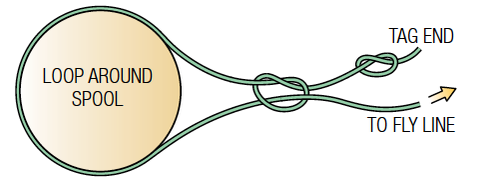
Leading Braided Lines For Baitcasters
Baitcasting reels need strong and smooth fishing lines. Braided lines are popular for baitcasters. They offer great strength and control.
Choosing the right braided line improves your fishing experience. Here are key features to look for in braided lines.
High Strength Braided Lines
High strength braided lines handle heavy fish well. They have a strong core made from woven fibers. This makes them less likely to break.
Strong lines let you use heavier baits and fight big fish. They also last longer and resist abrasion.
- Made from materials like Dyneema or Spectra
- High tensile strength for tough fishing conditions
- Thin diameter with strong power
- Resists cuts and wear from rocks or debris
Smooth Casting Braids
Smooth casting braided lines slide easily through the baitcaster guides. This helps avoid tangles and backlashes. Smooth lines improve casting distance and accuracy.
Lines with a round and uniform braid pattern cast better. A smooth coating reduces friction and noise on the spool.
- Even braid reduces line twist and knots
- Coated lines repel water for smoother casts
- Less friction means longer casts and better control
Color Options And Uses
Braided lines come in many colors. Choose colors based on water type and fishing style. Bright lines help track the line above water. Dark lines are less visible underwater.
Some anglers use color changes every few yards. This helps measure casting distance and depth.
- Green and yellow for clear water and sunny days
- Black or blue for deep or dark water
- Multi-color lines for distance and depth tracking
- Fluorescent colors for low light fishing
Credit: monsterbass.com
Tips For Choosing The Right Line
Choosing the best fishing line for baitcasters is important. The right line helps you catch more fish and enjoy your time on the water.
There are many types of fishing lines. Picking the right one depends on your fishing style and the fish you want to catch.
Match Line To Target Species
Different fish need different fishing lines. Bigger fish need stronger lines. Smaller fish need thinner lines that are less visible.
Choose a line that can handle the size and strength of the fish you want. This helps avoid losing fish or breaking your line.
- Light lines for small fish like trout or panfish
- Medium strength lines for bass or walleye
- Heavy lines for big fish like catfish or pike
Consider Fishing Environment
Your fishing setting affects your line choice. Clear water needs thin, less visible lines. Murky water may need stronger, thicker lines.
Also, think about obstacles like weeds or rocks. Stronger lines resist damage better in rough environments.
- Clear water: use light, invisible lines like fluorocarbon
- Weedy or rocky areas: use abrasion-resistant lines
- Saltwater fishing: use corrosion-resistant lines
Balance Between Strength And Sensitivity
Strong lines help fight big fish. Sensitive lines help feel small bites. Balance both for better fishing success.
Monofilament lines are stretchy and sensitive but less strong. Braided lines are very strong but less stretchy. Fluorocarbon lines offer a mix of both.
- Choose strength that matches your fish size
- Pick sensitivity to feel bites easily
- Consider line stretch for control and hook setting
Maintaining Your Fishing Line
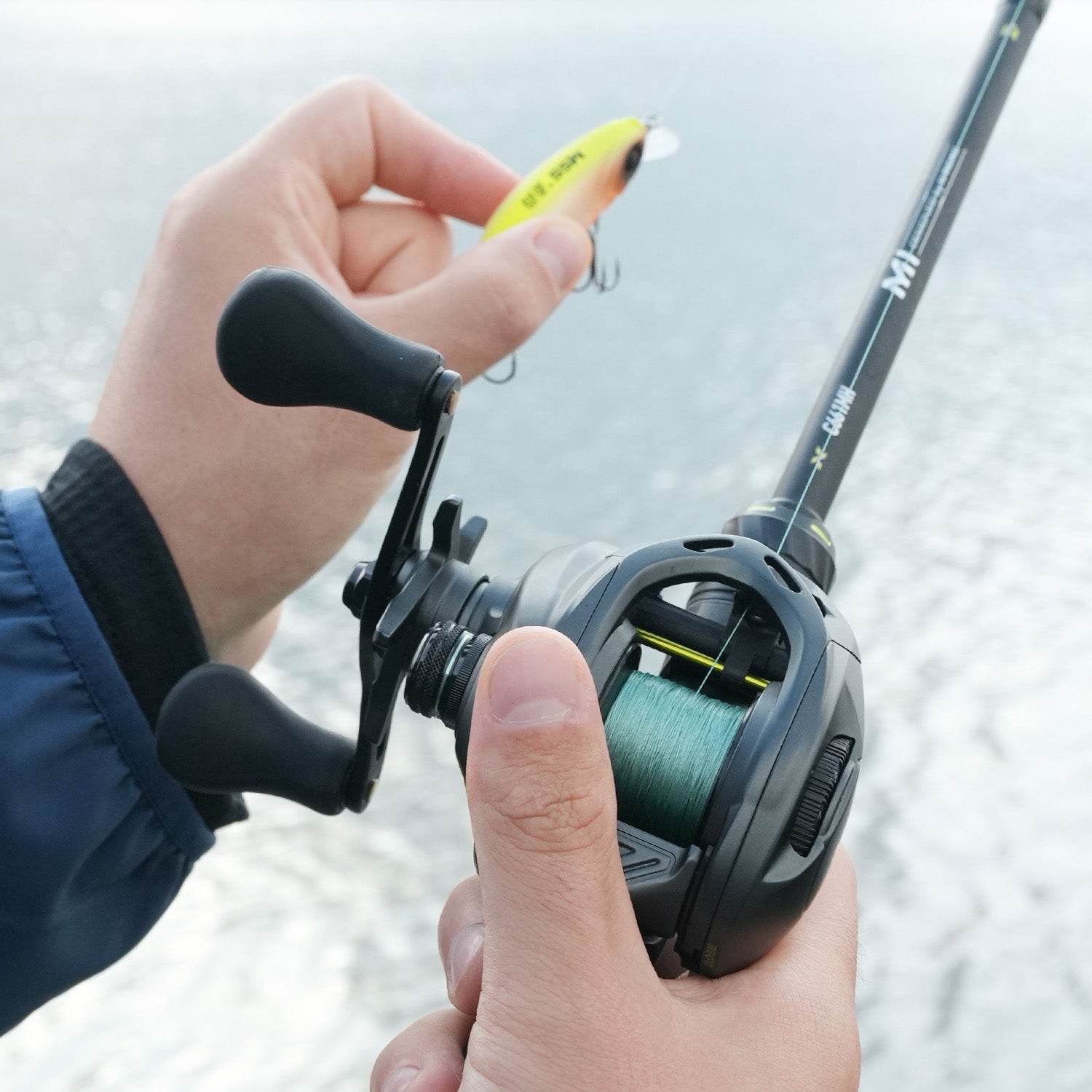
Taking care of your fishing line helps it last longer. Good maintenance keeps your baitcaster working well.
Proper care also prevents line breaks and improves your fishing success. Simple habits make a big difference.
Proper Storage Techniques
Store your fishing line in a cool, dry place away from sunlight. Heat and UV rays can weaken the line.
Keep the line on the spool to avoid tangles. Avoid tight knots or bends that cause damage.
- Use a sealed container to protect from dust and moisture
- Keep lines separate to prevent tangling
- Do not store line near chemicals or strong odors
Regular Line Inspection
Check your fishing line before every trip. Look for nicks, frays, or weak spots that can cause breaks.
Run the line through your fingers to feel for rough areas. Inspect the line near the lure and guides carefully.
- Replace any damaged sections immediately
- Clean the line with fresh water after saltwater fishing
- Dry the line before storing to prevent mold
When To Replace Your Line
Replace your fishing line every few months or after heavy use. Old line loses strength and can snap easily.
Change the line if it shows visible damage or if knots slip often. Fresh line helps you catch more fish.
- Replace line after major catches that stress the line
- Change line if it feels brittle or stiff
- Use new line before important fishing trips
Credit: handingfishing.com
Frequently Asked Questions
What Type Of Fishing Line Works Best For Baitcasters?
Monofilament, fluorocarbon, and braided lines all work for baitcasters. Braided line offers strength and sensitivity. Fluorocarbon is nearly invisible underwater. Monofilament provides stretch and is beginner-friendly. Choose based on fishing conditions and target species for best results.
How Does Line Diameter Affect Baitcaster Performance?
Thinner lines cast farther and reduce visibility underwater. However, thicker lines offer better abrasion resistance. Line diameter impacts casting distance, sensitivity, and durability. Select a diameter that balances strength and smooth casting for your baitcaster.
Can I Use Braided Line On A Baitcasting Reel?
Yes, braided line is excellent for baitcasters. It offers high strength and low stretch. Braided line enhances sensitivity and casting distance. Use a fluorocarbon leader to reduce line visibility in clear water.
What Is The Ideal Line Strength For Baitcaster Fishing?
Line strength depends on fish species and fishing environment. Typically, 10-20 lb test line suits most baitcaster setups. Heavier line is necessary for larger fish or heavy cover. Choose strength that matches your target fish and conditions.
Conclusion
Choosing the best fishing line for baitcasters depends on your needs. Consider strength, stretch, and casting distance. Braided lines offer durability and sensitivity. Monofilament lines provide flexibility and ease of use. Fluorocarbon lines are nearly invisible underwater. Match your line to the fish and water type.
Test different lines to find your favorite. A good line helps you catch more fish and enjoy fishing more. Remember, the right line makes a big difference on your next trip. Keep it simple and have fun fishing!