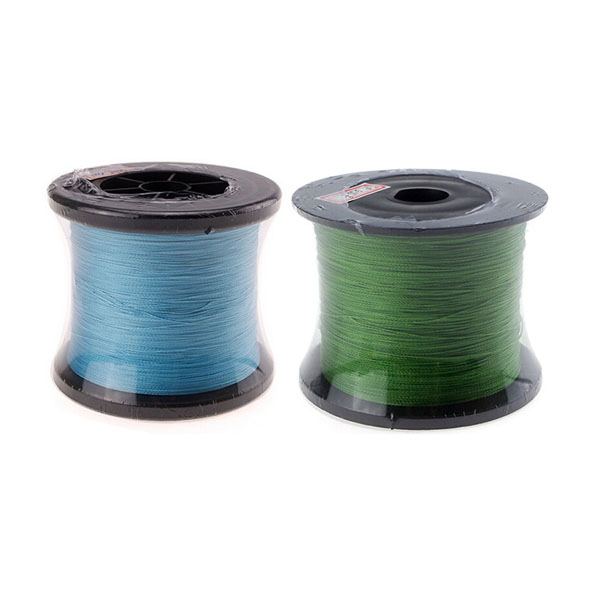
Are you tired of losing bass right when you think you’ve got a good catch? Choosing the right fishing line can make all the difference between a thrilling fight and a frustrating escape.
But with so many options out there, how do you know which one will work best for your bass fishing adventures? This guide will help you find the perfect fishing line that matches your style, skill level, and fishing conditions.
Keep reading to discover simple tips and expert advice that will boost your success on the water every time you cast.
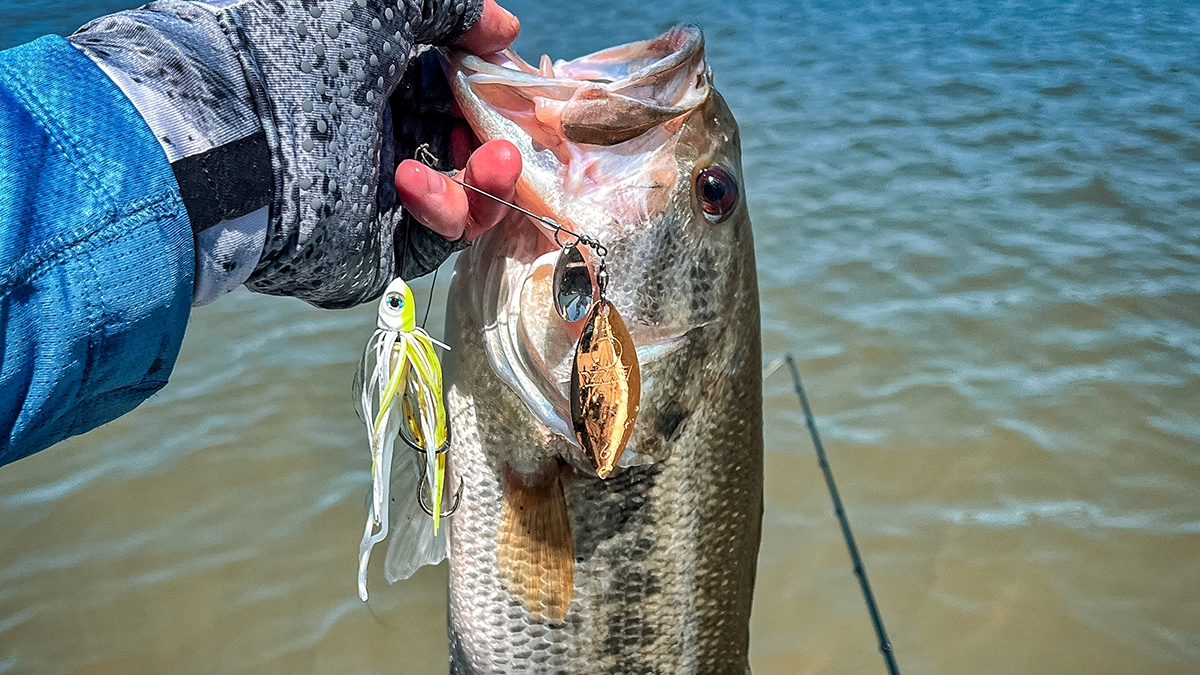
Credit: www.wired2fish.com
Types Of Fishing Lines
Choosing the right fishing line helps catch more bass. Different lines suit different fishing conditions.
Learn about three common types: monofilament, fluorocarbon, and braided lines.
Monofilament Lines
Monofilament lines are made from a single strand of nylon. They are flexible and easy to handle.
These lines stretch under pressure, which helps absorb shocks from fish bites.
Fluorocarbon Lines
Fluorocarbon lines are less visible underwater. They sink faster and resist abrasion well.
- Good for clear water fishing
- Harder to knot than monofilament
- More expensive but lasts longer
Braided Lines
Braided lines have many thin fibers woven together. They are very strong and thin for their strength.
| Feature | Benefit |
| High strength | Catch bigger fish |
| Low stretch | Better hook sets |
| Thin diameter | More line on reel |
| Less visibility | Good in heavy cover |
Key Factors For Bass Fishing Lines
Choosing the right fishing line is crucial for bass fishing. Different lines have different qualities that affect your success. Here are key factors to consider when selecting a bass fishing line.
Strength And Durability
Strength and durability are important in bass fishing. A strong line can handle the fight of a big bass. Durable lines last longer and resist wear.
- Monofilament lines offer good strength
- Braided lines are extremely durable
- Fluorocarbon lines provide a balance of both
Visibility In Water
Visibility in water can affect whether a bass bites. Some lines are easier to see, which can be a disadvantage in clear water. Choose a line that blends well with the water conditions.
- Monofilament lines can be more visible
- Fluorocarbon lines are nearly invisible underwater
- Braided lines are best for murky waters
Sensitivity And Flexibility
Sensitivity helps you feel bites quickly. Flexible lines are easier to handle. A sensitive and flexible line can improve your catch rate.
- Braided lines offer high sensitivity
- Monofilament lines provide more flexibility
- Fluorocarbon lines balance both well
Abrasion Resistance
Abrasion resistance is key when fishing in areas with rocks or debris. A line that can resist abrasion will last longer and perform better under tough conditions.
- Fluorocarbon lines are highly abrasion-resistant
- Braided lines handle rough conditions well
- Monofilament lines can wear out faster
Best Lines For Different Bass Fishing Techniques
Choosing the right fishing line is key for catching bass. Different techniques need different lines. This helps you fish better and catch more bass.
Each bass fishing method works best with a specific line type. Knowing which line to use can improve your fishing experience.
Topwater Fishing
Topwater fishing uses lures that float on the surface. The line needs to be visible and strong. Fluorocarbon lines work well because they are less visible in clear water.
Monofilament line is also good for topwater. It floats well and gives good stretch. Stretch helps absorb the strike when bass hit the lure.
- Fluorocarbon for low visibility and strength
- Monofilament for floatation and stretch
Flipping And Pitching
Flipping and pitching need strong, heavy lines. Bass hide in thick cover here. Braided line is best because it is very strong and has little stretch.
Braided line lets you pull bass out of weeds fast. Use a fluorocarbon leader for invisibility near the lure. This helps avoid spooking bass.
- Braided line for strength and no stretch
- Fluorocarbon leader for low visibility
Drop Shotting
Drop shotting uses light lures near the bottom. A light fluorocarbon line is best. It sinks well and has low stretch for better hook sets.
Fluorocarbon also is nearly invisible underwater. This makes bass less likely to notice the line and more likely to bite.
- Light fluorocarbon for sinking and low stretch
- Good sensitivity for feeling bites
Carolina Rigging
Carolina rigs cover large areas slowly. A fluorocarbon line works best here. It resists abrasion from rocks and brush well.
Monofilament can also work if you want some stretch. Stretch helps prevent hooks from pulling out during long fights.
- Fluorocarbon for abrasion resistance and invisibility
- Monofilament for stretch and shock absorption

Credit: www.gameandfishmag.com
Line Diameter And Test Strength
The fishing line’s diameter and test strength are key for bass fishing. Diameter affects how the line moves through water and the rod guides.
Test strength shows how much weight the line can hold before breaking. Choosing the right balance helps catch bass efficiently.
Matching Line To Rod And Reel
Your fishing line must fit the rod and reel’s specifications. Using the wrong size can cause problems with casting and line breakage.
Check the rod’s recommended line weight and the reel’s capacity. Match the line diameter and test strength to these limits.
- Light rods need thinner, lower test lines (6-12 lb)
- Medium rods work with medium diameter lines (10-20 lb)
- Heavy rods require thicker, higher test lines (20+ lb)
Choosing Line Based On Bass Size
Small bass do not need very strong lines. Use lighter lines for better sensitivity and longer casts.
Bigger bass can break lighter lines easily. Use stronger lines with higher test strength for large fish.
| Bass Size | Recommended Test Strength | Line Diameter |
|---|---|---|
| Small (under 2 lbs) | 6-10 lb | Thin (0.008-0.012 inches) |
| Medium (2-5 lbs) | 10-15 lb | Medium (0.012-0.015 inches) |
| Large (over 5 lbs) | 15-25 lb | Thick (0.015-0.020 inches) |
Popular Brands And Models In 2025
Choosing the best fishing line for bass fishing is key to a good catch. Different lines work better in different conditions. In 2025, popular brands offer many options.
This guide covers top monofilament, fluorocarbon, and braided lines. Each type has strong points for bass fishing. Learn what brands and models anglers trust.
Top Monofilament Lines
Monofilament lines are easy to handle and stretch well. They work great for beginners and give good knot strength. Many anglers like their smooth casting.
- Stren Original Monofilament
- Berkley Trilene XL
- Spiderwire Ultracast
- Yo-Zuri Hybrid Monofilament
Top Fluorocarbon Lines
Fluorocarbon lines are nearly invisible underwater. They resist abrasion well and sink faster. This helps when fishing in clear water or around cover.
| Brand | Model | Strength (lbs) | Key Feature |
| Seaguar | InvizX | 12-20 | High sensitivity |
| Sunline | Super FC Sniper | 10-25 | Strong abrasion resistance |
| Berkley | Vanish Fluorocarbon | 8-30 | Low visibility |
| Gamma | Edge Fluorocarbon | 12-20 | Fast sinking |
Top Braided Lines
Braided lines offer high strength and no stretch. They let you feel the bite well and cast far. Braided lines are good for thick cover and heavy lures.
- PowerPro Spectra Fiber
- Spiderwire Stealth Smooth
- Berkley FireLine
- DAIWA J-Braid
Tips For Maintaining Your Fishing Line
Taking care of your fishing line helps it last longer and work better. Proper maintenance keeps the line strong and ready for bass fishing.
Simple habits like storing, checking, and replacing your line can prevent problems on the water.
Proper Storage
Store your fishing line away from heat and sunlight. Keep it in a cool, dry place. This stops the line from weakening or melting.
- Keep the line in its original spool or a sealed container
- Avoid leaving the line in a hot car or direct sun
- Store line away from sharp objects to prevent damage
- Use a plastic bag or box to keep it clean and dry
Regular Inspection
Look over your fishing line often for signs of wear. Small cuts or frays can cause the line to break during a catch.
| Type of Damage | What to Check |
| Frays | Look for fuzzy or rough spots |
| Discoloration | Faded color means sun damage |
| Cracks | Check for tiny splits or breaks |
| Stretching | Test if the line feels loose or weak |
Replacing Old Line
Change your fishing line regularly to keep strong performance. Old line loses strength and can break easily.
- Note how long you have used the line
- Replace line after several fishing trips or at least once a year
- Choose the right strength and type for bass fishing
- Remove old line carefully to avoid tangles
- Wind new line tightly and evenly on the reel
Budget-friendly Vs Premium Lines
Choosing the right fishing line matters for catching bass. Lines vary in price and quality. Knowing the difference helps you pick what fits your style and budget.
This guide compares budget-friendly lines with premium options. It covers cost, performance, and when to invest in higher quality lines.
Cost Vs Performance
Budget lines usually cost less but may break or tangle more. Premium lines often offer better strength and smooth casting. Your choice depends on how often you fish and conditions.
| Line Type | Cost | Strength | Durability | Best For |
| Budget-Friendly | Low | Good for beginners | Moderate | Casual fishing |
| Premium | High | Higher strength | Long-lasting | Serious anglers |
When To Invest In Premium Lines
Premium lines are worth buying in certain situations. They help when fishing in rough waters or for big bass. They also reduce line breakage and improve casting distance.
- You fish frequently and want reliable gear
- You target large bass or fish in heavy cover
- You need a line that resists abrasion
- You prefer smoother casting and less memory

Credit: www.youtube.com
Frequently Asked Questions
What Fishing Line Is Best For Bass Fishing?
Monofilament, fluorocarbon, and braided lines are best for bass fishing. Monofilament offers stretch and buoyancy. Fluorocarbon is nearly invisible underwater. Braided line provides high strength and sensitivity. Choose based on water clarity and fishing technique.
How Strong Should A Bass Fishing Line Be?
A 10-20 pound test line is ideal for bass fishing. Lighter lines work well for clear water and cautious bass. Heavier lines are suitable for thick cover or larger bass. Strength depends on fishing conditions and lure size.
Is Fluorocarbon Good For Bass Fishing?
Yes, fluorocarbon is excellent for bass fishing. It’s nearly invisible underwater, making bass less wary. It sinks faster than monofilament, ideal for deep presentations. Fluorocarbon resists abrasion, perfect for fishing near rocks or vegetation.
Should I Use Braided Line For Bass Fishing?
Braided line is great for bass fishing in heavy cover. It offers high strength and no stretch for better hook sets. However, it’s more visible, so pair it with a fluorocarbon leader for clear water fishing.
Conclusion
Choosing the right fishing line affects your bass fishing success. Consider strength, stretch, and visibility in water. Braided lines offer durability; fluorocarbon lines are less visible. Monofilament lines provide good stretch and ease of use. Match your line to the fishing conditions and bass behavior.
Experiment to find what works best for you. Enjoy your time on the water and catch more bass!