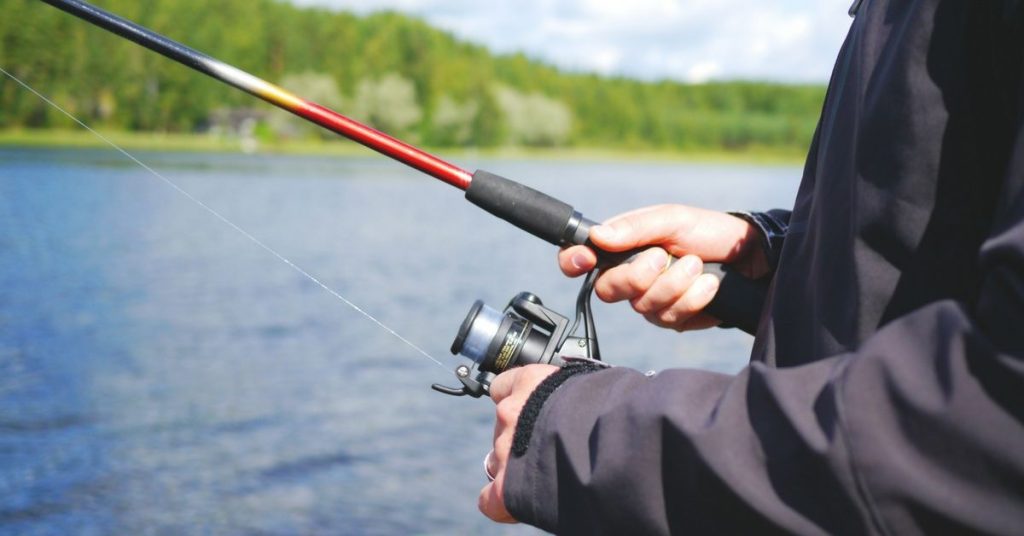
Choosing the best fishing line for bass fishing can make all the difference between an exciting catch and a frustrating day on the water. You want a line that’s strong, sensitive, and just right for the way you fish.
But with so many options out there, how do you know which one will give you the edge? You’ll discover the key factors that matter most and the top fishing lines that bass anglers swear by. By the end, you’ll feel confident about picking the perfect line to boost your bass fishing success.
Keep reading—your next big catch might just depend on it.

Credit: www.youtube.com
Types Of Fishing Lines
Choosing the right fishing line is important for bass fishing. Different types of lines have different uses. Knowing these types helps you pick the best one for your needs.
Each fishing line type has unique features. They vary in strength, stretch, and visibility. These qualities affect how you catch bass.
Monofilament Lines
Monofilament lines are made from a single strand of nylon. They are soft and stretchy. This stretch helps absorb the shock when a bass bites.
These lines are easy to handle and knot. They float on water, making them good for topwater fishing. Monofilament is usually cheaper than other lines.
- Good stretch reduces hook pulls
- Visible in water, so choose color carefully
- Best for beginners due to easy use
Fluorocarbon Lines
Fluorocarbon lines are made from a special polymer. They are nearly invisible underwater. This makes them great for clear water fishing.
Fluorocarbon is harder and sinks faster than monofilament. It has low stretch, so you feel bass bites well. It is also resistant to abrasion.
- Almost invisible to fish in clear water
- Less stretch for better bite detection
- Good for heavy cover and rough areas
Braided Lines
Braided lines are made by weaving many fibers together. They are very strong and thin. This lets you spool more line on your reel.
Braided lines have almost no stretch. This helps you set the hook fast. They are very durable but can be visible in clear water.
- High strength with thin diameter
- Almost no stretch for quick hook sets
- Best for heavy cover and long casts
Factors Affecting Line Choice
Choosing the best fishing line for bass depends on many factors. These factors help you pick a line that works well in different conditions.
Understanding these elements lets you catch more bass with less trouble. Each factor changes how the line performs in water.
Water Clarity
Water clarity affects how visible your fishing line is to bass. Clear water needs a line that is hard to see. Murky water lets you use a thicker or darker line.
In clear water, use light-colored or clear lines. In stained or muddy water, stronger and darker lines work better.
- Clear water: use clear or light green lines
- Stained water: use darker green or brown lines
- Muddy water: use high-visibility lines
Line Strength And Test
Line strength is how much weight the line can hold before breaking. This is called the test weight. Choose a test that matches the bass size you expect.
Use a lighter test for small bass and a heavier test for big bass. Too light a line can break. Too heavy can scare fish.
- Light test: 6-10 pounds for small bass
- Medium test: 10-15 pounds for average bass
- Heavy test: 15-20 pounds for large bass
Abrasion Resistance
Abrasion resistance means how well the line resists damage from rocks, wood, and other rough surfaces. Bass often hide near rough areas.
Choose a line that can handle rubbing without breaking. This helps avoid losing fish due to line damage.
- Fluorocarbon lines have high abrasion resistance
- Braided lines resist abrasion well but are visible
- Monofilament lines have low abrasion resistance
Stretch And Sensitivity
Stretch affects how much the line can extend under pressure. Sensitivity is how well you feel the fish bite through the line.
Lines with less stretch give more sensitivity. This helps detect light bites. Stretchy lines absorb shocks but reduce bite feel.
- Monofilament has high stretch and low sensitivity
- Fluorocarbon has low stretch and high sensitivity
- Braid has almost no stretch and highest sensitivity
Best Lines For Different Conditions
Choosing the right fishing line helps catch more bass. Different water and cover need different types of lines. This guide explains the best lines for clear water, heavy cover, and deep fishing.
Using the right line improves your chances and makes fishing easier. Let’s look at the best options for each condition.
Clear Water
In clear water, bass can see the fishing line well. Use lines that are hard to see and have low stretch. Fluorocarbon lines work best because they blend with water and offer good sensitivity.
Monofilament lines can also work but may be more visible. Keep the line light to avoid scaring fish.
Weed And Heavy Cover
Fishing in weeds or heavy cover needs a strong and abrasion-resistant line. Bass hide in thick areas, so the line must cut through or resist damage.
- Braid lines:Very strong and thin, good for pulling bass out of weeds.
- Fluorocarbon leaders:Help avoid line breaks near sharp weeds or branches.
- Heavy test lines:Use thicker lines to prevent snapping in thick cover.
Open Water And Deep Fishing
For open water and deep fishing, the line must handle weight and distance. Sensitivity is key to feel bites far below the surface.
| Line Type | Strength | Best Use |
| Fluorocarbon | Medium | Deep water sensitivity |
| Braid | High | Long casts and heavy lures |
| Monofilament | Low to Medium | General purpose with stretch |
Credit: www.wired2fish.com
Top Brands And Products
Choosing the best fishing line for bass fishing is key for success. Different lines offer various strengths and uses. This guide covers top brands and products for each line type.
Monofilament, fluorocarbon, and braided lines each have unique features. Knowing the best options helps anglers pick the right gear.
Monofilament Recommendations
Monofilament lines are popular for their stretch and ease of use. They work well in many fishing conditions. Here are some top brands to consider.
- Stren Original Monofilament: Durable and smooth, good for beginners.
- Berkley Trilene XL: Offers strong knot strength and low memory.
- SpiderWire Stealth: Clear and abrasion-resistant for clear water.
- Maxima Chameleon: Blends well with water colors for stealth.
Fluorocarbon Recommendations
Fluorocarbon lines are nearly invisible underwater. They are tough and resist abrasion. Below is a table showing popular fluorocarbon lines and their features.
| Brand | Strength (lb) | Key Feature |
| Seaguar InvizX | 12-20 | High sensitivity and low stretch |
| Berkley Vanish | 10-25 | Fast sinking and abrasion resistant |
| Sunline Super FC Sniper | 15-30 | Strong and invisible in clear water |
| SpiderWire Ultracast | 12-17 | Great knot strength and smooth casting |
Braided Line Recommendations
Braided lines have little stretch and high strength. They are best for heavy cover and long casts. Here are some top braided lines and their benefits.
- PowerPro Spectra Fiber: Strong and thin, good for deep water.
- SpiderWire Stealth: Smooth and low visibility in water.
- Fins Braid: High abrasion resistance, good for rough areas.
- Yozuri Hybrid: Combines strength with smooth casting.
Tips For Line Maintenance
Keeping your fishing line in good shape helps catch more bass. Proper care makes the line last longer.
Follow simple steps to store, tie knots, and replace your line often. This keeps it strong and ready.
Storage
Store your fishing line in a cool, dry place. Heat and sunlight can weaken the line over time.
Keep the line on the spool and avoid tangles. Use a line holder or a sealed bag for protection.
- Avoid direct sunlight exposure
- Keep line away from moisture
- Use a spool or container
Knot Tying
Tying strong knots helps prevent line breaks when catching bass. Practice knots until you tie them tight.
Wet the line before tightening knots. This reduces friction and protects the line from damage.
- Use knots like Palomar or Improved Clinch
- Keep knots neat and tight
- Moisten line before pulling knots
Line Replacement Frequency
Replace your fishing line regularly to avoid breaks. Old line loses strength and may have hidden damage.
Check line for cracks, frays, or stiffness before each trip. Change the line if you see any damage signs.
- Change line every few fishing trips
- Replace if line feels rough or weak
- Always check before fishing bass
Common Mistakes To Avoid
Choosing the right fishing line is important for catching bass. Many anglers make simple errors that reduce their chances of success.
This guide covers common mistakes to avoid when selecting and using fishing lines for bass fishing.
Using The Wrong Line Strength
Many anglers pick a line that is too strong or too weak. Too strong a line can scare bass away. Too weak a line may break easily.
Ignoring Line Material Differences
Fishing lines come in different materials like monofilament, fluorocarbon, and braided. Each works best in specific conditions.
- Monofilament stretches and is good for beginners.
- Fluorocarbon is less visible underwater and sinks fast.
- Braided lines are strong and have low stretch.
Not Matching Line To Fishing Environment
Different waters need different lines. Clear water calls for less visible lines. Heavy cover needs strong lines to avoid breaks.
| Water Type | Recommended Line | Reason |
| Clear Water | Fluorocarbon | Low visibility |
| Heavy Vegetation | Braided | High strength |
| Open Water | Monofilament | Good stretch and castability |
Failing To Replace Old Or Damaged Line
Old lines can weaken and cause lost fish. Check your line often and replace it if it shows wear or damage.
Using Incorrect Line Diameter
Line diameter affects casting and strength. Thicker lines cast shorter but resist abrasion better. Thinner lines cast farther but break more easily.
| Line Diameter | Effect |
|---|---|
| Thin | Long casts, lower strength |
| Medium | Balanced casting and strength |
| Thick | Short casts, high abrasion resistance |

Credit: www.mossyoak.com
Frequently Asked Questions
What Type Of Fishing Line Is Best For Bass?
The best line for bass fishing often depends on conditions. Braid offers strength and sensitivity, ideal for heavy cover. Fluorocarbon is less visible underwater, making it great for clear water. Monofilament is affordable and versatile, suitable for beginners and general use.
Why Choose Fluorocarbon For Bass Fishing?
Fluorocarbon fishing line is almost invisible underwater, making it perfect for clear water. It’s also abrasion-resistant and sinks faster, enhancing lure presentation. This line is ideal for finesse techniques and when targeting wary bass in pressured areas.
Is Braided Line Good For Bass Fishing?
Yes, braided line is excellent for bass fishing, especially in heavy cover. It offers superior strength, abrasion resistance, and sensitivity, allowing you to feel even the slightest bites. It’s ideal for techniques like flipping, pitching, and frogging in dense vegetation.
How Does Monofilament Perform In Bass Fishing?
Monofilament line is a cost-effective, versatile option for bass fishing. It provides good stretch, which can be beneficial for preventing line breakage. It’s ideal for topwater lures and beginners due to its ease of handling and knot strength.
Conclusion
Choosing the right fishing line helps catch more bass with less hassle. Consider the line’s strength, stretch, and visibility in water. Each type has its own benefits for different fishing spots. Test a few kinds to find what works best for you.
A good fishing line makes bass fishing more fun and successful. Keep these tips in mind next time you head out to fish. Enjoy your time on the water and happy fishing!