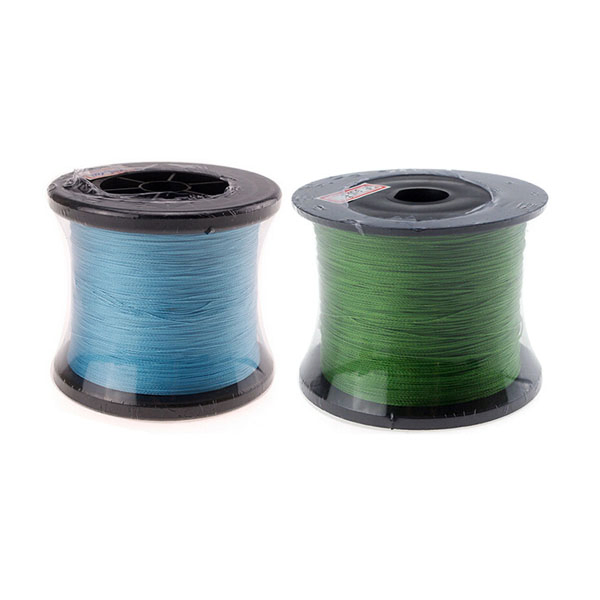
Choosing the best fishing line for bass can make all the difference between a great catch and a missed opportunity. You want a line that’s strong, sensitive, and just right for the type of bass you’re targeting.
But with so many options out there, how do you pick the perfect one for your next fishing trip? Keep reading, and you’ll discover exactly what you need to know to boost your chances of landing that trophy bass. Your fishing game is about to get a serious upgrade.
Credit: mysterytacklebox.com
Types Of Fishing Lines
Choosing the right fishing line is key to catching bass. Different lines work better in different situations.
This guide explains three common types of fishing lines: monofilament, fluorocarbon, and braided lines.
Monofilament Lines
Monofilament lines are made from a single strand of nylon. They are soft and stretch easily, which helps absorb shocks from fish bites.
These lines float on water, making them good for topwater fishing. They are also easier to tie and handle for beginners.
Fluorocarbon Lines
Fluorocarbon lines are made from a special plastic that sinks faster than monofilament. They are nearly invisible underwater.
These lines resist abrasion better, making them good for fishing around rocks or weeds. They also do not stretch much, giving better hook sets.
| Feature | Monofilament | Fluorocarbon |
|---|---|---|
| Visibility in Water | Visible | Nearly Invisible |
| Stretch | High | Low |
| Buoyancy | Floats | Sinks |
| Abrasion Resistance | Medium | High |
| Handling | Easy | Moderate |
Braided Lines
Braided lines are made by weaving many thin fibers together. They are very strong and thin compared to other lines.
These lines have almost no stretch, so you feel every bite clearly. They are good for heavy cover and deep water fishing.
- Very high strength
- Thin diameter
- No stretch
- Does not float well
- More visible in water
Factors Affecting Line Choice
Choosing the right fishing line for bass depends on many factors. Each factor affects how well the line works in different situations.
Understanding these factors helps you pick a line that matches your fishing style and the conditions you face.
Water Clarity
Water clarity is important because bass can see the fishing line. Clear water needs a line that is less visible.
In murky or stained water, you can use a line that is stronger but may be more visible. This helps catch bass that rely on touch and vibration.
- Clear water: use light-colored or clear lines
- Stained water: darker or brighter lines work well
- Very murky water: focus on line strength over visibility
Casting Distance
Casting distance matters for reaching bass that are far from the shore or cover. A smooth line helps you cast farther.
Thin lines usually cast better because they face less air and water resistance. Thicker lines may limit your casting range.
- Thin lines offer longer casts
- Thicker lines may reduce casting distance
- Flexible lines improve casting smoothness
Line Strength And Sensitivity
Line strength helps you fight big bass without breaking the line. Choose a line strong enough for your target fish.
Sensitivity lets you feel bites and underwater obstacles better. A sensitive line helps you react faster and set the hook well.
- Stronger lines resist breaking under pressure
- Sensitive lines transmit vibrations clearly
- Balance strength and sensitivity for best results
Best Lines For Different Bass Techniques
Choosing the right fishing line helps catch more bass. Different techniques need different lines. Match the line to your fishing style.
Some lines work better for certain lures and water conditions. Knowing which line to use improves your chances of success.
Topwater Fishing
Topwater fishing needs a line that floats well. It helps make natural surface moves and feel bass bites. Braided or fluorocarbon lines are good choices.
Braided lines offer strength and low stretch. Fluorocarbon lines are less visible in water. Both help in different topwater situations.
- Braided line: strong, good for heavy cover
- Fluorocarbon line: clear, good for clear water
- Line strength: 10-20 lb test
Flipping And Pitching
Flipping and pitching need a line with low stretch and good sensitivity. This helps detect light bites and control the lure well. Braided lines are often best.
Braided lines cut through thick cover and stay strong. Adding a fluorocarbon leader improves invisibility near the lure.
- Braided line: 30-65 lb test for strength
- Fluorocarbon leader: 12-20 lb test for invisibility
- Low stretch for better hook sets
Jigging And Texas Rig
Jigging and Texas rigging need a strong, abrasion-resistant line. Fluorocarbon is a popular choice because it sinks and is hard to see. It helps bass bite naturally.
Monofilament can also work for Texas rigs. It offers some stretch, which helps fight big bass. Use line strength based on cover and lure size.
- Fluorocarbon line: 12-20 lb test for invisibility and strength
- Monofilament line: 12-17 lb test for stretch and ease of use
- Choose abrasion resistance for rough cover

Credit: www.youtube.com
Line Diameter And Visibility
Choosing the right fishing line for bass depends on the line diameter and visibility. Both affect how bass see the line and how it performs in water.
Thinner lines are harder for bass to see, but thicker lines are stronger. Balancing these factors helps catch more bass.
Impact On Bass Behavior
Bass are cautious fish and can detect thick or bright lines. A visible line may scare them away or make them avoid the bait.
Thin and clear lines blend better with water. This makes bass less likely to notice the line and more likely to bite.
- Thick lines may cause bass to hesitate
- Clear or green lines reduce visibility
- Bass prefer natural-looking setups
Balancing Strength And Stealth
Strong lines prevent breaks but can be thick and visible. Thin lines hide better but may break easily.
Choose a line that is thin enough to stay hidden but strong enough to handle bass fights.
- Use braided lines for strength with smaller diameter
- Fluorocarbon lines are less visible underwater
- Match line strength to the size of bass targeted
Durability And Abrasion Resistance
Choosing the best fishing line for bass depends a lot on how durable it is. Abrasion resistance helps the line last longer, especially in tough fishing spots.
A strong line avoids breaks and keeps you fishing even in rough conditions. This is key for catching bass around rocks, weeds, and logs.
Handling Rough Cover
Bass often hide in places with sharp rocks, thick weeds, and fallen trees. A fishing line with good abrasion resistance can handle these rough covers without snapping.
- Fluorocarbon lines resist cuts better than many other lines.
- Braided lines are very strong and handle rubbing well.
- Monofilament lines stretch, which can help absorb sharp impacts.
- Choose a line with a smooth surface to reduce wear.
Longevity Of Different Lines
Different types of fishing lines last for different times based on their material and use. Knowing their longevity helps you pick a line that stays strong longer.
| Line Type | Durability | Abrasion Resistance | Typical Lifespan |
| Fluorocarbon | High | High | 6-12 months |
| Braided | Very High | Very High | 12+ months |
| Monofilament | Medium | Medium | 3-6 months |
Cost And Value Considerations
Choosing the best fishing line for bass involves thinking about cost and value. You want a line that lasts long and performs well without costing too much.
Different lines offer various benefits depending on your budget. Understanding these options helps you pick the right line for your fishing needs.
Budget-friendly Options
Budget-friendly fishing lines give good performance at a lower price. These lines are perfect for beginners or casual anglers who fish occasionally.
- Monofilament lines are affordable and easy to handle.
- They stretch well, which helps absorb shocks from bass strikes.
- These lines come in many colors and strengths.
- They may wear out faster than premium lines.
- Ideal for fishing in clear or lightly covered waters.
Premium Lines Worth Investing In
Premium fishing lines cost more but offer better durability and sensitivity. These lines help anglers catch more bass with greater control.
| Type | Benefits | Cost Range |
| Fluorocarbon | Low visibility, abrasion resistant | High |
| Braid | Strong, thin diameter, no stretch | Moderate to High |
| Copolymer | Balance of strength and stretch | Moderate |
Maintenance And Storage Tips
Choosing the best fishing line for bass is important. Taking care of your line helps it last longer and work better.
Good maintenance and storage keep your line strong and ready for your next fishing trip.
Extending Line Life
Rinse your fishing line with fresh water after each use. This removes salt, dirt, and debris that cause damage.
Check the line often for cracks or frays. Replace it if you find any damage to avoid losing fish.
- Avoid dragging the line over rough surfaces
- Keep the line away from direct sunlight for long times
- Do not overload your reel with too much line
- Use line conditioner sprays to keep it flexible
Proper Storage Practices
Store your fishing line in a cool, dry place. Heat and moisture can weaken the line over time.
Keep the line on a spool or in its original packaging. This helps prevent tangles and damage.
- Avoid storing line near chemicals or oils
- Protect it from sharp objects that can cut the line
- Use sealed containers to keep out dust and dirt
- Label your line by type and strength for easy use

Credit: www.gameandfishmag.com
Expert Recommendations For 2025
Choosing the right fishing line helps you catch more bass. Experts share their top picks for 2025. They focus on strength, stretch, and invisibility in water.
This guide covers popular lines used by pro anglers. It also shows new fishing line technologies to watch for this year.
Top Picks By Pro Anglers
Pro anglers prefer fishing lines that balance strength and sensitivity. They choose lines that handle different water conditions well.
- Fluorocarbon Lines:Nearly invisible in water, strong, and abrasion-resistant.
- Braid Lines:Very strong with low stretch, good for heavy cover.
- Monofilament Lines:Stretchy and forgiving, ideal for beginners and topwater lures.
Many pros use a combination of lines. For example, braid with a fluorocarbon leader for best results.
Emerging Technologies In Fishing Lines
New fishing lines use advanced materials to improve strength and sensitivity. These lines help anglers detect bites faster.
- High-Modulus PE Fibers:These fibers make braid lines thinner and stronger.
- Coated Fluorocarbon:New coatings reduce line memory and increase smoothness.
- Hybrid Lines:Lines combining braid and fluorocarbon features for versatility.
These technologies give anglers more options for different fishing styles and conditions.
Frequently Asked Questions
What Is The Best Fishing Line For Bass Fishing?
The best fishing line for bass is typically fluorocarbon or braided line. Fluorocarbon offers low visibility and sensitivity. Braided line provides strength and abrasion resistance. Both work well depending on water clarity and cover.
Should I Use Braided Or Monofilament Line For Bass?
Braided line is stronger and more sensitive than monofilament. Monofilament is stretchier and better for topwater lures. Choose braided for heavy cover and monofilament for clear water and finesse techniques.
What Pound Test Line Is Ideal For Bass Fishing?
A 10 to 20-pound test line is ideal for bass. Use lighter line for clear water and finesse. Use heavier line for heavy cover and bigger bass to prevent break-offs.
How Does Line Visibility Affect Bass Fishing Success?
Low-visibility lines like fluorocarbon reduce spooking bass in clear water. High-visibility lines can scare fish. Choose your line color based on water clarity and bass behavior.
Conclusion
Choosing the best fishing line for bass is crucial. It affects your fishing success. Consider line type, strength, and visibility. Monofilament is versatile and affordable. Braided line offers strength and sensitivity. Fluorocarbon is nearly invisible underwater. Match your line to your fishing conditions.
Experiment with different types and brands. Find what suits your style best. Remember, every angler has unique preferences. The right line enhances your experience. Enjoy your time on the water. Happy bass fishing!