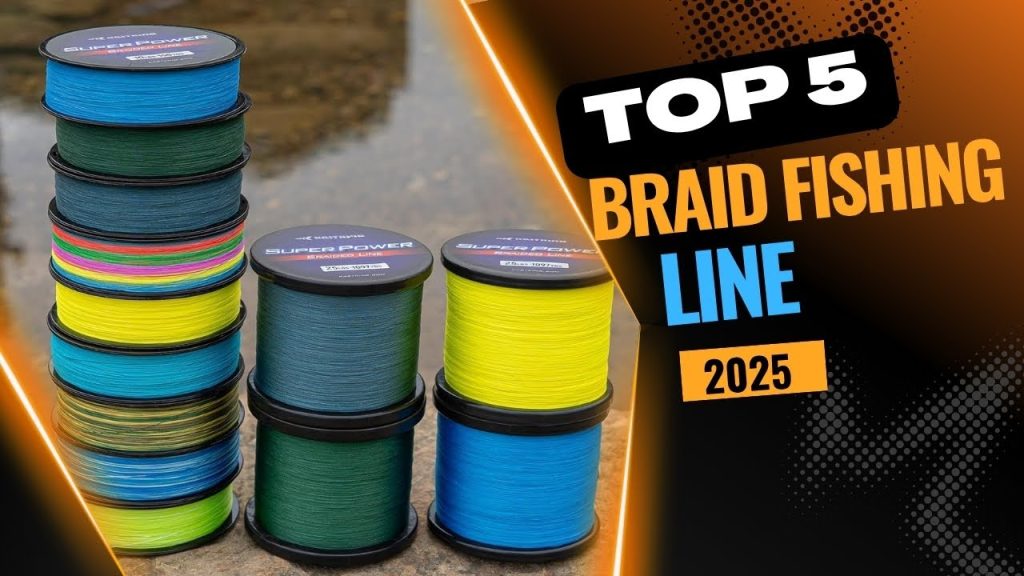
Choosing the best fishing line for saltwater can make or break your fishing experience. If you want to catch big, strong fish and avoid losing your gear, you need the right line that can handle tough conditions.
You might be wondering which type is strongest, most durable, or easiest to use. This guide will help you understand your options clearly and pick the perfect line for your saltwater adventures. Keep reading to make sure your next fishing trip is your best one yet.

Credit: reactiontackle.com
Key Features For Saltwater Lines
Choosing the right fishing line is important for saltwater fishing success. Saltwater conditions are tough on fishing lines. The line must stand up to strong fish and harsh environments.
Here are the key features that make a fishing line good for saltwater use. Understanding these will help you pick the best line for your needs.
Strength And Durability
Saltwater fish are often bigger and stronger than freshwater fish. The fishing line must have high strength to handle heavy loads. Durability is also key to avoid breaking during fights.
Strong lines resist stretching and snapping. Durable lines last longer and do not wear out quickly from salt and water exposure.
Abrasion Resistance
Abrasion resistance means the line can withstand rubbing against rocks, shells, and other underwater obstacles. Saltwater environments are rough, so lines need to resist cuts and fraying.
- Protects line from damage during fishing
- Prevents sudden breaks near sharp surfaces
- Improves line lifespan in rough waters
- Helps keep fish on the hook longer
Uv Protection
Sunlight can damage fishing lines over time. UV rays weaken the line fibers and reduce strength. Lines with UV protection last longer and stay stronger under the sun.
| Feature | Benefit |
| UV Resistant Coating | Blocks harmful sun rays |
| Longer Line Life | Less frequent replacement needed |
| Maintains Strength | Ensures reliable performance |
Visibility In Water
Fishing line visibility affects how fish see the line. Clear or low-visibility lines help avoid spooking fish. Bright lines help anglers see their line above water.
Types of visibility:
- Low-Visibility Lines:Blend with water for stealth.
- High-Visibility Lines:Easy to track for anglers.
Types Of Fishing Lines
Choosing the right fishing line is key for saltwater fishing. Different lines offer unique benefits.
Understanding types of fishing lines helps you pick the best one for your needs.
Monofilament Lines
Monofilament lines are made from a single strand of nylon. They are flexible and easy to handle.
These lines have good stretch, which helps absorb shocks from big fish. They float on water and are affordable.
- Good stretch for shock absorption
- Floats on water surface
- Easy to knot and handle
- Less visible in water
- Affordable and widely available
Braided Lines
Braided lines are made by weaving many fibers together. They are very strong and thin.
These lines have little stretch, giving better sensitivity. They sink quickly and last long in saltwater.
- High strength with thin diameter
- Very low stretch for sensitivity
- Durable in tough saltwater
- Sinks faster than monofilament
- More visible in clear water
Fluorocarbon Lines
Fluorocarbon lines are made from a special polymer. They are nearly invisible underwater.
These lines sink and resist abrasion well. They are good for clear water and sharp rocks.
- Almost invisible in water
- Sinks faster than monofilament
- High resistance to abrasion
- Low stretch for better hook sets
- More expensive than other lines
Top Monofilament Lines
Fishing in saltwater needs strong, reliable lines. Monofilament lines are popular for their durability and ease of use.
Let’s explore the best options available for different needs and budgets.
Best Overall Monofilament
The best overall monofilament line offers strength and flexibility. Anglers prefer it for its versatility in saltwater.
This line is easy to knot and cast. It also provides a smooth fishing experience.
- Strong and durable
- Resistant to abrasion
- Great for various saltwater species
Budget-friendly Options
Fishing can get expensive. Budget-friendly monofilament lines help keep costs down without sacrificing quality.
These lines are affordable and still offer good strength. They are perfect for beginners.
- Cost-effective
- Reliable for casual fishing
- Available in various sizes
High-performance Choices
High-performance monofilament lines are for serious anglers. They provide superior casting and sensitivity.
These lines are designed for challenging conditions. They handle large fish and rough waters.
| Feature | Benefit |
| High tensile strength | Handles big catches |
| Low stretch | Increases sensitivity |

Credit: www.youtube.com
Leading Braided Lines
Choosing the best fishing line is key for saltwater fishing success. Braided lines are popular for their strength and durability.
They offer good sensitivity and can handle rough conditions in saltwater environments.
Strongest Braided Lines
Strong braided lines resist breaking under heavy pressure. They help catch big fish without snapping.
The strength comes from tightly woven fibers that hold up well in tough saltwater fights.
- High tensile strength for heavy fish
- Durable against abrasion and rough surfaces
- Thin diameter with high strength ratio
Smooth Casting Lines
Smooth casting braided lines reduce friction through the rod guides. This helps longer and more accurate casts.
Lines with a slick coating glide easily. They improve casting distance and reduce line twists.
- Low friction for better casting
- Coated braids enhance smoothness
- Less line memory and tangles
Saltwater Resistant Braids
Saltwater resistant braided lines do not degrade from salt or sun exposure. They last longer on the water.
Special materials and coatings protect against corrosion and wear in harsh saltwater conditions.
- Resist salt buildup and UV damage
- Maintain strength after repeated use
- Stay flexible in hot and wet conditions
Best Fluorocarbon Lines
Fluorocarbon fishing lines are popular for saltwater fishing. They offer many benefits over other types of lines.
This type of line is known for its strength, sensitivity, and low visibility in water. These features make it a good choice for saltwater anglers.
Low Visibility Lines
Fluorocarbon lines are nearly invisible underwater because their refractive index is close to water. This helps avoid spooking fish in clear saltwater.
- Less visible to fish than monofilament or braided lines
- Works well in clear and shallow waters
- Improves catch rates by avoiding detection
High Abrasion Resistance
Saltwater environments can be rough on fishing lines. Fluorocarbon has strong resistance to abrasion from rocks, coral, and fish teeth.
| Fluorocarbon Line Feature | Abrasion Resistance Level |
| Standard Monofilament | Medium |
| Braided Line | Low |
| Fluorocarbon Line | High |
Sensitivity And Strength
Fluorocarbon lines transmit vibrations better than other lines. This lets anglers feel bites and structure better in saltwater.
- Higher tensile strength for heavy fish
- Good knot strength to avoid line breaks
- Responsive feel to detect subtle bites
Choosing The Right Line For Your Needs
Picking the best fishing line for saltwater can be tricky. The right line depends on your fishing style and conditions.
Different lines work better for different fish and water types. Consider your needs before buying.
Target Species Considerations
The size and strength of the fish affect your choice of line. Bigger fish need stronger lines to avoid breaking.
Some fish have sharp teeth that can cut weak lines. Choose a line that can resist bites and fights.
- Light lines for small fish like snapper
- Medium strength for fish like redfish or trout
- Heavy-duty lines for big fish like tuna or shark
Fishing Environment Factors
Saltwater conditions affect your fishing line choice. Rough water and sharp rocks need tougher lines.
Clear water may require less visible lines. Murky water lets you use thicker lines without scaring fish.
- Use abrasion-resistant lines near reefs or rocks
- Choose low-visibility lines in clear water
- Pick lines that float or sink depending on your fishing depth
Budget And Longevity
Fishing lines come in a range of prices. Higher cost lines often last longer and perform better.
Consider how often you fish. Buying a durable line saves money over time, but cheaper lines are fine for occasional use.
- Invest in quality lines for frequent fishing
- Cheaper lines work for occasional trips
- Check line strength and resistance before buying
Maintaining Saltwater Fishing Lines
Saltwater fishing lines face harsh conditions like salt, sun, and rough fish. Proper care helps your line last longer and stay strong.
Regular maintenance keeps your line ready for every fishing trip. It also prevents damage that can cause line breaks.
Cleaning And Care Tips
After each saltwater fishing trip, rinse your line with fresh water. This removes salt and dirt that can weaken the line.
Use a soft cloth to dry the line before storing it. Avoid harsh chemicals or soaps that may harm the line’s material.
- Rinse line gently with fresh water
- Dry line completely with a soft cloth
- Avoid using strong detergents or solvents
- Check for frays or damage during cleaning
Storage Recommendations
Store your fishing line in a cool, dry place away from sunlight. Heat and UV rays can weaken the line over time.
Keep the line on its spool to prevent tangles and kinks. Use a line holder or container to protect it from dust and pests.
- Keep line out of direct sunlight
- Store in a cool, dry area
- Keep line on spool or in a container
- Protect line from pests and dust
When To Replace Your Line
Replace your saltwater fishing line if you see cuts, frays, or weak spots. These can cause the line to break easily.
Also change your line if it feels stiff or has lost strength. Old line loses its ability to hold heavy fish safely.
- Check for visible damage regularly
- Replace if the line is stiff or brittle
- Change line after heavy use or big catches
- Follow manufacturer’s recommendations for lifespan

Credit: fishingbooker.com
Frequently Asked Questions
What Type Of Fishing Line Works Best In Saltwater?
Braided lines are preferred for saltwater due to strength and durability. They resist abrasion and handle heavy fish well. Monofilament offers stretch, useful for shock absorption. Fluorocarbon is nearly invisible underwater, ideal for clear water fishing.
How Does Saltwater Affect Fishing Line Performance?
Saltwater can degrade line strength and flexibility over time. It causes abrasion and corrosion, especially on monofilament and fluorocarbon lines. Rinsing lines with fresh water after use prolongs their life and maintains performance.
Should I Use Heavier Line For Saltwater Fishing?
Yes, heavier lines are recommended to handle stronger saltwater fish. They provide better abrasion resistance and reduce breakage risk. Choose line strength based on targeted fish species and fishing conditions.
Is Fluorocarbon Better Than Braided For Saltwater?
Fluorocarbon is less visible and resists UV damage, ideal for clear water. Braided line offers superior strength and sensitivity, perfect for heavy cover and big fish. Combining both lines often yields the best results.
Conclusion
Choosing the best fishing line for saltwater depends on your needs. Consider strength, durability, and resistance to salt. Different lines work well for different fish and conditions. Braided lines offer strength, while fluorocarbon is less visible underwater. Monofilament is stretchy and easy to handle.
Test what suits your style and fishing spot. Good gear makes fishing more fun and successful. Keep these tips in mind for your next saltwater trip.