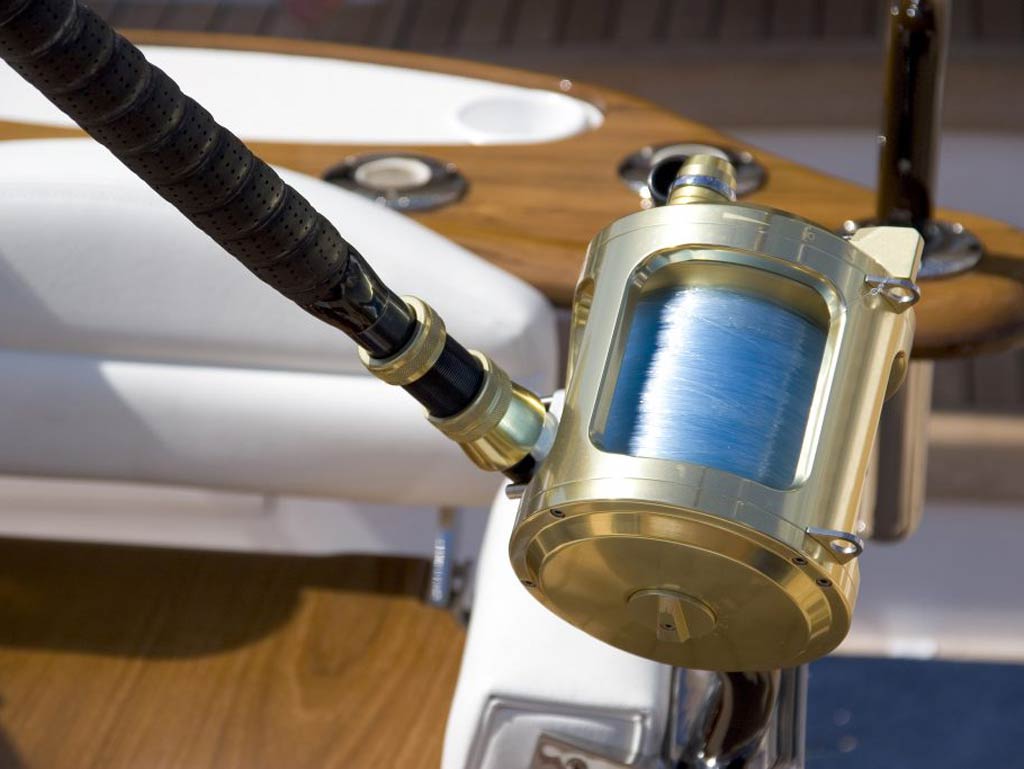
Choosing the best fishing line for saltwater can make all the difference in your fishing success. You want a line that’s strong, durable, and can handle the tough conditions of the ocean.
But with so many options out there, how do you know which one is right for you? You’ll discover exactly what to look for in a saltwater fishing line. By the end, you’ll feel confident picking the perfect line that matches your needs and helps you catch more fish.
Keep reading to unlock the secret to better saltwater fishing!
Types Of Saltwater Fishing Lines
Choosing the right fishing line is important for saltwater fishing. Saltwater conditions need strong, durable lines. Different types of lines work best for different fishing styles.
Understanding the types of saltwater fishing lines helps you pick the best one. Each line type has unique features for saltwater use.
Monofilament Lines
Monofilament lines are made from a single strand of nylon. They are popular because they stretch, which helps absorb shocks from fish.
These lines float well and are easy to handle. They also resist abrasion from saltwater and rough surfaces, making them a good choice for beginners.
- Good stretch reduces fish breaks
- Floats on water surface
- Resists saltwater damage
- Easy to knot and use
Braided Lines
Braided lines have many thin fibers woven together. This makes them very strong and thin compared to their strength.
They do not stretch much, giving better control when fighting fish. Braided lines are good for deep water and heavy cover fishing.
- High strength with thin diameter
- Low stretch for better sensitivity
- Good for heavy cover and deep water
- Can be visible in clear water
Fluorocarbon Lines
Fluorocarbon lines are made from a special plastic that sinks quickly. They are almost invisible underwater, which helps catch wary fish.
These lines resist abrasion well and do not absorb water. Fluorocarbon is good for clear water and fishing near rocks or reefs.
- Nearly invisible underwater
- Sinks faster than other lines
- High abrasion resistance
- Does not absorb water

Credit: reactiontackle.com
Key Features To Consider
Choosing the best fishing line for saltwater is important. Saltwater fishing needs strong and durable line.
Look at features like strength, stretch, and visibility. These help you catch more fish and last longer.
Strength And Durability
Saltwater fish are often bigger and stronger. You need a fishing line that can hold heavy weight without breaking.
Durability means the line should resist wear over time. It must handle rough conditions in the ocean.
Abrasion Resistance
Abrasion resistance helps the line survive rubbing against rocks, coral, or fish teeth. This is very common in saltwater fishing.
Lines with good abrasion resistance last longer and reduce the chance of sudden breaks.
- Look for lines made with tough materials
- Check if the line has a smooth coating
- Braided lines often have strong abrasion resistance
Stretch And Sensitivity
Stretch in the line can absorb shock from big fish. But too much stretch lowers sensitivity.
Sensitivity helps you feel bites and movements under water. Choose a line with balanced stretch and sensitivity.
- Monofilament lines stretch more but offer shock absorption
- Fluorocarbon lines have less stretch and more sensitivity
- Braided lines have very low stretch and high sensitivity
Visibility In Water
Visibility affects how well fish see the line. Clear or low-visibility lines reduce spooking fish.
Choose a line color that matches water conditions to improve your chances of a catch.
- Clear lines work well in clear water
- Green or blue lines blend in with ocean colors
- High visibility lines help you track your line above water
Top Saltwater Fishing Lines Reviewed
Choosing the right fishing line is key for saltwater fishing success. Saltwater conditions can be tough on gear. Strong, durable lines help catch big fish and resist damage.
This guide looks at the best saltwater fishing lines. It covers monofilament, braided, and fluorocarbon types. Each type fits different fishing needs and styles.
Best Monofilament Line
Monofilament is a popular choice for saltwater fishing. It is flexible and easy to handle. This line stretches well, which helps absorb shock from fish strikes. It also floats on water, making it good for topwater fishing.
- Good abrasion resistance
- Stretches to reduce line breaks
- Easy to knot and cast
- Less visible under water compared to braided lines
Best Braided Line
Braided lines are strong and thin. They have little stretch, giving you better control. Braided line is great for deep water or heavy cover fishing. It lasts longer and resists abrasion well.
| Feature | Benefit |
| High strength | Catch bigger fish easily |
| Thin diameter | More line on the spool |
| Low stretch | Better sensitivity |
| Durable | Longer use in rough conditions |
Best Fluorocarbon Line
Fluorocarbon line is nearly invisible underwater. It sinks faster than other lines, making it good for deep water fishing. This line resists sun damage and abrasion well. It is stiffer and less stretchy than monofilament.
- Nearly invisible in water
- High abrasion resistance
- Sinks quickly for deep fishing
- Resists UV damage
Credit: www.saltwaterexperience.com
Choosing The Right Line For Different Fish
Choosing the best fishing line for saltwater depends on the fish you want to catch. Different fish require different line strengths and types. Using the right line improves your chances of landing the fish.
Saltwater fishing lines come in various strengths. Light lines work well for small fish. Medium lines suit medium-sized fish. Heavy lines are best for big game fish. Let’s look at each in detail.
Light Lines For Panfish And Trout
Light lines usually have a strength of 2 to 6 pounds. They are thin and flexible, which helps with delicate bites. Light lines let you feel small tugs from panfish and trout easily.
- Use monofilament or fluorocarbon for clear water.
- Light lines reduce visibility to cautious fish.
- Ideal for fishing in calm bays and streams.
- Light lines are easy to cast and handle.
Medium Lines For Redfish And Snook
Medium lines range from 8 to 15 pounds. They balance strength and flexibility. Medium lines can handle stronger fish like redfish and snook without breaking.
| Fish | Line Strength | Line Type |
| Redfish | 10-15 lbs | Braided or Fluorocarbon |
| Snook | 12-15 lbs | Fluorocarbon |
Braided line offers extra strength and sensitivity. Fluorocarbon is less visible underwater and resists abrasion.
Heavy Lines For Big Game Fish
Heavy lines are 20 pounds or more. They are thick and very strong. Big game fish like sharks and tarpon need heavy lines to handle their power.
- Heavy braided lines give high strength and low stretch.
- Use heavy fluorocarbon leaders to resist sharp teeth.
- Heavy lines work well in rough ocean conditions.
- They help control large fish during long fights.
Maintenance Tips To Extend Line Life
Saltwater fishing lines face harsh conditions. Proper care helps keep them strong and lasting longer. Simple maintenance steps protect your investment and improve performance.
Focus on cleaning, storing, and timely replacement. These tips will help your fishing line stay reliable and safe for many trips.
Cleaning After Use
Salt and dirt can weaken your fishing line. Rinse your line with fresh water after every saltwater trip. Use gentle running water to remove salt deposits and grime.
- Use a soft cloth or sponge to wipe the line gently.
- Avoid harsh chemicals that can damage the line fibers.
- Let the line dry completely before storage to prevent mold.
Storage Best Practices
Proper storage keeps your fishing line from weakening or tangling. Store your line in a cool, dry place away from direct sunlight.
| Storage Tip | Reason |
| Avoid heat and sunlight | Prevents line from losing strength |
| Keep line on spool | Reduces tangles and knots |
| Use airtight containers | Keeps moisture and dust out |
| Store away from chemicals | Prevents line damage |
Replacing Old Line
Old fishing line becomes brittle and weak. Replace your line regularly to avoid breakage during fishing. Watch for signs like discoloration, frays, or stiffness.
- Check your line for damage before every trip.
- Replace the line if it shows wear or has been used for several seasons.
- Choose a new line suitable for saltwater conditions and your fishing style.

Credit: www.youtube.com
Frequently Asked Questions
What Type Of Fishing Line Is Best For Saltwater?
Braided lines are best for saltwater due to their strength and durability. They resist abrasion and handle heavy fish well. Monofilament lines offer good stretch and are easier to handle, but degrade faster in saltwater.
How Does Saltwater Affect Fishing Lines?
Saltwater causes fishing lines to weaken and degrade faster. It promotes abrasion and UV damage, reducing line strength. Rinsing lines with fresh water after use helps prolong their lifespan.
What Strength Fishing Line Is Ideal For Saltwater?
A 20 to 50-pound test line is ideal for most saltwater fishing. Choose strength based on targeted fish species. Heavier lines offer better resistance against large, powerful saltwater fish.
Should I Use Fluorocarbon For Saltwater Fishing?
Fluorocarbon is excellent for saltwater due to its invisibility underwater. It resists abrasion and offers good sensitivity. However, it is less stretchy and can be more brittle than other lines.
Conclusion
Choosing the right saltwater fishing line is essential. It can impact your success. Consider factors like strength and durability. Different lines suit different fishing needs. Monofilament, braided, or fluorocarbon? Each type has unique benefits. Match the line to your fishing style.
Also, consider the species you target. Saltwater conditions demand tough lines. Don’t overlook line diameter and stretch. These affect performance. Test lines before heading out. Quality lines improve your catch chances. Stay informed on line advancements. Equip yourself with the best line.
Enjoy your saltwater fishing adventures. Happy fishing!