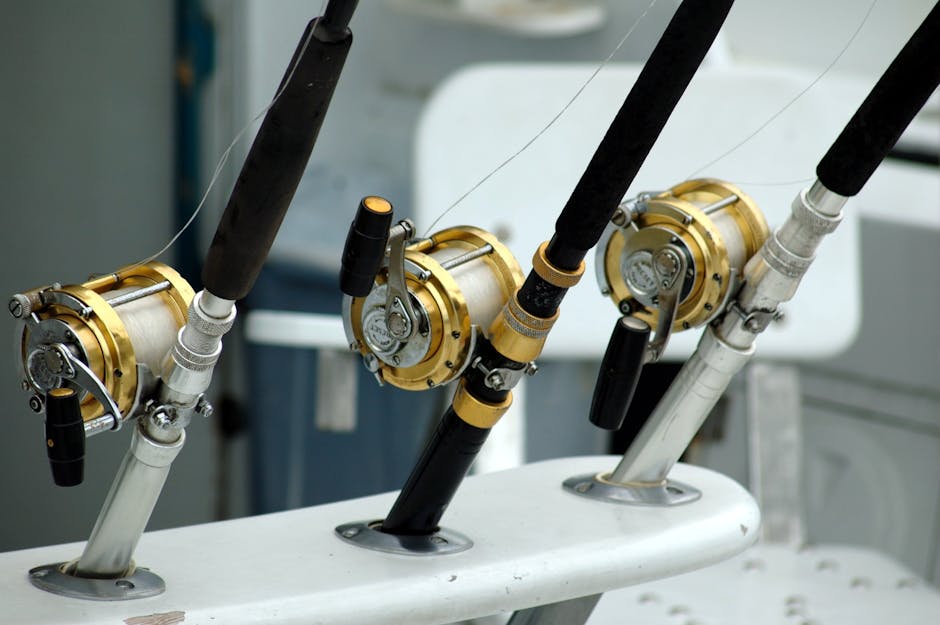
Choosing the best fishing line for your spinning reel can make all the difference between a frustrating day on the water and an unforgettable catch. You want a line that feels strong, casts smoothly, and stays invisible to fish.
But with so many options out there, how do you know which one is right for you? This guide will help you cut through the confusion and find the perfect fishing line that matches your style and needs. Keep reading, and you’ll soon be ready to reel in your biggest catch yet.
Types Of Fishing Lines
Choosing the right fishing line is important for spinning reels. Different types of lines work best in different situations. Understanding their features helps you pick the best one.
Fishing lines vary in strength, stretch, and visibility. These factors affect your fishing experience and success.
Monofilament Lines
Monofilament lines are made from a single strand of nylon. They are soft and stretch easily. This makes them good for beginners because they are forgiving and easy to handle.
These lines float on water and are less visible in clear water. They also come in many colors and sizes to match different fishing needs.
- Good stretch helps absorb fish strikes
- Easy to knot and tie
- Affordable and widely available
- Can wear out faster in sun and water
Braided Lines
Braided lines are made from several thin fibers woven together. They are very strong and thin compared to other lines. This lets you use more line on your reel.
Braided lines have little stretch, so you feel every bite clearly. They are best for fishing in thick cover or deep water.
- High strength with small diameter
- Very sensitive, low stretch
- Does not stretch, so needs good knots
- Visible in clear water without a leader
Fluorocarbon Lines
Fluorocarbon lines are made from a special plastic that sinks. They are nearly invisible underwater. This helps avoid spooking fish in clear water.
These lines are strong and resist abrasion well. They have low stretch but are more stiff than monofilament.
- Almost invisible underwater
- Good abrasion resistance
- Sinks faster than monofilament
- Less stretch than monofilament

Credit: www.reddit.com
Key Features To Consider
Choosing the best fishing line for spinning reels is important for a successful fishing trip. Knowing what features to look for helps you make the right choice.
Here are key features to consider when selecting a fishing line for spinning reels. Each feature plays a role in your fishing experience.
Strength And Durability
Strong and durable fishing lines withstand the pressure of big catches. They are less likely to break, giving you confidence when reeling in fish.
- Monofilament lines offer flexibility but may weaken over time.
- Braided lines provide high strength and last longer.
- Fluorocarbon lines are nearly invisible and resist wear.
Stretch And Sensitivity
Stretch and sensitivity affect how well you feel the fish bite. Less stretch means more sensitivity and better hook setting.
| Line Type | Stretch Level |
| Monofilament | High |
| Braided | Low |
| Fluorocarbon | Low |
Visibility In Water
Visibility in water can scare fish away. Choosing the right color and material helps keep your line hidden from fish.
Abrasion Resistance
Abrasion resistance protects the line from rough surfaces like rocks and debris. It is crucial for fishing in challenging environments.
Best Lines For Different Conditions
Choosing the right fishing line helps you catch more fish. Different water and fishing spots need different lines.
Understanding which line fits your fishing condition improves your experience. It also protects your gear and helps with casting.
Freshwater Fishing
Monofilament lines work well for freshwater. They are stretchy and easy to handle. Fluorocarbon lines also work great because they are less visible underwater.
Use lighter test lines for small fish. Stronger lines suit bigger fish like bass or pike.
- Monofilament: Good for beginners and general use
- Fluorocarbon: Hard to see in water, better for clear lakes
- Braid: Strong and thin, good for heavy cover
Saltwater Fishing
Saltwater fishing needs strong and tough lines. Braided lines are popular because they resist salt and last long. Fluorocarbon lines work well for clear saltwater.
Look for lines that resist abrasion and salt damage. Use heavier test lines to handle bigger fish and strong currents.
- Braid: High strength, good for heavy fish
- Fluorocarbon: Low visibility, good for clear water
- Monofilament: Stretchy, good for shock absorption
Heavy Cover And Structure
Fishing near weeds, rocks, or logs needs strong and abrasion-resistant lines. Braided lines are best because they cut through cover well and do not break easily.
Use heavier test lines to avoid break-offs. Fluorocarbon can be used as a leader for less visibility near structure.
- Braid: Best for toughness and sensitivity
- Heavy test lines reduce breakage
- Fluorocarbon leader hides the line near fish
Clear Water Situations
Clear water makes fish see the line easily. Use thin, low-visibility lines to avoid spooking fish. Fluorocarbon is perfect because it blends with water well.
Use lighter test lines to keep the line less visible. Avoid thick braid or bright colors in clear water.
- Fluorocarbon: Low visibility, blends with water
- Light test lines reduce line sight
- Avoid bright or thick braided lines
Top Brands And Models In 2025
Choosing the right fishing line for spinning reels makes a big difference. Different types suit different fishing needs. This guide covers top brands and models for 2025.
We look at monofilament, braided, and fluorocarbon lines. Each has unique features. Find the best options to improve your fishing experience.
Monofilament Picks
Monofilament lines are popular for their stretch and ease of use. They work well for beginners and general fishing. These lines are soft and float on water.
Top monofilament brands in 2025 include Berkley, Stren, and P-Line. Their models offer good strength and smooth casting on spinning reels.
- Berkley Trilene XL: Known for smooth casting and durability
- Stren Original: Offers good knot strength and abrasion resistance
- P-Line CXX: Has high tensile strength and low memory
Braided Line Favorites
Braided lines are strong and thin. They have almost no stretch. Anglers use them for heavy cover fishing and long casts.
In 2025, popular braided lines come from brands like PowerPro, SpiderWire, and Sufix. They offer great strength and smooth performance.
- PowerPro Spectra: Strong with excellent sensitivity
- SpiderWire Stealth: Smooth casting with high abrasion resistance
- Sufix 832: Durable and flexible for tough fishing spots
Fluorocarbon Recommendations
Fluorocarbon lines are nearly invisible underwater. They sink faster than other types. Many anglers use them as leaders or main line for clear water.
Top fluorocarbon lines in 2025 come from Seaguar, Sunline, and P-Line. These models offer low visibility and good abrasion resistance.
- Seaguar InvizX: Clear and strong with low memory
- Sunline Super FC Sniper: Fast sinking and sensitive
- P-Line Tactical Fluoro: Abrasion resistant and nearly invisible
Line Maintenance And Handling Tips
Taking good care of your fishing line helps it last longer. Proper handling keeps it strong and ready for your next catch.
Learn simple tips to spool, store, and replace your fishing line correctly. These tips protect your line and improve your fishing experience.
Proper Spooling Techniques
Spooling your line the right way prevents tangles and line twists. Keep steady tension on the line as you spool it onto the reel.
- Attach the line firmly to the spool.
- Keep the line tight to avoid loose coils.
- Wind the line evenly across the spool.
- Check for twists and correct them immediately.
Storage And Care
Store your fishing line in a cool, dark place to avoid damage from sunlight and heat. Dirt and moisture can weaken the line over time.
| Storage Tip | Why It Matters |
| Keep away from direct sunlight | UV rays break down line fibers |
| Store in a dry area | Moisture can cause line to degrade |
| Avoid extreme temperatures | Heat and cold affect line strength |
| Use a sealed container | Keeps out dust and dirt |
Replacing Old Line
Old fishing line loses strength and can break easily. Replace your line regularly to avoid losing fish and gear.
- Check your line for nicks, frays, or discoloration.
- Remove old line completely before adding new line.
- Match the new line to your reel and fishing style.
- Dispose of old line safely to protect wildlife.

Credit: fishingbooker.com
Matching Line With Rod And Reel
Choosing the best fishing line for spinning reels depends on matching it with your rod and reel. This match helps you fish better and avoid problems.
Picking the right line weight and reel capacity keeps your setup balanced and strong. It makes casting easier and improves your catch rate.
Line Weight And Rod Power
Line weight must match the rod power for best performance. Rod power means how strong your rod is and what fish size it targets.
A light rod works well with light line weight. Heavy rods need heavier lines to handle big fish and strong pulls.
- Light rods: use 2-6 lb line weight
- Medium rods: use 6-12 lb line weight
- Heavy rods: use 12-20+ lb line weight
Reel Capacity And Line Choice
Your spinning reel has a limit on how much line it can hold. Choose a line that fits this capacity to avoid problems.
Too thick a line means less length on the reel. Too thin a line might break easily. Check your reel’s capacity before buying line.
- Match line diameter to reel spool size
- Use recommended line length for your fishing needs
- Consider the type of line: monofilament, fluorocarbon, or braided
Common Mistakes To Avoid
Choosing the right fishing line is key for spinning reels. Many anglers make simple mistakes that hurt their fishing experience.
Knowing what to avoid helps you pick the best line for your needs and catch more fish.
Using Wrong Line For Target Species
Different fish need different line strengths and types. Using the wrong line can cause lost fish or broken gear.
Light lines are good for small fish but break easily on big fish. Heavy lines handle big fish but scare small fish.
- Match line strength to the fish size you want to catch
- Use monofilament for small to medium fish
- Consider braided line for heavy fish and thick cover
Ignoring Weather And Water Conditions
Weather and water affect how your line behaves. Ignoring these conditions can cause poor casts and lost fish.
Cold water makes some lines stiff. Wind can tangle thin lines. Clear water needs less visible lines.
- Use lighter, clear lines in clear water
- Choose lines that stay flexible in cold weather
- Pick strong lines to handle windy conditions
Overlooking Line Maintenance
Old or damaged line reduces fishing success. Many anglers forget to check and replace their line regularly.
Sunlight, salt, and rough surfaces weaken lines. Proper care keeps your line strong and ready.
- Check your line for nicks and frays before fishing
- Replace your line after several uses or if damaged
- Rinse line with fresh water after saltwater fishing

Credit: fishgenix.com
Frequently Asked Questions
What Type Of Fishing Line Works Best For Spinning Reels?
Monofilament and braided lines are ideal for spinning reels. Monofilament offers stretch and ease, while braided lines provide strength and sensitivity. Choose based on your fishing conditions and target species for optimal performance.
How Does Line Strength Affect Spinning Reel Performance?
Line strength impacts casting distance, control, and fish handling. Using the right pound test prevents line breaks and enhances reel efficiency. Match line strength to your rod and target fish for the best results.
Is Fluorocarbon Line Good For Spinning Reels?
Yes, fluorocarbon is excellent for spinning reels. It is nearly invisible underwater, offers abrasion resistance, and sinks faster. This makes it suitable for clear water and finesse fishing techniques.
Can I Use Braided Line On Spinning Reels?
Absolutely, braided line works well on spinning reels. It has high strength and low stretch, improving sensitivity. Use a fluorocarbon leader with it for better abrasion resistance and invisibility.
Conclusion
Choosing the right fishing line helps improve your spinning reel’s performance. Consider line strength, stretch, and visibility in water. Monofilament suits beginners with its ease and stretch. Fluorocarbon offers low visibility and good sensitivity. Braided line provides high strength and durability.
Match the line to your fishing style and target fish. Test different lines to find what feels best. A good line makes fishing more fun and effective. Keep these tips in mind for better catches next time.