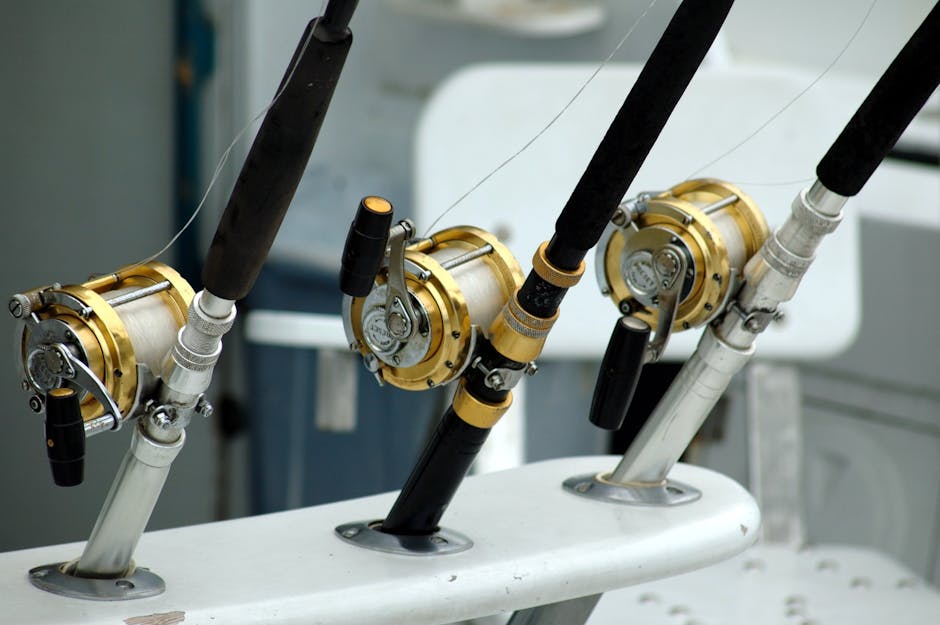
Choosing the best fishing line for your spinning reel can make all the difference between a great catch and a frustrating day on the water. You want a line that’s strong, smooth, and reliable—one that matches your style and the fish you’re after.
But with so many options out there, how do you know which one will work best for you? In this guide, you’ll discover the key factors to consider and the top picks that can boost your fishing game right away.
Keep reading, and you’ll soon feel confident about your next fishing line choice.
Types Of Fishing Lines
Choosing the right fishing line is important for spinning reels. Different lines have different strengths and uses.
Understanding the types of fishing lines helps you pick the best one for your fishing style and conditions.
Monofilament Lines
Monofilament lines are made from a single strand of nylon. They are soft, stretchable, and easy to handle.
These lines float on water and work well for beginners. They are good for many types of fishing.
- Good stretch reduces line breakage
- Easy to knot and cast
- Visible in water, which can scare fish
- Can weaken over time with sun exposure
Braided Lines
Braided lines are made by weaving many strands of fiber. They are very strong and thin compared to their strength.
These lines have little stretch, giving better sensitivity. They sink in water and last longer than monofilament.
- High strength with small diameter
- Very sensitive to bites
- Can be visible in clear water
- May cause line twist if not used properly
Fluorocarbon Lines
Fluorocarbon lines are made from a special polymer. They are nearly invisible underwater because they bend light like water.
These lines are strong and resist abrasion well. They sink faster than monofilament and are good for clear water.
- Almost invisible in water
- Strong and abrasion-resistant
- Less stretch than monofilament
- Usually more expensive

Credit: fishgenix.com
Factors To Consider
Choosing the right fishing line for spinning reels is important. The line affects your fishing experience and success. Many factors influence which line suits your needs best.
Consider qualities like strength, stretch, and visibility. Also, think about how the line casts. These points help you pick a line that works well for your style.
Line Strength And Durability
Line strength is key for handling big fish. Durable lines resist wear from rocks and fish teeth. Strong lines lower the chance of breakage during a catch.
- Check the line’s pound test rating to match your target fish.
- Choose materials like braided or fluorocarbon for more durability.
- Consider abrasion resistance for fishing near rough surfaces.
Sensitivity And Stretch
Sensitivity helps you feel bites and underwater movements. Lines with low stretch transfer more vibration to your hand. High stretch can absorb shocks but lowers feel.
| Line Type | Stretch Level | Sensitivity |
| Monofilament | High | Low |
| Fluorocarbon | Medium | Medium |
| Braid | Low | High |
Visibility In Water
Fish can see the line underwater. Less visible lines increase catch chances. Line color and clarity affect how easy it is to see in different waters.
- Clear or light green lines work well in clear water.
- Dark lines suit murky or deep waters.
- Use bright lines if you need to see the line above water.
Casting Distance And Accuracy
Good casting distance lets you reach distant spots. Accuracy helps place your bait where fish hide. Line diameter and smoothness affect casting performance.
| Factor | Effect on Casting |
|---|---|
| Thin Diameter | Longer casts, better accuracy |
| Smooth Surface | Less friction, easier casting |
| Line Memory | High memory causes tangles, reduces accuracy |
Top Picks For Spinning Reels
Choosing the right fishing line for spinning reels matters a lot. It affects casting distance, control, and fish fighting power.
There are three main types of fishing lines: monofilament, braided, and fluorocarbon. Each type has its strengths and uses.
Best Monofilament Line
Monofilament line is popular for its stretch and softness. It is easy to handle and knots well. This line is good for beginners and general fishing.
- Good stretch absorbs shocks from fish
- Soft and flexible for smooth casting
- Usually cheaper than other lines
- Works well in warm water
- Visible in water, so use brightly colored lines
Best Braided Line
Braided line is strong and thin. It has no stretch, so it offers great sensitivity. This line is ideal for heavy cover fishing and long casts.
| Feature | Benefit |
| High strength | Handles big fish easily |
| Thin diameter | Longer casting distance |
| No stretch | Better hook setting |
| Durable | Lasts longer in rough conditions |
| Visible in water | Use with bright colors for tracking |
Best Fluorocarbon Line
Fluorocarbon line is nearly invisible in water. It sinks faster and resists abrasion well. This line is perfect for clear water and cautious fish.
Key advantages of fluorocarbon line:
- Low visibility underwater
- High resistance to wear and tear
- Sinks quickly for deep water fishing
- Maintains strength even when wet
Matching Line To Fishing Conditions
Choosing the right fishing line improves your chances of catching fish. Different water and fish need different line types.
Consider the environment and fish species before picking a line for your spinning reel.
Freshwater Vs Saltwater
Freshwater and saltwater fishing require different line features. Saltwater lines need more strength and corrosion resistance.
| Water Type | Line Type | Key Feature |
| Freshwater | Monofilament or Fluorocarbon | Good knot strength and low memory |
| Saltwater | Braided or Saltwater-rated Monofilament | High abrasion resistance and durability |
Target Species
Line strength depends on the fish you want to catch. Bigger fish need stronger lines to avoid breakage.
- Light lines for small fish like trout or panfish
- Medium lines for bass and walleye
- Heavy lines for large fish like pike or catfish
Water Clarity And Depth
Clear water needs less visible lines to avoid spooking fish. Deep water may require stronger lines to handle pressure.
- Fluorocarbon lines work well in clear water because they are less visible
- Braided lines have low stretch, good for deep water fishing
- Monofilament lines stretch more, helping absorb shock near the surface
Line Maintenance Tips
Taking care of your fishing line helps it last longer and work better. Proper maintenance avoids problems like breaks or tangles.
Simple habits keep your line strong and ready for your next fishing trip. Learn easy tips for storing, replacing, and protecting your line.
Storage And Handling
Store your fishing line in a cool, dry place away from sunlight. Heat and light can weaken the line over time.
Handle the line gently. Avoid pulling it too hard or letting it get tangled. Use a spool or line holder to keep it neat.
- Keep line away from direct sunlight
- Store in a cool, dry area
- Use a spool to prevent tangles
- Avoid sharp bends or knots
When To Replace Your Line
Replace your fishing line if it shows signs of wear. Old line can break easily and cause lost fish.
Look for discoloration, frays, or stiffness. These signs mean the line is weak and should be changed.
- Change line after several fishing trips
- Replace if you see cracks or frays
- Swap out line after catching large fish
- Use fresh line for important fishing days
Avoiding Line Damage
Protect your line from damage by avoiding rough surfaces. Dragging the line over rocks or sharp edges can cause cuts.
Check your reel guides and rod for any sharp spots. Smooth guides help prevent line abrasion and breakage.
- Keep line away from sharp objects
- Inspect reel guides before fishing
- Rinse line with fresh water after saltwater use
- Do not overload the reel with too much line

Credit: fishingbooker.com

Credit: www.reddit.com
Frequently Asked Questions
What Type Of Fishing Line Is Best For Spinning Reels?
Monofilament and fluorocarbon lines are ideal for spinning reels. They offer good flexibility and sensitivity, making casting easier and more accurate. Braided lines are also popular for strength but may require a leader for abrasion resistance.
How To Choose The Right Fishing Line Strength?
Select line strength based on the target fish species and fishing conditions. Light lines (4-8 lb) suit smaller fish, while heavier lines (10-20 lb) are better for larger species. Balance strength with reel capacity and casting distance.
Is Fluorocarbon Better Than Monofilament For Spinning Reels?
Fluorocarbon is more abrasion-resistant and less visible underwater. Monofilament is stretchier and easier to handle. Choose fluorocarbon for clear water and sensitivity, and monofilament for beginner-friendly use and budget.
Can Braided Lines Be Used On Spinning Reels?
Yes, braided lines are strong and have no stretch, enhancing sensitivity. They work well on spinning reels but may need a monofilament or fluorocarbon leader to reduce visibility and abrasion.
Conclusion
Choosing the best fishing line for spinning reels makes a big difference. Strong lines help catch more fish and avoid breaks. Consider line type, strength, and water conditions carefully. Monofilament offers stretch; braided lines give extra strength. Fluorocarbon works well in clear water.
Match your line to your fishing style and reel. Testing a few types can help find what suits you best. Good lines give better control and a more fun fishing trip. Keep it simple, and enjoy your time on the water.