
Are you tired of spending hours by the water with little to show for it? Choosing the best fishing lure can make all the difference between a slow day and a thrilling catch.
But with so many options out there, how do you know which one will work best for your favorite fishing spot and target fish? You’ll discover the secrets to picking the perfect lure that matches your needs and boosts your chances of success every time you cast your line.
Keep reading, because the right lure is waiting to transform your fishing experience.

Credit: fishingbooker.com
Types Of Fishing Lures
Fishing lures come in many types. Each type works best in different fishing situations.
Knowing the types helps you pick the right lure. This can improve your chances of catching fish.
Crankbaits
Crankbaits are hard lures that dive underwater. They mimic small fish swimming near the surface or deeper.
They have a plastic lip that controls how deep they go. You can find crankbaits in many shapes and colors.
- Use crankbaits to cover large areas quickly
- They work well in lakes and rivers
- Ideal for catching bass and walleye
Spinnerbaits
Spinnerbaits have one or more metal blades that spin. The blades flash and create vibrations in the water.
These lures attract fish by sight and sound. They work well in murky water or around weeds.
- Good for catching bass and pike
- Can be fished slowly or fast
- Blade shapes affect vibration and flash
Soft Plastics
Soft plastics are flexible lures made from rubber or silicone. They look and feel like real worms or small fish.
They come in many shapes and sizes. You can rig them on hooks in different ways to change their action.
- Great for slow fishing and finesse techniques
- Work well in clear water
- Popular for bass and panfish
Jigs
Jigs have a weighted head and a hook. Anglers often add soft plastic or feathers to the hook.
They sink fast and can be used near the bottom. Jigs imitate crawfish, insects, or injured baitfish.
- Use jigs for bottom fishing
- Effective for bass, walleye, and crappie
- Can be fished slowly with small movements
Topwater Lures
Topwater lures float on the surface. They create splashes, pops, or rattles that attract fish.
These lures are exciting because fish strike from below. Use them early in the morning or late in the evening.
- Include poppers, frogs, and walking baits
- Best for bass, pike, and musky
- Use with quick jerks or steady retrieves
Factors Influencing Lure Choice
Choosing the best fishing lure depends on several important factors. Understanding these helps you pick the right lure for your fishing trip.
Each factor affects how fish react to lures. Paying attention to these details can improve your chances of catching fish.
Target Fish Species
Different fish species prefer different types of lures. Knowing which fish you want to catch guides your lure selection.
Some fish like bright, flashy lures. Others prefer natural colors or slow-moving baits.
- Bass often go for plastic worms and crankbaits
- Trout like small spinners and flies
- Pike respond well to large, flashy lures
- Walleye prefer jigs and soft plastics
Water Conditions
Water clarity and temperature affect lure choice. Clear water calls for natural colors. Murky water needs bright or dark lures.
Warm water can make fish more active. Cold water often means slower fish that need slower lures.
- Clear water: use translucent or natural-colored lures
- Murky water: use bright or contrasting colors
- Warm water: try fast-moving lures
- Cold water: use slow and subtle presentations
Weather And Light
Sunlight and weather change fish behavior. Bright sunny days need subtle lures. Cloudy or rainy days call for bright or flashy lures.
Fish may feed more at dawn and dusk. Use lures that create vibration or sound during low light.
- Sunny days: use natural colors and less flashy lures
- Cloudy or rainy: use bright or reflective lures
- Dawn and dusk: try lures with vibration or noise
- Windy days: use heavier lures for better casting
Fishing Depth
Fish live at different depths. Choose a lure that reaches the right level in the water.
Surface lures work for top-feeding fish. Deep-diving lures target fish near the bottom.
- Topwater lures: for fish near the surface
- Shallow diving lures: for fish in mid-depths
- Deep diving lures: for bottom-dwelling fish
- Weighted lures: help reach deeper water quickly
Top Fishing Lure Brands
Fishing lures are essential for catching fish. They mimic prey and attract fish to your line. Choosing the right brand can make a big difference in your fishing success.
Here are some of the top fishing lure brands that anglers trust. Each brand offers unique features and quality that cater to different fishing needs.
Rapala
Rapala is known for its high-quality lures. They offer a variety of designs that mimic real fish movements. Their lures are popular among both beginners and experienced anglers.
Rapala lures are versatile and can be used in different water conditions. They are durable and come in many sizes to target various fish species.
Strike King
Strike King offers a wide range of lures for freshwater fishing. They are famous for their innovative designs and vibrant colors. These lures are effective for catching bass.
Anglers like Strike King lures because they are affordable and reliable. Their lures come in different styles, such as crankbaits and spinnerbaits.
Berkley
Berkley is a trusted name in the fishing world. Their lures are designed using scientific research to attract more fish. Berkley offers soft baits that are very realistic.
Berkley lures are great for both saltwater and freshwater fishing. They use unique scents and flavors to lure fish in quickly.
Megabass
Megabass lures are known for their precision and craftsmanship. They are designed in Japan and are popular for their detailed features. These lures often have a higher price point.
Megabass offers a variety of lures that are suitable for different types of fishing. Their lures are particularly effective for targeting big fish.
Zoom
Zoom is well-known for its soft plastic lures. They offer a wide selection of colors and sizes. Zoom lures are popular for bass fishing due to their flexibility and durability.
Zoom lures are easy to use and affordable. They are a great choice for anglers who want to try different techniques.
Best Lures For Freshwater Fishing
Fishing lures help attract fish by imitating their natural food. Choosing the right lure can make fishing easier and more fun.
Freshwater fishing has many fish species. Each species prefers different lures. This guide covers the best lures for bass, trout, and panfish.
Bass Lures
Bass are strong fish that like big, active lures. They react well to lures that move and make noise in the water.
Popular bass lures include crankbaits, spinnerbaits, and soft plastic worms. These lures mimic small fish and insects bass eat.
- Crankbaits dive deep and create vibrations
- Spinnerbaits flash light and spin to attract bass
- Soft plastic worms look natural and move with water
Trout Lures
Trout prefer smaller, subtle lures. They are often found in clear, cold water. Trout lures should look like insects or small fish.
Good trout lures include spoons, small spinners, and flies. These lures reflect light and move gently to catch trout attention.
- Spoons flutter and flash to mimic injured fish
- Small spinners spin fast to imitate tiny prey
- Flies imitate insects on or below water surface
Panfish Lures
Panfish are smaller fish like bluegill and crappie. They like bright colors and small lures that look like bugs or tiny baitfish.
Jigs, small soft plastics, and tiny spoons work well for panfish. These lures are easy for panfish to bite and attract their curiosity.
- Jigs with soft tails move naturally in water
- Small soft plastics come in many colors and shapes
- Tiny spoons shine and flutter to attract panfish
Best Lures For Saltwater Fishing
Choosing the right lure can improve your saltwater fishing experience. Different types of fishing require different lures to attract fish.
This guide covers the best lures for inshore, offshore, and surf fishing. Each section highlights lures suited to those environments.
Inshore Lures
Inshore fishing targets fish near shorelines and shallow waters. Lures for this type are usually smaller and designed to mimic baitfish or crustaceans.
- Soft plastic shrimp or crab imitations
- Topwater plugs that create surface disturbance
- Jigs with natural colors for bottom species
- Spinnerbaits to attract predatory fish
Offshore Lures
Offshore fishing takes place in deep waters. Lures must be strong and built to handle large fish and strong currents.
| Lure Type | Use | Target Species |
| Trolling plugs | Dragged behind boat | Tuna, Mahi-Mahi |
| Metal jigs | Dropped deep and jigged | Amberjack, Grouper |
| Large soft plastics | Slow retrieve near structure | Snapper, Kingfish |
Surf Fishing Lures
Surf fishing targets fish from the shore. Lures must cast far and handle waves and sandy conditions.
- Heavy metal spoons for long casts
- Soft plastics that imitate sand fleas
- Topwater plugs that splash and pop
- Diamond jigs for quick retrieval

Credit: www.lurenet.com
Tips For Matching Lures To Conditions
Choosing the right fishing lure can improve your catch rate. Different conditions call for different lures.
Focus on color, size, and action to match the lure with the environment and fish behavior.
Color Selection
Pick lure colors based on water clarity and light. Bright colors work well in murky water. Natural colors fit clear water better.
- Use chartreuse or bright orange in stained water
- Choose silver or green in clear water
- Match colors to local baitfish for best results
- Change colors if fish do not bite
Lure Size
Size matters. Big lures attract big fish but may scare small fish. Small lures suit finicky or small fish.
| Water Type | Recommended Lure Size |
| Clear, calm water | Small to medium |
| Murky or rough water | Medium to large |
| Cold water | Smaller lures |
| Warm water | Larger lures |
Action And Movement
Fish notice how lures move. Fast, erratic action can trigger strikes in aggressive fish.
Use this guide to select lure action based on fish mood and water:
- Slow, steady retrievesfor cold or lethargic fish.
- Quick, jerky motionsto excite active fish.
- Floating luresfor surface feeding fish.
- Sinking luresto reach deep or bottom feeders.
Maintenance And Care Of Fishing Lures
Taking care of your fishing lures keeps them working well for a long time. Good maintenance saves money and improves your fishing experience.
Simple cleaning, proper storage, and hook checks help your lures stay effective. These steps protect them from damage and rust.
Cleaning Techniques
Clean your lures after every fishing trip. Dirt and salt can harm the lure’s paint and hooks.
Use fresh water and a soft brush to remove debris. Avoid harsh chemicals that may damage the lure.
- Rinse lures with fresh water
- Use a soft brush for stuck dirt
- Dry lures completely before storage
- Avoid strong soaps or chemicals
Storage Tips
Store lures in a dry, cool place to stop rust and damage. Keep them in a tackle box with compartments.
Separate lures to avoid tangling and scratching. Use plastic or foam inserts to protect delicate parts.
- Keep lures dry before storing
- Use compartmentalized tackle boxes
- Separate lures to avoid scratches
- Store in cool, shaded areas
Hook Replacement
Check hooks regularly for rust or dullness. Sharp hooks catch fish better and are safer to use.
Replace hooks that are bent, rusted, or dull. Use pliers to remove old hooks and attach new ones firmly.
- Inspect hooks after each use
- Replace rusty or bent hooks
- Use pliers for safe hook removal
- Tighten new hooks securely
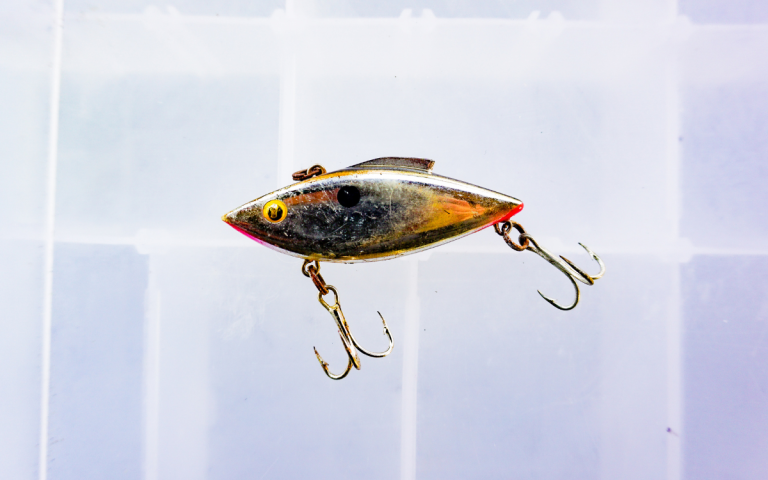
Credit: www.outdoorlife.com
Frequently Asked Questions
What Is The Best Fishing Lure For Beginners?
The best fishing lure for beginners is a spinnerbait. It’s easy to use and attracts many fish types. Spinnerbaits mimic small prey and create vibration, making them effective in various water conditions.
Which Lure Works Best For Freshwater Fishing?
Soft plastic worms are the best for freshwater fishing. They imitate natural prey and attract bass and other freshwater species. Their flexibility allows for versatile fishing techniques.
How To Choose A Fishing Lure By Fish Type?
Choose lures based on the target fish’s diet and habitat. For example, use crankbaits for bass and jigs for walleye. Matching lure size and color to local prey increases catch rates.
When Should I Use Topwater Lures?
Use topwater lures early morning or late evening. These lures create surface disturbance that attracts aggressive fish. Ideal for warm seasons and calm water conditions.
Conclusion
Choosing the best fishing lure depends on water, fish type, and weather. Try different lures to see what works best for you. Small changes can make a big difference in your catch. Keep your gear ready and stay patient. Fishing is about enjoying the time outdoors and learning each day.
The right lure helps, but skill and practice matter more. Keep exploring and have fun on every trip.