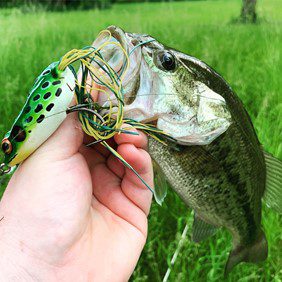
Are you tired of spending hours on the water without catching a single bass? Choosing the right fishing lure can make all the difference between a frustrating day and an exciting one filled with bites and big catches.
But with so many options out there, how do you know which lure will work best for your next bass fishing trip? You’ll discover the top lures that can boost your chances of hooking bass faster and more often. Keep reading, and you’ll soon have the confidence to pick the perfect lure every time you fish.

Credit: mysterytacklebox.com
Types Of Bass Fishing Lures
Bass fishing is popular among anglers. Choosing the right lure can make a big difference. Different lures work better in different water and weather conditions.
Here are some common types of bass fishing lures. Each has unique features and uses. Understanding them helps you catch more bass.
Crankbaits
Crankbaits are hard-bodied lures. They have a plastic lip that makes them dive when pulled. They mimic small fish or crawfish. You can find them in many colors and sizes.
These lures are good for covering a lot of water fast. They work well around rocks, weeds, and wood. Bass often hit crankbaits because of their wobbling motion.
Spinnerbaits
Spinnerbaits have one or more spinning blades. The blades flash and vibrate in the water. This attracts bass from a distance. They also have a skirt to add bulk and color.
- Good for murky or stained water
- Can be fished slow or fast
- Effective near cover like weeds and logs
- Easy to use for beginners
Jigs
Jigs have a weighted head and a hook. They often have soft plastic or feather skirts. Jigs work well on the bottom near rocks or brush. You can bounce or drag them slowly.
| Jig Type | Best Use | Common Colors |
| Flipping Jig | Heavy cover | Black, Brown, Green |
| Swimming Jig | Open water | Blue, White, Chartreuse |
| Football Jig | Rocky bottoms | Black, Red, Orange |
Soft Plastics
Soft plastics look and feel like live bait. They come in worms, crawfish, and creature shapes. Anglers rig them in many ways, such as Texas or Carolina rigs. Soft plastics are very versatile.
They work well in clear or stained water. Bass often bite soft plastics because they move naturally. You can fish them slowly or with twitching motions.
Topwater Lures
Topwater lures float on the water surface. They create splashes and noise to attract bass. These lures include poppers, frogs, and buzzbaits. They are exciting because you see the bass strike.
- Best used in low light or calm water
- Work well near lily pads and shallow cover
- Use a stop-and-go retrieve for best action
- Can trigger aggressive strikes

Credit: www.ebay.ca
Factors To Choose The Right Lure
Choosing the right fishing lure for bass can make your fishing trip successful. You must consider various factors to select the best lure for the conditions.
Understanding water conditions, bass behavior, seasonal patterns, and the right lure color and size is essential. Let’s explore each of these factors.
Water Conditions
Water clarity and temperature play a big role in lure selection. Clear water may require natural colors, while murky water might need brighter lures.
- Clear water: Use natural colors like green or brown.
- Muddy water: Choose bright colors like chartreuse or white.
- Cold water: Slow-moving lures can be effective.
- Warm water: Faster lures often work better.
Bass Behavior
Bass behavior changes with different conditions. They can be aggressive or passive, depending on the time of day and pressure from other anglers.
| Behavior | Suggested Lure |
| Aggressive | Topwater lures or crankbaits |
| Passive | Soft plastics or jigs |
| Schooling | Spinnerbaits |
Seasonal Patterns
Seasons affect bass activity. Spring and fall are often the best times to catch bass as they are more active. Adjust your lure choice based on the season.
In spring, use lures that mimic baitfish. During summer, deeper lures can reach bass hiding from the heat. In fall, try fast-moving lures as bass prepare for winter.
Lure Color And Size
Lure color and size are crucial for attracting bass. Match your lure to the local forage and the size of the bass you aim to catch.
Experiment with different colors and sizes. Sometimes, a slight change in color can make a big difference in your catch rate.
Top Picks For Bass Lures
Bass fishing needs the right lure to catch more fish. Different lures work best in different water and weather. Knowing top choices helps you prepare well for your fishing trips.
This guide covers the best crankbaits, spinnerbaits, jigs, soft plastics, and topwater lures for bass. Each type offers unique action to attract bass.
Best Crankbait Models
Crankbaits dive to different depths and create vibrations that bass notice. They are perfect for covering large water areas fast.
- Diving crankbaits with wide lips for deep water
- Square bill crankbaits for shallow, rocky spots
- Medium running crankbaits for clear water
- Bright colors for murky water conditions
- Natural colors for clear water and bright days
Popular Spinnerbaits
Spinnerbaits flash and spin to mimic small fish. They work well in weeds and around cover where bass hide.
| Spinnerbait Type | Best Use | Blade Style |
| Single Colorado | Heavy cover | Round, slow flash |
| Twin Willow | Open water | Long, fast flash |
| Combination Colorado and Willow | Versatile | Mix of flash and vibration |
Effective Jig Options
Jigs are heavy lures that bass strike hard. They are great for fishing near the bottom or in thick cover.
- Flipping jigs with strong hooks for big bass
- Football jigs for rocky bottoms
- Trailer hooks to increase hook-ups
- Colors matching local baitfish
Soft Plastic Favorites
Soft plastics feel natural and can imitate worms, crawfish, and baitfish. They work well on Texas rigs or Carolina rigs.
- Worms in green pumpkin or black blue
- Crawfish imitations with claws and legs
- Swimbaits with paddle tails for swimming action
- Creature baits with many appendages
- Senko-style stick baits for slow sinking
Topwater Lure Recommendations
Topwater lures create splashes and noise that can excite bass. They are best early morning or late evening.
- Walking baits with side-to-side action
- Poppers that make popping sounds on water
- Prop baits with spinning blades
- Frogs for thick lily pad cover

Credit: www.amazon.ca
Tips To Use Lures Effectively
Using fishing lures the right way helps catch more bass. Small changes make a big difference.
Learn simple tips to improve how you use lures for bass fishing.
Retrieval Techniques
How you pull the lure affects how bass react. Try different speeds and styles to find what works.
Slow retrieves can attract lazy bass. Fast pulls trigger strikes from active fish.
- Use steady pulls for a natural look
- Try stop-and-go to mimic injured prey
- Twist or twitch the lure to add action
Matching Lure To Habitat
Choose lures that fit the water and cover where bass hide. Different spots need different lures.
In clear water, use natural colors. In murky water, brighter colors work better.
- Use topwater lures over weeds and grass
- Try crankbaits near rocks and logs
- Soft plastics work well in open water
Adjusting For Weather
Weather changes bass activity. Adjust lure choice and retrieval to match conditions.
On sunny days, use slower retrieves and natural colors. On cloudy days, try faster action and bright colors.
- Use heavier lures in windy weather to cast far
- Try shallow lures in warm weather
- Use deep diving lures when water is cold
Rigging And Presentation
How you set up your lure matters. Proper rigging helps the lure move right and avoid snags.
Use hooks and weights that fit the lure size. Present the lure naturally to fool bass.
- Use weedless rigs in heavy cover
- Choose hook size based on lure size
- Keep line tight for better hook sets
Frequently Asked Questions
What Type Of Fishing Lure Works Best For Bass?
Soft plastic lures like worms and crawfish mimic bass prey well. Crankbaits and spinnerbaits also attract bass effectively in various water conditions.
How Do Water Conditions Affect Bass Lure Choice?
Clear water calls for natural-colored lures, while murky water requires bright or noisy lures to get bass attention.
When Should I Use Topwater Lures For Bass?
Use topwater lures during low light or calm water. Early morning and late evening are prime times for surface strikes.
Are Crankbaits Good For Bass Fishing?
Yes, crankbaits are great for covering water quickly. They imitate baitfish and provoke aggressive strikes from bass.
Conclusion
Choosing the best fishing lure for bass depends on water, weather, and bass behavior. Soft plastics often work well in many conditions. Crankbaits and spinnerbaits can attract aggressive bass quickly. Change lures if bass don’t bite. Experiment with colors and sizes to find what works.
Remember, patience and practice improve your fishing skills. Keep trying different lures to enjoy more bass catches. Fishing stays fun when you adapt and learn. Find your favorite lure and enjoy the bass fishing experience.