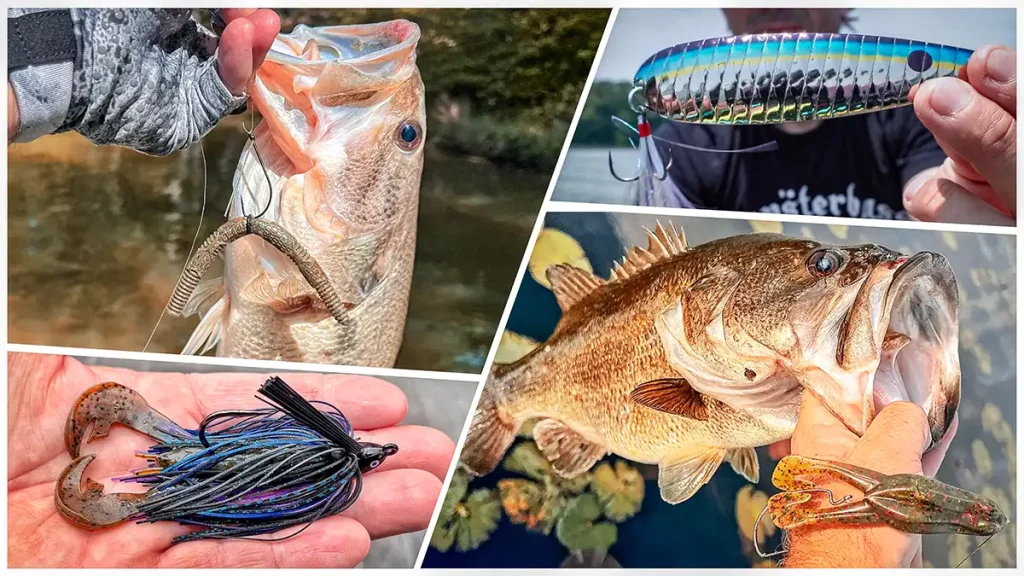
Are you ready to catch more largemouth bass and make your fishing trips unforgettable? Choosing the right lure can make all the difference between a day full of bites and hours of waiting.
But with so many options out there, how do you know which one will work best for you? You’ll discover the top fishing lures that attract largemouth bass every time. By the end, you’ll feel confident picking the perfect lure to boost your catch and enjoy your time on the water like never before.
Keep reading—you’re about to unlock the secret to better bass fishing!
Largemouth Bass Behavior
Largemouth bass are popular fish for anglers. Their behavior changes with environment and season.
Understanding their habits helps choose the best fishing lure for them.
Feeding Habits
Largemouth bass eat small fish, insects, and frogs. They hunt by sight and use quick bursts to catch prey.
They prefer to eat near cover where they can hide before striking.
- Eat during early morning and late afternoon
- Feed near weeds, logs, and rocks
- Strike fast at moving prey
Preferred Habitats
Largemouth bass like warm water with plenty of plants. They hide in thick cover to avoid predators.
They often stay near shorelines, submerged logs, and weed beds where food is easy to find.
- Shallow water with vegetation
- Areas with fallen trees and rocks
- Warm lakes and slow rivers
Seasonal Activity
Largemouth bass activity changes with seasons. They spawn in spring and feed actively in summer.
In colder months, they move to deeper water and eat less often.
- Spring: Spawn and feed near shore
- Summer: Active in warm, shallow waters
- Fall: Feed heavily before winter
- Winter: Move deep and slow down
Types Of Fishing Lures
Fishing lures come in many shapes and sizes. Choosing the right lure helps catch more largemouth bass.
Each type works best in certain conditions. Knowing how to use them improves your fishing success.
Crankbaits
Crankbaits are hard-bodied lures that dive underwater. They mimic small fish and have a wobbling action.
They come in different diving depths. Use shallow crankbaits for weed beds and deep ones for open water.
Spinnerbaits
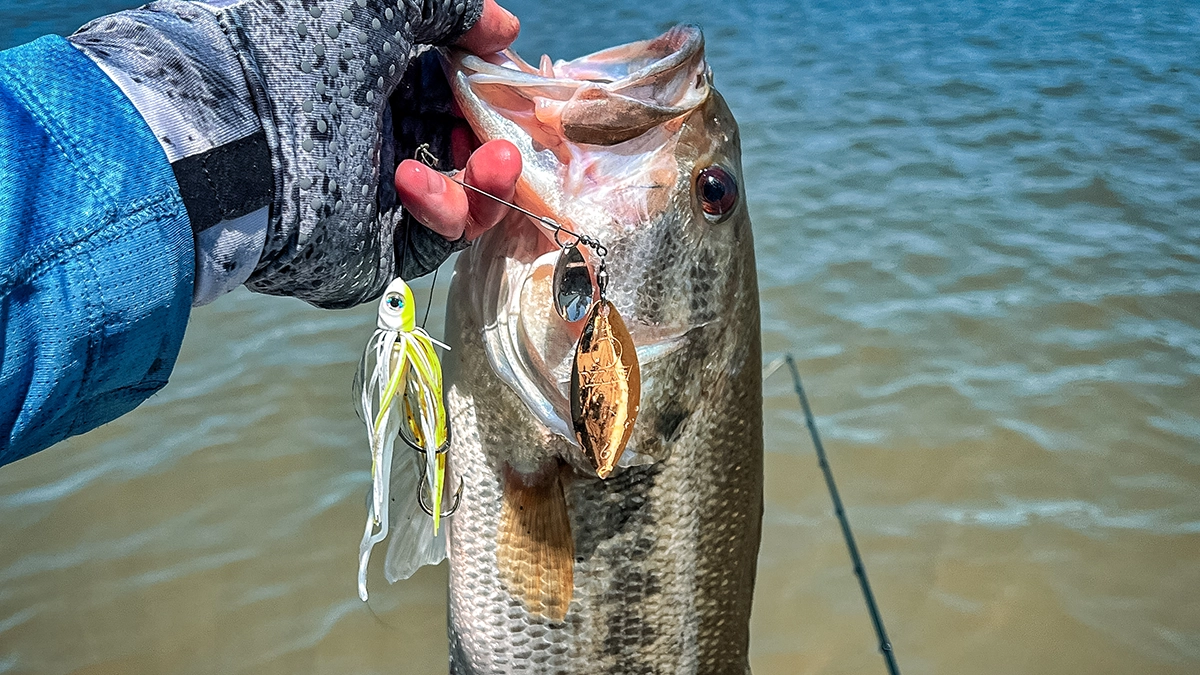
Spinnerbaits have metal blades that spin. This creates flash and vibration to attract bass.
- Good for murky water
- Works well around cover like weeds and logs
- Can be retrieved at different speeds
Soft Plastics
Soft plastics are flexible lures that look like worms or crawfish. They have a natural feel.
| Type | Best Use | Color |
| Worms | Flipping and Texas rig | Natural green, brown |
| Crawfish | Dragging along bottom | Orange, red |
| Creature Baits | Heavy cover | Black, dark green |
Jigs
Jigs have a weighted head and skirt. They work well near structures and on the bottom.
Use jigs to bounce along rocks or wood. They trigger bass to strike with slow movement.
Topwater Lures
Topwater lures float and create surface noise. They excite bass to strike from below.
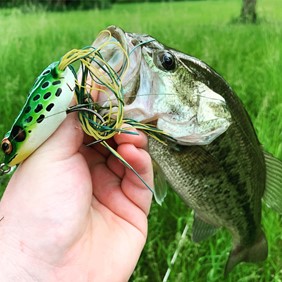
- Popular types include poppers, frogs, and buzzbaits
- Best used early morning or late evening
- Work well in calm water with visible bass activity
Top Lures For Largemouth Bass
Largemouth bass are popular fish for anglers. Choosing the right lure helps catch more bass.
This guide covers top lures that work well for largemouth bass. Each type suits different fishing styles.
Best Crankbait Picks
Crankbaits mimic small fish and dive to various depths. They are great for covering water fast.
Use crankbaits to find bass in shallow or deep water. They create noise and vibration to attract fish.
- Squarebill crankbaits for shallow cover
- Deep-diving crankbaits for deeper holes
- Lipless crankbaits for fast retrieves
Best Spinnerbait Options
Spinnerbaits have spinning blades that flash and vibrate. They work well in murky water.
Use spinnerbaits near weeds, rocks, or wood where bass hide. They are easy to cast and retrieve.
- Double blade spinnerbaits for slow water
- Single blade spinnerbaits for fast water
- Bright colors for stained water
Best Soft Plastic Choices
Soft plastics imitate worms, crawfish, or baitfish. They offer natural movement in water.
These lures work well on drop shots, Texas rigs, or wacky rigs. They are versatile and effective.
- Worms in green pumpkin or black color
- Crawfish shapes for rocky areas
- Swimbaits for clear water conditions
Best Jig Models
Jigs are heavy lures with skirts and hooks. They work well near cover and structure.
Jigs can be flipped or pitched to bass hiding in heavy cover. They trigger bites with slow movement.
- Football jigs for rocky bottoms
- Packed skirt jigs for heavy brush
- Trailer soft plastics for added action
Best Topwater Lures
Topwater lures float and create surface action. They excite bass to strike from below.
Use topwater lures early or late in the day. They are fun and provide visual strikes.
- Poppers that splash and pop
- Walk-the-dog style lures with zigzag action
- Frogs for heavy vegetation areas
Credit: www.wired2fish.com
Matching Lures To Conditions
Choosing the right lure helps catch more largemouth bass. Fish react differently based on their environment.
Understanding water, weather, time, and seasons improves your lure choice. This guide covers key factors to consider.
Water Clarity
Clear water needs natural colors and subtle movements. Bright or flashy lures can scare fish away.
- Use green, brown, or translucent lures in clear water.
- Use darker or bright colors in murky or stained water.
- Choose lures that create vibrations in low visibility.
Weather Effects
Weather changes bass behavior. Bright sunny days make bass hide near cover.
- On sunny days, use natural color lures and slow retrieves.
- On cloudy or rainy days, use bright or dark lures to attract attention.
- In windy conditions, select lures that produce noise or vibration.
Time Of Day
Bass feed at different times. Dawn and dusk are active feeding times.
| Time | Best Lure Type | Color |
| Dawn | Topwater lures | Natural or bright |
| Midday | Jigs and plastic worms | Dark or natural |
| Dusk | Crankbaits and spinnerbaits | Bright or reflective |
Seasonal Adjustments
Each season changes bass habits. Adjust lures to their activity and water temperature.
| Season | Lure Type | Color | Reason |
|---|---|---|---|
| Spring | Spinnerbaits, crankbaits | Bright, natural | Bass spawn and chase prey |
| Summer | Plastic worms, jigs | Dark, natural | Bass move to deeper, cooler water |
| Fall | Topwater, jerkbaits | Bright, reflective | Bass feed heavily before winter |
| Winter | Jigs, slow-moving lures | Natural, dark | Bass slow down and stay deep |
Tips For Using Largemouth Bass Lures
Choosing the right lure helps catch more largemouth bass. Using lures correctly increases your chances of success.
Different lures need different techniques. Learn how to retrieve, set the hook, and keep your lures in good shape.
Retrieval Techniques
How you retrieve the lure affects how bass react. Vary your speed and style to find what works best.
Try slow and steady or fast and erratic retrievals. Pause often to imitate injured prey. This can trigger strikes.
- Use a steady retrieve for crankbaits and spinnerbaits
- Twitch soft plastics to mimic live bait
- Pause during retrieval to attract attention
- Speed up retrieval to provoke aggressive bites
Hook Setting Tips
Setting the hook quickly is important. Wait until you feel a firm pull or tap before pulling the rod.
Use a sharp hook to increase hook-up rate. Pull the rod upward or sideways to secure the hook in the bass’s mouth.
- Wait for a solid bite before setting the hook
- Keep your line tight during retrieval
- Use a strong, quick motion to set the hook
- Check and sharpen hooks regularly for better results
Lure Maintenance
Proper lure care helps keep them effective. Rinse lures with fresh water after use, especially in saltwater.
Store lures in a dry place. Check hooks and replace damaged parts to avoid losing fish.
- Rinse lures after each fishing trip
- Dry lures before storage to prevent rust
- Inspect hooks and split rings often
- Replace worn or bent hooks promptly
Credit: n1outdoors.com
Common Mistakes To Avoid
Choosing the best fishing lure for largemouth bass can be tricky. Many anglers make simple mistakes that reduce their chances of catching fish.
Knowing what to avoid helps improve your fishing success. Here are common errors to watch out for.
Using The Wrong Size Lure
Many anglers pick lures that are too big or too small for largemouth bass. Using the wrong size can scare fish away or not attract their attention.
Choose lures that match the size of the fish’s natural prey. Medium-sized lures usually work best for largemouth bass.
Ignoring Water Conditions
Water color and clarity affect which lure works best. Bright lures can be useless in clear water, and natural colors may not show in murky water.
Match your lure color to the water conditions. Use bright colors in cloudy water and natural colors in clear water.
Not Varying Retrieve Speed
Many anglers reel in their lure at a constant speed. This can make the lure look unnatural and less interesting to bass.
Change your retrieve speed often. Slow it down, speed it up, or add pauses to mimic real prey movements.
Overusing One Type Of Lure
Sticking to one lure type limits your chances of catching fish. Bass may ignore certain lures on some days or in certain areas.
Carry a variety of lures like crankbaits, soft plastics, and spinnerbaits. Switch lures if the bass are not biting.
Ignoring Local Bass Behavior
Not paying attention to how local largemouth bass behave can hurt your lure choice. Bass may prefer different lures based on season or habitat.
Observe local conditions and try lures that match bass feeding habits in your area. Ask local anglers or check fishing reports for tips.

Credit: www.lurenet.com
Frequently Asked Questions
What Is The Best Lure For Largemouth Bass Fishing?
The best lure for largemouth bass is a soft plastic worm. It mimics natural prey and triggers strikes. Popular colors include green pumpkin and black. Soft plastics are versatile and work well in different water conditions.
How Do Topwater Lures Attract Largemouth Bass?
Topwater lures create surface noise and movement that excites bass. They mimic struggling prey, prompting aggressive strikes. Use them during low light or calm water for best results. They offer thrilling visual strikes and are ideal for shallow areas.
Which Lure Color Works Best For Largemouth Bass?
Natural colors like green, brown, and black work best for largemouth bass. These colors blend with aquatic vegetation and water clarity. Bright colors like chartreuse help in murky water. Choosing the right color depends on water conditions and bass behavior.
When Should I Use Crankbaits For Largemouth Bass?
Use crankbaits when bass are active and feeding on baitfish. They cover water quickly and dive to various depths. Early morning and late afternoon are ideal times. Crankbaits are effective for locating bass and triggering reaction strikes.
Conclusion
Choosing the best fishing lure for largemouth bass is essential. Each lure type offers unique benefits. Consider the water conditions and bass behavior. Spinnerbaits work well in murky waters. Jigs attract bass in deeper areas. Plastic worms mimic natural prey effectively.
Crankbaits cover large areas quickly. Experiment with different lures to find what works. Always keep local weather and seasons in mind. Remember, patience and practice lead to success. Happy fishing!