Looking for the best home heating system can feel overwhelming. You want something reliable, efficient, and affordable to keep your home warm and cozy all winter long.
But with so many options available, how do you know which one is right for you? You’ll discover the key factors to consider and the top heating systems that can save you money while maximizing comfort. By the end, you’ll have the confidence to choose the perfect heating solution tailored to your needs.
Keep reading to find out how to stay warm without breaking the bank.

Credit: northnjhvac.com
Types Of Home Heating Systems
Choosing the right home heating system is important for comfort and energy use. There are several types of systems to consider.
Each heating system works differently and fits different home needs. Here are the main types of home heating systems.
Furnace Heating
Furnace heating uses air to warm a home. It heats air in a furnace and sends it through ducts.
Furnaces can use gas, oil, or electricity as fuel. They are common in many homes and provide quick heat.
Boiler Systems
Boilers heat water to provide warmth. The hot water or steam moves through pipes to radiators or floors.
Boilers often use gas or oil. They give steady, even heat but take longer to warm a space.
Heat Pumps
Heat pumps move heat from outside to inside a home. They work like air conditioners but can also heat.
Heat pumps use electricity. They save energy by using heat already in the air or ground.
Radiant Heating
Radiant heating warms floors or walls directly. Heat rises from these surfaces to warm the room.
This system uses hot water pipes or electric mats under floors. It offers gentle, even warmth.
Electric Heating
Electric heating uses electric coils or panels to produce heat. It is easy to install and control.
Electric heaters work well in small spaces or as backup heat. They can be less efficient for whole-home heating.
Energy Efficiency Comparison
Choosing the best home heating system depends on energy efficiency. Energy use affects bills and the environment.
This comparison looks at fuel consumption, seasonal efficiency, and insulation effects.
Fuel Consumption Rates
Fuel consumption shows how much energy a heating system uses. Lower rates mean less fuel and cost.
Different systems use different fuels like gas, oil, or electricity.
- Gas furnaces burn natural gas efficiently
- Oil heaters use more fuel but provide strong heat
- Electric heaters consume electricity directly, with no fuel
- Heat pumps use electricity but move heat, reducing fuel use
Seasonal Energy Efficiency Ratio
The Seasonal Energy Efficiency Ratio (SEER) measures cooling and heating efficiency. Higher SEER means better efficiency.
Heating systems with high SEER save energy over a full season.
| Heating System | Typical SEER Range |
|---|---|
| Gas Furnace | 80% – 98% AFUE |
| Heat Pump | 14 – 21 SEER |
| Electric Resistance Heater | 100% (no SEER) |
Impact Of Insulation
Good insulation keeps heat inside your home. It reduces the work your heating system must do.
Better insulation lowers energy use and improves comfort.
- Wall insulation stops heat loss
- Attic insulation prevents heat from escaping upward
- Sealing windows and doors reduces drafts
- Proper insulation can cut heating costs by 20% or more
Cost Factors To Consider
Choosing the best home heating system depends on many costs. These costs affect your budget now and later.
Understanding different cost factors helps you make a smart choice. This guide covers main costs to think about.
Initial Installation Costs
Initial installation costs include buying and setting up the heating system. This cost varies by type and size.
Some systems need special vents or pipes. These add to installation expenses. Labor costs also change by location.
- Equipment price
- Labor and installation fees
- Additional materials like ducts or vents
- Permits or inspections
Operating And Maintenance Expenses
Operating costs are the money spent to run the heating system. This includes fuel or electricity costs.
Maintenance keeps the system working well. Regular checks and repairs add to yearly costs.
- Fuel or electricity bills
- Routine maintenance like filter changes
- Repairs and parts replacement
- System efficiency affects costs
Long-term Savings
Long-term savings come from lower bills and less repair work. Efficient systems save more money over time.
Some heating systems last longer, reducing replacement costs. Choosing the right system can lower your total expenses.
- Energy-efficient models reduce fuel use
- Durable systems need fewer repairs
- Tax credits or rebates may apply
- Lower bills mean more savings

Credit: northnjhvac.com
Environmental Impact
Choosing the best home heating system affects the environment. Heating systems use energy and create emissions. Understanding their impact helps make smart choices.
This section explains carbon emissions, renewable energy use, and sustainability benefits of heating systems.
Carbon Emissions
Carbon emissions come from burning fuels like gas, oil, or coal. These gases warm the Earth and harm air quality. Some heating systems produce less carbon than others.
- Gas furnaces emit moderate carbon dioxide.
- Electric heaters have no direct emissions but depend on electricity source.
- Wood stoves release carbon but can be renewable if managed well.
- Heat pumps produce minimal carbon when powered by clean electricity.
Renewable Energy Integration
Heating systems that use renewable energy reduce fossil fuel use. Solar, wind, and geothermal power are clean sources. They lower the home’s carbon footprint.
| Heating System | Renewable Energy Use | Energy Source |
| Solar Thermal | High | Sunlight |
| Heat Pump | Medium to High | Electricity (can be renewable) |
| Biomass Boiler | Medium | Wood or plant materials |
| Gas Furnace | Low | Natural Gas |
Sustainability Benefits
Sustainable heating systems save energy and reduce waste. They often last longer and use fewer resources. Choosing sustainable options helps protect nature.
- Lower energy bills due to efficient operation
- Reduced reliance on nonrenewable fuels
- Less air and water pollution
- Support for renewable energy industries
- Improved indoor air quality
Climate And Regional Suitability
Choosing the best home heating system depends on the local climate and your region. Different systems work better in cold, mild, urban, or rural areas.
Knowing the right heating option can save energy and keep your home comfortable year-round.
Cold Climate Solutions
In cold climates, heating systems must keep homes warm during long, harsh winters. Efficiency and power are key factors.
Furnaces using natural gas or oil are common. Heat pumps designed for cold weather also work well.
- High-efficiency gas furnaces provide strong heat output
- Oil furnaces are reliable in very cold areas
- Cold-climate heat pumps use less energy and can heat and cool
- Wood stoves offer a backup heat source
Mild Weather Options
Mild climates need heating for cool nights and short winters. Systems that balance comfort and energy use work best.
Heat pumps and electric heaters provide gentle warmth without high fuel costs.
- Air-source heat pumps are efficient in mild weather
- Electric baseboard heaters are easy to install
- Gas fireplaces add warmth and ambiance
- Solar heating can reduce energy bills
Urban Vs Rural Considerations
Urban and rural homes have different heating needs. Space, fuel availability, and local rules affect choices.
Urban homes may have access to gas lines, while rural homes might rely on propane or wood.
| Factor | Urban | Rural |
|---|---|---|
| Fuel Source | Natural gas, electricity | Propane, wood, oil |
| Space for Equipment | Limited | More available |
| Installation Cost | Lower due to infrastructure | Higher due to remote location |
| Noise Restrictions | Stricter | More lenient |
Technological Innovations In Heating
Home heating systems have seen many new technologies. These changes help save energy and increase comfort.
Smart devices and new designs make heating easier to control. They also help reduce heating costs.
Smart Thermostats
Smart thermostats let you control your heating from a phone or tablet. They learn your schedule to save energy.
These devices adjust temperature automatically. They can lower heat when you are away and raise it before you return.
- Remote control via apps
- Energy usage reports
- Automatic temperature adjustment
Zoning Systems
Zoning systems split your home into sections. Each zone can have its own temperature setting.
This helps avoid heating rooms that are not used. It improves comfort and reduces energy waste.
- Separate thermostats for different areas
- Better control over heating
- Energy savings by heating only needed zones
Hybrid Heating Models
Hybrid heating uses two types of systems together. Usually, it mixes a heat pump with a furnace.
The system chooses the best heating source based on outside temperature. This keeps homes warm and saves energy.
- Heat pump for mild weather
- Furnace for very cold days
- Automatic switching for efficiency
Choosing The Right System For Your Home
Finding the best home heating system depends on many factors. Each home has unique needs that affect the choice.
Consider your home’s size, budget, and future energy needs. These points will guide you to the right system.
Home Size And Layout
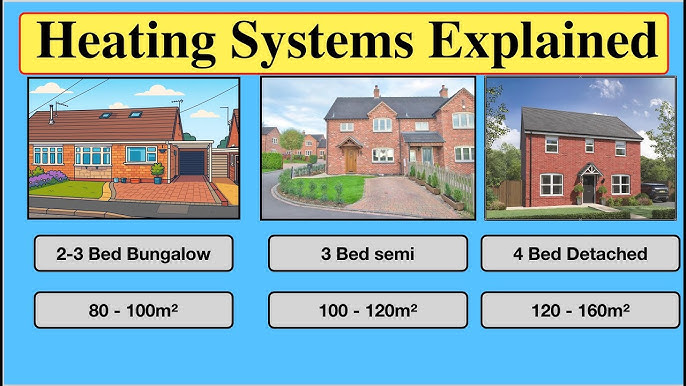
The size and layout of your home affect heating efficiency. Large homes may need stronger systems. Open floor plans can help heat spread evenly.
- Small homes may use space heaters or electric systems.
- Medium homes often benefit from heat pumps or gas furnaces.
- Large homes may require central heating or multiple units.
- Multi-story houses might need zone heating for comfort.
Budget Constraints
Your budget sets limits on system type and installation costs. Some systems cost less upfront but more to run.
| System Type | Initial Cost | Running Cost |
|---|---|---|
| Electric Heater | Low | High |
| Gas Furnace | Medium | Medium |
| Heat Pump | High | Low |
| Wood Stove | Medium | Low |
Future Energy Needs
Think about energy use in the coming years. Choose systems that save energy and reduce bills.
Consider these points for future energy needs:
- Look for energy-efficient models with good ratings.
- Check if renewable energy options like solar can connect.
- Plan for possible home expansions or layout changes.
- Think about long-term fuel availability and prices.

Credit: www.advancedheatac.com
Installation And Maintenance Tips
Choosing the best home heating system is important. Proper installation and care keep it working well.
Regular maintenance saves money and avoids problems. Learn how to pick experts and maintain your system.
Selecting Qualified Professionals
Always hire licensed and experienced installers. They follow safety rules and install the system correctly.
Ask for references and check online reviews. Good professionals answer questions and explain the process.
- Verify licenses and certifications
- Request past customer feedback
- Compare quotes from several installers
- Ensure they offer warranty and support
Routine Maintenance Checklist
Keep your heating system in good shape with regular checks. This helps it run safely and efficiently.
Clean filters, check vents, and inspect parts often. Replace worn parts before they fail.
- Change or clean air filters monthly
- Clear dust and debris from vents
- Check thermostat settings and batteries
- Inspect pipes and ducts for leaks
- Schedule annual professional tune-ups
Troubleshooting Common Issues
Some heating problems are easy to fix. Knowing common issues saves time and money.
If your system is not heating well or makes noise, check simple causes first before calling a pro.
- Replace dirty filters to improve airflow
- Reset the thermostat if it stops working
- Check circuit breakers for power issues
- Clear blockages in vents or registers
- Listen for unusual sounds and note when they occur
Frequently Asked Questions
What Factors Determine The Best Heating System?
Several factors determine the best heating system for your home. Consider energy efficiency, cost, climate, and house size. Different systems suit different environments and budgets. Evaluate your specific needs and compare options like furnaces, heat pumps, and boilers. Consulting an HVAC professional can help make the best decision.
How Does A Furnace Work?
A furnace heats air and distributes it through ducts. It uses fuel like natural gas, electricity, or oil. The heated air circulates via fans, warming the home. Furnaces are popular for their efficiency and quick heating capabilities. They are ideal for colder climates with consistent heating needs.
Are Heat Pumps Energy Efficient?
Yes, heat pumps are energy efficient. They transfer heat rather than generate it, reducing energy consumption. They work well in moderate climates, providing both heating and cooling. Advanced models offer high efficiency even in colder temperatures. Consider them for significant energy savings and environmentally-friendly home heating.
What Is Radiant Floor Heating?
Radiant floor heating involves installing heating elements under the floor. It provides uniform heat distribution throughout the room. This system is energy-efficient and comfortable, eliminating cold spots. It’s ideal for homes with existing or new floor installations. Radiant heating is silent and does not circulate dust, enhancing indoor air quality.
Conclusion
Choosing the best home heating system depends on your needs and budget. Energy efficiency can save money and reduce waste. Comfort matters most during cold months. Consider installation costs and long-term maintenance. Different systems work better in different homes. Think about space, fuel type, and climate.
Research helps you find the right fit. A good heating system keeps your home warm and cozy. Take time to compare options before deciding. Your home deserves reliable and affordable warmth.