When it comes to bass fishing, the right fishing line can make all the difference between a missed catch and your biggest trophy. You might wonder, “What is the best line for bass fishing?” Choosing the perfect line isn’t just about strength—it’s about sensitivity, casting distance, and how your line behaves underwater.
You’ll discover the key factors that help you pick the ideal line to boost your success. Keep reading, and you’ll soon know exactly what to look for to catch more bass every time you fish.

Credit: www.youtube.com
Types Of Fishing Lines
Choosing the right fishing line is important for bass fishing. Different lines have different strengths and uses.
Here are the main types of fishing lines used by anglers. Each has its own benefits and drawbacks.
Monofilament
Monofilament is a single strand of nylon. It is popular because it is flexible and easy to handle.
This line floats well and stretches under pressure. It helps absorb shocks from fish bites.
- Good for beginners
- Affordable and widely available
- Works well for topwater fishing
- Can weaken over time due to sunlight
Fluorocarbon
Fluorocarbon line is made from a special plastic. It is nearly invisible underwater.
This line sinks faster and resists abrasion from rocks or plants. It is good for clear water fishing.
- Less visible to fish
- Strong and durable
- More expensive than monofilament
- Stiffer and harder to handle
Braided Line
Braided line is made of many fibers woven together. It has very high strength and low stretch.
This line is thin but very tough. It casts far and works well in heavy cover or thick weeds.
- Very strong for its size
- Little to no stretch
- Highly visible in water
- May need a leader to avoid spooking fish
Factors Influencing Line Choice
Choosing the right fishing line is important for catching bass. Different factors affect which line will work best.
Consider water clarity, fishing depth, and the size of bass you want to catch. These factors help you make the right choice.
Water Clarity
Clear water needs a line that is hard to see. In murky water, visibility matters less. Choose the right line based on water conditions.
- Clear water: Use fluorocarbon line
- Muddy water: Use braided line
- Stained water: Use monofilament line
Fishing Depth
The depth at which you fish affects line choice. Deeper water may require a stronger line.
| Fishing Depth | Recommended Line Type |
| Shallow (0-10 feet) | Monofilament |
| Medium (10-20 feet) | Fluorocarbon |
| Deep (20+ feet) | Braided |
Target Bass Size
Consider the size of bass you aim to catch. Larger bass need stronger lines to prevent breakage.
For small bass, use 6-8 lb test line. Medium bass need 10-12 lb test line. Large bass require 14-20 lb test line.
Line Strength And Test Weight
Choosing the right fishing line is key to catching bass. Line strength and test weight affect how well you can handle the fish.
Strong line helps fight big bass. Test weight shows the maximum weight the line can hold before breaking.
Choosing The Right Test
Test weight tells you how strong the line is. Pick a test weight that matches the size of bass you want to catch.
For small bass, use light test lines. For bigger bass, choose heavier test lines to avoid breakage.
- 6-10 lb test: best for small bass and light tackle
- 12-17 lb test: good for average size bass
- 20-30 lb test: ideal for large bass and heavy cover
Balancing Strength And Sensitivity
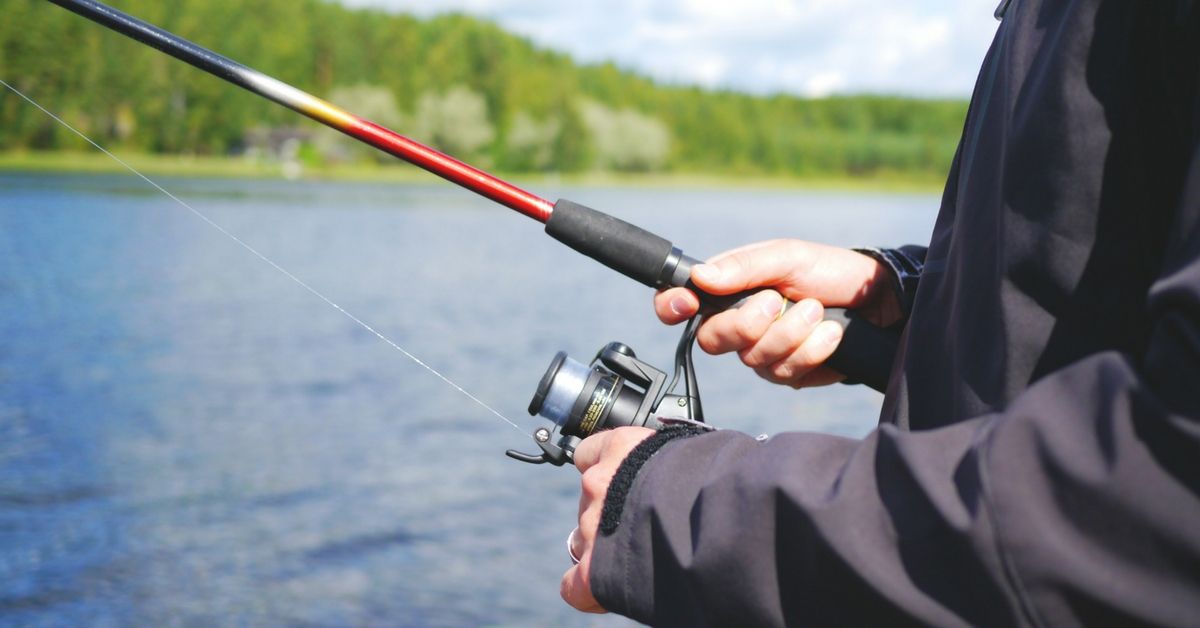
Strong lines resist breaking but can feel stiff. Sensitive lines help feel bites but may be weaker.
Pick a line that is strong enough but still lets you feel the bass bite clearly. This balance improves your chances to catch fish.
- Monofilament lines offer good sensitivity and stretch
- Fluorocarbon lines are strong and less visible underwater
- Braid lines have high strength and low stretch but less sensitivity
Credit: mysterytacklebox.com
Line Diameter And Visibility
Choosing the right fishing line is important for bass fishing. Line diameter and visibility affect your fishing success.
Thinner lines cast farther and look less visible in water. Thicker lines are stronger but easier for fish to see.
Impact On Casting Distance
Thinner lines have less air resistance and less friction on the rod guides. This helps you cast farther.
Thicker lines slow down your cast. They can reduce the distance and accuracy of your cast.
- Thin line: casts farther and more smoothly
- Thick line: shorter casts and less accuracy
Effect On Fish Detection
Fish see thicker, more visible lines easier. This can scare bass away from your bait.
Thin, clear, or camouflaged lines are less visible. Fish are less likely to notice them.
- Thin lines: harder for bass to detect
- Clear lines: blend well with water
- Thick lines: more visible and may spook fish
Best Lines For Different Techniques
Choosing the right fishing line makes a big difference in bass fishing. Different techniques need different lines to work well.
This guide covers the best lines for topwater fishing, flipping and pitching, and deep water fishing. Knowing what line to use helps you catch more bass.
Topwater Fishing
Topwater fishing uses lures that float on the water surface. You need a line that is strong but light enough to allow natural lure movement.
- Fluorocarbon lines work well because they are nearly invisible on water.
- Monofilament lines stretch, which helps absorb sudden pulls from bass.
- Use a 10- to 15-pound test line for good strength and control.
Flipping And Pitching
Flipping and pitching require a strong, sensitive line to fish in heavy cover. You want to feel the bite quickly and pull bass out of weeds.
| Line Type | Test Strength | Best Features |
| Braid | 50-65 lb | Very strong, no stretch |
| Fluorocarbon | 20-30 lb | Less visible, abrasion resistant |
| Monofilament | 20-30 lb | Good stretch, cheaper |
Deep Water Fishing
Deep water fishing needs a line that sinks fast and resists damage. You fish at depth where light is low and bass are cautious.
- Fast sinking to reach bass quickly
- Low visibility to avoid spooking fish
- High abrasion resistance for rocky or rough areas
Maintenance And Line Care
Taking care of your bass fishing line helps it last longer. Good maintenance keeps the line strong and ready for fishing.
Proper care also prevents line damage from sun and water. This makes your fishing trips more successful.
Proper Storage
Store your fishing line in a cool, dry place. Avoid direct sunlight to stop the line from weakening.
Keep the line on the spool and cover it to prevent dust and dirt. This helps avoid tangles and damage.
- Use a sealed container or bag
- Avoid hot or humid areas
- Keep line away from chemicals and oils
When To Replace Line
Change your fishing line if it shows signs of wear. Old line can break easily and cause lost fish.
Check the line for frays, discoloration, or stiffness. These signs mean it is time to replace the line.
- Line feels rough or brittle
- Visible cuts or nicks
- Line color fades or changes
- Line has been used for a long season
Tips For Improving Bass Fishing Success
Choosing the right fishing line is key for catching bass. The line must be strong but also flexible.
Good fishing habits can improve your chances. Learning proper knots and line handling helps.
Knot Selection
Strong knots hold your line better and reduce breakage. Pick knots that work with your line type.
Some knots are easier to tie and keep more strength in the line. Practice tying knots before fishing.
- Palomar knot: strong and simple for most lines
- Improved clinch knot: good for thin lines
- Loop knot: allows lure movement
Line Handling Skills
Handle your line carefully to avoid damage. Check for frays and twists before casting.
Keep the line tight when you feel a bite. Loose line can let the fish escape.
- Use smooth casts to prevent line tangles
- Keep the line clean and dry after fishing
- Replace old or damaged line regularly
Credit: www.wired2fish.com
Frequently Asked Questions
What Is The Best Fishing Line For Bass Fishing?
The best line for bass fishing is usually fluorocarbon or braided line. Fluorocarbon offers low visibility and high sensitivity. Braided line provides strong abrasion resistance and excellent casting distance. Choose based on water clarity and fishing conditions for optimal results.
How Strong Should Bass Fishing Line Be?
Bass fishing line strength typically ranges from 8 to 20 pounds. Lighter lines (8-12 lb) work well in clear water for better lure action. Heavier lines (15-20 lb) are ideal in heavy cover or when targeting larger bass for added durability.
Is Braided Or Fluorocarbon Better For Bass Fishing?
Fluorocarbon is better for clear water due to low visibility. Braided line excels in heavy cover with superior strength and sensitivity. Many anglers use braided line with a fluorocarbon leader for the best balance of strength and stealth.
How Does Line Diameter Affect Bass Fishing?
Thinner diameter lines cast farther and are less visible underwater. Thicker lines offer more strength and abrasion resistance but can reduce lure action. Choose a diameter that balances invisibility, strength, and casting performance for bass fishing.
Conclusion
Choosing the right line for bass fishing helps catch more fish. Consider line strength, visibility, and water conditions. Lighter lines offer better sensitivity but less strength. Heavier lines resist breakage but can scare fish. Fluorocarbon lines blend well underwater and resist abrasion.
Braided lines provide great strength and casting distance. Test different lines to find what works best for you. Remember, no single line fits every situation. Keep experimenting and enjoy your time on the water. Success in bass fishing comes from patience and practice.