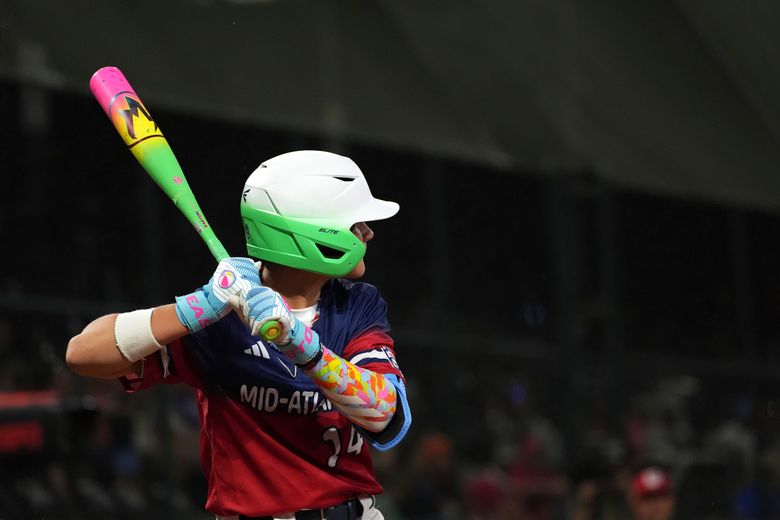
Choosing the best Little League baseball bat can feel overwhelming with so many options out there. You want a bat that feels just right in your hands, boosts your swing, and helps you play your best game.
But how do you know which one fits your style and skill level? This guide will make it simple for you. By the end, you’ll have a clear idea of which bat matches your needs perfectly—giving you the confidence to step up to the plate and hit like a pro.
Keep reading, because your perfect bat is closer than you think.

Credit: sports.yahoo.com
Key Factors For Choosing Bats
Choosing the right Little League baseball bat is important for better play and safety. Many factors affect the bat’s performance and comfort.
This guide explains the main points to consider when picking a bat for young players.
Material Types
Bats come in different materials. Each type offers unique benefits and suits different players.
- Aluminum:Lightweight and durable, good for faster swings.
- Composite:Made from mixed materials, offers better balance and less vibration.
- Wood:Traditional feel, heavier and less common in Little League.
Bat Length And Weight
Length and weight affect how easy it is to swing the bat. The right size helps improve control and power.
| Length (inches) | Weight Drop (Length minus Weight) | Player Use |
| 24-26 | -10 to -13 | Young beginners (ages 4-7) |
| 27-29 | -8 to -10 | Intermediate players (ages 8-10) |
| 30-32 | -3 to -5 | Advanced players (ages 11-13) |
Age And Skill Level
Players’ age and skill affect bat choice. Younger and less experienced players need lighter bats for better swing speed.
- Young players benefit from shorter, lighter bats.
- More skilled players may use longer, heavier bats for power.
- Try different bats to find the best fit for comfort and control.
League Regulations
Different leagues have rules on bat types, lengths, and materials. Checking these rules is key before buying.
| League | Max Length | Allowed Materials | Certification Required |
|---|---|---|---|
| Little League | 33 inches | Aluminum, Composite | USA Bat or USSSA Approved |
| Cal Ripken | 33 inches | Aluminum, Composite, Wood | USSSA Certified |
| USSSA | 34 inches | Aluminum, Composite | USSSA Certified |
Top Bat Brands To Consider
Choosing the right bat can make a difference in little league baseball. Different brands offer unique features and benefits.
Here, we explore top bat brands that are popular among young players. Each brand has its own strengths and specialties.
Easton
Easton is well-known for its innovative designs. Their bats offer a balance of power and control.
- Lightweight materials for faster swings
- Durable construction for long-lasting use
- Variety of models for different skill levels
Demarini
DeMarini bats are designed for performance. They are favored by many competitive players.
| Feature | Benefit |
| Two-piece construction | Reduces vibration |
| End-loaded design | Increases power |
| Balanced weight | Improves swing speed |
Rawlings
Rawlings bats are known for their classic feel. They provide excellent grip and control.
Louisville Slugger
Louisville Slugger is a legendary name in baseball. Their bats are a favorite among little leaguers.
From wooden bats to high-tech aluminum, they offer a range of options.
Best Bats For Different Age Groups
Choosing the right baseball bat helps young players enjoy the game. Bats come in different sizes and weights for each age group. Picking the correct bat improves swing control and safety.
This guide covers the best bats for ages 4 to 13. Each section explains what to look for in a bat for that age range.
Bats For Ages 4-7
Young players need light bats to swing easily. Bats made from lightweight aluminum or composite materials work well. The length should be between 24 and 26 inches.
- Choose bats weighing about 14 to 16 ounces
- Look for a bat with a small grip for little hands
- Pick a bat that meets safety standards
- Consider a bat with a balanced swing weight
Bats For Ages 8-10
Players start to gain strength at this age. Bats should be slightly longer and heavier. The length usually ranges from 27 to 29 inches.
| Age | Bat Length | Bat Weight | Material |
| 8 years | 27 inches | 16-18 ounces | Aluminum or composite |
| 9 years | 28 inches | 17-19 ounces | Aluminum or composite |
| 10 years | 29 inches | 18-20 ounces | Composite |
Bats For Ages 11-13
Older players need bats that offer power and speed. Bats are longer and heavier, usually from 30 to 32 inches. Players may choose two-piece bats for better control.
Important features to consider:
- Bat drop between -8 and -10 for good balance
- Strong barrel for more power
- Comfortable grip to reduce vibration
- Approved by league rules
Popular Bat Models Reviewed
Choosing the right Little League baseball bat is important for young players. The bat must be light enough to swing fast and strong enough to hit well. Many brands offer quality bats with different features.
This review looks at four popular models. Each has unique benefits that fit various player needs. Understanding these can help parents and coaches make a good choice.
Easton Adv 360
The Easton ADV 360 is a balanced bat that offers a smooth swing. It is made with advanced alloy for durability. The bat features a large sweet spot which helps players hit more consistently.
Demarini Cf Zen
The DeMarini CF Zen is known for its lightweight design. It uses a composite barrel that reduces vibration. Players enjoy better control and comfort with this bat.
- Lightweight composite material
- Large sweet spot for better hits
- Reduced vibration for less sting
- Balanced swing weight
Rawlings Quatro Pro
The Rawlings Quatro Pro offers a stiff feel with a fast swing speed. It is made from a single piece of alloy. This bat is suitable for players who want power and control in one package.
| Feature | Description |
| Material | One-piece alloy |
| Weight | Balanced for control |
| Sweet Spot | Medium size |
| Vibration | Moderate |
Louisville Slugger Solo
The Louisville Slugger Solo is a popular choice for young hitters. It has a one-piece alloy design that offers a solid feel. The bat is durable and provides good pop on contact.
- Strong alloy construction
- Good balance and weight distribution
- Durable for long use
- Approved for most Little League games
Tips For Bat Maintenance
Taking care of your little league baseball bat helps it last longer. A well-maintained bat performs better during games.
Simple cleaning and checking can keep your bat safe and ready to use. Follow these tips to keep your bat in top shape.
Cleaning And Storage
Clean your bat after each use to remove dirt and sweat. Use a soft cloth with mild soap and water. Avoid harsh chemicals that can damage the bat.
Store the bat in a cool, dry place. Avoid leaving it in extreme heat or cold, like inside a car. This helps prevent warping or cracking.
- Wipe bat with a damp cloth after use
- Dry it completely before storage
- Keep bat out of direct sunlight
- Use a bat sleeve or bag for protection
Checking For Damage
Inspect your bat often to find cracks, dents, or loose parts. Damage can affect performance and safety. Check the barrel, handle, and grip.
Tap the bat gently on a hard surface. Listen for unusual sounds that could mean internal damage. Replace the bat if you see serious problems.
- Look for cracks or dents on the bat
- Check that the grip is secure and not worn out
- Tap bat lightly and listen for hollow sounds
- Stop using the bat if damage is found
When To Replace A Bat
Replace your bat if it shows big cracks or dents. A damaged bat can break and cause injury. Also, replace it if performance drops.
Little league rules may require bats to be replaced after a certain time or use. Follow those rules to stay safe and fair.
- Replace bat if it has large cracks or dents
- Change bat if performance feels weak
- Follow league rules on bat age and condition
- Consider upgrading bat as player grows

Credit: axebat.com
Where To Buy Little League Bats
Finding the right place to buy a Little League baseball bat can make a big difference. You want a bat that fits your needs and rules. There are several options to consider for your purchase.
Each buying option has its own benefits. Choose the one that suits your budget and convenience best.
Online Retailers
Online stores offer a wide selection of Little League bats. You can compare brands, sizes, and prices easily. Many websites provide detailed descriptions and reviews.
Shopping online allows you to buy from home. Delivery is usually fast and reliable. Look for trusted websites with good customer service.
- Large variety of bats
- Easy price comparison
- Customer reviews to guide choices
- Convenient home delivery
Local Sports Stores
Local sports stores let you see and hold bats before buying. This helps you check the weight and feel. Staff can offer advice and answer questions.
Shopping in person supports local businesses. You can try different bats to find what fits best. Sometimes, stores have special sales or discounts.
- Hands-on experience with bats
- Expert help from staff
- Support local community
- Possible in-store discounts
Secondhand Options
Buying used bats can save money. Many bats are still in good shape after one or two seasons. Check for dents or cracks before purchase.
Secondhand bats are available through local sales, online marketplaces, and sports exchanges. This option is good for players who need a bat for a short time.
- Lower prices than new bats
- Good for short-term use
- Check condition carefully
- Available from many sources

Credit: sports.yahoo.com
Frequently Asked Questions
What Is The Best Material For A Little League Baseball Bat?
The best Little League bats are usually made from alloy or composite materials. Alloy bats offer durability and solid contact. Composite bats provide a larger sweet spot and reduced vibration. Both types meet Little League standards, but composite bats may require a break-in period.
How Do I Choose The Right Bat Size For Little League?
Choose a bat size based on the player’s height and weight. Length and weight must be balanced for control and power. Most Little League players use bats between 26 and 32 inches. Always check Little League regulations for approved bat lengths and weights.
Are Composite Bats Better Than Aluminum For Little League?
Composite bats often have a larger sweet spot and less vibration. Aluminum bats are typically more durable and require no break-in. Both types are approved for Little League play. The choice depends on player preference, budget, and performance needs.
What Is The Approved Bat Standard For Little League?
Little League requires bats to have the USA Baseball or USSSA 1. 15 BPF stamp. These certifications ensure bats meet safety and performance standards. Using approved bats is mandatory to comply with league rules and maintain fair play.
Conclusion
Choosing the best little league baseball bat takes thought and care. The right bat helps young players hit better and enjoy the game. Focus on size, weight, and material for the best fit. Comfort and control make a big difference on the field.
Remember, every player is different, so find what feels right. Practice with the bat to build confidence and skill. A good bat supports learning and fun in baseball. Keep these tips in mind for a great baseball experience.