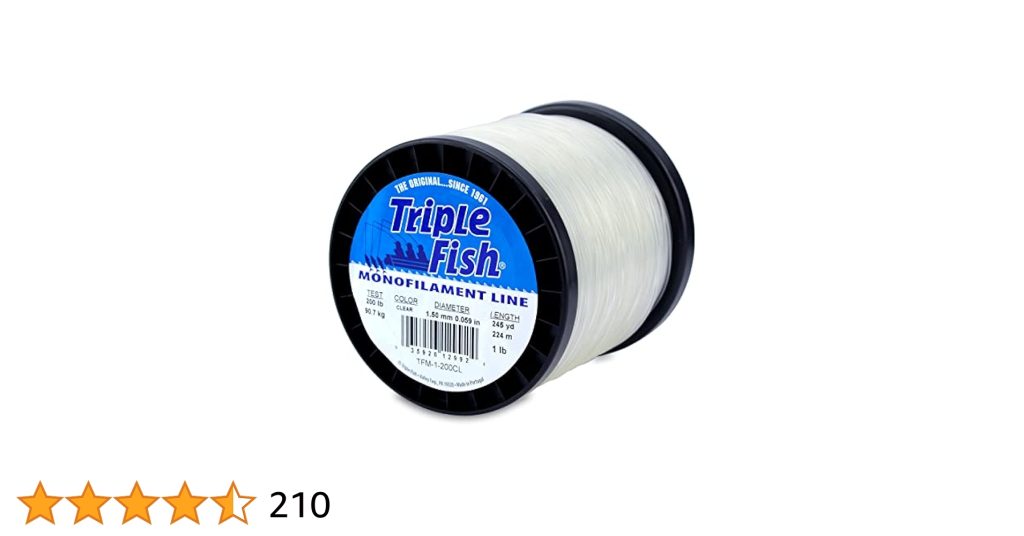
Are you tired of your fishing line snapping at the worst moment or losing too many fish? Choosing the best monofilament fishing line can make all the difference in your fishing experience.
Whether you’re a beginner or a seasoned angler, the right line gives you strength, flexibility, and smooth casting every time. You’ll discover what makes a monofilament line stand out and how to pick the perfect one for your needs. Keep reading to find the secret to landing more fish and enjoying every trip on the water.

Credit: mysterytacklebox.com
Top Monofilament Lines
Monofilament fishing lines are popular for their versatility and ease of use. They work well for many fishing styles and conditions.
Choosing the right monofilament line can improve your fishing experience. This guide covers top options for different needs.
Best Overall
The best overall monofilament line offers good strength, low stretch, and great abrasion resistance. It suits various fishing types.
This line is smooth and casts well. It also handles different weather and water conditions effectively.
Best Budget Option
A budget-friendly monofilament line still delivers decent strength and durability. It’s perfect for casual or occasional anglers.
- Affordable price
- Good knot strength
- Suitable for freshwater fishing
- Available in many line weights
Best For Beginners
Beginners need a line that is easy to handle and forgiving on knots. A soft and stretchy monofilament helps prevent line breaks.
This type of line allows smooth casting and reduces backlash, which helps new anglers learn faster.
Best For Saltwater
| Line | Strength (lbs) | Features |
| Saltwater Monofilament A | 20 | UV resistant, abrasion resistant |
| Saltwater Monofilament B | 30 | High stretch, good knot strength |
| Saltwater Monofilament C | 25 | Smooth casting, strong |
Saltwater lines must resist sun and salt damage. These lines keep their strength and performance over time.
Key Features To Consider
Choosing the right monofilament fishing line is important for a good fishing experience. Different lines have different features that can affect your catch.
Understanding these key features helps you pick the best line for your needs and conditions.
Strength And Durability
Strength is how much weight the line can hold before breaking. Durability means how well the line resists wear and tear over time.
A strong and durable line lasts longer and handles tough fish better. Look for lines with high tensile strength and abrasion resistance.
Stretch And Sensitivity
Stretch affects how much the line can extend under pressure. Some stretch helps absorb shocks from fish bites and sudden pulls.
- Higher stretch means more shock absorption but less sensitivity.
- Lower stretch gives better feel for bites but less shock absorption.
- Choose stretch based on your fishing style and target fish.
Visibility In Water
Visibility is how well fish can see the line underwater. Clear or low-visibility lines reduce the chance of spooking fish.
| Line Color | Visibility Level | Best Use |
|---|---|---|
| Clear | Low | All water types, especially clear water |
| Green | Medium | Weedy or grassy water |
| Blue | Low to Medium | Open water or deep water fishing |
| Fluorescent | High | Used for visibility above water, not underwater |
Knot Strength
Knot strength is how well the line holds after tying knots. Weak knots can cause the line to break easily.
- Choose lines known for strong knot holding.
- Practice tying knots that keep high strength.
- Wet the line before tightening knots to reduce friction.
Monofilament Vs Other Lines
Choosing the right fishing line is important for a good fishing experience. Monofilament line is popular for many anglers. It has unique features that differ from other lines.
This guide compares monofilament with fluorocarbon and braided lines. It helps you understand which line fits your fishing needs.
Comparison With Fluorocarbon
Fluorocarbon and monofilament lines look similar but behave differently. Fluorocarbon sinks faster and is less visible underwater. Monofilament floats and stretches more.
- Monofilament stretches about 20-30%, fluorocarbon less than 10%
- Fluorocarbon resists abrasion better than monofilament
- Monofilament is easier to handle and tie knots with
- Fluorocarbon is more expensive than monofilament
- Monofilament may absorb water and weaken over time
Monofilament suits beginners and topwater fishing. Fluorocarbon works well for clear water and deep fishing.
Comparison With Braided Line
Braided line has no stretch and very high strength. Monofilament stretches and is less strong at the same diameter.
| Feature | Monofilament | Braided Line |
| Stretch | 20-30% | Almost none |
| Strength | Lower for same thickness | High for same thickness |
| Visibility | Usually visible | Very visible |
| Handling | Easy to tie knots | Tough to knot, needs special knots |
| Cost | Affordable | More expensive |
Monofilament is good for shock absorption and knot tying. Braided line suits heavy cover and long casts.

Credit: mustad-fishing.com
Tips For Using Monofilament
Monofilament fishing line is popular for many anglers. It is flexible, easy to handle, and affordable.
To get the best from your monofilament line, you need to store and use it properly. This guide offers simple tips to help.
Storage And Maintenance
Keep your monofilament line in a cool, dry place away from sunlight. Heat and UV rays can weaken the line over time.
- Store line spools in sealed containers to avoid dust and moisture.
- Check your line regularly for nicks or damage before each fishing trip.
- Replace old line that has been stored for a long time to prevent breakage.
Line Handling Techniques
Handle monofilament line gently to keep it strong. Avoid sharp bends or knots that cause weak spots.
| Technique | Purpose |
| Keep line taut during casting | Prevents tangles and improves accuracy |
| Use smooth, slow reels | Reduces line twist and wear |
| Check knots before fishing | Ensures strong connections and prevents breaks |
Matching Line To Fishing Style
Choose monofilament line strength based on the fish you want to catch and your fishing method.
- Use lighter line for small fish and finesse techniques.
- Use medium strength for general freshwater fishing.
- Choose heavier line for big fish or tough conditions.
- Match line stretch to your fishing style for better bite detection.
Common Mistakes To Avoid
Choosing the best monofilament fishing line can be tricky. Many anglers make simple mistakes that hurt their fishing experience.
Knowing what to avoid helps you pick and use your line better. This guide covers common errors to watch out for.
Overstretching The Line
Overstretching monofilament line reduces its strength. This happens when you pull too hard or expose the line to heat for long.
- Do not pull the line beyond its limit.
- Avoid leaving the line under tension for hours.
- Keep the line away from direct sunlight and heat.
- Check line elasticity regularly to catch overstretching.
Ignoring Line Wear
Line wear weakens the monofilament and can cause breakage. Small cuts or nicks may not be visible but affect strength.
| Wear Type | Cause | Effect |
| Abrasion | Rubbing on rocks or guides | Line frays and loses strength |
| UV Damage | Sunlight exposure | Line becomes brittle and breaks easily |
| Knots | Improper tying | Weak points in the line |
Inspect your line often. Replace it if you see signs of wear or damage.
Using Incorrect Line Strength
Choosing the wrong line strength causes problems. A line too weak breaks easily. One too strong can reduce casting distance and fish bites.
Here are tips for selecting the right line strength:
- Match the line strength to the fish you want to catch.
- Check your rod and reel for recommended line weights.
- Use lighter lines for small fish and heavier lines for big fish.
- Change line strength based on fishing conditions and techniques.

Credit: www.homehardware.ca
Frequently Asked Questions
What Makes Monofilament Fishing Line The Best Choice?
Monofilament lines offer excellent flexibility, knot strength, and abrasion resistance. They are affordable and versatile for various fishing styles. Their stretch reduces fish break-offs, making them ideal for beginners and pros alike. Overall, monofilament balances performance and cost effectively.
How Strong Is Monofilament Fishing Line Compared To Others?
Monofilament lines have moderate strength, suitable for most freshwater and light saltwater fishing. They typically have lower tensile strength than braided lines but provide better stretch. This stretch absorbs shocks from fish strikes, reducing line breaks during fights.
Which Brands Offer The Best Monofilament Fishing Line?
Top brands include Berkley Trilene, Stren Original, and P-Line. These lines are praised for durability, smooth casting, and knot reliability. Choosing a reputable brand ensures quality, consistent diameter, and fewer line failures during fishing trips.
What Is The Ideal Monofilament Line Test Strength?
The ideal test strength depends on target species and fishing conditions. For general freshwater fishing, 6-12 lb test works well. Larger species or saltwater require 15-30 lb test. Selecting correct strength prevents line breakage and improves catch rates.
Conclusion
Choosing the best monofilament fishing line depends on your needs. Consider strength, stretch, and visibility in water. A good line helps catch more fish and lasts longer. Don’t forget to match the line with your fishing style. Test different brands to find what works best.
Remember, the right line makes fishing easier and more fun. Keep these tips in mind for your next trip. Fishing success starts with the right gear.