Choosing the right cutting board might seem simple, but it can have a big impact on your health and kitchen safety. If you care about avoiding harmful chemicals and want a surface that’s safe for your food, you need to know what makes a cutting board truly non toxic.
You’ll discover the best options that protect you and your family while making meal prep easier. Keep reading to find the perfect cutting board that fits your needs and keeps your kitchen safe.

Credit: www.amazon.ca
Why Choose Non Toxic Cutting Boards
Choosing a non toxic cutting board helps keep your kitchen safe. These boards do not release harmful chemicals into your food.
They also support a cleaner environment and last longer with proper care.
Health Benefits
Non toxic cutting boards do not contain harmful plastics or chemicals. This lowers the chance of food contamination and allergies.
- Prevent chemical leaching into food
- Reduce risk of allergic reactions
- Limit bacterial growth with safe materials
Environmental Impact
Non toxic cutting boards often use natural or recycled materials. They break down easier and cause less pollution.
| Type | Environmental Effect |
| Bamboo | Renewable and biodegradable |
| Wood | Biodegradable, can be sustainably sourced |
| Plastic (Toxic) | Non-biodegradable, pollutes environment |
Durability And Maintenance
Non toxic boards are strong and easy to clean. They resist deep cuts that can hold bacteria.
- Use mild soap and water for cleaning
- Oil wooden boards regularly to prevent drying
- Replace boards if deep grooves appear

Credit: www.greenwashingindex.com
Materials Used In Non Toxic Cutting Boards
Choosing a non toxic cutting board is important for your health. The material of the board affects how safe and durable it is.
Some materials are naturally safe and easy to clean. Others may use recycled parts to protect the environment.
Bamboo
Bamboo is a popular choice for cutting boards. It grows fast and is very strong. Bamboo boards resist water and bacteria well.
These boards are light and easy to clean. They are a good eco-friendly option without harmful chemicals.
Wood
Wood cutting boards come from hardwood trees like maple or walnut. They are gentle on knives and last a long time.
Wood naturally fights bacteria and does not need extra chemicals. Regular oiling keeps the board safe and smooth.
Silicone
Silicone cutting boards are soft and flexible. They are easy to clean and do not absorb water.
These boards are made from food-safe silicone that does not release toxins. They also resist stains and odors well.
Recycled Materials
Some cutting boards use recycled plastics or wood fibers. These boards help reduce waste and use fewer new resources.
Recycled boards must be food safe and free from harmful chemicals. They can be strong and durable if made well.
Top Non Toxic Cutting Boards On The Market
Choosing a non toxic cutting board helps keep your kitchen safe. Some materials are better for health and the environment.
Here are some of the best non toxic cutting boards you can buy today. They offer good quality and safety.
Best Bamboo Cutting Board
Bamboo cutting boards are strong and naturally resistant to bacteria. They are lightweight and easy to clean.
Bamboo grows fast, making it a sustainable choice. These boards are usually smooth and gentle on knives.
- Hard but not too hard on knives
- Eco friendly and renewable material
- Resists moisture better than some woods
Best Wooden Cutting Board
Wooden cutting boards offer a classic look and good durability. They can last for many years with care.
Hardwoods like maple or walnut are safe and less likely to dull your knives. Wood also has natural antibacterial properties.
- Durable and long lasting
- Gentle on knives
- Natural bacteria resistance
Best Silicone Cutting Board
Silicone cutting boards are flexible and easy to store. They do not absorb liquids and are easy to clean.
These boards are safe for health and resist stains. They are also soft on knife edges and good for small kitchens.
- Non absorbent and stain resistant
- Flexible and space saving
- Safe and easy to clean
Best Eco Friendly Option
Eco friendly cutting boards are made from sustainable or recycled materials. They reduce waste and harm to the planet.
Options include boards made from recycled wood fibers or plant-based plastics. These choices keep your kitchen green.
- Made from renewable or recycled materials
- Biodegradable or recyclable
- Supports environmental health
Features To Look For
Choosing the best non toxic cutting board means checking several key features. These features affect safety and how easy the board is to use daily.
Look closely at materials and design. Each feature plays a role in keeping your kitchen clean and your knives sharp.
Knife Friendliness
A good cutting board should protect your knives from dulling fast. Soft surfaces like bamboo or certain plastics are gentle on blades. Hard surfaces like glass can damage knives quickly.
Ease Of Cleaning
Cleaning your cutting board well stops bacteria and smells. Look for boards that are easy to wash by hand or dishwasher safe. Non porous materials are best because they do not absorb liquids.
- Non porous surfaces prevent germs
- Dishwasher safe boards save time
- Boards without cracks clean better
- Wood boards need more care
Anti Bacterial Properties
| Material | Anti Bacterial Feature | Notes |
| Bamboo | Natural antimicrobial oils | Needs regular oiling |
| Plastic | Non porous, easy to sanitize | May scratch over time |
| Glass | Non porous but no natural bacteria defense | Can dull knives |
| Wood | Some types have antimicrobial agents | Requires proper maintenance |
Size And Weight
The size of the board should fit your kitchen space and cutting needs. Larger boards offer more room but weigh more. Lightweight boards are easy to move and store but may be small.
- Choose a size that fits your counter
- Consider weight for ease of handling
- Thicker boards are heavier but last longer
- Thin boards are light but less durable
Tips For Maintaining Non Toxic Cutting Boards
Non toxic cutting boards are great for healthy cooking. They last longer with the right care. Keep them clean and safe by following simple tips.
Proper maintenance helps avoid damage and keeps the board smooth. Use gentle cleaning and regular conditioning to protect your board.
Cleaning Techniques
Clean your non toxic cutting board after every use. Use mild soap and warm water to wash it. Avoid soaking the board or using harsh chemicals.
- Rinse with warm water immediately after use
- Use a soft sponge or cloth for washing
- Dry the board with a clean towel right away
- Avoid placing the board in the dishwasher
- Disinfect with vinegar or lemon juice if needed
Oiling And Conditioning
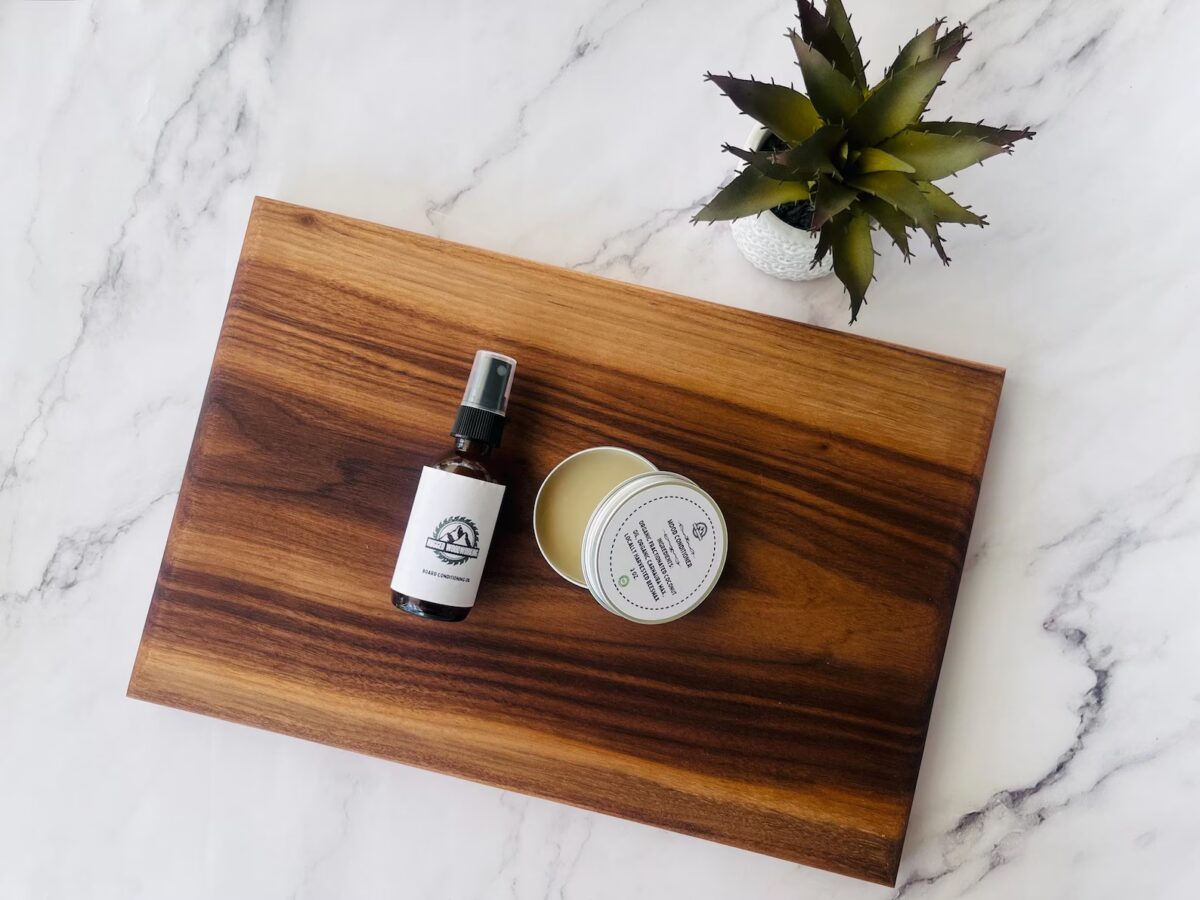
Oiling your cutting board keeps it from drying out and cracking. Use food-safe oils like mineral oil or beeswax. Apply oil regularly to protect the wood.
| Oiling Frequency | Condition |
| Once a month | Normal use |
| Every 2 weeks | Heavy use |
| Once every 3 months | Light use |
Avoiding Damage
Protect your board by avoiding actions that cause damage. Do not cut on the same spot for long periods. Avoid using knives with chipped blades.
- Do not use metal scrubbers or sharp objects on the surface
- Store the board in a dry place away from heat
- Flip the board regularly to prevent warping
- Do not expose the board to extreme temperatures
Credit: thefiltery.com
Frequently Asked Questions
What Materials Make The Best Non Toxic Cutting Boards?
The best non toxic cutting boards are made from bamboo, maple, or recycled plastic. These materials resist bacteria and don’t leach chemicals. They are durable, easy to clean, and safe for food preparation. Avoid boards with harmful glues or finishes.
How To Identify A Truly Non Toxic Cutting Board?
Look for cutting boards labeled BPA-free, chemical-free, and food-safe. Check for natural wood or eco-friendly materials like bamboo. Avoid boards with synthetic coatings or toxic adhesives. Certifications from trusted organizations can also confirm non toxicity.
Are Wooden Cutting Boards Safer Than Plastic Ones?
Wooden boards are naturally antimicrobial and less prone to deep grooves. Plastic boards can harbor bacteria in cuts but are dishwasher safe. Both can be safe if properly cleaned and maintained. Choose non toxic materials to avoid chemical exposure.
Can Non Toxic Cutting Boards Prevent Food Contamination?
Yes, non toxic cutting boards reduce the risk of chemical exposure and bacterial growth. Materials like bamboo and hardwood resist knife marks that trap bacteria. Regular cleaning and sanitizing are essential to maintain safety and hygiene.
Conclusion
Choosing the best non-toxic cutting board protects your health and food. Natural materials like wood or bamboo work well and last long. Avoid plastic boards that may release harmful chemicals over time. Keep your cutting board clean to prevent germs and odors.
A safe cutting board makes cooking easier and safer every day. Remember, small changes in your kitchen can lead to better health. Trust your choice and enjoy preparing meals with confidence.