If you want your cutting board to stay strong, look great, and last for years, choosing the right oil is key. You might be wondering, what is the best oil for cutting boards?
Using the wrong oil can cause damage or leave your board sticky and smelly. But the right oil not only protects the wood but also keeps it safe for your food. You’ll discover the top oils that will keep your cutting board in perfect shape.
Keep reading to find out how to care for your board like a pro and make every meal prep easier and safer.
Types Of Oils For Cutting Boards
Oiling cutting boards keeps them strong and safe. It stops wood from drying out or cracking. Different oils work well on boards.
Choosing the right oil helps your cutting board last longer. Some oils protect better than others. Let’s look at popular types.
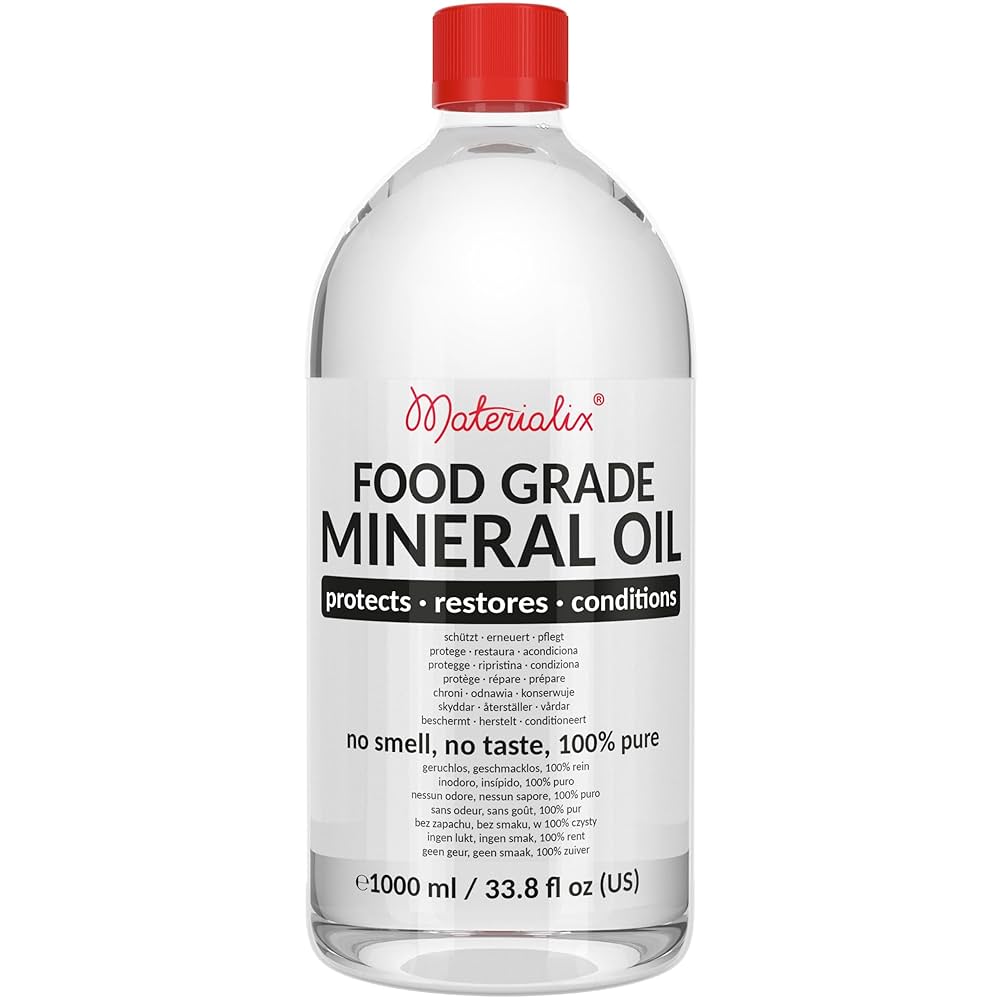
Mineral Oil
Mineral oil is a common choice for cutting boards. It is clear and odorless. It soaks into wood and protects it from water.
Because mineral oil is food safe, it is safe for kitchen use. It does not go bad or turn rancid.
Beeswax Infused Oil
Beeswax oil mixes beeswax with mineral oil. This blend adds a protective layer on wood. It keeps water from soaking in.
This oil smells natural and helps keep boards smooth. It gives extra shine and protection.
Coconut Oil
Coconut oil is natural and smells nice. It absorbs well into wood and can keep it soft. It is easy to find.
Yet, coconut oil can go bad over time. It may cause a sticky feel if used too much. Use it carefully on cutting boards.
Linseed Oil
Linseed oil is made from flax seeds. It soaks deep into wood and hardens after drying. This protects the board well.
Make sure to use food-grade linseed oil. Some types can be toxic. It may take longer to dry than other oils.
Walnut Oil
Walnut oil is natural and safe for food contact. It absorbs quickly into wood. It helps keep boards from cracking.
People with nut allergies should avoid walnut oil. It can go bad if not stored properly. Use fresh oil for best results.
Benefits Of Using The Right Oil
Choosing the right oil for your cutting board helps keep it in good shape. It protects the wood and makes it last longer.
Oiling your cutting board regularly stops damage and improves its look. It also makes sure the board is safe to use with food.
Preventing Cracks
Oiling fills the wood pores and keeps moisture in. This stops the wood from drying out and cracking over time.
Enhancing Appearance
The right oil brings out the natural colors and grain of the wood. It gives your board a warm, polished look that lasts.
- Deepens the wood’s color
- Reduces dullness and dryness
- Creates a smooth, shiny surface
Improving Durability
Oiling builds a protective layer on the board. This layer guards against cuts, stains, and water damage.
| Benefit | Effect |
| Water Resistance | Prevents swelling and warping |
| Stain Protection | Keeps the wood clean and fresh |
| Scratch Resistance | Reduces visible damage |
Safe For Food Contact
Using food-safe oil means no harmful chemicals touch your food. It keeps your cutting board healthy for cooking.
Common food-safe oils for cutting boards include:
- Mineral oil
- Coconut oil
- Walnut oil
- Beeswax blends
How To Apply Oil On Cutting Boards
Oiling cutting boards keeps the wood healthy and strong. It stops cracks and stains. Proper oiling makes your board last longer.
This guide shows how to prepare, apply oil, and let the board dry. Follow these steps for the best results.
Preparation Steps
Before oiling, clean and dry the cutting board. Remove any old oil or dirt for better absorption.
- Wash the board with warm, soapy water.
- Rinse and dry it completely with a towel.
- Let the board air dry for at least one hour.
- Lightly sand rough spots with fine sandpaper.
- Wipe away dust with a dry cloth.
Application Techniques
Use the right oil and apply it evenly. This protects the wood and prevents damage.
| Oil Type | Use |
| Mineral Oil | Food-safe, easy to apply |
| Beeswax Blend | Creates a smooth, water-resistant finish |
| Walnut Oil | Natural but may cause allergies |
Apply oil with a soft cloth or brush. Rub it in small circles to cover the whole surface.
- Pour a small amount of oil on the board.
- Spread oil evenly on top and sides.
- Let the oil soak into the wood for 20 minutes.
- Wipe off extra oil with a clean cloth.
Drying Time
Let the board dry before use. Drying helps the oil set and protect the wood.
Use this drying time guide:
- Allow 4 to 6 hours for mineral oil.
- Beeswax blends may take up to 12 hours.
- Keep the board in a dry place, away from heat.

Credit: www.amazon.com
Common Mistakes To Avoid
Choosing the right oil for cutting boards helps keep them healthy and safe. Many people make mistakes that can harm their boards. Avoiding these errors will extend the life of your cutting board.
Below are common mistakes to watch out for when oiling your cutting board. Fixing these will keep your board smooth and protected.
Using Vegetable Oils
Vegetable oils like olive or canola oil may seem fine but can cause problems. These oils can go rancid and smell bad over time. This can damage your cutting board and food safety.
Always choose mineral oil or oils made for wood cutting boards. These oils do not spoil and keep your board safe for food use.
Over-oiling
Adding too much oil does not make your board better. Over-oiling can leave a sticky or greasy surface. It can attract dust and dirt, making the board harder to clean.
Apply oil sparingly and wipe off any extra. Let the oil soak in before adding more, if needed. This keeps the board smooth and dry.
Ignoring Maintenance
Oiling your cutting board once is not enough. Wood can dry out and crack without regular care. Ignoring maintenance reduces the board’s life and safety.
Clean your board after each use and oil it regularly. This keeps the wood strong and water-resistant. Set a schedule to maintain your board well.
Frequency Of Oil Application
Oiling your cutting board keeps it safe and looking good. You should oil it regularly to stop it from drying out and cracking.
The best oil for cutting boards is food-safe and easy to apply. How often you oil depends on use and other factors.
Indicators For Reapplication
Watch your cutting board to know when to add more oil. Some signs show it needs another coat.
- The wood looks dry or pale in spots
- Water no longer beads on the surface
- Small cracks or rough patches appear
- The board feels lighter than usual
Regular checks help keep your board in top shape. Oil it as soon as you see these signs.
Seasonal Considerations
| Season | Effect on Cutting Board | Oil Application Frequency |
| Winter | Dry air can dry out wood | Oil every 2-3 weeks |
| Spring | Higher humidity helps wood stay moist | Oil every 4-6 weeks |
| Summer | Heat may cause faster drying | Oil every 2-3 weeks |
| Fall | Cooling air starts drying wood again | Oil every 3-4 weeks |

Credit: www.ebay.ca
Caring For Different Materials
Cutting boards come in many materials. Each type needs special care to last longer. Using the right oil keeps boards safe and clean.
Knowing how to care for wooden, bamboo, and plastic boards helps keep them strong. This guide explains the best oil and care tips for each.
Wooden Cutting Boards
Wooden boards need oil to stop drying and cracking. Use food-safe mineral oil or beeswax. Avoid vegetable oils because they can spoil.
- Clean with warm water and mild soap.
- Dry board completely before oiling.
- Apply oil evenly with a soft cloth.
- Let oil soak in for several hours or overnight.
- Wipe off extra oil before use.
Bamboo Cutting Boards
Bamboo is hard and less porous than wood. It needs less oil but still benefits from regular care. Use mineral oil or a bamboo-specific oil.
| Care Tip | Details |
| Cleaning | Use warm soapy water, dry well |
| Oiling | Apply mineral oil every 1–2 months |
| Storage | Keep in dry place, avoid soaking |
Plastic And Composite Boards
Plastic and composite boards do not absorb oil. They need less oiling but must be cleaned well to avoid stains and smells.
Use this cleaning checklist for plastic boards:
- Wash with hot, soapy water after each use.
- Use a scrub brush for tough stains.
- Sanitize with diluted bleach or vinegar solution.
- Dry fully to prevent bacteria growth.
Diy Oil Blends
Oiling cutting boards keeps them strong and safe. Using the right oil stops cracks and warping.
Making your own oil blend lets you control the ingredients. It is easy and cost-effective.
Creating Custom Blends
Start with food-safe base oils like mineral oil or walnut oil. These oils soak in well and protect wood.
Mix oils to get the right feel and protection. You can add beeswax for extra water resistance.
- Mineral oil: clear, odorless, safe for food contact
- Walnut oil: natural, good for sealing wood
- Beeswax: adds a protective layer
- Coconut oil: use fractionated form to avoid spoilage
Adding Essential Oils
Essential oils add scent and extra protection. Use only food-safe essential oils and small amounts.
Popular choices include lemon and tea tree oils. They have natural antibacterial properties.
- Lemon oil: fresh smell, helps clean wood
- Tea tree oil: fights bacteria and mold
- Eucalyptus oil: adds a clean scent
- Peppermint oil: natural and refreshing
Eco-friendly And Sustainable Options
Choosing the right oil for cutting boards helps protect the wood and the environment. Eco-friendly oils are safe and keep boards in good shape.
Sustainable options use natural ingredients and reduce waste. These oils keep your kitchen green and your cutting boards healthy.
Organic Oils
Organic oils come from plants grown without harmful chemicals. They soak into wood and protect it from drying out.
Common organic oils for cutting boards include coconut oil, walnut oil, and olive oil. These oils are natural and safe to use.
- Coconut oil: Moisturizes wood and resists water
- Walnut oil: Hardens wood surface and lasts longer
- Olive oil: Easy to find and gentle on wood
Recycled Oil Products
Recycled oil products reuse oils from other sources instead of new ones. This lowers waste and saves resources.
These oils are cleaned and processed to be safe for cutting boards. They offer a sustainable choice for wood care.
- Beeswax blends with recycled oils add a protective layer
- Recycled mineral oils are purified and food safe
- Using recycled oils reduces environmental impact

Credit: www.amazon.com
Frequently Asked Questions
What Is The Best Oil For Cutting Boards?
Food-grade mineral oil is the best choice for cutting boards. It is safe, odorless, and prevents wood from drying and cracking. Unlike vegetable oils, it doesn’t go rancid, ensuring long-lasting protection and maintaining the board’s appearance.
Can I Use Olive Oil On Cutting Boards?
Olive oil is not recommended for cutting boards. It can become sticky and rancid over time. This leads to unpleasant smells and potential bacterial growth, which compromises the board’s hygiene and durability.
How Often Should I Oil My Cutting Board?
You should oil your cutting board once a month or when it looks dry. Regular oiling prevents cracking and warping. It keeps the board smooth, sanitary, and extends its lifespan.
Is Beeswax Good For Cutting Board Maintenance?
Yes, beeswax is excellent for cutting boards when combined with mineral oil. It creates a protective barrier, repels water, and enhances the wood’s natural beauty. Use a beeswax and mineral oil blend for best results.
Conclusion
Choosing the best oil for cutting boards keeps them strong and safe. Natural oils like mineral oil work well. They soak in and protect wood from drying out. Avoid cooking oils that can go bad and smell. Regular oiling stops cracks and warping.
Clean your board before applying oil for best results. A well-oiled board lasts longer and stays beautiful. Take care of your cutting board to enjoy it daily. Simple steps make a big difference in kitchen care.